








DO YOU HAVE ANY QUESTIONS?
You are welcome to send us a message. We will get back to you as soon as possible.

Wolfgang from Simply Live Better
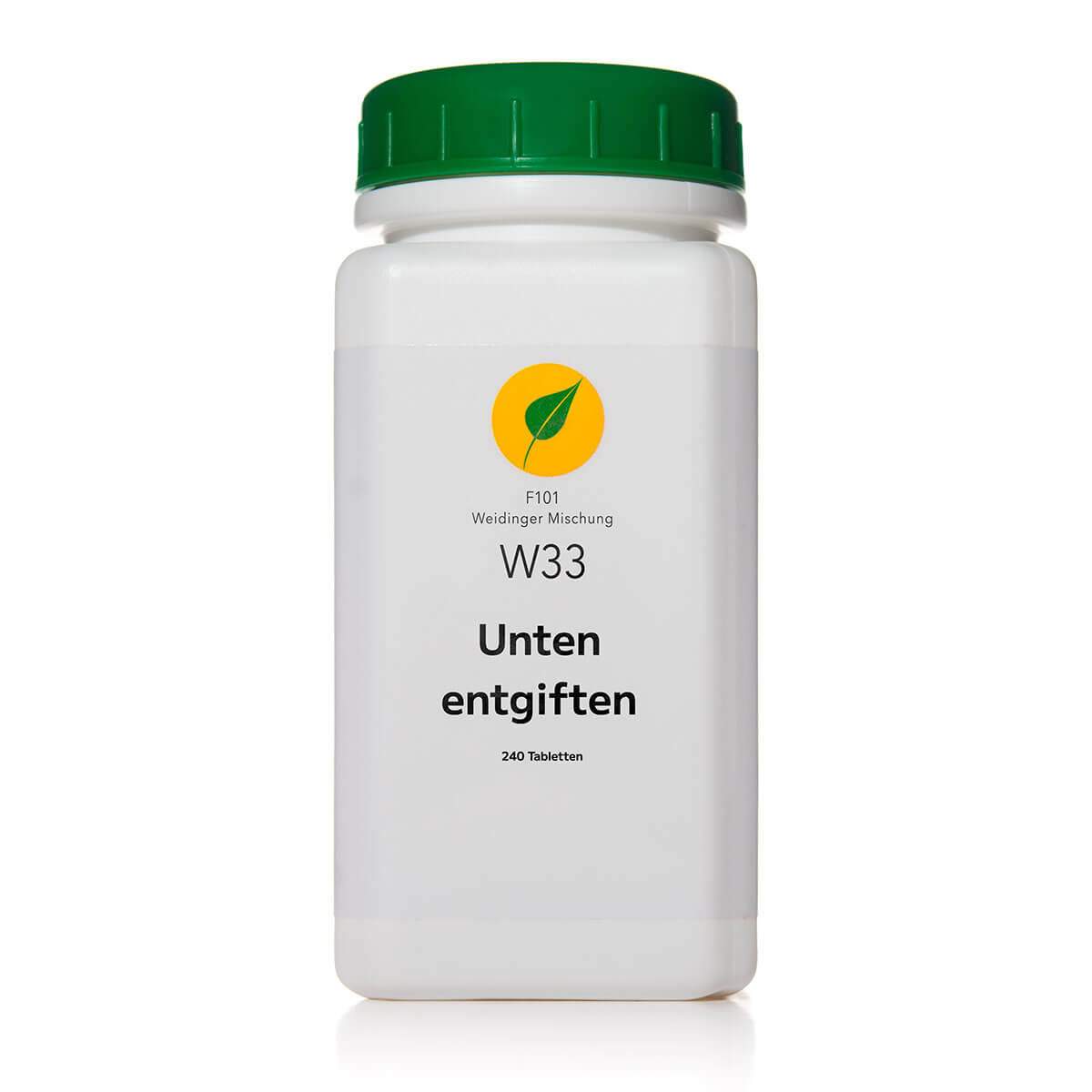
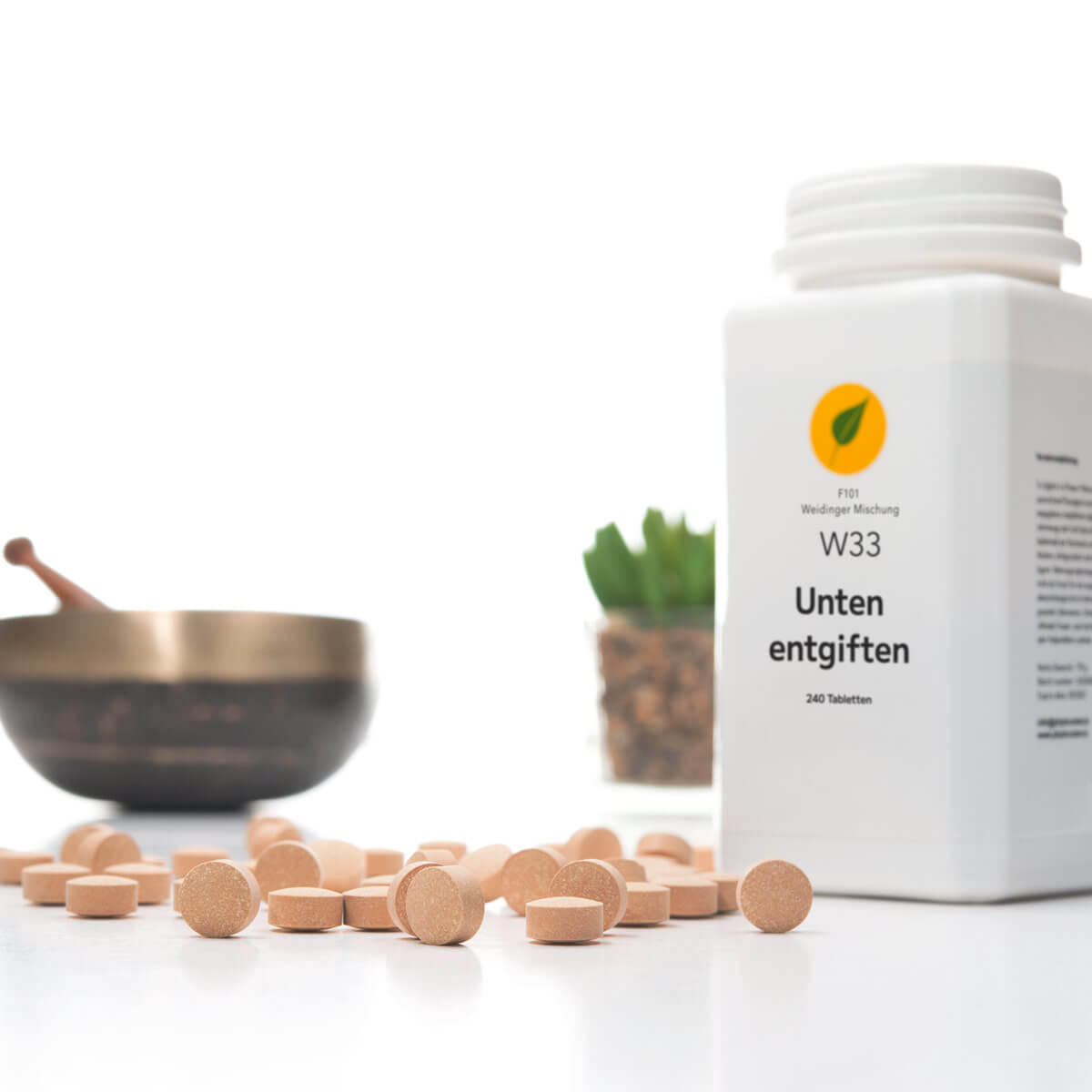
incl. VAT
Chinese Herbal Formula W33 (Ba Zheng San, modified) according to Dr. Georg Weidinger.
TCM Patterns:
Damp-Heat Bladder, Damp-Heat (the Lower Burner)
According to TCM theory, the lower „warmer“—the region of the bladder and large intestine—is responsible for clearing impurities through the lower channel. The classic formula for this is called Ba Zheng San — the „Powder of the Eight Corrections.“.
W33 follows this classic formula for „purgative“ remedies—ten simple ingredients, many of which are familiar meadow plants.
W33 IS RIGHT FOR YOU IF:
If even one of these points applies to you…
240 tablets — one bottle lasts about 3–5 weeks
Only 1 left in stock
Delivery time: 6-12 days
We know the problem. That's why we have the following suggestions for you in this case...
TCM analysis

You have 3 ways to find the right TCM herbal blend…
So, now back to the description of the herbal mixture.
Formula by Dr. Georg Weidinger, M.D., from his book *The Golden Middle Way* (published by OGTCM Verlag, the publishing house of the Austrian Society for TCM), page 389.
„Detoxifying the Lower Burner“ refers to the lower „burner“ in Chinese medicine—the region of the bladder and large intestine, which tradition associates with purification through the lower pathway.
The classic formula Ba Zheng San is dedicated precisely to this topic.
W33 follows this recipe, which comes from Dr. Weidinger’s book *The Golden Middle Way*.
»A clear stream suffers no harm—as long as its outlet remains open.«
This is how the teachings of TCM describe clearing the lower channel. The tradition dedicates Ba Zheng San—the formula that W33 follows—to this open drainage.
The classic: From the Imperial Recipe Book
Ba Zheng San is recorded in the *Taiping Huimin Heji Ju Fang* of the Song Dynasty (circa 1107). Its name—„Eight Corrections“—refers to the original eight ingredients that regulate the lower path.
Construction Method: Ten simple ingredients
A striking number of the ingredients are delicate herbs and plant piths—clove herb (Qu Mai), bird knotweed (Bian Xu), rush pith (Deng Xin Cao), and rice paper pith (Tong Cao). Dr. Weidinger divides them into equal parts and supplements the formula with Poria and Cynanchum.
In the TCM classification system, Ba Zheng San is the classic formula for damp-heat patterns in the Lower Burner.
Ten light ingredients, like an open sieve—they let the murkiness drain away.
The ten ingredients in this composition are arranged side by side in equal parts (10 % each)—here’s a close-up:
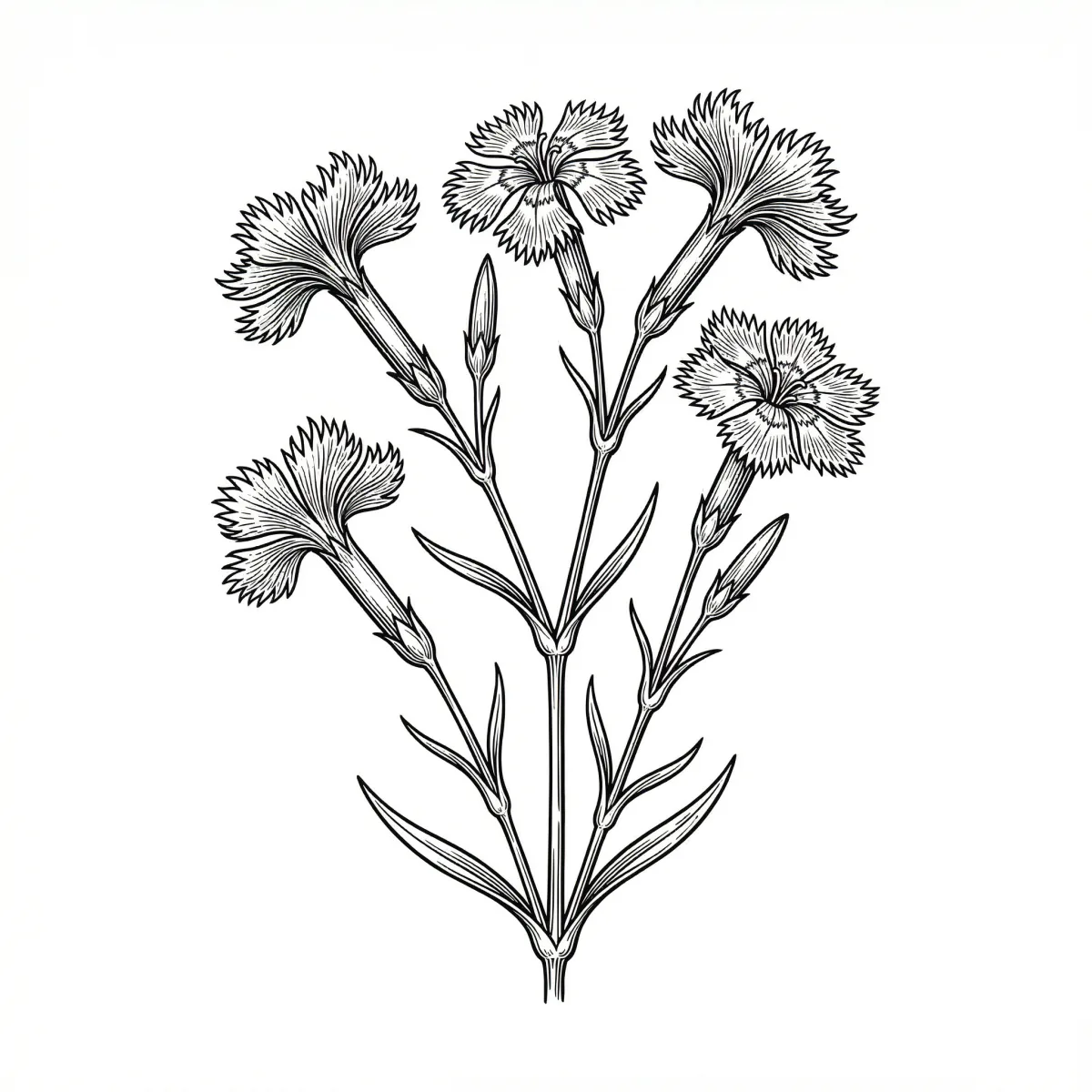 Clove herb | Qu Mai (Dianthi Herba): 10%
The flowering plant of the tufted carnation Dianthus superbus — a wild relative of the garden carnation with delicately fringed, pink flowers. The entire above-ground plant is used.
 Knotweed | Bian Xu (Polygoni Avicularis Herba): 10%
The herb of the bird's-foot knotweed Polygonum aviculare — that hardy plantain that grows between cobblestones and along roadsides all over the world. The entire flowering plant is harvested.
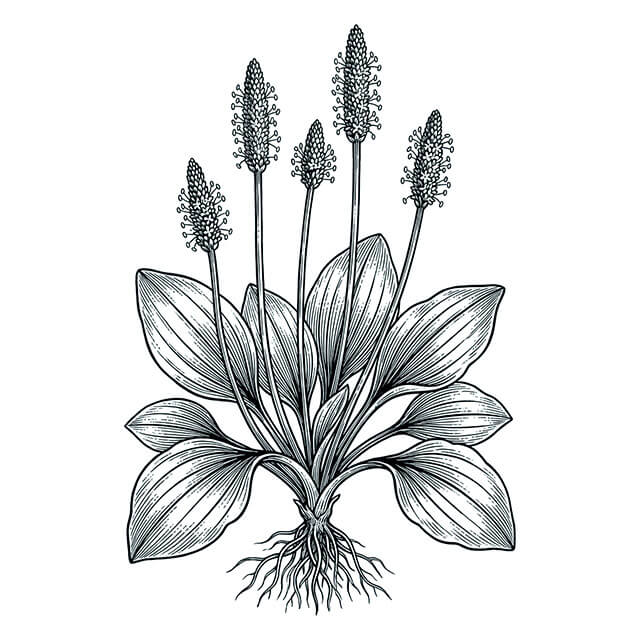 Plantain seeds | Che Qian Zi (Plantaginis Semen): 10%
The tiny seeds of broad-leaved plantain Plantago asiatica — a close relative of our meadow plantain. „Che Qian“ means „in front of the cart,“ because the plant prefers to grow along roadsides.
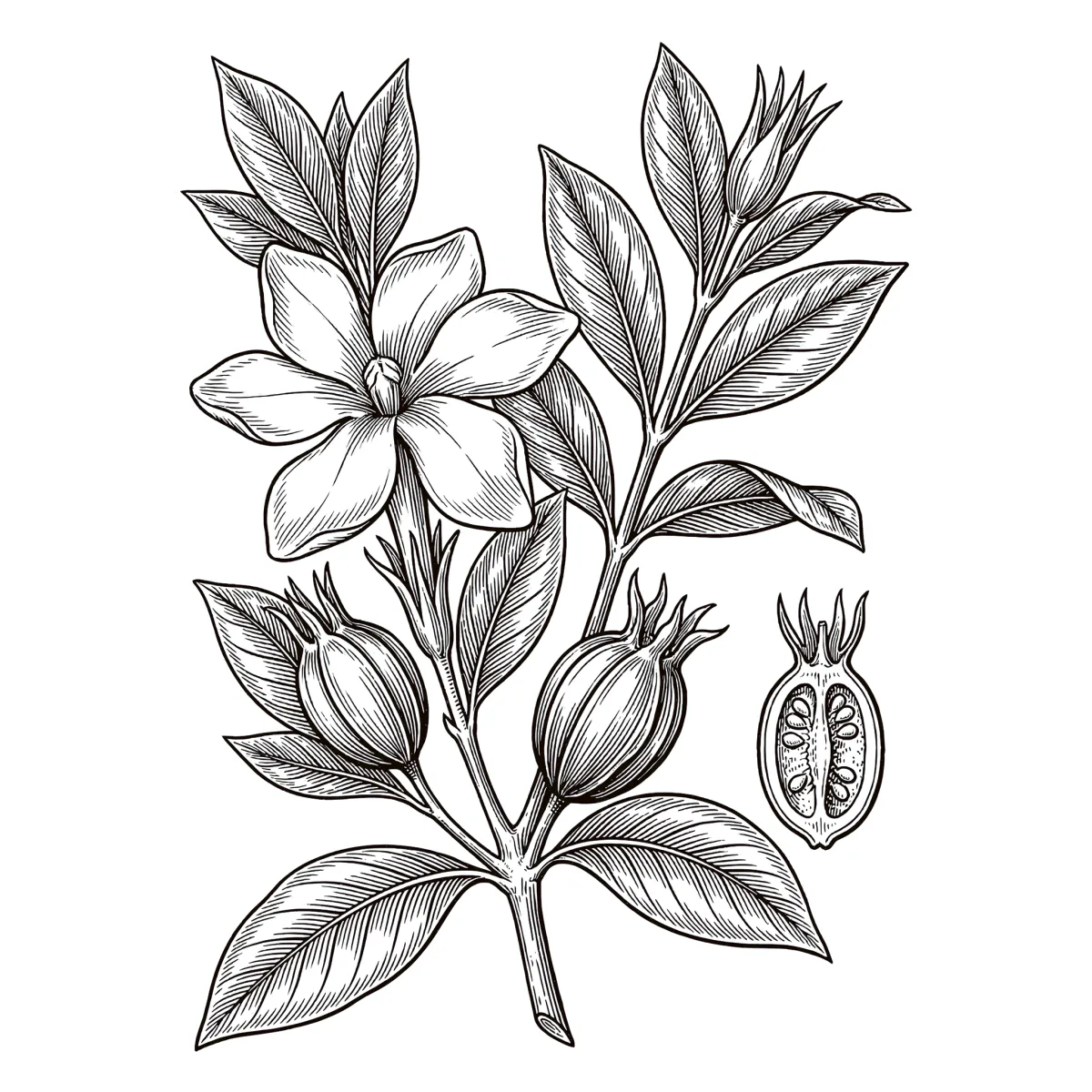 Gardenia fruit | Zhi Zi (Gardeniae Fructus): 10%
The orange-red fruits of the gardenia Gardenia jasminoides, whose white flowers have an enchanting fragrance. In China, the fruits were used for centuries as a yellow dye for fabrics and foods.
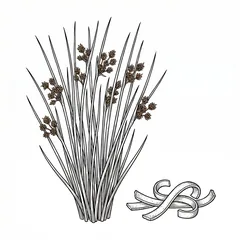 Rush pulp | Deng Xin Cao (Junci Medulla): 10%
The white pith of the quaking rush Juncus effusus — a marsh plant found along pond edges. Its light, spongy pith was once used in China as wick for oil lamps; hence the name „lampwick herb.“.
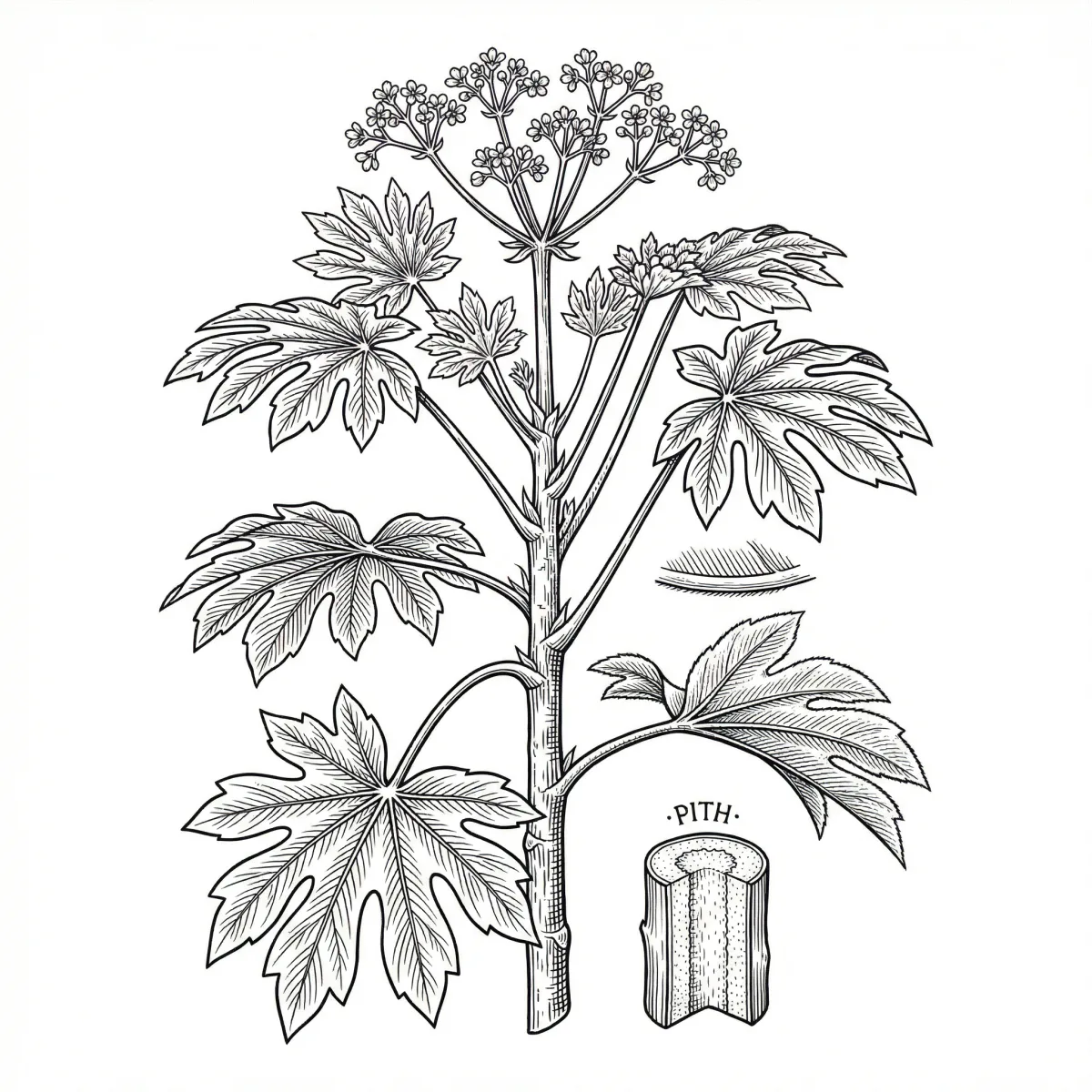 Rice paper brand | Tong Cao (Tetrapanacis Medulla): 10%
The snow-white pith of the rice paper tree Tetrapanax papyrifer — a member of the araliaceae family. Chinese artisans used to cut the famous, delicate „rice paper“ for watercolors from the pith of this plant.
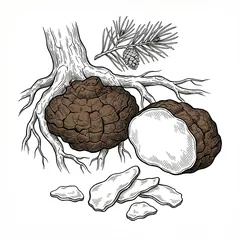 Pine Blight | Fu Ling (Poria cocos sclerotium): 10%
Not a herb, but a mushroom: Fu Ling is the underground mycelium (sclerotium) of the pine fungus, which grows on the roots of old pine trees—a treasure that collectors used to track down in the forest floor with probes.
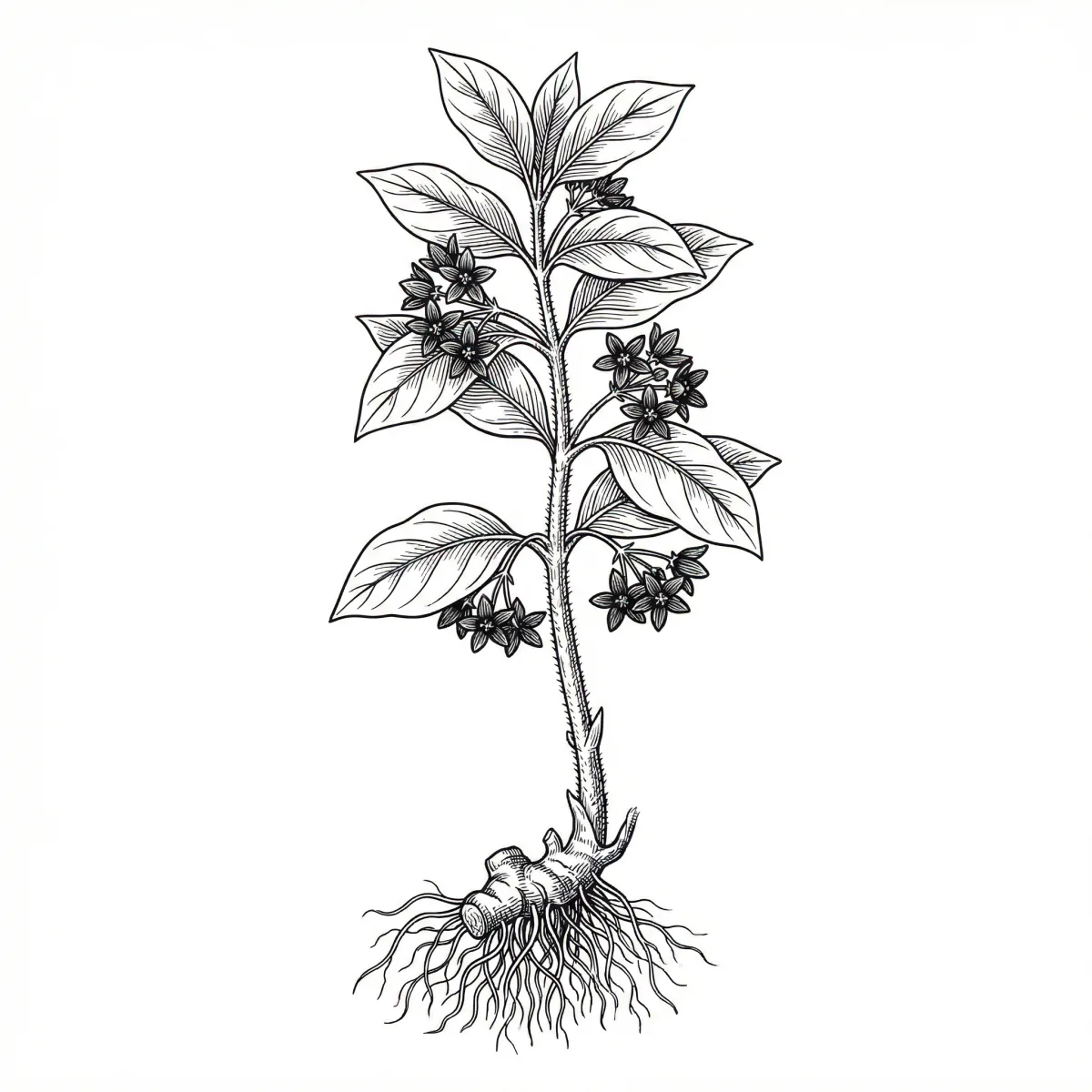 Dogbane root | Bai Wei (Cynanchii Atrati Radix): 10%
The root of Cynanchum atratum — a herbaceous silk plant with dark flowers. The numerous thin, light-colored root filaments on the rootstock are used.
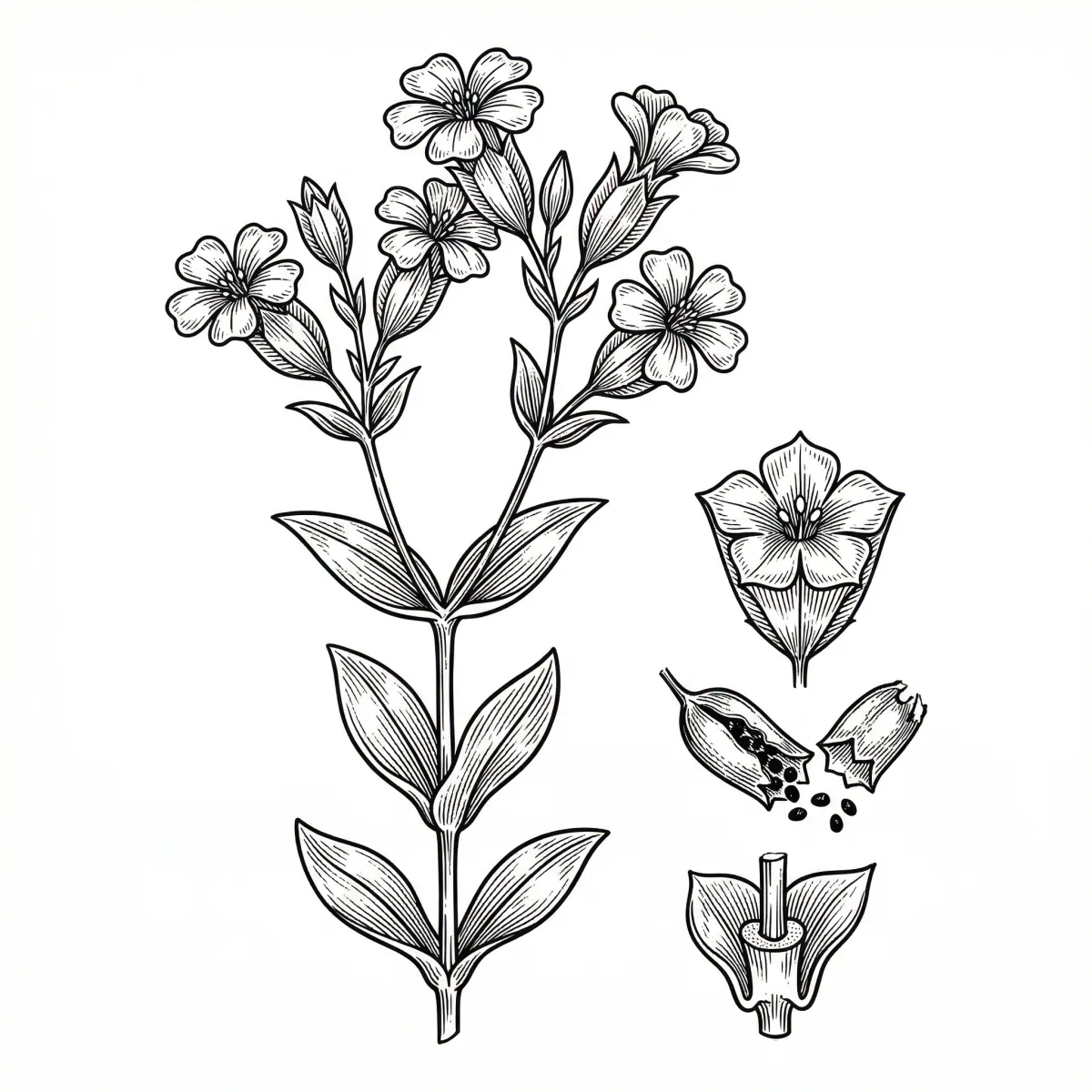 Cow parsley seeds | Wang Bu Liu Xing (Vaccariae Semen): 10%
The small, hard seeds of the cow parsley Vaccaria hispanica — a plant of the carnation family found in grain fields. The poetic name roughly translates to „the king does not stop.“.
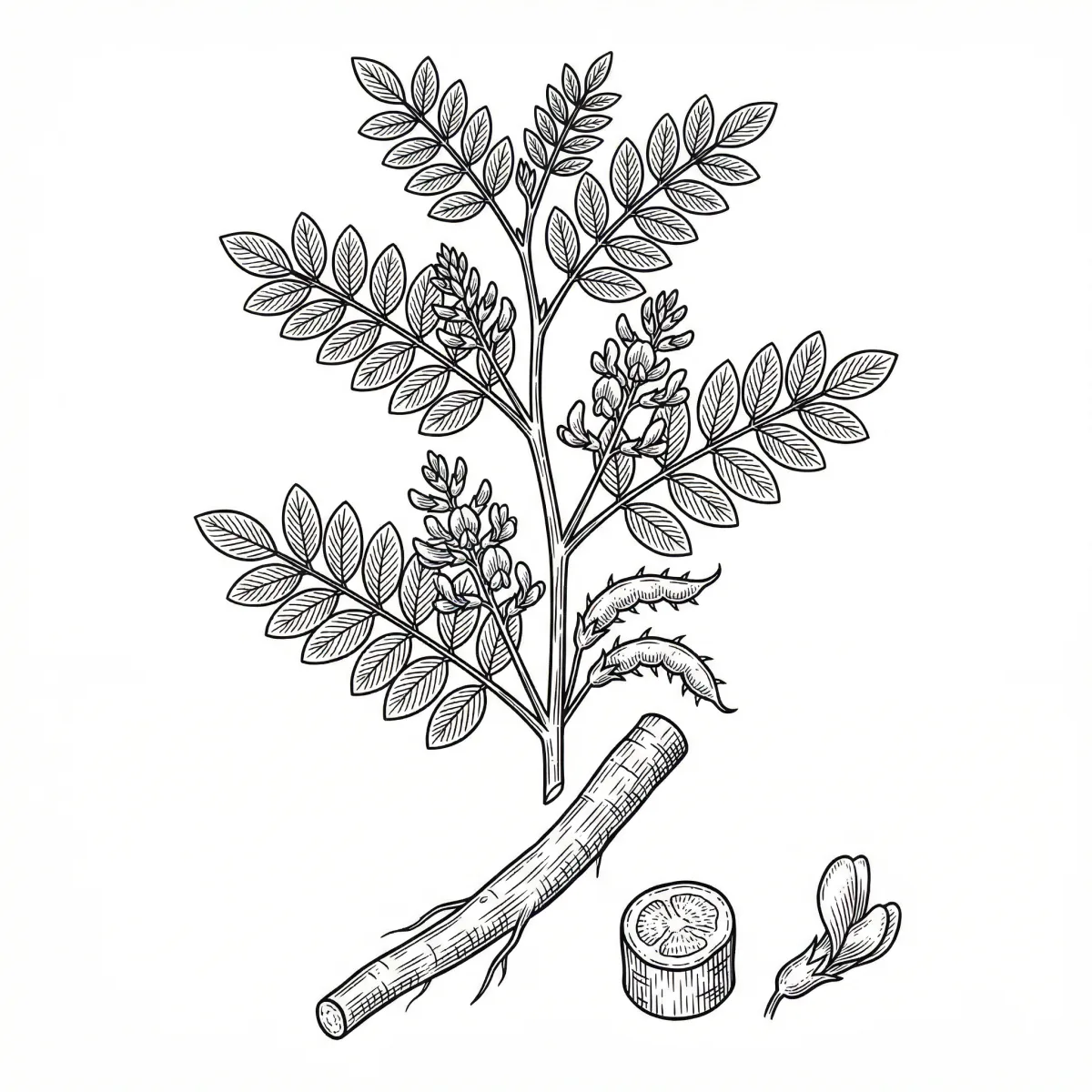 licorice root | Gan Cao (Glycyrrhizae Radix): 10%
The root of Ural licorice Glycyrrhiza uralensis — The primary ingredient in licorice and the most commonly used ingredient in the entire tradition of Chinese herbal formulas. As a "messenger herb," it binds the other ingredients together into a harmonious whole.
Ingredients:
| Pinyin | Latin name | German designation | Percent % | 6 tabs (3 g) |
| Bai Wei | Radix Cynanchii Atrati | Cynanchum atratum root | 10,0 | 0,3 |
| Bian Xu | Herba Polygoni Avicularis | Knotweed | 10,0 | 0,3 |
| Che Qian Zi | Semen Plantaginis | Asian plantain seeds | 10,0 | 0,3 |
| Deng Xin Cao | Medulla Junci Effusi | Rush pulp | 10,0 | 0,3 |
| Fu Ling | Poriae Cocos | Coconut fungus, pine sponge | 10,0 | 0,3 |
| Gan Cao | Radix Glycyrrhizae Uralensis | Licorice, liquorice | 10,0 | 0,3 |
| Qu May | Herba Dianthi | Clove herb | 10,0 | 0,3 |
| Tong Cao | Medulla tetrapanacis | Tetrapanax stalk pulp | 10,0 | 0,3 |
| Wang Bu Liu Xing | Semen vaccariae | Vaccaria seeds | 10,0 | 0,3 |
| Zhi Zi | Fructus Gardeniae Jasminoidis | Chinese yellowberry, gardenia | 10,0 | 0,3 |
Traditional Chinese herbal formulas consist of several plants that are combined according to the principles of TCM. In traditional practice, they are taken over an extended period of time and spread out throughout the day.
General Serving Suggestions (unless otherwise specified on the respective product page):
✓ Recommended daily intake: 2–4 tablets 2–3 times a day
✓ Duration: 80 to 120 days
✓ Intake: With at least 0.2 L of warm water, 30 minutes before or after a meal
Notes: Dietary supplements are not intended to replace a balanced and varied diet or a healthy lifestyle. Do not exceed the recommended daily intake. Keep out of reach of small children. Store away from light at room temperature. We recommend that pregnant and breastfeeding women consult a doctor before use.

All concentrated powders or granules used to make our herbal blends are certified for quality. This means that each plant is tested beforehand by a GMP laboratory in Germany. Only when the quality requirements are reached, a plant is released for production.
| Weight | 172 g |
|---|---|
| Dimensions | 13 × 6 × 6 cm |
| W33 | 240 tablets |
You are welcome to send us a message. We will get back to you as soon as possible.
Wolfgang from Simply Live Better