





When Heat Makes You Sick
From Summer Fatigue to Heat Stroke — What TCM Has to Say
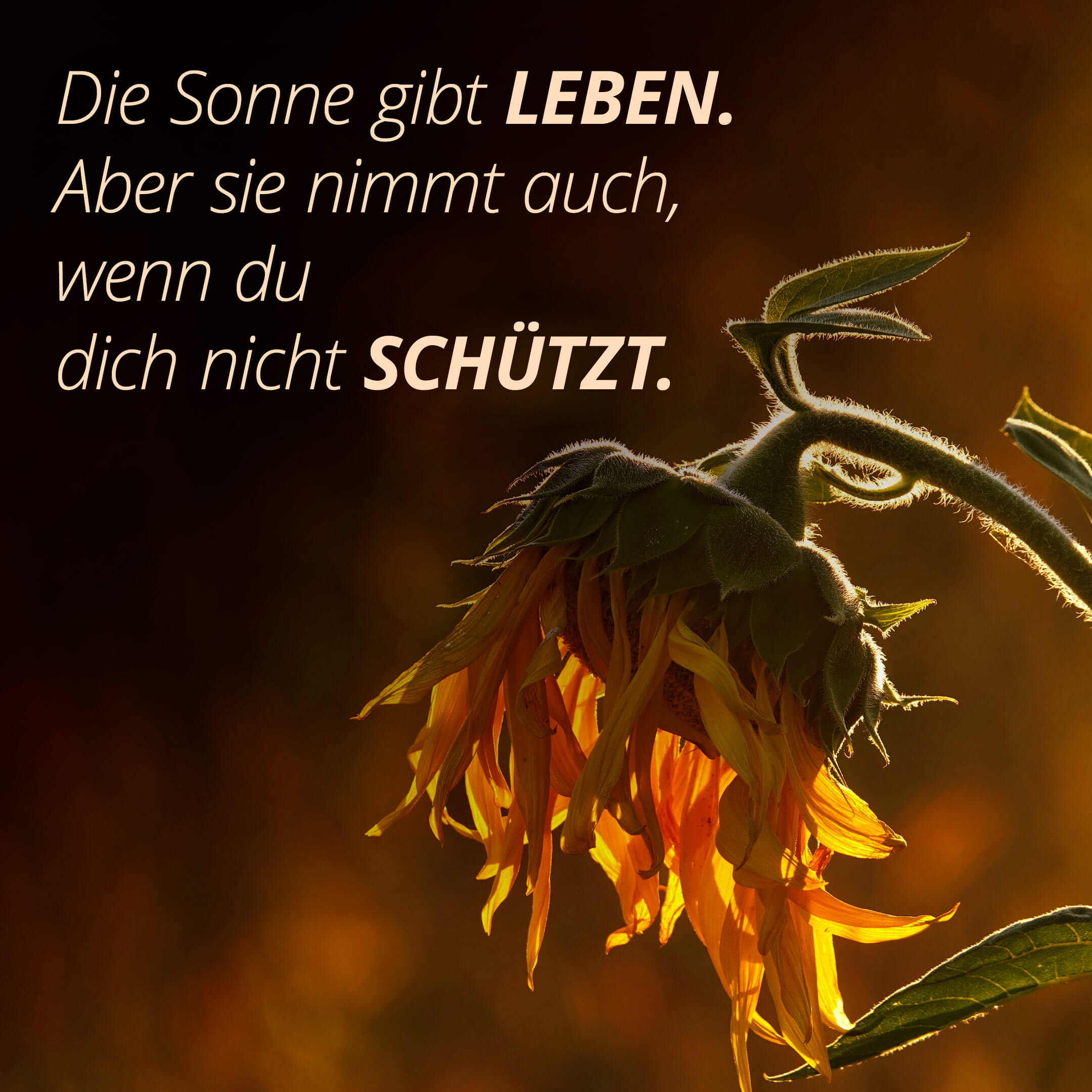
The sun gives LIFE.
But she'll take it even if you don't PROTECTS.
In TCM, this has a name: Shǔ — summer heat. It's not just „it's hot.“ It's a distinct risk factor for disease.
One that attacks the body, burns the qi, and dries up the body fluids.
The old masters knew him. And they knew: Those who recognize the signs early can protect themselves. Those who ignore them will pay the price.
🔥 Summer Heat (Shǔ) — an independent pathogenic factor
Note: Whenever this post refers to the „heart,“ „spleen,“ „liver,“ or „kidney,“ it always means the Functional Circuits in Traditional Chinese Medicine—energetic systems, not anatomical organs.
In Western medicine, heat is simply a temperature—high or low, measurable.
In TCM, "heat" means much more than that.
It is one of the six climatic factors—six external influences that can cause illness if they become too intense or if the body is too weak.
The six climatic factors:
- Wind (Fēng)
- Cold (Hán)
- Moisture (Shī)
- Dryness (Zào)
- Heat (Rè)
- Summer Heat (Shǔ)
Summer heat is unique. It exists only in the summer. It is the only one tied to a specific season.
And it's dangerous—because it rarely comes alone.
☀️ How summer heat affects the body
Shǔ is Yang. Hot, rising, consuming Yang.
When summer heat penetrates the body, the following happens:
1. It burns the qi
Qi is your life energy. Heat consumes it—like a fire burning wood. You feel exhausted, weak, and empty. Not the usual tiredness after a long day, but a deep, fundamental exhaustion.
2. It dehydrates the body
Your body is 60% water. Traditional Chinese Medicine (TCM) calls these fluids “Jin Ye”—they cool, moisturize, and nourish. Heat causes them to evaporate. You sweat. You lose them. And eventually, there isn’t enough left.
3. It goes up
That’s the nature of heat—it rises. To the head. To the heart. That’s why: pressure in the head, dizziness, lightheadedness, confusion. The head gets too much, and the rest of the body gets too little.
4. It disturbs the Shen
The spirit resides in the heart. When heat reaches the heart, Shen becomes restless. You can't concentrate. You're irritable. In severe cases: confusion, delirium.
5. She often brings moisture with her
In the height of summer, the air is humid and hot. This combination—humidity and heat—is particularly oppressive. It’s heavy, sticky, and oppressive. It settles on everything. You feel sluggish, bloated, and dazed.
The ancient texts teach: „Shǔ consumes Qi and damages the body fluids. It opens the pores and penetrates deeply.“
🌡️ The 3 Levels of Heat Stress
Not all heat stress is the same. TCM—and modern medicine—distinguish between different levels.
The sooner you realize where you stand, the easier it is to turn things around.
Stage 1: Mild Heat-Exhaustion (Qì Yīn Liǎng Xū)
Qi and body fluids are slightly depleted. The body is struggling—but it’s still managing.
That's what it feels like:
- Fatigue That Is Not Normal
- Thirst That Won't Go Away
- A slight pressure in the head
- Sweating more than usual
- It's hard to concentrate
- You feel „heavy“ and sluggish
- Loss of appetite
- Mild dizziness when standing up
What TCM says: Qi is depleted, and fluids are lost. The body is signaling: I need a break. I need to cool down. I need nourishment.
What helps right now:
- Get out of the heat
- Drink plenty of fluids — at room temperature, not ice-cold
- Rest
- Light, refreshing food
- Early to bed
This is the moment when you can turn back. Listen to your body.
Level 2: Moderate Heat Stress (Shǔ Rè Shāng Jīn)
The body fluids are significantly depleted. The qi is severely depleted. The body is fighting—but it is losing.
That's what it feels like:
- Severe exhaustion, weakness
- Intense thirst
- Excessive sweating — or a sudden loss of sweating
- Throbbing in my head
- Dizziness, even while sitting
- Nausea, possibly vomiting
- Muscle cramps (especially in the calves)
- Heart palpitations, racing heart
- The skin is hot and red
- Restlessness, irritability
What TCM says: Shǔ has broken through the surface and is penetrating deeper. The body fluids are severely damaged. The heart is disturbed. The Shen becomes restless.
What helps right now:
- Move it immediately to a shaded area or a cool room
- Loosen your clothes
- Cool (not ice-cold) cloths on the forehead, neck, and wrists
- Drinking — small sips, rich in electrolytes
- Lie down with your legs slightly elevated
- Not Being Alone
This is serious. If it doesn't get better, see a doctor.
Level 3: Severe Heat / Heat Stroke (Shǔ Bì Xīn Bāo)
That's what it feels like:
- Body temperature above 40°C
- No more sweating (the body has given up)
- Hot, dry, red skin
- Severe confusion, disorientation
- Disturbances of consciousness
- Cramps
- Fast, weak pulse
- Loss of consciousness
What TCM says: Shǔ has reached the heart-pericardium (Xīn Bāo). The Shen is severely disturbed. The body fluids are depleted. This is life-threatening.
What helps right now:
- Emergency number 144 (Austria) / 112 (EU)
- Person in the Shadows
- Cooling off: wet towels, water, fans — everything
- Do not give any liquids if the person is unconscious
- Recovery Position if Unconscious
🆘 This is an emergency. No home remedies. No delays.
🌗 What modern research confirms
TCM refers to Shǔ and Jin Ye. Science uses different terms—but often means the same thing.
Thermoregulation
Your body maintains a core temperature of about 37°C. When it gets hot, it cools itself by sweating. The water evaporates on your skin and carries heat away.
But the system has its limits.
When humidity is high, sweat no longer evaporates properly. The body's cooling mechanism fails. The core body temperature rises.
That's exactly what which TCM describes as „damp-heat“ — Shǔ combined with Shī.
Electrolytes
Sweat isn't just water. It contains sodium, potassium, and magnesium—minerals that your nervous system and muscles need.
If you sweat a lot and drink only water, you'll dilute your blood. Your electrolyte levels will drop. The result: muscle cramps, weakness, and heart rhythm disturbances.
TCM says: Jin Ye—the bodily fluids—are more than just water. They carry substance. They nourish.
Circulation
In hot weather, blood vessels dilate to release heat. Blood is distributed differently. Blood pressure drops. The heart has to work harder.
When you're dehydrated, your blood gets thicker. Your heart has to work even harder.
TCM says: The heart governs the blood. When there is a lack of fluids, the heart suffers.
The Brain
The brain is sensitive to overheating. Even a slight increase in core body temperature can lead to difficulty concentrating, irritability, and confusion.
TCM says: Heat rises to the head and disturbs the shen.
Both systems describe the same phenomenon. Both urge you: Protect yourself before it's too late.
🌿 5 Ways to Protect Yourself from the Summer Heat
(Prevention is easier than cure. The old masters knew that.)
1️⃣ Cooling from the inside — without extinguishing the digestive fire
TCM view: Heat needs to be cooled—but not with ice. Ice-cold foods extinguish the digestive fire (spleen yang). This weakens you even further. True cooling comes from foods that have a thermally cooling effect without being ice-cold.
Modern vision: Ice-cold drinks slow down gastric emptying and can cause cramps. Drinks at room temperature are better absorbed.
Considered cooling in TCM:
- watermelon — THE classic. Rich in water, cooling, refreshing.
- Cucumber — Gently cooling and rich in water.
- Mint — Cooling and refreshing.
- Green tea — Refreshing; it wakes you up without making you feel overheated.
- Chrysanthemum tea — A classic, mild summer tea.
- Mung beans — In China, it's the quintessential summer food. Served as soup or porridge.
- Tomato — Rich in water and cooling.
- Lemon — In the water. Refreshes without causing hypothermia.
What makes you feel hot (reduce in the summer):
- Alcohol — feels cooling, but warms the blood
- Coffee — okay in moderation, but it causes dehydration
- Spicy food — makes you feel hot
- Grilled, greasy foods — they raise your body temperature and put a strain on you
- Lamb, game — very warm in nature
The ancient masters said, „In summer, eat food that is cool, but not cold. That way, your center remains strong.“
2️⃣ Drink — but do it right
TCM view: Jin Ye—the body fluids—must be nourished. Not just with water, but with substance. Pure water alone cannot replace what sweat takes away.
Modern vision: When you sweat heavily, you lose electrolytes. Drinking only water can lead to hyponatremia—a low sodium level in the blood. This is dangerous.
How to Drink Properly:
- Regularly, not just when you're thirsty — Thirst is a late warning sign.
- Room temperature — is absorbed more quickly than ice-cold water.
- With substance — a pinch of salt, a splash of lemon juice, cucumber slices.
- Electrolyte Drinks — when sweating heavily.
- Coconut water — natural electrolytes.
- Fruits High in Water Content — Melon, orange, cucumber.
How much?
As a rule of thumb: 30–40 ml per kilogram of body weight. So for someone weighing 70 kg, that’s 2.1–2.8 liters. Drink more in hot weather or when sweating.
The ancient texts teach: „Those who honor liquids are honored by life.“
3️⃣ Protection — Avoid the midday heat
TCM view: Between 11 a.m. and 3 p.m., Yang is at its strongest. The sun is at its highest point. The Fire element reigns. This is the time when the risk of heat-related illness is greatest.
Modern vision: UV radiation and temperatures peak between 11 a.m. and 3 p.m. The risk of heat-related illness is highest during this time.
How to protect yourself:
- Take a nap at noon — A siesta is not a luxury, but a sign of wisdom.
- Stay indoors — or in the shade.
- Cover your head — Hat, scarf, umbrella.
- Light-colored, loose-fitting clothing — Cotton, linen.
- Use Cool Rooms — Air conditioning, basement, shaded side.
- Postpone your workout until the morning or evening — not in the midday heat.
The old masters would rest when the sun was at its highest. That wasn't laziness—it was a matter of survival.
4️⃣ Calm — don't further fuel the Yang
TCM view: Exertion generates internal heat. If you produce internal heat on top of external heat, you overload the system. The qi burns up even faster. The body fluids are depleted even more quickly.
Modern vision: During physical activity, the body produces heat. When outdoor temperatures are high, the body cannot dissipate this heat. The core body temperature rises to dangerous levels.
What helps:
- Avoid strenuous exercise — especially between 10 a.m. and 6 p.m.
- Choose gentle exercise — A walk early in the morning, Qi Gong in the evening.
- Take breaks — more often than usual.
- Take a siesta — 20–30 minutes after lunch.
- Don't Fight Fatigue — It's a signal.
Summer calls for expansion. But wise expansion—not burning out.
5️⃣ Calm the mind — the Shen needs peace
TCM view: Heat rises to the heart and disrupts Shen. But the reverse is also true: stress, agitation, and anger generate internal heat. A troubled mind further heats up the body.
Modern vision: Stress activates the sympathetic nervous system. The body produces adrenaline and cortisol. The heart rate increases. Blood flow to the skin decreases. Thermoregulation is disrupted.
What cools the mind:
- Avoiding Arguments — especially in the midday heat.
- Limit Messages — Excitement generates heat.
- Meditation, breathing exercises — Five minutes of silence have a calming effect.
- Contemplating Water — Lakes, rivers, fountains. The water element balances the fire element.
- Early to bed — Getting enough sleep clears the mind.
- Blue and Green — Cool colors have a calming effect.
The old masters said, „A cool mind is the best air conditioner.“
📍 Acupressure Points for Heat Stress
In TCM, these points are associated with dispersing heat and calming the mind.
He 07 - Shén Mén (Gate of the Spirit)
- Classified in TCM as: calming the Shen and the heart
- Location: Wrist, inner side, in the crease, at the edge of the little finger
- Application: 60-90 seconds per side, gentle pressure, circular motion
- Used in TCM for: inner restlessness and tension
Tue 11 — Qū Chí (Curved Pond)
- Classified in TCM as: clearing heat
- Location: Elbow, outer side, in the crease when the arm is bent
- Application: 60–90 seconds per side, medium to firm pressure
- Used in TCM for: Sensation of heat
Tue 04 — Hé Gǔ (United Valleys)
- Classified in TCM as: clearing heat and opening the surface
- Location: Back of the hand, in the muscle between the thumb and index finger
- Application: 60 seconds per side, firm pressure
- Used in TCM for: Pressure in the Head Caused by Heat
- Attention: Not during pregnancy!
Ni 01 - Yŏng Quán (Bubbling Spring)
- Classified in TCM as: the dissipation of heat downward and grounding
- Location: The sole of the foot, in the upper third, in the indentation when the toes are curled
- Application: 60–90 seconds per side, firm pressure or tapping
- Used in TCM for: A sensation of heat in the head
HK 06 — Nèi Guān (Inner Passport Control)
- Classified in TCM as: soothing the heart and stomach
- Location: Inside of the forearm, 3 fingers' width above the wrist
- Application: 60 seconds per side, gentle pressure
- Used in TCM for: Restlessness and an upset stomach
Protocol for Mild Heat Exhaustion
Order:
- Tue 11 (cools down) — 90 seconds per side
- He 07 (calms Shen) — 60 seconds per side
- Ni 01 (draws heat downward) — 60 seconds per side
When: At the first signs of heat exhaustion. In a cool room, with water.
📍 You can find all points with detailed instructions in our free
Acupuncture Atlas: 👉 www.meine-tcm.com/akupunkturatlas
🌙 First Aid for Heat Exhaustion (5 Minutes)
If you realize: It's too much. The heat has gotten to you.
- Stop. Whatever you're doing—stop. Right now.
- Shadows. Get out of the sun immediately. Find a cool place.
- Sit down or lie down. Keep your legs slightly elevated if possible.
- Drink. Small sips. Room temperature. With a pinch of salt.
- Cool. Place a damp cloth on your forehead, the back of your neck, and your wrists.
- Press 11. 90 seconds per side.
- Breathe. Slowly. Inhale for 4 seconds, exhale for 6 seconds. Repeat 5 times.
- Wait. Rest for at least 30 minutes. Don't go back into the heat right away.
The heat takes time to subside. Give it time.
⚠️ When you should see a doctor
This article is not a substitute for a medical evaluation.
Call emergency services immediately (144/112) if:
- Body temperature above 40°C
- No More Sweating, Even in the Heat
- Confusion, disorientation
- Loss of consciousness or impaired consciousness
- Cramps
- Fast, weak pulse
See a doctor if:
- Symptoms do not improve after 30 minutes of rest and cooling
- The headaches are very severe
- Vomiting that won't stop
- Muscle cramps won't subside
- If you're feeling unsure
For older adults, children, and people with chronic illnesses: Act sooner. Reserves are lower.
📦 The one sentence
The sun is not your enemy. It is your source of strength—if you respect it.
Heat only becomes a problem if you ignore the signs. If you think you have to push through it. If you don't give your body what it needs.
Fatigue is not a weakness—it is a signal. Thirst is not an inconvenience—it is a call. Exhaustion is not a failure—it is a limit.
💫 The deeper message
Summer is the season of fire.
A time of growth, joy, and life.
But fire requires balance.
Too little—and nothing grows.
Too much—and everything burns.
The old masters lived in harmony with the sun, not in opposition to it.
They rested when it was at its highest.
They cooled things down when it got too hot.
They honored the power—and respected the limits.
You are part of nature. Not its master.
And when the sun tells you, “That’s enough”—then that’s enough.
Not tomorrow. Not in an hour. Now.
A cool sip of water.
A shadow.
A moment of silence.
That is not a weakness.
That is wisdom.
That's life.
📌 Even more for you
🌑 TCM analysis: Which pattern is your main focus?
👉 Start now: www.meine-tcm.com/tcm-analyse
📜 Once a month, the Yellow Emperor writes to you personally: practical nutrition tips, simple recipes, and Eastern wisdom in language everyone can understand—delivered right to your inbox.
Subscribe for free: 👉 www.meine-tcm.com/newsletter-anmeldung
The sun gives life.
But only to those who know how to bow before her.
TCM wisdom
More interesting tips & articles

TCM tip of the week
Your nose remembers things faster than you do
You're walking home in the late afternoon; the light is already slanting across the street, and it smells like wet leaves…
Oct
TCM tip of the week
No sooner is it done than you're flat on your back
You hang in there for weeks, and as soon as the move or project is over, your throat starts to feel scratchy. Why do your defenses fail at this very moment…
Oct


Sep


Our most popular products

Back pain