








The Way Out of the Cycle of Thoughts
Why Some Thoughts Don't Clear Up While Sitting, But While Walking

Some thoughts can't be solved. You just let them go.
🌀 Thinking works—brooding doesn't
Thinking has a purpose. It's moving toward something, will eventually arrive, and then it will stop.
Brooding, on the other hand, gets you nowhere. It starts with the same question, goes through the same cycle, and drops you right back where you started. And because nothing ever gets done, it starts all over again right away.
💭 Why does that make you so tired?
In the Huángdì Nèijīng, the oldest text in Chinese medicine, contains a sentence on this subject that consists of only four characters: Thinking causes the qi to become knotted. This doesn't refer to your head, but to your center—the place where your food is transformed into energy.
In Chinese medicine, brooding is associated with the middle, just as joy is associated with the heart and fear with the kidneys.
A little reflection actually nourishes her; too much of it, however, causes her qi to stagnate. And so the cycle continues: The blockage weakens the center; the weakened center generates less energy; and those with little energy tend to brood all the more.
The Western perspective says the same thing, only in a more matter-of-fact way. Your brain weighs barely two percent of your body weight, yet it consumes nearly twenty percent of your energy—even at rest, and even more so when you're thinking deeply.
So fatigue without exertion isn't just a figment of the imagination—it's a calculation that adds up.
🚶 A Hundred Steps
And now for the unpleasant part: Resting, on the other hand, doesn't help.
Those who lie down keep turning, and those who remain seated do the same. The knot does not come undone through stillness, but through movement.
The ancient Chinese had a simple saying about this: Take a hundred steps after a meal, and you'll live a hundred years.
- Get up after lunch instead of staying seated.
- Walk for twenty minutes, very slowly—it's not a workout.
- No cell phone, no music, no destination.
- And when that thought comes to mind, don't push it away—just keep going until it eventually falls behind.
It's no coincidence that people come up with solutions while walking. A circle has no exit and no end. A straight line does.
💫 The Way Out of the Circle
Maybe twenty minutes seems like too long to you. But you’ve already been spending much more time going over the same thought in your head. And you’ll feel the difference—not in your head at first, but in your gut. It will soften. Because what unravels, unravels from the bottom up.
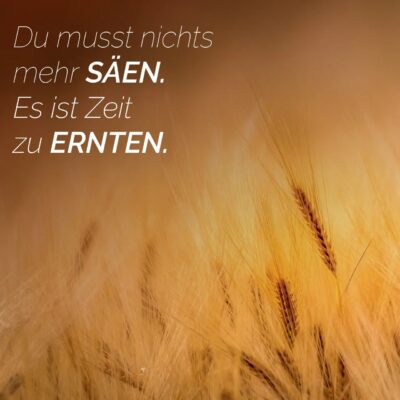
By the way: The old character for "brooding" depicts a field above a heart—a field that is never harvested.
📌 Even more for you
How's your core?
🌿 Do the free TCM analysis 👉 www.meine-tcm.com/tcm-analyse
📜 Letter from the Yellow Emperor
Once a month, he’ll send you a personal message with practical nutrition tips, simple recipes, and Eastern wisdom—all in language everyone can understand. Subscribe for free:
👉 www.meine-tcm.com/newsletter-anmeldung
Want to start the week off with some exercise?
🧘 Live Qi Gong — every Monday, let's practice together:
👉 www.meine-tcm.com/live-qi-gong-klasse
„What can’t be solved in the mind can sometimes be solved with the legs.“