







When exhaustion becomes inner emptiness
Causes, symptoms & daily routine

Exhaustion is not a failure. It is a call back to you.
💭 Maybe you know this:
- You don't wake up feeling refreshed - even though you've slept enough.
- You function - but hardly feel yourself.
- You withdraw - not out of defiance, but out of an inner lack.
- You ask yourself: How much longer? - and have no answer.
This is no mystery in traditional Chinese medicine.
It is a sign that your Jing, your essence, is exhausted.
🕯️ Jing - the inner light that carries you
In TCM, Jing (精) is the deepest form of energy in humans.
You receive it at birth - fed by your parents' inheritance.
It is located in the water element, in the functional circle of the kidneys - your origin, your source, your innermost reservoir.
Jing is:
- your life force when nothing else helps
- Your biological rhythm that allows you to age healthily
- Your inner support in times of stress, grief or crisis
But Jing is precious. And not inexhaustible.
📉 What weakens Jing:
- Chronic stress, overwork, constant tension
- Too little sleep, too many stimuli, too many obligations
- lange Belastungsphasen oder emotionale Verletzungen
- Irregular meals, too much cold or dryness
⚠️ Zeichen für einen Jing–Mangel aus TCM–Sicht
- anhaltende Erschöpfung, die auch durch Schlaf nicht besser wird
- kalte Hände & Füße, schnelles Frösteln
- frühzeitiges Ergrauen, das Gefühl von wenig innerer Reserve
- Schwäche und Kälte im unteren Rücken (der Nieren–Bereich der TCM)
- emotionale Leere, innere Unruhe, Konzentration fällt schwer
- Vergesslichkeit, das Gefühl, neben sich zu stehen
If you recognize yourself in it, it's time to pause.
Not to do more - but to live differently.
🧭 What you can do - the TCM perspective
1️⃣ Eat for your jing - not for the moment
Nourish your kidneys with deep, cooked food:
- Black beans, walnuts, sesame seeds, quinoa
- Chicken soup, lentil stew, power broths
- Root vegetables, miso soup, goji berries, dates
- Gently spiced dishes with cinnamon, fennel, ginger
☝️ Eat regularly, warmly and without distraction - this is food for your center and your Jing.
2️⃣ Warm yourself from the inside
Water and kidney energy need warmth - both physically and emotionally.
Avoid cold (also in food), wet clothing, clothing that is too thin in the evening.
💡 Hot water bottle on the lower back, keep the kidney area warm.
A warm foot bath with salt or lavender is also Jing–Pflege pure.
3️⃣ Silence is food
Jing does not regenerate through activity - but through stillness.
Consciously withdraw. Without feeling guilty.
- Breathing exercises in the morning
- 10 minutes of quiet sitting
- No screens before sleep
- and: a day without having to
🍂 Allow yourself to be less - to become yourself again.
4️⃣ Acupressure point: Kidney 3 - the spark in the water
📍 The Taixi point is located behind the medial malleolus, between the ankle and Achilles tendon.
In der TCM stärkt er das Jing, wärmt die Nieren und beruhigt das Herz.
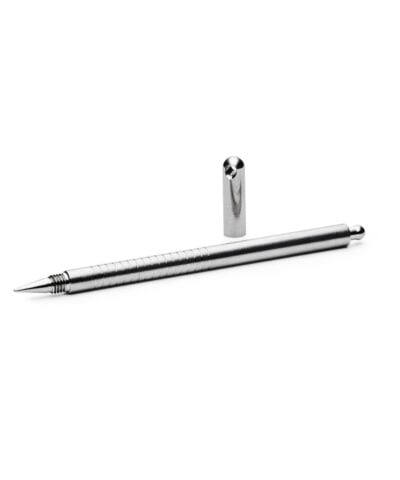
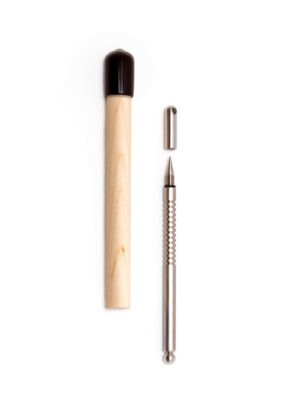
Täglich 1–2 Minuten sanft massieren — mit dem Zeigefinger oder einem Akupressur–Stift.
👇 Hier findest du die detaillierte Beschreibung:
www.meine-tcm.com/akupunkturpunkte/akupunkturpunkt-ni-03
🌅 Your Jing protection routine: a day that gives you back
Jing protection is not a theory. It is a practice.
Here is your specific daily routine - not a rigid program, but a framework that gives you back your strength:
MORNING (7:00 - 9:00 a.m.) - Wake up gently
🌤️ Instead of alarm and hectic:
- ein paar Minuten länger liegen bleiben, bewusst atmen
- vor dem Aufstehen: Hände auf den Nierenbereich legen, Wärme spüren
- 1 large glass of warm water (gently activates the kidneys)
🍚 The most important ritual: a cooked breakfast
According to TCM: „A hot breakfast is like a fire that burns all day long.“
TIP: Jing–nährendes Winter–Congee mit schwarzem Reis
You can find the link to the recipe below.
Alternative: Oatmeal with cinnamon, walnuts and dates
🚫 Avoid:
- Raw food, cold smoothies, muesli with cold milk
- Kaffee auf leeren Magen (zehrt an deiner Energie = Jing–Raub)
- Emails, news, social media before 9 a.m.
Why: Die Nieren regenerieren nachts. Ein hektischer, kalter Start zehrt sofort am Jing – das Gegenteil von dem, was du brauchst.
VORMITTAG (9:00 — 12:00 Uhr) — Arbeiten mit Achtsamkeit
💧 Every 90 minutes:
- 5-minute break
- massiere Niere 3 (Taixi) — 1 Minute je Seite
- trinke warmen Ingwertee (2–3 Scheiben frischer Ingwer mit heißem Wasser)
☕ Ginger tip: Ingwer wärmt die Mitte und aktiviert die Verdauung. Der Vormittag ist die beste Zeit für Ingwer!
⚠️ Important: Do not drink ginger after 3 pm! Ginger is strongly yang-activating and can disturb your sleep in the evening. After 3 p.m.: Switch to fennel tea or simply warm water.
🧥 Preserve warmth:
- Keep the kidney area warm (kidney warmer, thicker shirt, scarf around the hips)
- keine Zugluft, keine kalten Räume
- warme Socken (auch im Büro!)
Why: Dauernde Anspannung ohne Pausen erschöpft Qi und Jing. Die Nieren brauchen Wärme und Rhythmus.
WEDNESDAY (12:00 - 13:30) - Nourish without haste
🍲 A hot lunch is mandatory
- Soup, stew, boiled vegetables with rice
- NO quick snacks at your desk
- NO cold salads or sandwiches
🚶 15 minutes digestion break:
- kurzer Spaziergang ODER
- ruhig sitzen, nichts tun
- die Milz braucht Ruhe, um zu transformieren
Why: The spleen produces Qi from food. Stress while eating = weak spleen = less Qi = more Jing consumption. Everything is connected.
AFTERNOON (15:00 - 17:00) - The critical phase
🫖 3-5 pm = bubble time in the organ clock
The bladder prepares for kidney time (5-7 pm). This is when you decide how much Jing you will consume today.
Your ritual:
- 15:30: Hot water bottle on the lower back (10-15 minutes)
- warmer Tee, keine Kaltgetränke
- wenn möglich: 20 Minuten hinlegen oder ruhig sitzen
⚠️ NO more ginger tea after 3 pm! (disturbs sleep) - Instead: Fennel tea, chrysanthemum tea or warm water
If you work:
- zieh dich kurz zurück (Toilette, Teeküche)
- schließe die Augen, atme 10x tief bis in den Bauch
- massiere Niere 3
Why: In dieser Zeit greift der Körper auf Jing zurück, wenn er keine andere Energiequelle hat. Unterstütze ihn durch Wärme und Ruhe – so schonst du deine Reserven.
EVENING (18:00 - 22:00) - The regeneration zone
🌙 6:00 pm: Light, warm dinner
- Soup, steamed vegetables, possibly a small portion of rice
- nichts Schweres, nichts Rohes
- spätestens um 19:00 Uhr gegessen
Why: Der Körper braucht ein paar Stunden, um zu verdauen, bevor du schlafen gehst. Spätes oder schweres Essen zehrt am Jing.
🛁 20:00: Foot bath ritual (15 minutes)
Warm water (38-40°C) with:
- 2 tbsp sea salt
- 3 drops of lavender oil (optional)
Why: Die Füße sind der Endpunkt der Nieren–Meridiane. Ein Fußbad wärmt die Nieren, hilft dem Körper herunterzufahren und bereitet den Schlaf vor.
After that: Massage kidney 3 - 2 minutes per side, with a warm finger (optionally with sesame oil), in a circular motion.
📵 21:00: Screens off
No cell phone, no laptop, no TV, no cold light.
Instead:
- warmes gedimmtes Licht
- ein Buch lesen
- leise Musik
- Breathing exercise (4-7-8 breathing: inhale for 4 seconds, hold for 7 seconds, exhale for 8 seconds)
- mit dem Partner reden
- einfach nichts tun
Why: Blue light inhibits melatonin. Stimuli in the evening prevent your nervous system from switching to rest mode. Jing only regenerates in silence.
😴 22:00 - 22:30: In bed, lights off
At least 7.5 hours sleep (preferably 8).
Optimize your sleep:
- Room dark and cool (18°C)
- Kidney area warm (thicker blanket or hot water bottle at the foot end)
- keine Gedanken über morgen — lass los
Why: Zwischen 23:00 und 3:00 Uhr regeneriert Jing am stärksten. Jede Stunde Schlaf vor Mitternacht zählt in der TCM besonders.
🧘 Addition: The „do nothing day“ (1x per week)
Jing does not regenerate through activity - but through stillness.
Once a week:
- keine Termine
- keine Verpflichtungen
- kein „Ich sollte…“
Only:
- langsam aufstehen
- Eat congee
- spazierengehen
- lesen
- dösen
- wieder ins Bett gehen, wenn du müde bist
Allow yourself to be less - to become yourself again.
🍚 Recipe tip: Das komplette Rezept für das Jing–nährende Winter–Congee findest du in unserem ausführlichen Artikel 👇 :
www.meine-tcm.com/winter-congee-gegen-erschoepfung
You can also find out there:
- warum schwarzer Reis in der TCM als kraftvoll für die Nieren gilt
- wie du das Congee für die ganze Woche vorkochst
- welche Variationen es für unterschiedliche Bedürfnisse gibt
💛 Conclusion
This is not a perfectionism program.
It is an invitation.
Start with ONE thing:
— dem warmen Frühstück.
— dem Fußbad am Abend.
— der einen Pause am Nachmittag.
Jing does not regenerate overnight.
But it regenerates - layer by layer.
When you hear the call of your kidneys,
you can come back to yourself.
Sometimes strength begins exactly where we stop fighting - and begin to understand.
Author: Unknown
More interesting tips & articles
TCM tip of the week
Kaum ist es geschafft, liegst du flach
Wochenlang hältst du durch, und kaum ist der Umzug oder das Projekt geschafft, kratzt der Hals. Warum die Abwehr ausgerechnet in…
Oct

TCM tip of the week
Warum du im Herbst öfter seufzt
Manchmal seufzt du, ohne zu wissen, warum. Es ist, als wollte etwas heraus, das du nie ausgesprochen hast. Das ganze Jahr…
Sep

Sep


Our most popular products






Back pain