







Mu Er — Wood Ear Mushroom
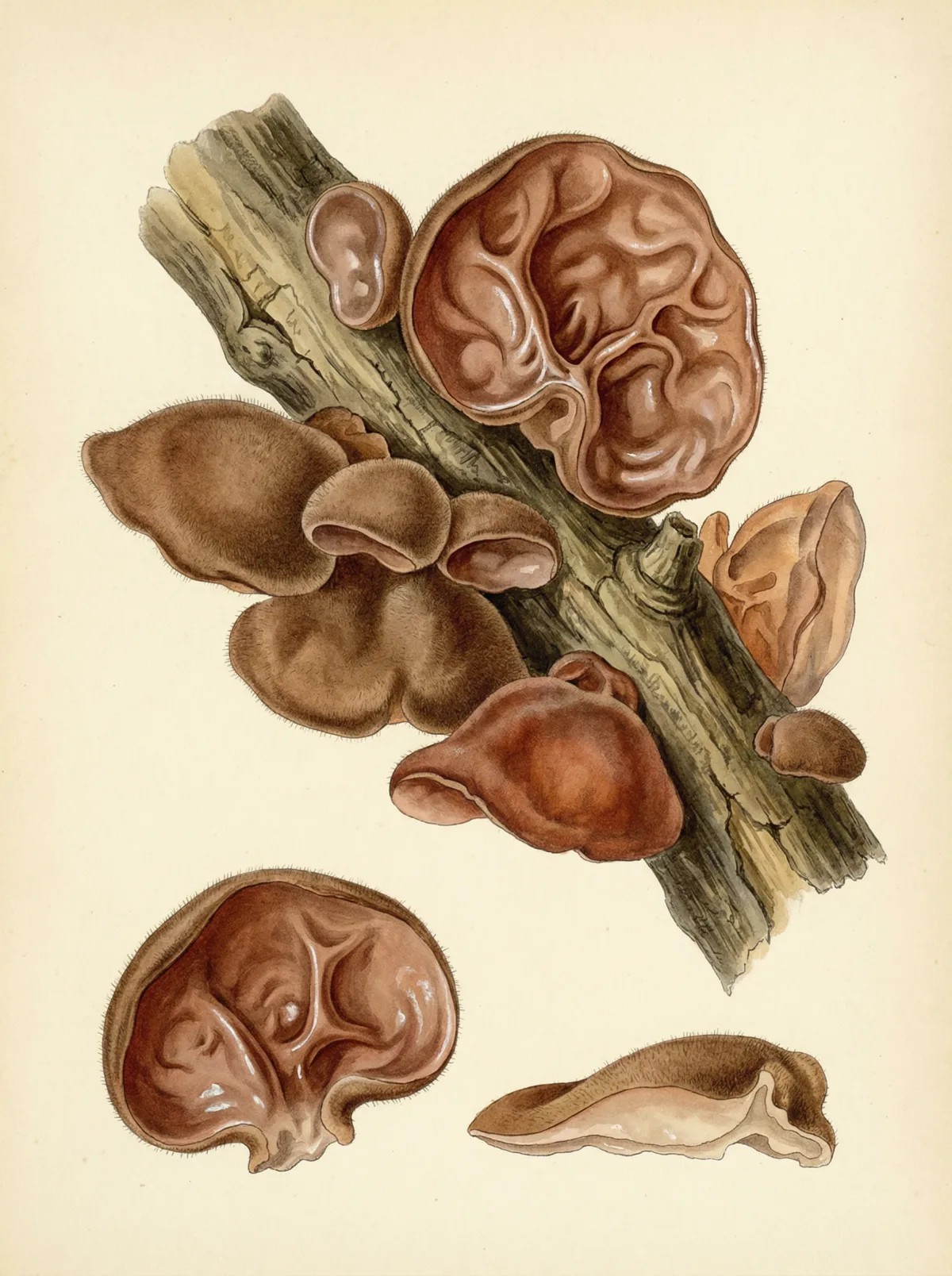
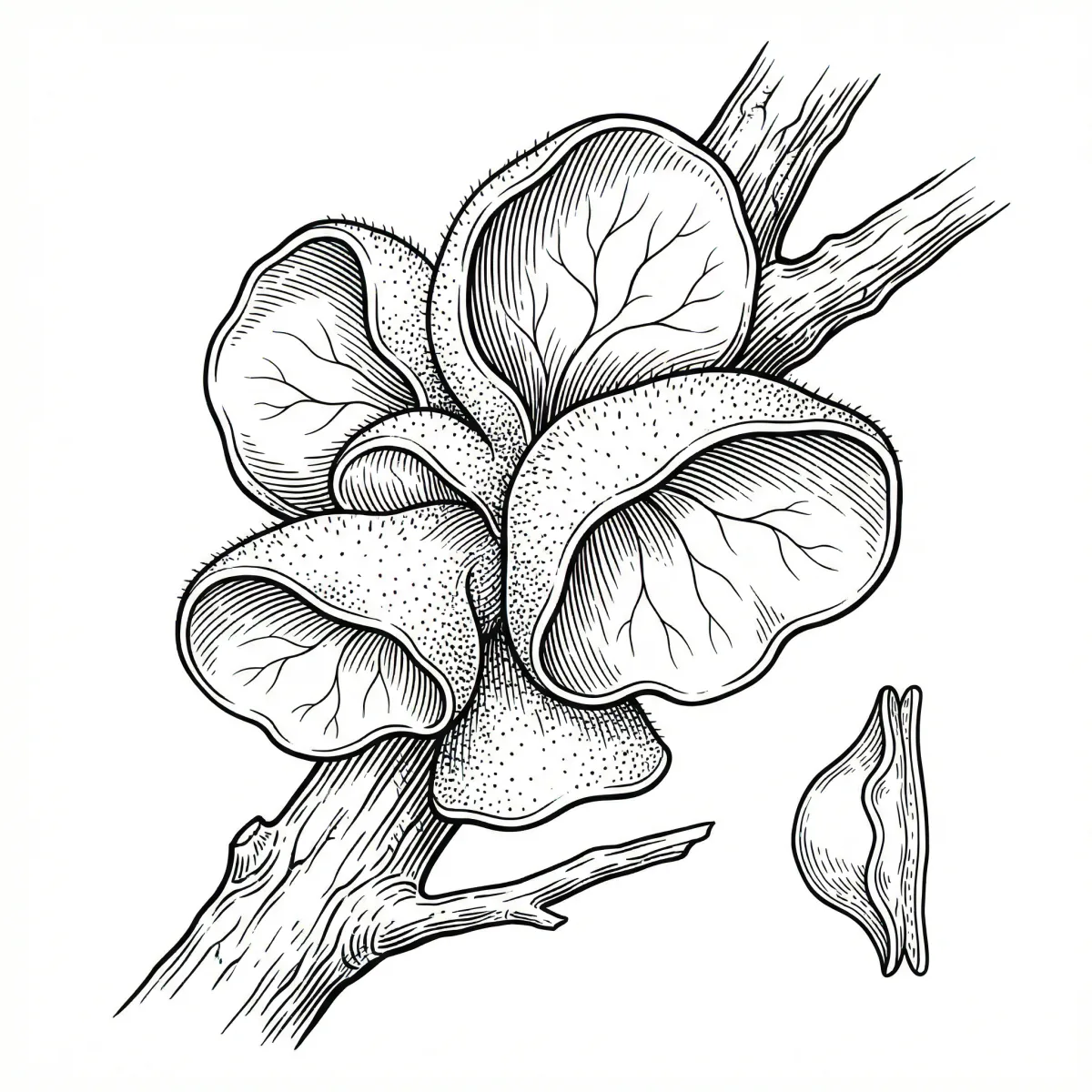
Mu Er — der Holzohrpilz — ist ein mildes, nahrungsnahes Kräutermittel, das Blut nährt, Yin befeuchtet und Blutstagnation sanft auflöst.
Als Nahrungsmittel und Mittel zugleich ist er fester Bestandteil der chinesischen Küche und Medizin. Besonders geschätzt bei Anemia mit Trockenheit und bei Neigung zu Blutgerinnseln.
Effect from a TCM perspective
Mu Er nährt das Blut und befeuchtet das Yin. Er belebt das Blut und löst sanft Stagnation auf. Zusätzlich befeuchtet er den Darm und unterstützt den Stuhlgang bei Trockenheit im Unteren Erwärmer.
- Nährt das Blut — bei Blut–Mangel mit blasser Gesichtsfarbe und Müdigkeit
- Belebt das Blut und löst Stagnation — schützt die Gefäße vor Blut–Stase
- Befeuchtet Yin und den Darm — bei Trockenheit
- Cools the blood und hält es in den Gefäßen (Zhǐ Xuè) — im unteren Erwärmer bei Hitze im Blut, etwa im Uterus
- Nährt den Magen–Yin — bei Trockenheit im Mund und Magen
Application & dosage
- 6–12 g im Decoction (getrocknet)
- As Nahrungsmittel: 15–30 g (eingeweicht) in Suppen und Gerichten
- As Powder: 3–5 g täglich
Dosage forms
- Decoction
- Nahrungsmittel (Suppe, Pfannengericht)
- Powder
- Granules
Dosage
- Decoct: 6–12 g (dried)
- Nahrungsmittel: 15–30 g (soaked)
Frequent combination partners
Mu Er often does not reach its full potential until it is combined with other herbs
History & Tradition
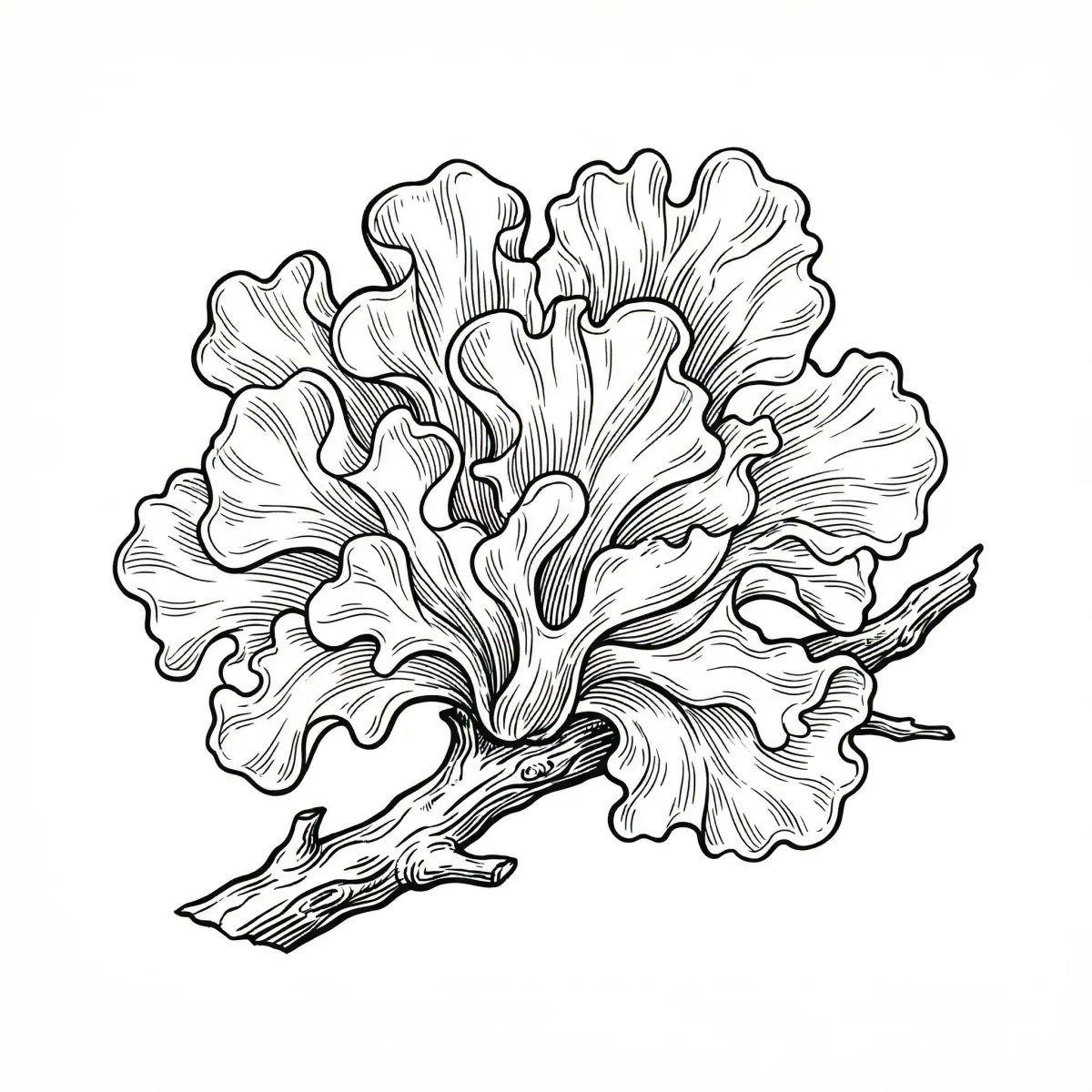
Mu Er wird seit der Han–Dynastie als Nahrungsmittel und Kraut verwendet. Sein Name 木耳 bedeutet wörtlich „Baumohren“ und beschreibt seine Form am Baumstamm. Im Běn Cǎo Gāng Mù unterscheidet Li Shizhen schwarzen Mu Er (Hei Mu Er) von weißem Mu Er (Bai Mu Er/Yin Er) — beide nähren das Blut, aber Hei Mu Er belebt es zusätzlich.
Mu Er has been an indispensable ingredient in Chinese cuisine for centuries—it gives soups and stir-fries a distinctive, crunchy texture and is also prized as a blood-nourishing food.
Contraindications & caution
- Interactions: Vorsicht bei Einnahme von Blutverdünnern (Warfarin, Aspirin) — additive gerinnungshemmende Wirkung.
- Operationen: Nicht vor Operationen in hoher Dosis.
- Preparation: Rohe, nicht eingeweichte Pilze können Verdauungsbeschwerden verursachen.
- Milz–Kälte: Bei Milz–Kälte anfänglich niedrig dosieren.
Botany
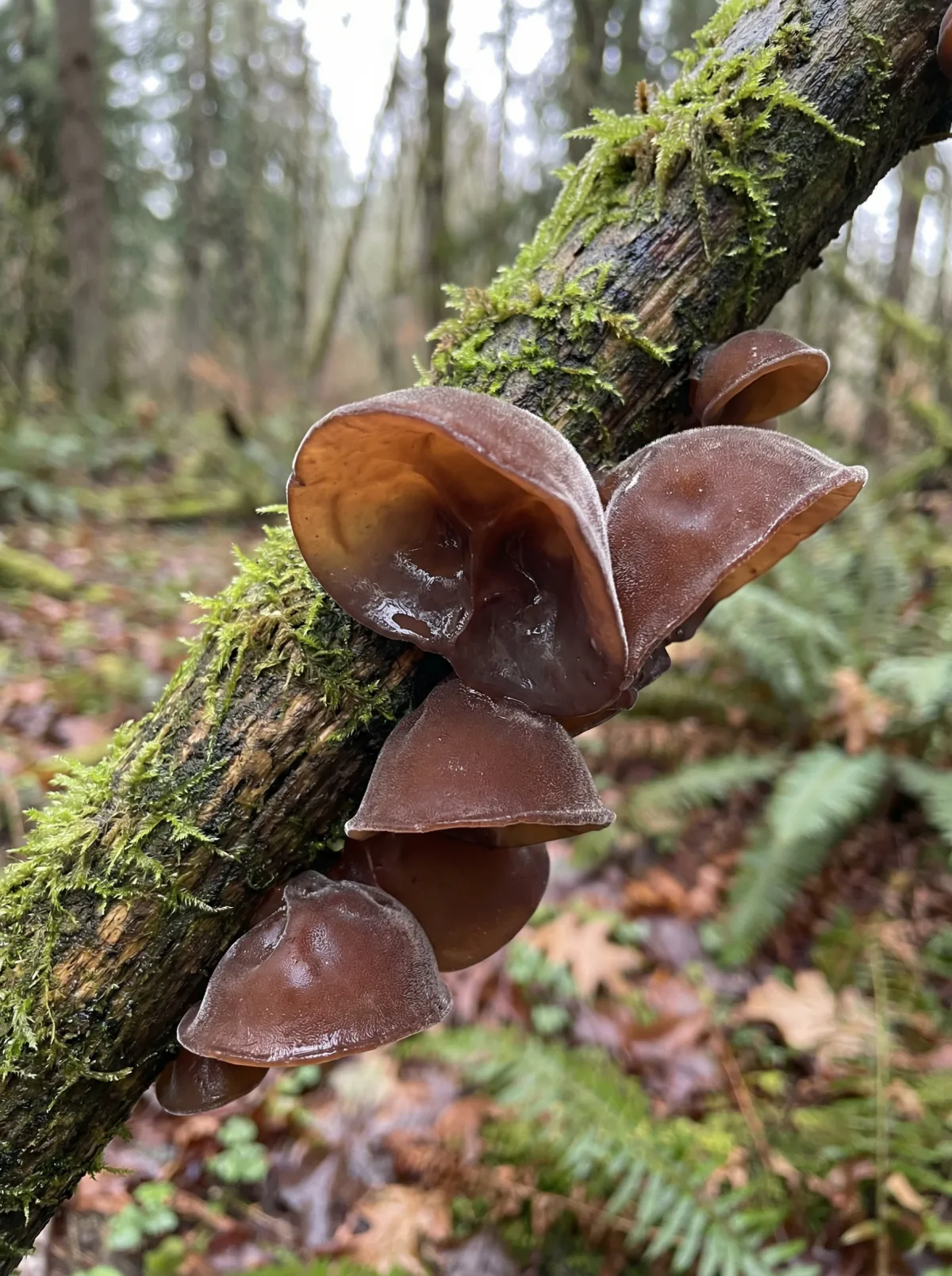
Auricularia auricula-judae (syn. Auricularia polytricha) ist ein Gallertpilz aus der Familie der Auriculariaceae. Der Fruchtkörper ist ohr– bis muscherförmig, 3–10 cm breit, gallertartig und dunkelbraun bis schwarz.
Distribution: Found worldwide on deciduous trees, particularly elderberry and maple. Cultivated in China on tree trunks and substrates. Main cultivation areas are in Heilongjiang, Jilin, and Hubei.
Harvest time
Year-round (cultivated)
Processing
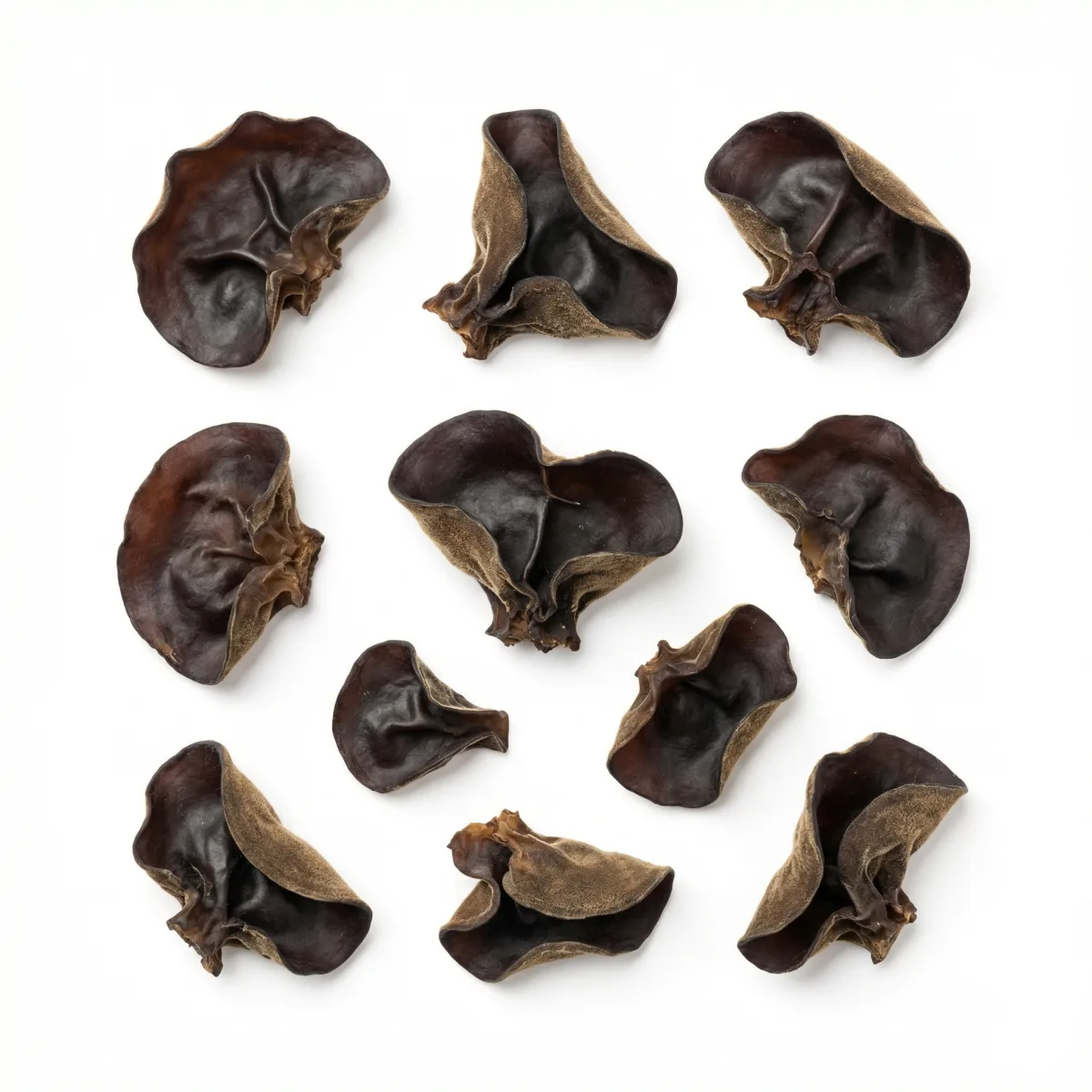
Dried; soak in water before use (30–60 min.)
Related herbs
Herbs with similar effects and related areas of application