





Lu Gen — Reed Root

The cool reed rhizome, which clears lung heat and generates body fluids

Lu Gen grows in water and brings this cooling moisture into the body: It clears lung heat, generates body fluids, and drains pus—an unassuming rhizome with a surprisingly profound effect.

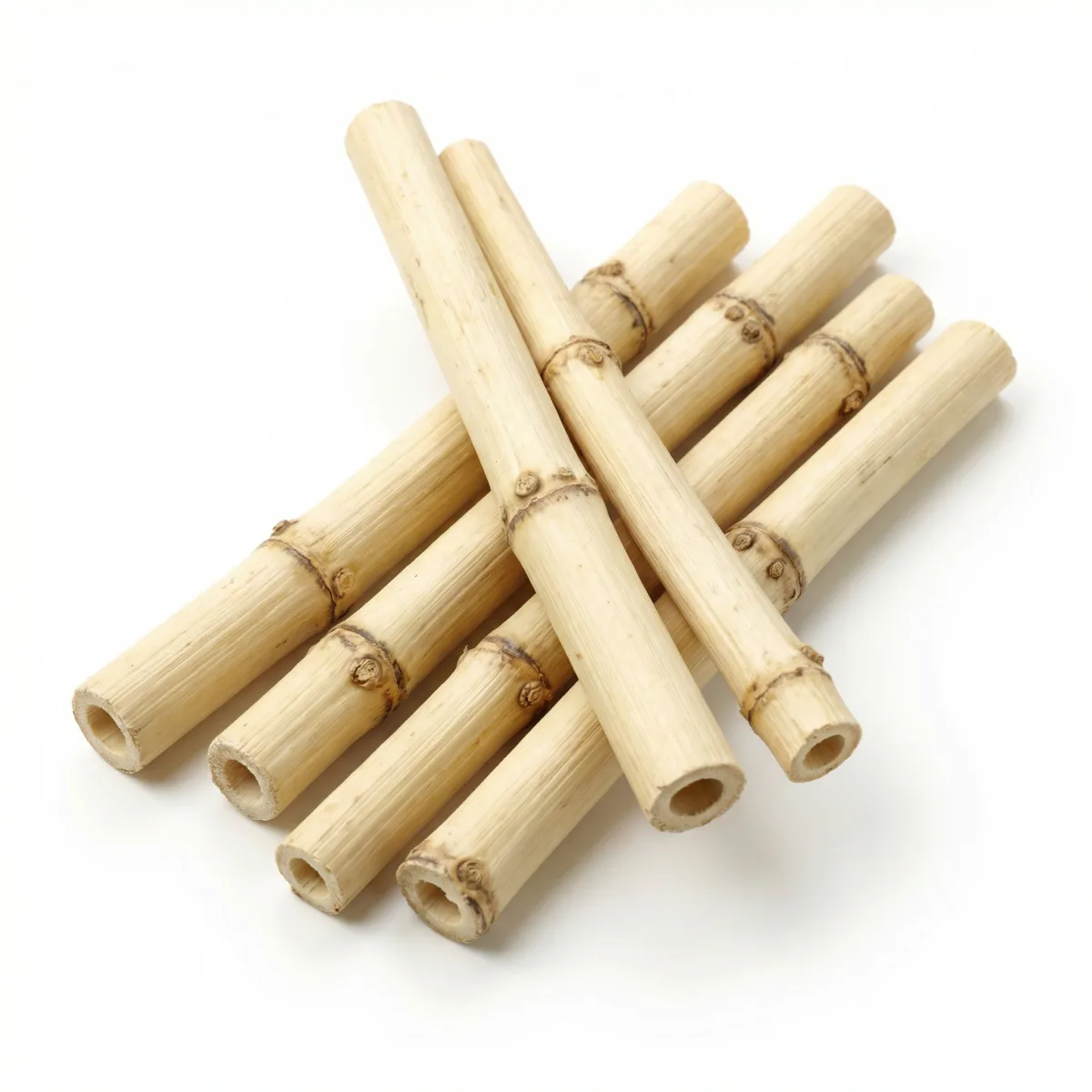
reed root Phragmitis Rhizome Ashine Lu Gen

Flavor Sweet
Temperature Cold
Meridian Lungs, stomach
Plant part rhizome
Class Middle class
Direction of action Clarifying

Helps with Heat

Lu Gen—the reed rhizome—is a mild, sweet, and strongly cooling herb that clears heat from the lungs and stomach. It generates body fluids to relieve thirst and dryness, promotes urination, and helps drain pus from the lungs. It is particularly valued for febrile illnesses accompanied by severe thirst.

Effect from a Western perspective

Lu Gen contains asparagine, polysaccharides, coixol, and organic acids. Studies show that it has antiemetic, antipyretic, and antibacterial effects.

  • Fever-reducing: Promotes sweating and heat dissipation
  • Antiemetic: Relaxes the stomach muscles to relieve hiccups and vomiting
  • Antibacterial: Inhibits Staphylococcus aureus and Streptococcus
  • Diuretic: Promotes urine output in cases of urinary tract infections
  • Antioxidant: Protects the lung lining from oxidative stress

Effect from a TCM perspective

Lu Gen clears heat and generates body fluids. It cools the lungs, drains pus, and reduces counterflow of stomach qi. It is particularly effective for lung heat with cough and for stomach heat with thirst and vomiting.

  • Clears lung heat (cough with yellow sputum)
  • Produces bodily fluids when you have a fever and feel thirsty
  • Drains pus in cases of lung abscess (Wei Jing Tang)
  • Reduces counterflow of stomach qi (hiccups, nausea caused by heat)
  • Promotes urination in cases of heat-Lin syndrome
TCM Application: Lu Gen

Application & dosage

  • 15–30 g in a decoction (standard dose)
  • Fresh: 30–60 g (double the dose due to higher water content)
  • Fresh juice: 30–60 ml

Dosage forms

  • Decoction
  • fresh juice
  • Granules

Dosage

  • 15–30 g (dried)
  • 30–60 g (fresh)

Frequent combination partners

Lu Gen often does not reach its full potential until it is combined with other herbs
Combinations & formulas

  • With Yi Yi Ren, Dong Gua Ren, and Tao Ren forms Lu Gen The Wei Jing Tang formula—the primary formula for lung abscess with purulent sputum.
  • When combined with Mai Men Dong and Tian Hua Fen, it promotes the production of body fluids during febrile illnesses accompanied by intense thirst.
  • With Zhu Ru It reduces counterflow of stomach qi in cases of hiccups and nausea caused by stomach heat.

History & Tradition

Lu Gen appears in the *Shén Nóng Běn Cǎo Jīng* and is frequently used in the Wēn Bìng school (theory of heat-related diseases). Wu Jutong uses it in his *Wei Jing Tang* to treat lung abscesses.

Zhang Zhongjing recommends fresh Lu Gen juice for persistent hiccups caused by stomach heat. In folk medicine, freshly squeezed reed juice is drunk as a cooling summer beverage—similar to sugarcane juice in tropical countries.

Contraindications & caution

Do not use in cases of spleen-stomach cold with diarrhea. Use with caution in cases of yang deficiency. High doses may cool the middle jiao. Fresh rhizome is more effective but harder to obtain.

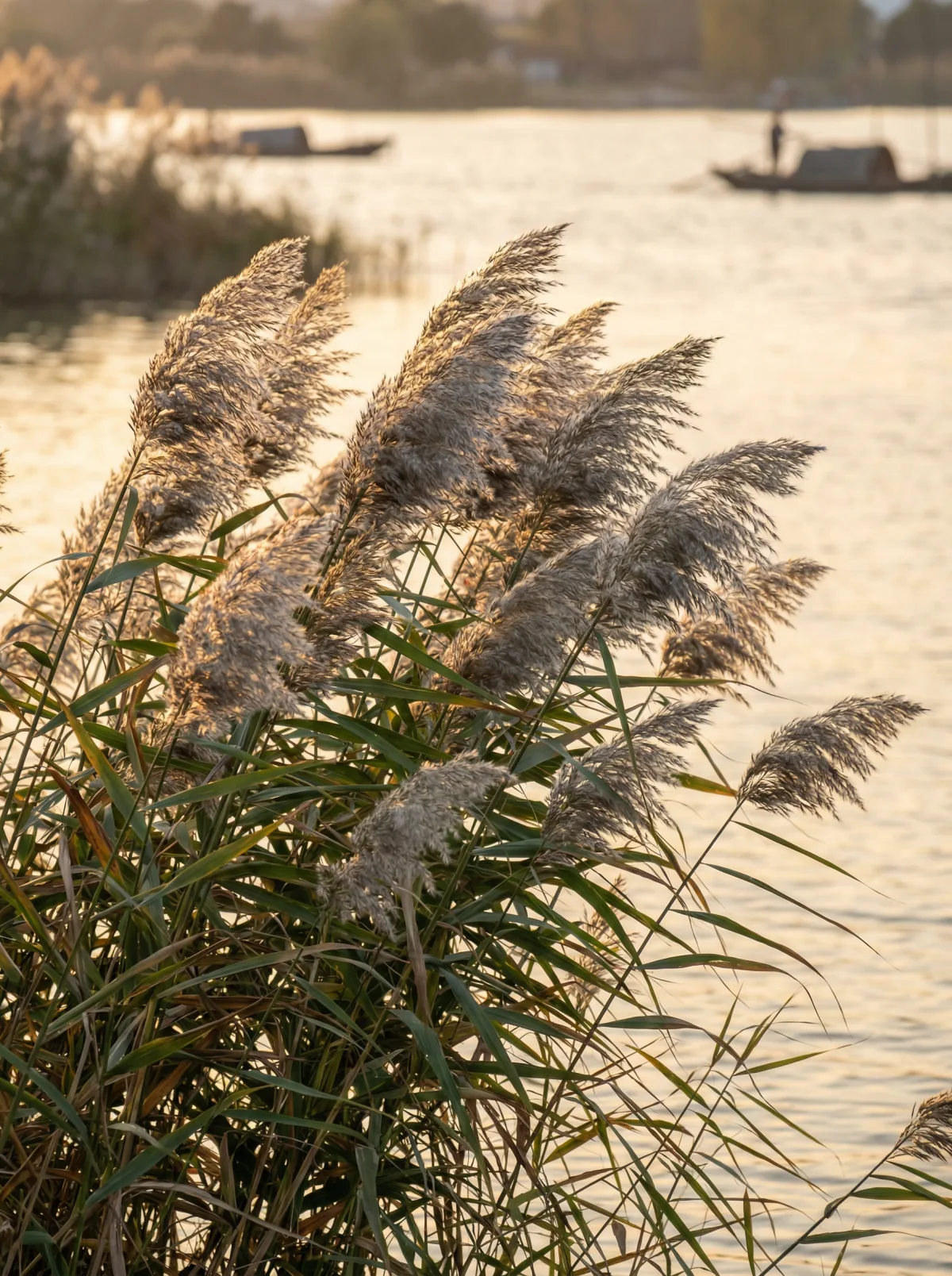
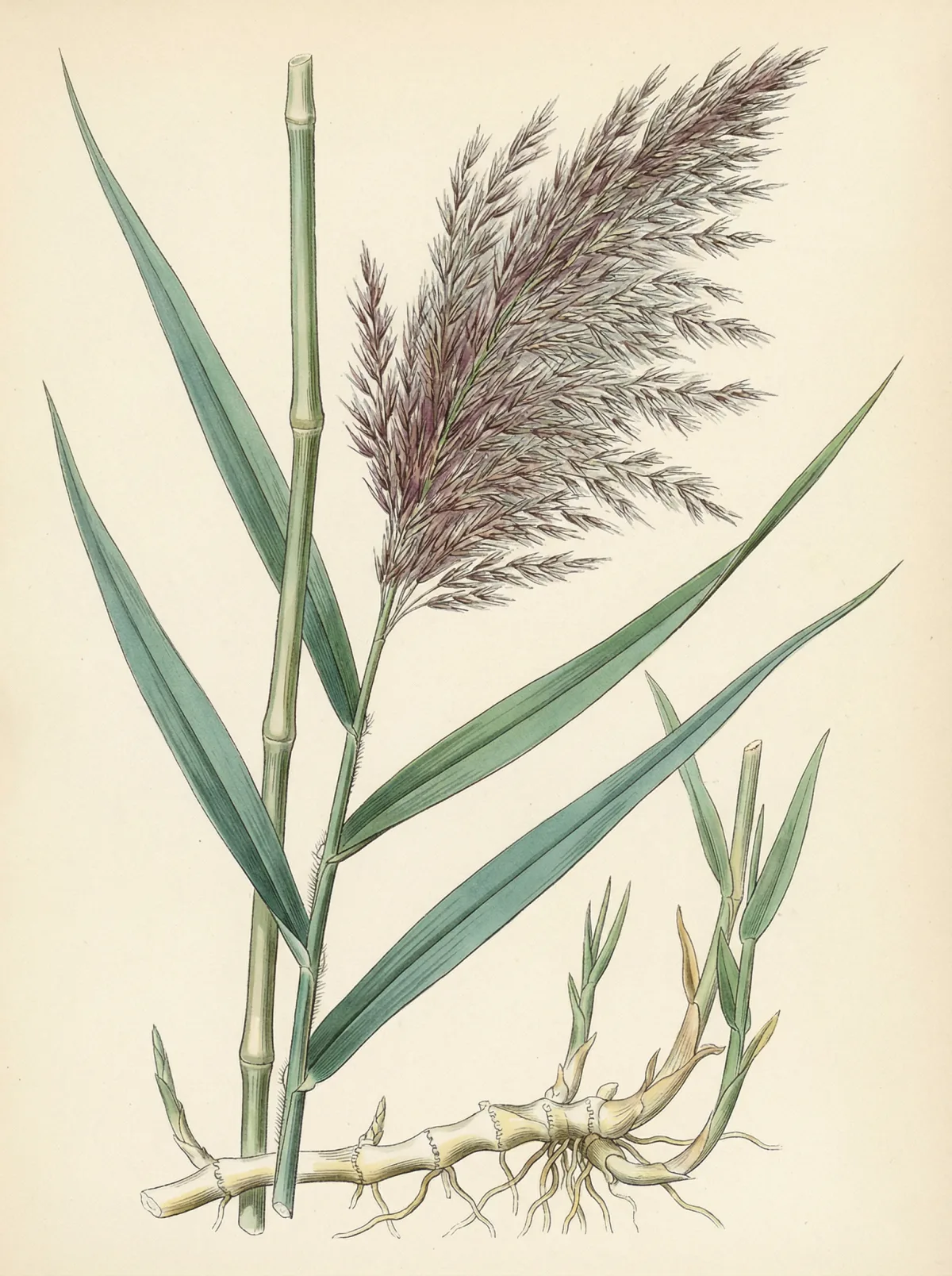
Plant photo: Lu Gen

Botany

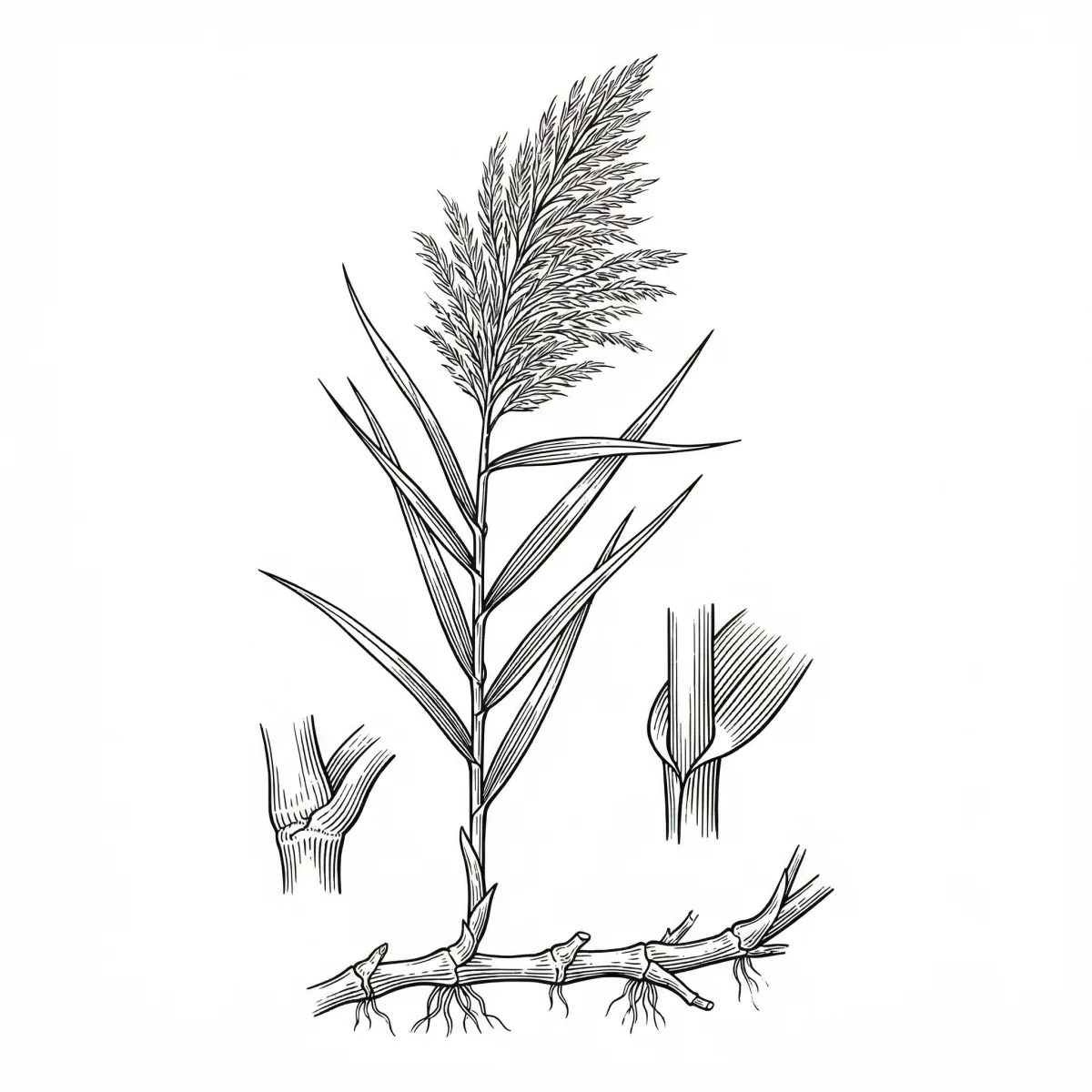
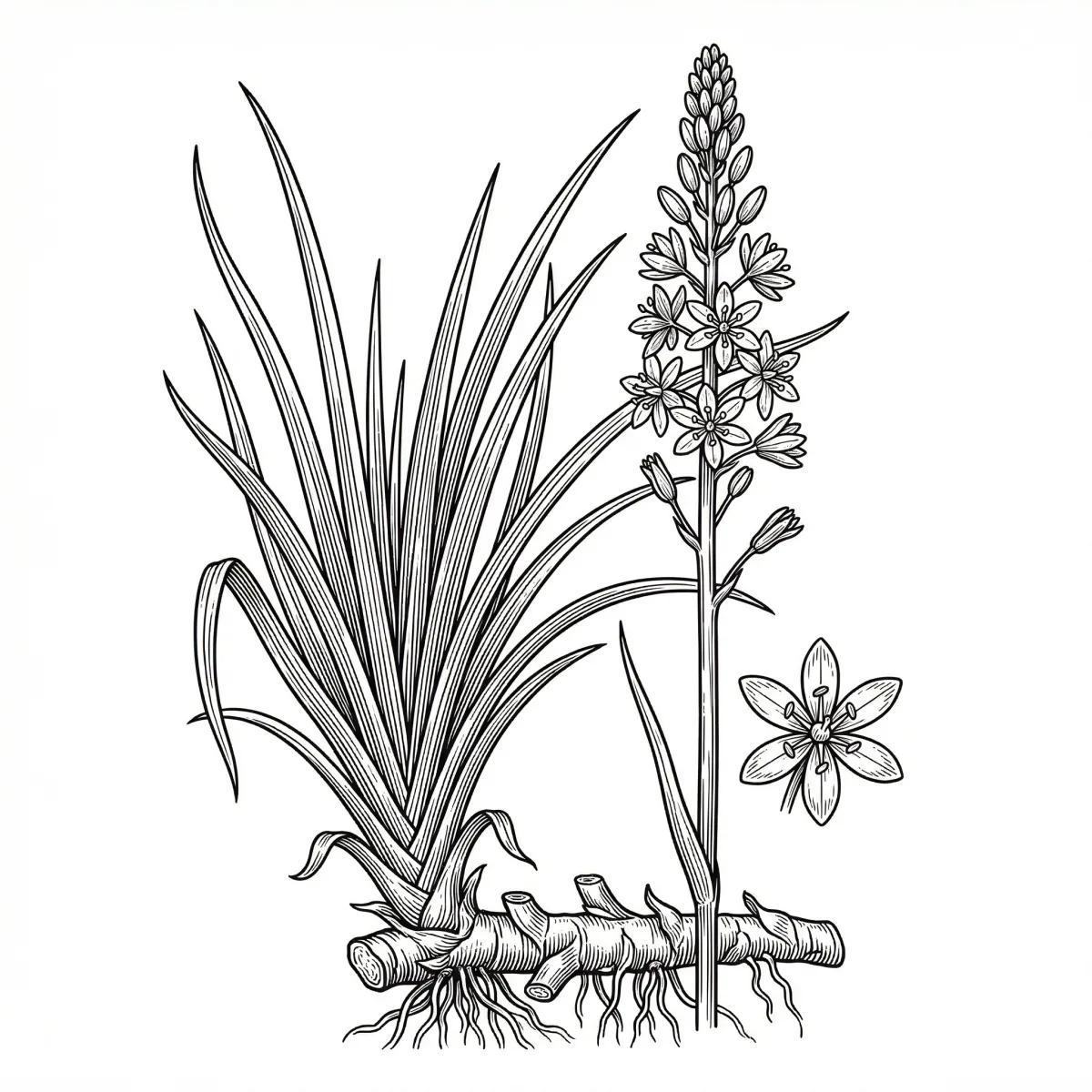
Phragmites communis (syn. Phragmites australis) is a perennial reed in the grass family (Poaceae). It grows to a height of 1–4 m and forms extensive stands along shorelines and in wetlands. The rhizome is long, creeping, and whitish.

Distribution: Found worldwide in temperate and subtropical zones. In China, it grows along rivers, lakes, and the edges of rice paddies. Harvested in spring or fall; preferably fresh.

Harvest time

Spring or Fall

Processing

Used fresh or dried; fresh is preferred for a stronger diuretic effect

Related herbs

Herbs with similar effects and related areas of application
Comparable western herbs

  • Common Reed (Phragmites australis) — botanically identical to Lu Gen; native to Europe and around the world along riverbanks, lakes, and wetlands; in European folk medicine, decoctions of the rhizome were used to treat fever, urinary problems, and gastrointestinal disorders, but this use has largely fallen into obscurity. Western analyses confirm the plant’s diuretic and antimicrobial properties.
  • Elderflowers (Sambucus nigra) — Europe’s classic diaphoretic and antipyretic remedy; native to forest edges and hedgerows; flavonoids and essential oils promote heat dissipation and alleviate the course of fever — very similar indications to Lu Gen for febrile illnesses accompanied by intense thirst. Well-documented evidence from folk medicine, pharmacologically plausible.
  • Linden blossoms (Tilia cordata / Tilia platyphyllos) — fever-reducing, diaphoretic, and mildly expectorant; commonly found in parks and along roads in Europe; Flavonoids and mucilage soothe the respiratory tract and promote heat dissipation — similar mechanism of action to Lu Gen in cases of lung heat with cough and fever. A tradition dating back thousands of years, but limited modern research.