






Mai Dong — Snake's Beard Root
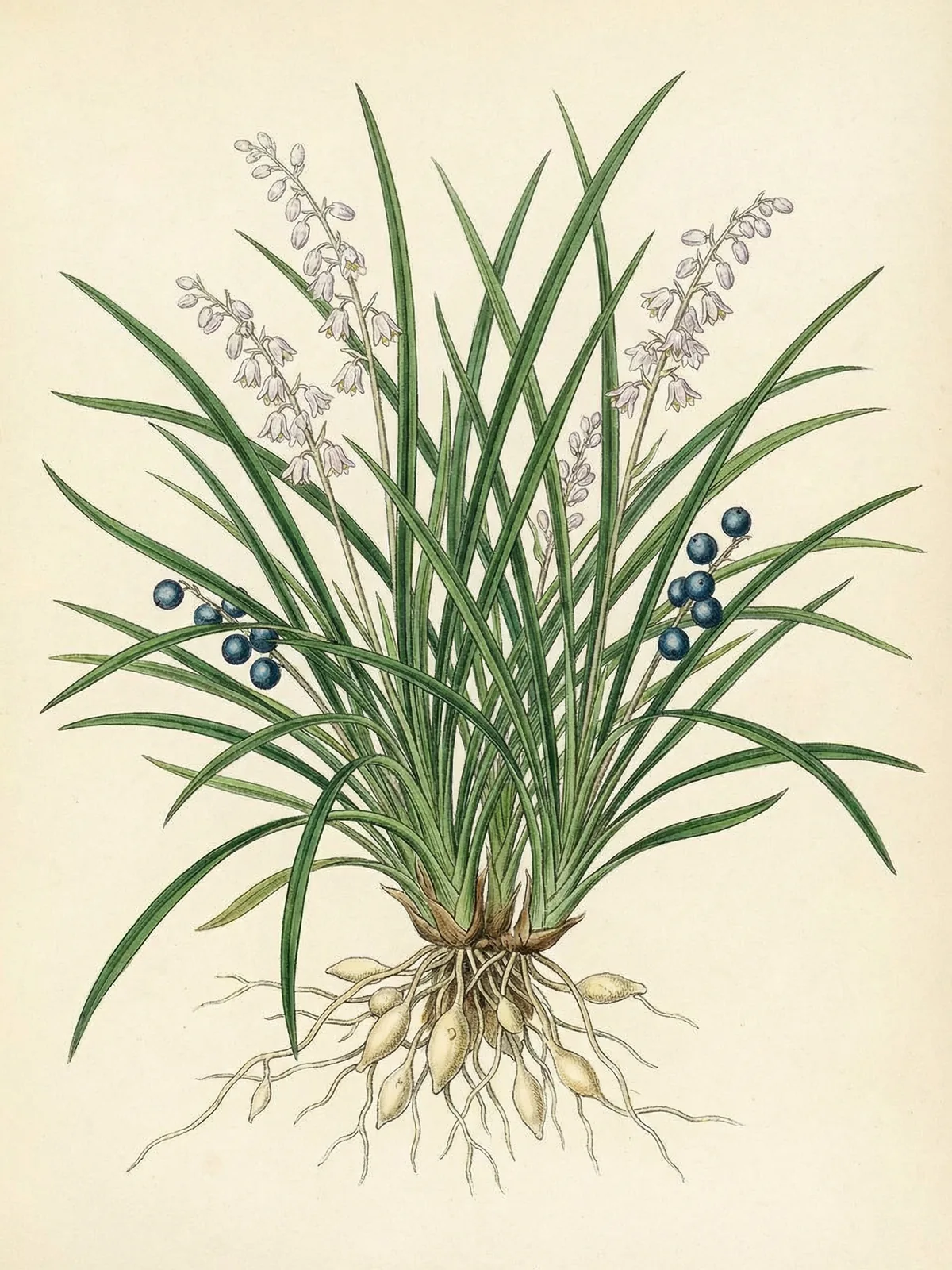
Mai Dong — die Wurzelknolle des Schlangenbartes — ist eines der wichtigsten Yin–nährenden Kräuter der TCM. Seit über 2000 Jahren wird es im Shén Nóng Běn Cǎo Jīng als Mittel der upper class geführt.
Mai Dong befeuchtet die Lunge, nährt das Magen–Yin und beruhigt den Geist — besonders bei trockener Lunge, Durst und innerer Unruhe durch Yin–Mangel.
Effect from a TCM perspective
Mai Dong nährt das Yin von Lunge, Magen und Herz. Es befeuchtet die Lunge bei Trockenheit — besonders bei Yin–Mangel mit zähem, spärlichem Schleim. Im Magen erzeugt es Körperflüssigkeiten und wirkt auf Durst sowie Mundtrockenheit. Über den Herz–Bezug beruhigt es den Shen — weshalb es bei Unruhe des Shen und Herzklopfen durch Yin–Mangel–Hitze eingesetzt wird.
- Nährt das Lungen–Yin und befeuchtet bei Trockenheit der Lunge mit zähem Schleim
- Erzeugt Körperflüssigkeiten und wirkt auf Durst bei Magen–Yin–Mangel
- Calms the Shen bei Unruhe des Shen und Herzklopfen durch Leere–Hitze
- Klärt Herz–Feuer und beruhigt innerliche Unruhe des Shen
- Befeuchtet den Darm bei Trockenheit des Darms durch Yin–Mangel
Application & dosage
6–12 g im Dekokt (Standarddosis). Bis 15 g bei starkem Yin–Mangel. In der klassischen Rezeptur, die Qi und Yin nährt: 9 g als Standarddosis.
Granules: 2–4 g täglich, aufgelöst in warmem Wasser. Tabletten/Kapseln: 1–2 g Extrakt täglich. Pulver: 3–6 g täglich, eingerührt in warmes Wasser oder Congee. Tinktur: 2–4 ml (1:5 Auszug), 2–3× täglich.
Dosage forms
- Decoction (20–30 Min.)
- Granules
- Tablets/Capsules
- Powder
- Congee (mit Reis als Brei)
- Tincture (1:5 Auszug)
Dosage
6–12 g (decoction)
Frequent combination partners
Mai Dong often does not reach its full potential until it is combined with other herbs
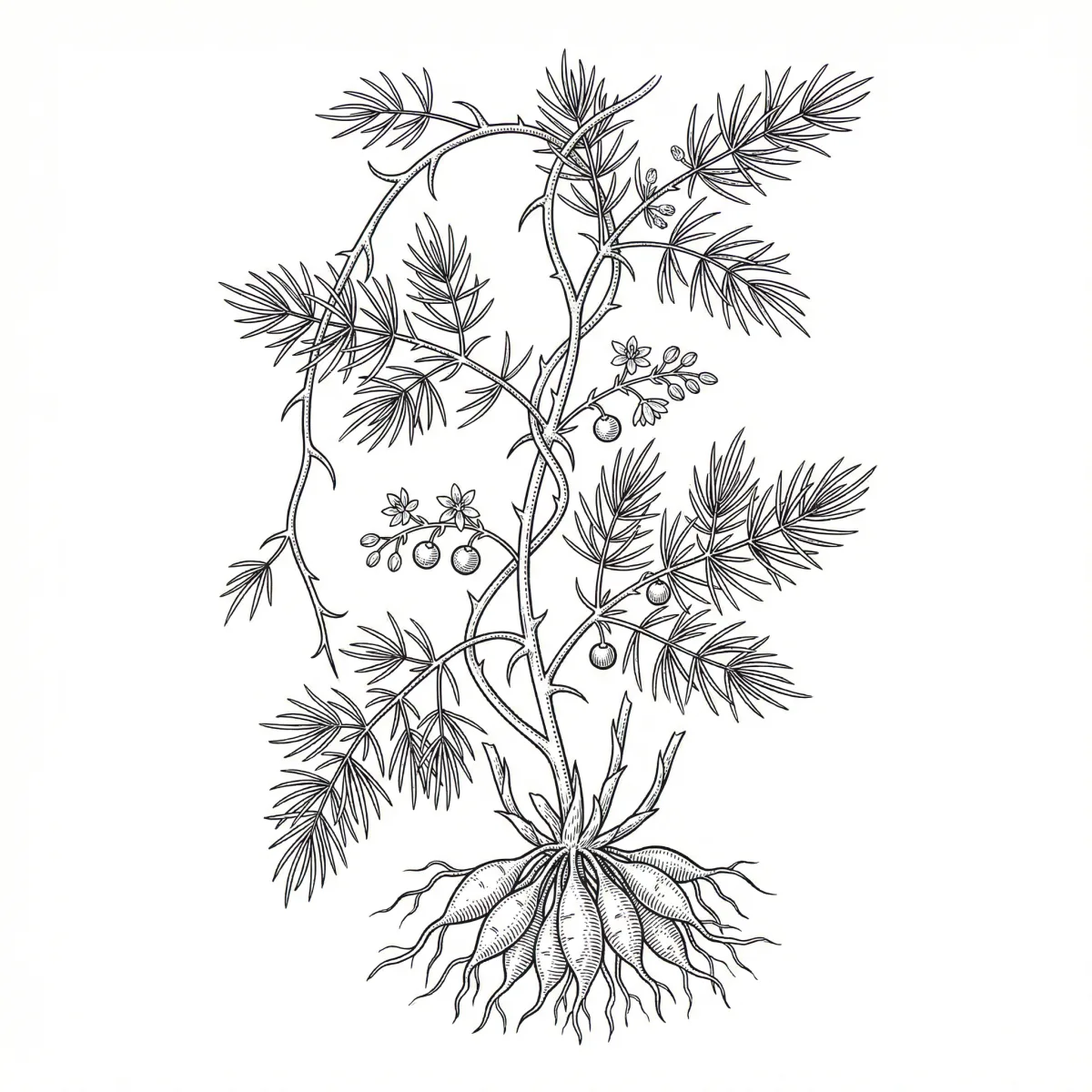
History & Tradition
Mai Dong wird erstmals im Shén Nóng Běn Cǎo Jīng als Kraut der oberen Klasse beschrieben — ein Mittel, das dauerhaft eingenommen werden kann, ohne Schaden zu verursachen.
In der Han–Dynastie erkannte Zhang Zhongjing die besondere Bedeutung von Mai Dong für die Lunge und machte es zur Kaiserdroge in seiner Rezeptur gegen Lungen–Yin–Mangel mit nicht absinkendem Lungen–Qi und trockener Kehle.
Während der Tang– und Song–Dynastie wurde Mai Dong zunehmend auch als Herz–Kraut geschätzt. Li Shizhen beschreibt im Běn Cǎo Gāng Mù seine Fähigkeit, das Herz–Yin zu nähren und den Geist zu beruhigen.
In Japan, it is known as Bakumondō and is an integral part of Kampo medicine.
Contraindications & caution
- Do not use if Spleen yang deficiency mit wässrigem Durchfall — Mai Dong kann durch seine befeuchtende Natur die Feuchtigkeit verschlimmern.
- Be careful with Kälte–Schleim in der Lunge mit reichlich weißem, wässrigem Auswurf.
- At Wind—Cold—Colds im Anfangsstadium ist Mai Dong ungeeignet.
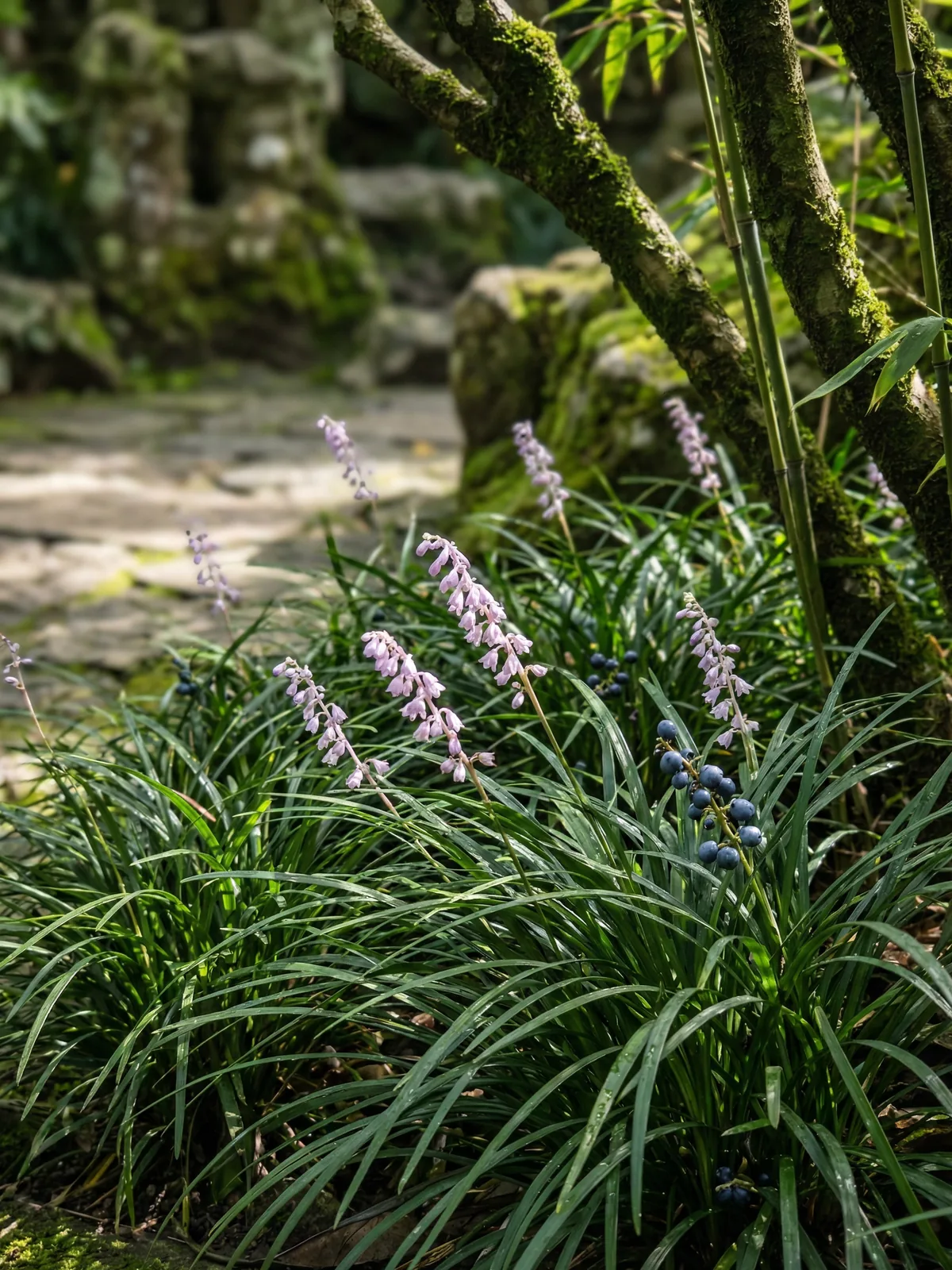
Botany
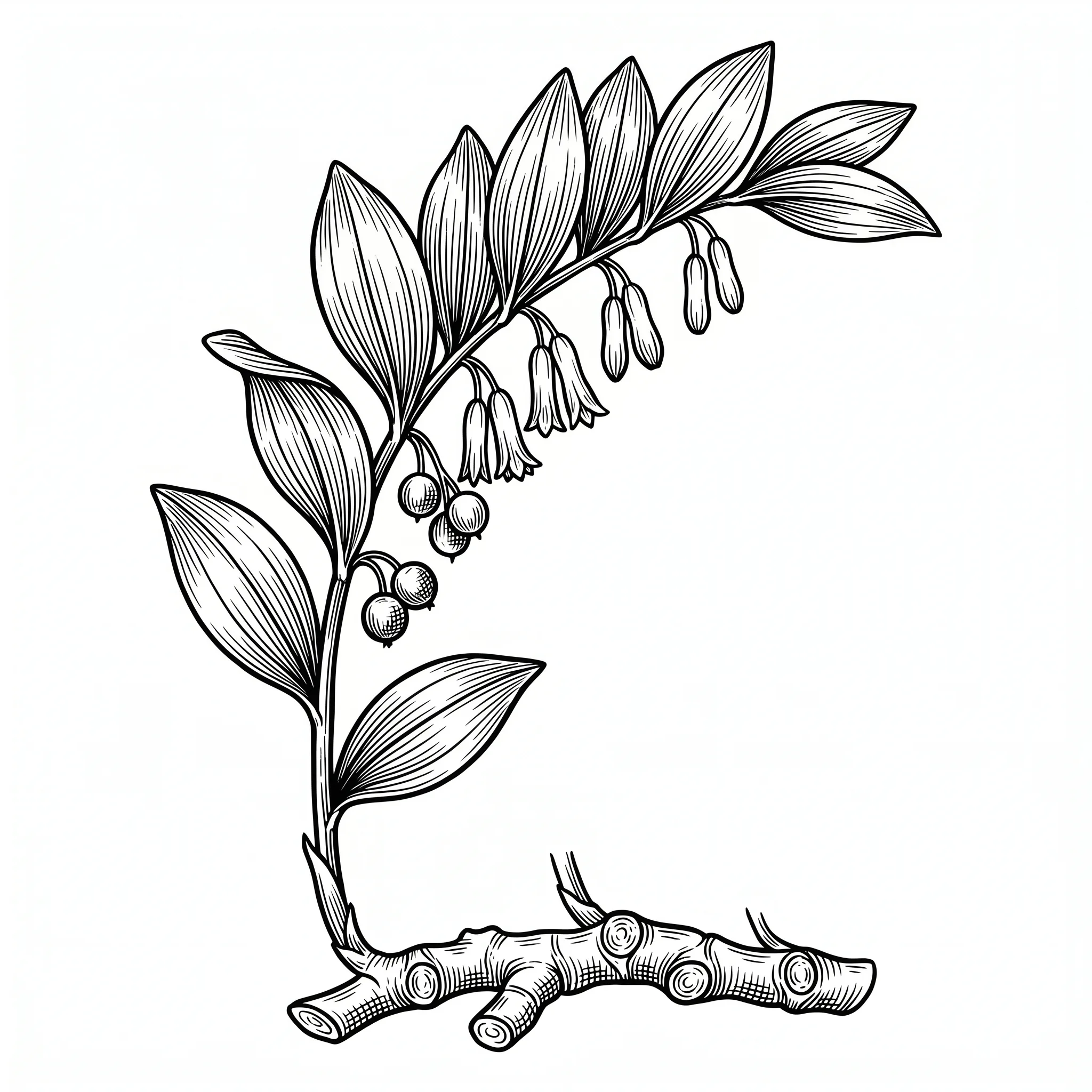
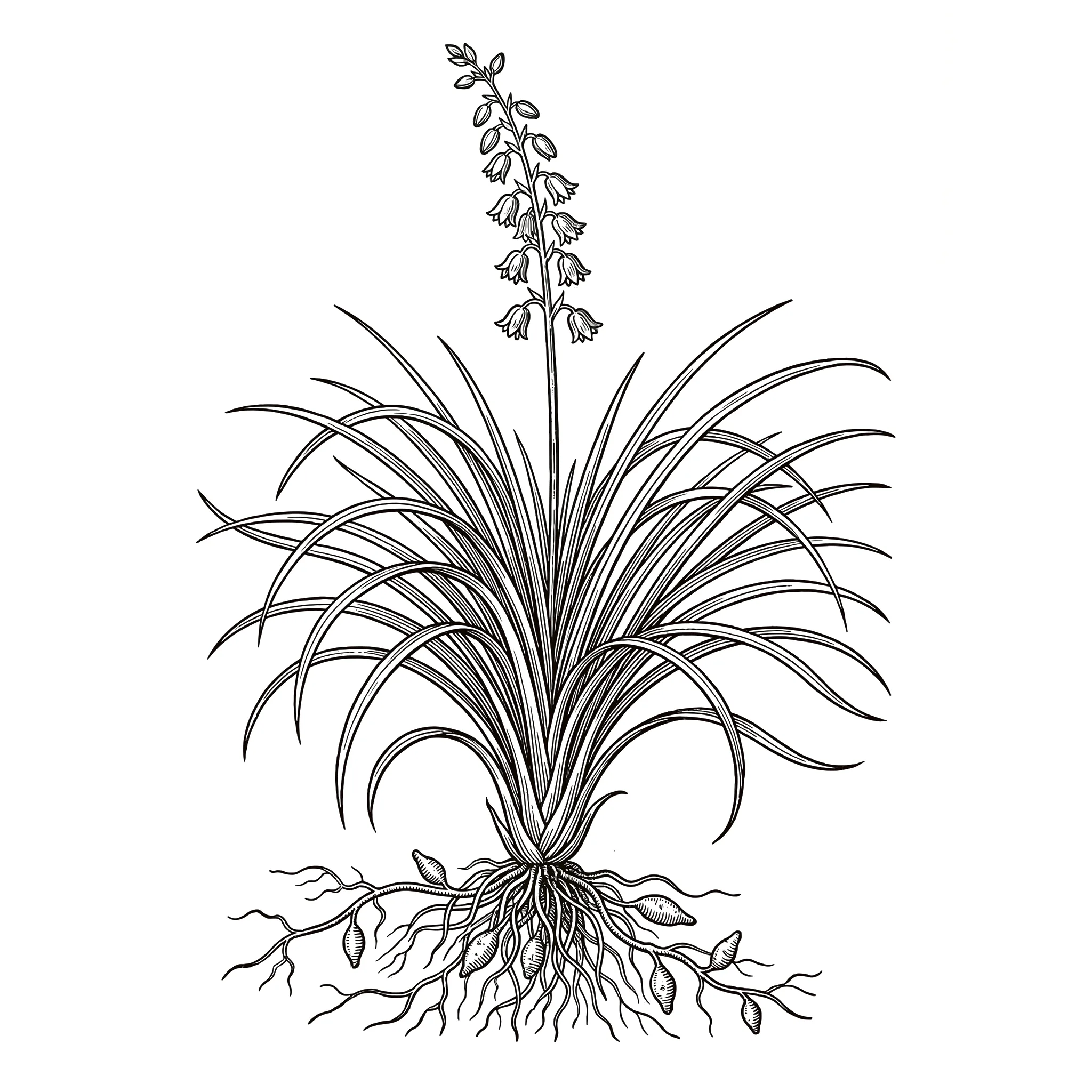
Ophiopogon japonicus ist eine immergrüne, grasartige Staude aus der Familie der Spargelgewächse (Asparagaceae). Die Pflanze bildet dichte Büschel schmaler, dunkelgrüner Blätter, die 20–40 cm lang werden.
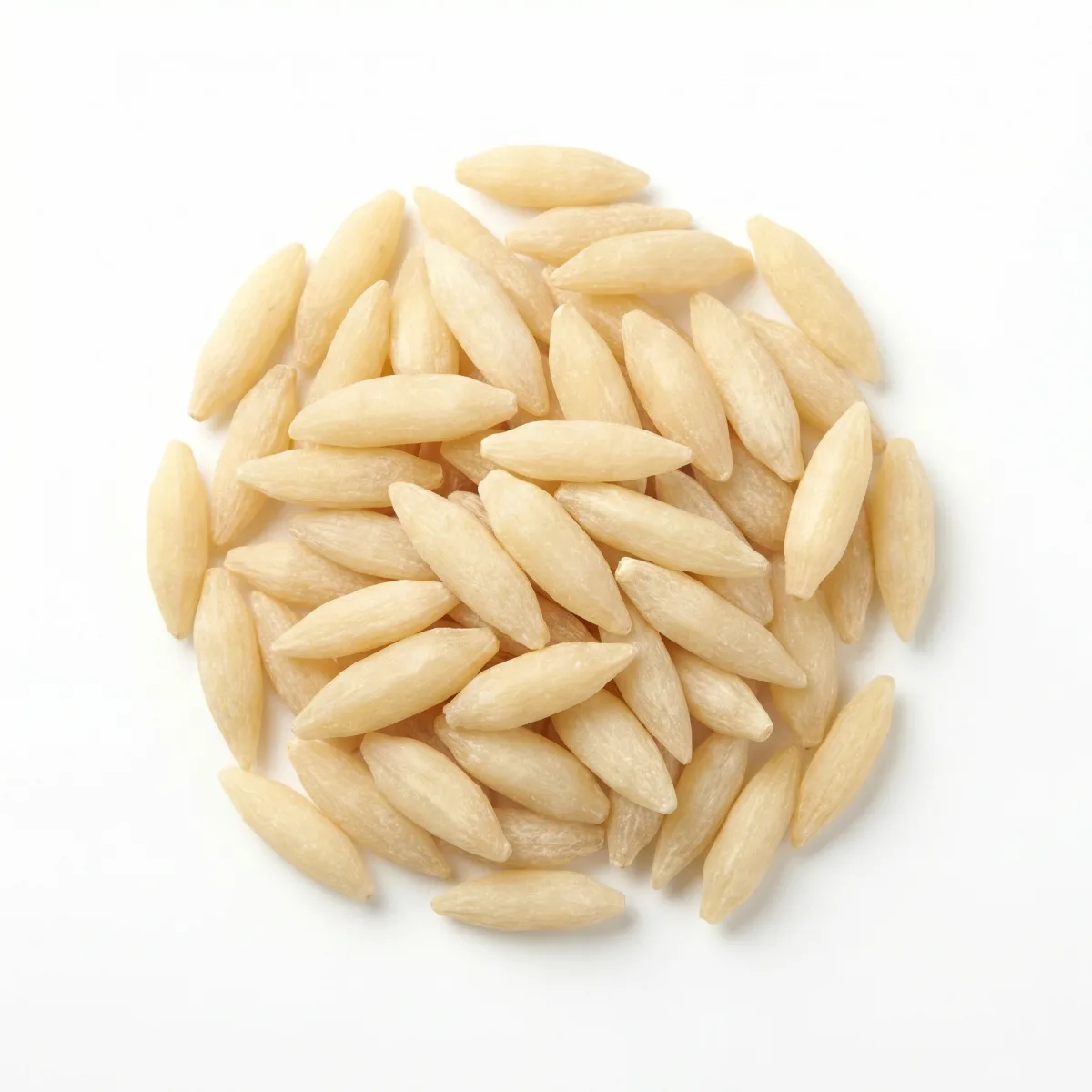
Die medizinisch genutzten Wurzelknollen sind spindelförmig, 1–3 cm lang und von blassgelber Farbe.
Südost–China (Zhejiang, Sichuan, Hubei), Japan und Korea: Schattige Wälder in 200–1800 m Höhe, kultiviert in ganz Ostasien.
Occurrence
Main growing regions are in Zhejiang, Sichuan, and Hubei (China). It grows in shady forests and on moist slopes at elevations of 200–1,800 m. It is cultivated throughout East Asia and is also widespread in Japan and Korea. Harvesting takes place after 2–3 years of cultivation.
Harvest time
Harvest in the summer after 2–3 years of cultivation. Dig up the root tubers, wash them, and sun-dry them.
Processing
Frische Wurzelknollen werden ausgegraben, gewaschen und an der Sonne getrocknet. Anschließend werden die zentralen Fasern (Holzkern) entfernt — ein wichtiger Schritt, da der Kern die Wirkung schwächt und die Mitte reizen kann.
Die getrockneten Knollen werden als Rohdroge (Mài Dōng), seltener mit Wein angefeuchtet und erneut getrocknet (Jiǔ Mài Dōng), verwendet.
Related herbs
Herbs with similar effects and related areas of application