







Mu Dan Pi — Shrub Peony Root Bark
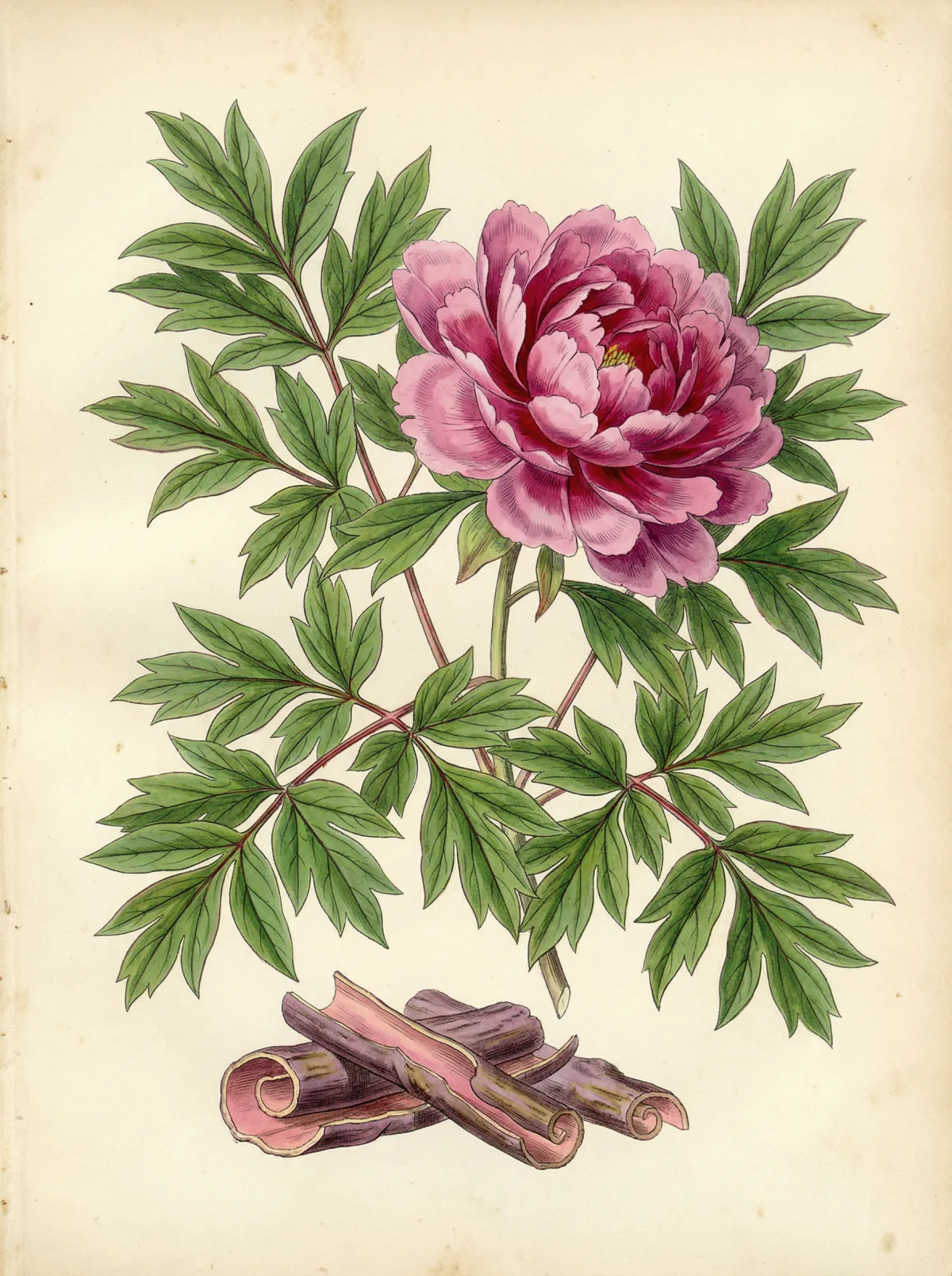
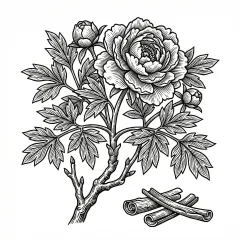
Mu Dan Pi is the root bark of the tree peony (Paeonia suffruticosa) and is one of the most important blood-cooling herbs in Chinese medicine. It contains paeonol, which gives it a pronounced cooling effect that addresses both heat in the blood and latent yin-deficiency heat.
In traditional herbal medicine, it is used primarily for women—when the menstrual cycle is disrupted by Blood Stasis or when blood heat is imbalanced, in cases of restlessness of the Shen and night sweats, as well as skin redness caused by heat in the blood. It cools without causing excessive dryness and promotes blood circulation without depleting it.
Effect from a TCM perspective
Mu Dan Pi cools the blood and resolves blood stasis without causing excessive dryness. It clears rising liver fire and expels hidden heat from the yin realm. It is traditionally used to treat yin-deficiency heat accompanied by night sweats and deep-seated bone heat (Gǔ Zhēng).
- Cools Blood–Heat and keeps the blood in the vessels (Zhǐ Xuè) when there is heat in the Xue region
- Stimulates blood circulation and helps dispel blood stasis, especially in the lower abdomen
- Releases latent heat (Gǔ Zhēng) for Yin deficiency with deep-seated bone heat
- Clears rising liver fire when you feel a burning sensation in your head and your eyes are red
- Reduces swelling and disperses accumulations of heat toxins (Rè Dú) in the skin and flesh
Application & dosage
Decoct: 6–12 g, use raw for blood heat; lightly roasted for blood stasis. Granules: 2–4 g daily, dissolved in warm water.
Tablets: 3–4 tablets (500 mg each), 2–3 times daily. Powder: 1.5–3 g daily, mixed into warm water or honey.
Dosage forms
- Decoction
- Granules
- Tablets
- Powder
Dosage
6–12 g (Decoction)
Frequent combination partners
Mu Dan Pi often does not reach its full effectiveness until it is combined with other herbs
History & Tradition
Mu Dan Pi is already mentioned in the *Shén Nóng* Ben Cao Jing, the oldest Chinese herbal, as a remedy of the middle class. In imperial China, the tree peony (Mǔ Dān) was considered the „King of Flowers“ and symbolized wealth, honor, and beauty.
During the Tang Dynasty Peony cultivation reached its peak—gardens featuring hundreds of varieties were laid out in Luòyáng. However, the medicinal use of the root bark dates back much further: as early as the Hàn Dynasty, it was used to cool the blood.
Zhāng Zhòngjǐng He used Mu Dan Pi in several formulas, including a famous formula for treating blood stasis in the lower abdomen and the classic Six-Herb Formula, which nourishes kidney yin. These formulas remain indispensable in TCM practice to this day.
Contraindications & caution
- Not at heavy menstrual bleeding or pregnancy — Its blood-stimulating effect can increase blood flow and endanger the fetus.
- At Blood Deficiency Without Signs of Heat Mu Dan Pi is not indicated, as its cooling nature may exacerbate the deficiency.
- Be careful with Spleen Qi Deficiency with Diarrhea — Its cooling and bitter-drying properties can put additional strain on the digestive system.
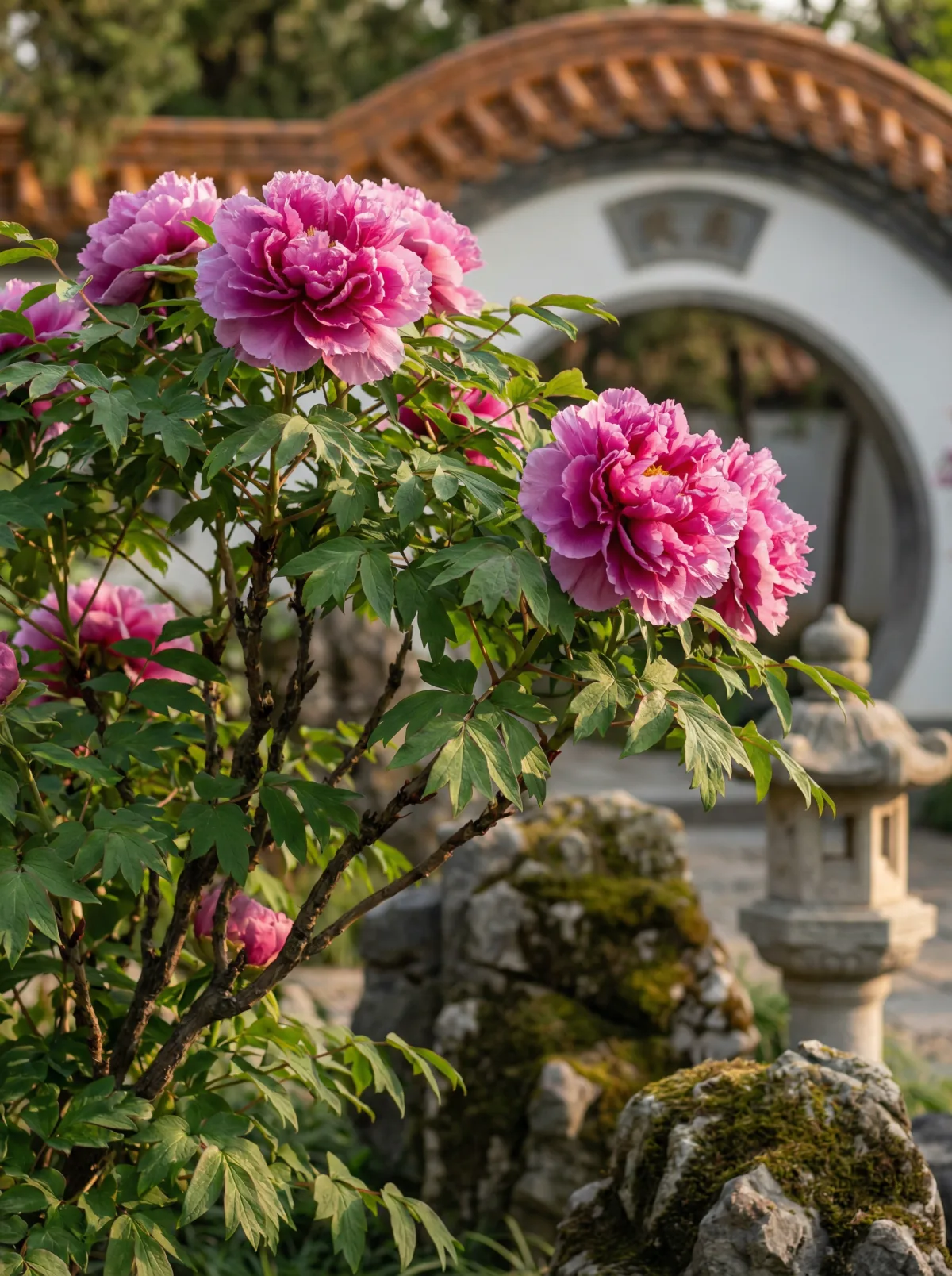
Botany
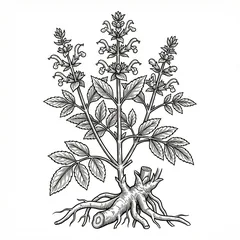
The tree peony (Paeonia suffruticosa (Andr.) is a deciduous shrub belonging to the family of the Paeoniaceae, which grows to a height of 1–2 m. The plant develops woody stems with large, bipinnate leaves and spectacular flowers in white, pink, red, or purple.
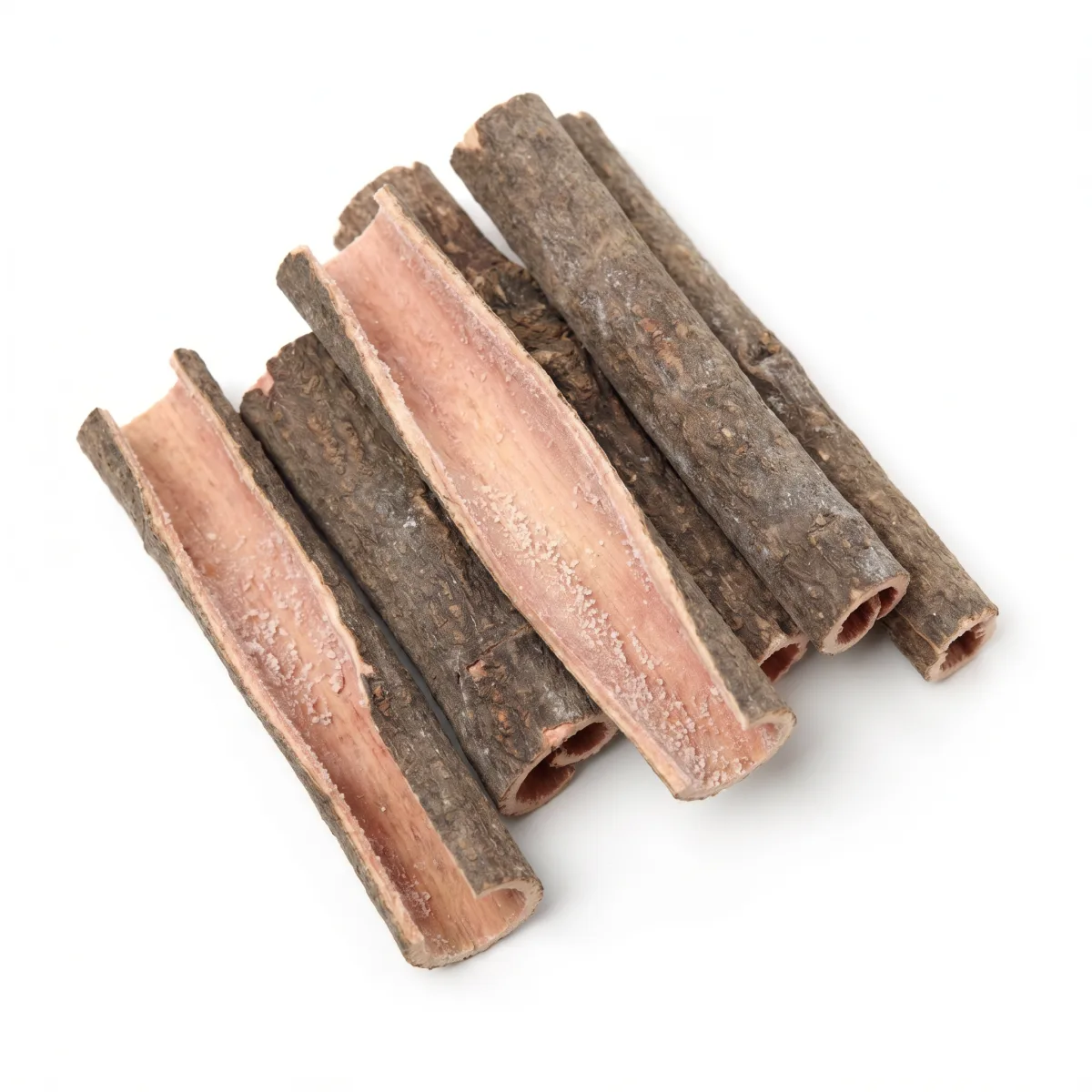
The root bark (Cortex) is used as a drug—it is reddish-brown, has a characteristic aromatic odor, and a bitter, slightly pungent taste. When dried, it develops a distinctive aroma attributable to its paeonol content.
- Distribution in temperate mountainous regions Central China's, especially in Anhui, Shandong, and Sichuan
- The main growing region is the area around Tónglíng in Anhui, where the highest-quality (Fèng Dān Pí) is produced
- Prefers well-drained, humus-rich soil in a partially shaded to sunny location
- Elevation range between 500 and 2,000 meters above sea level
Occurrence
Central China, particularly Anhui (Tongling), Shandong, and Sichuan; mountainous regions at elevations between 500 and 2,000 meters
Harvest time
Fall, 3–5-year-old roots
Processing
The roots of 3- to 5-year-old plants are dug up in the fall, cleaned of soil, and peeled. They are then sliced and air-dried.
- Raw: For raw use (to cool the blood—heat), the bark is left raw.
- Toasted (Chao): To activate its blood-invigorating effect, it is lightly roasted (chao), which moderates its cool nature and enhances its effect on blood stasis.
- Charred (Tan): Charred Mu Dan Pi (tan) is occasionally used to stop bleeding.
Related herbs
Herbs with similar effects and related areas of application