





Mai Ya — Barley Malt

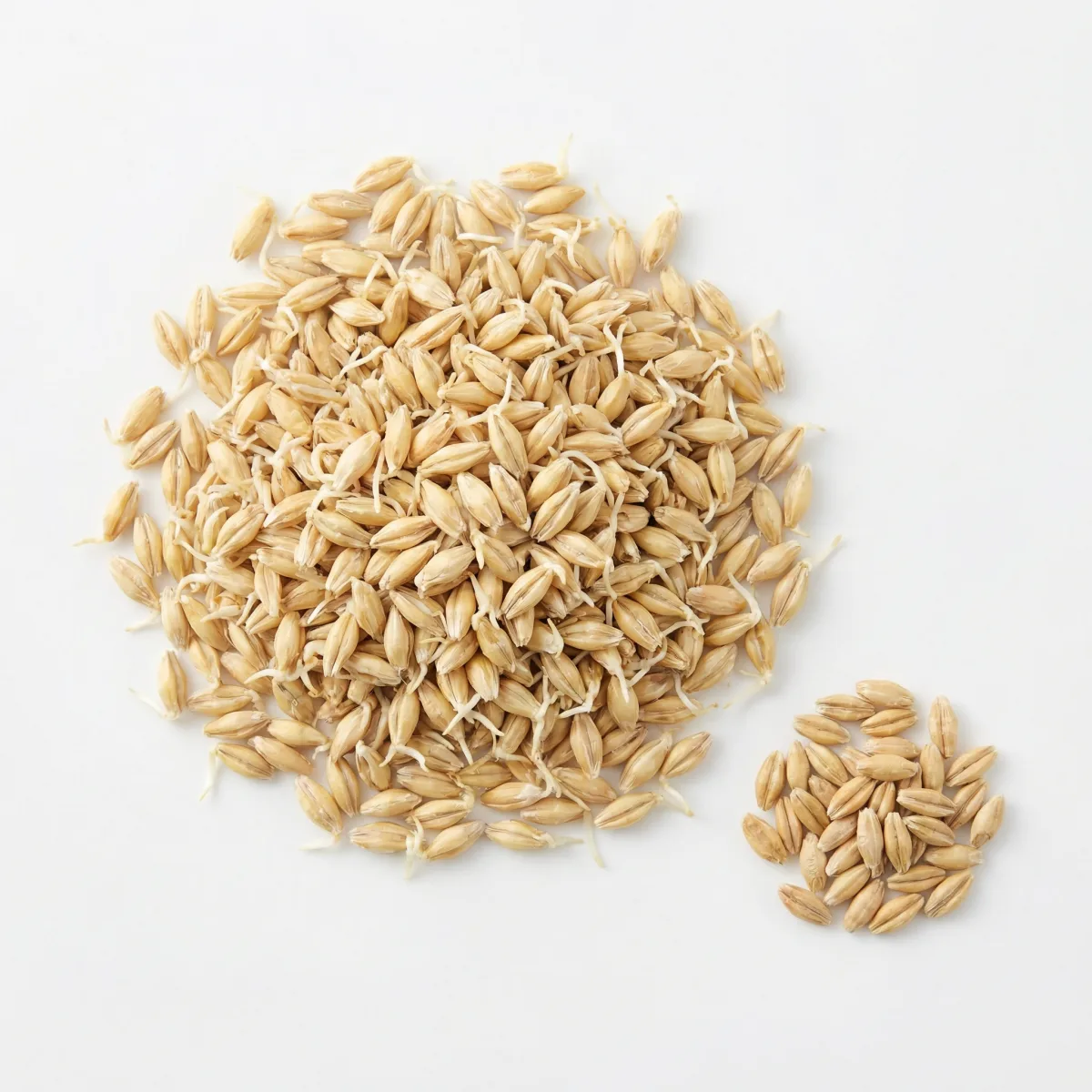
Barley sprouts, which relieve digestive stagnation and regulate milk flow

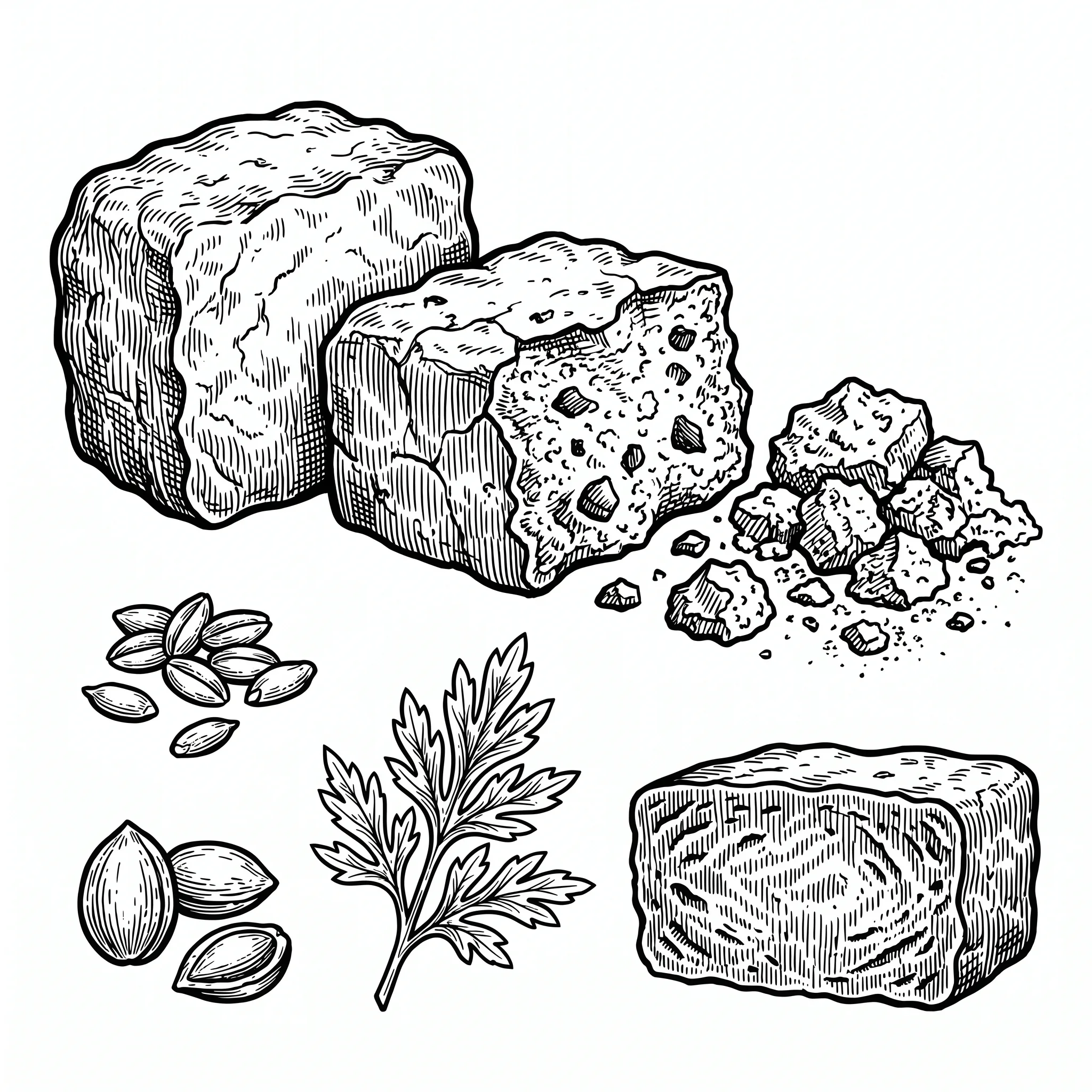
A sprouted barley grain contains a wealth of enzymes that do exactly what the spleen cannot do on its own: break down starch and undigested food. Therefore, Mai Ya is the first remedy to use when heavy food blocks the middle jiao.

Barley malt Germinated Hordei Fruit Malt May Ya

Flavor Sweet
Temperature Neutral
Meridian Spleen, stomach, liver
Plant part Seeds
Class Middle class
Direction of action Resolving

Helps with Stagnation

Mai Ya—barley sprouts—is a mild, digestive herb that relieves food stagnation and strengthens the spleen. It is particularly effective for starchy foods that are hard to digest. In addition, it regulates the flow of liver qi and is traditionally used to wean infants.

Effect from a Western perspective

Mai Ya contains amylase, maltase, protease, vitamins (B complex), lecithin, and maltol. The enzymes effectively break down starch and proteins and support enzymatic digestion.

  • Digestive enzymes: Amylase and maltase promote the breakdown of starch
  • Prolactin-lowering: The roasted form reduces milk production
  • Hepatoprotective: Maltol protects liver cells from toxic damage
  • Appetite-stimulating: Bitter acid stimulates gastric juice secretion
  • Reduces flatulence: Enzymatic breakdown of fermentable substrates

Effect from a TCM perspective

Mai Ya relieves food stagnation and strengthens the spleen. It unblocks the flow of liver qi and regulates milk production. It is particularly effective for bloating, flatulence, and loss of appetite after heavy meals.

  • Relieves digestive stagnation (feeling of fullness, bloating, belching)
  • Digested Starch (Bread, Pasta, Rice—Heavy on the Stomach)
  • Strengthens the spleen and stimulates the appetite
  • Promotes the flow of liver qi (mild liver qi stagnation)
  • Reduces milk flow during weaning (roasted, high dose)
TCM Application: Mai Ya

Application & dosage

  • 10–15 g in a decoction (standard dose)
  • Roasted (chǎo): 30–60 g for weaning
  • Raw for digestive stagnation, roasted to strengthen the spleen

Dosage forms

  • Decoction
  • roasted (chǎo)
  • Granules

Dosage

  • 10–15 g (decoction)
  • 30–60 g (for weaning)

Frequent combination partners

Mai Ya often does not reach its full potential until it is combined with other herbs
Combinations & formulas

  • With Shan Zha and Shen Qu forms May Ya The classic three-herb combination Jiao San Xian—the standard treatment for all types of food stagnation.
  • With Bai Zhu and Chen Pi It strengthens the spleen and, at the same time, relieves stagnation associated with chronic spleen deficiency and bloating.
  • With Chai Hu and Bai Shao It supports the free flow of liver qi in cases of liver-spleen disharmony.

History & Tradition

Mai Ya has been documented as a digestive aid since the Han Dynasty. Zhang Zhongjing uses it in various formulas to harmonize the middle jiao. In the *Běn Cǎo Gāng Mù*, Li Shizhen describes its dual nature: when used raw, it resolves stagnation and promotes lactation; when roasted (chǎo), it strengthens the spleen and reduces milk flow.

This paradoxical effect—promoting milk production when raw, and reducing milk production when roasted—is a classic example of the importance of Pèo Zhì (processing methods) in TCM.

Contraindications & caution

Caution for breastfeeding mothers—high doses (especially when roasted) may reduce milk production. Not to be used alone in cases of severe spleen qi deficiency without stagnation. Choose alternative herbs if gluten intolerance is present.

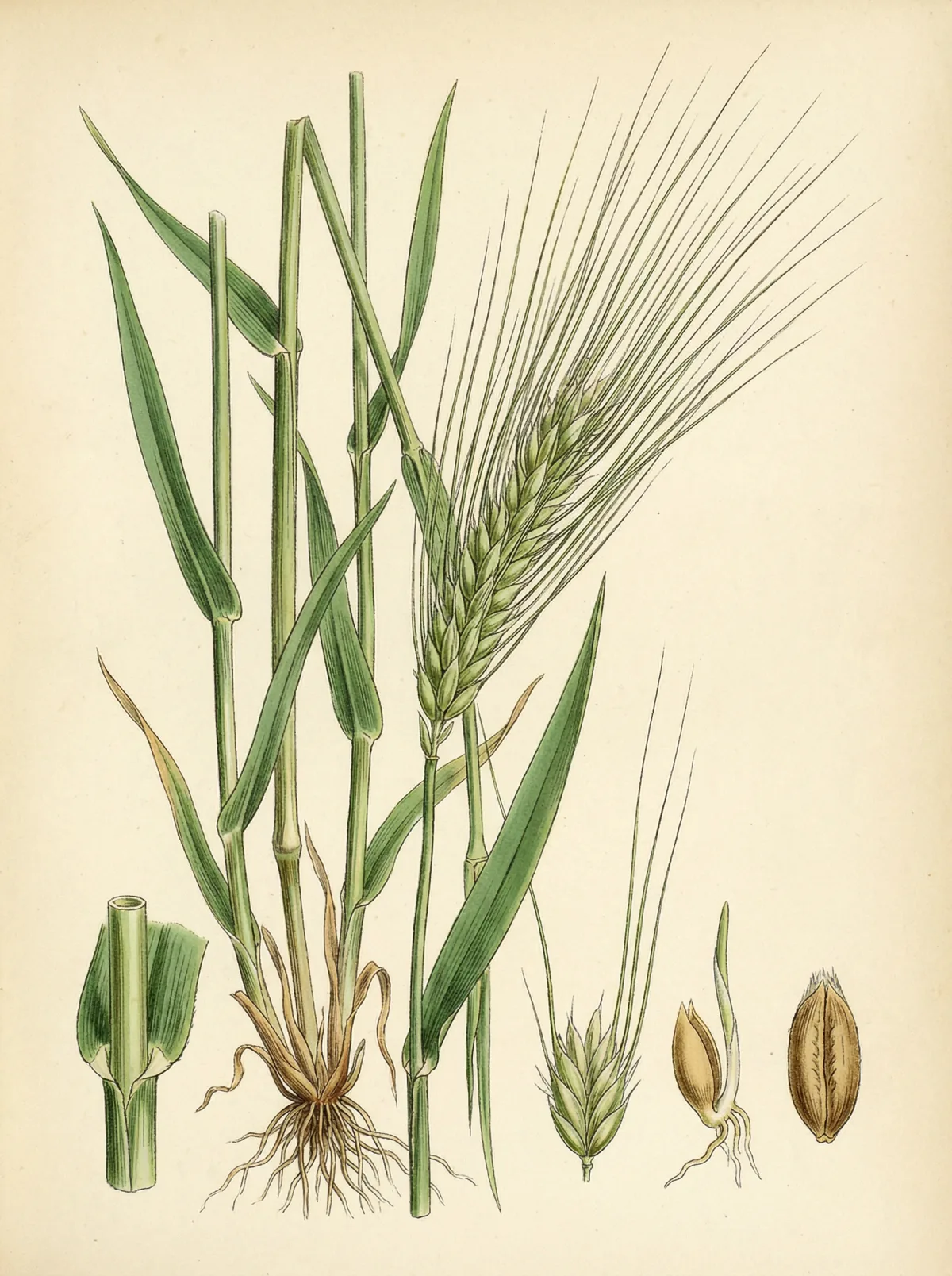
Plant photo: Mai Ya

Botany

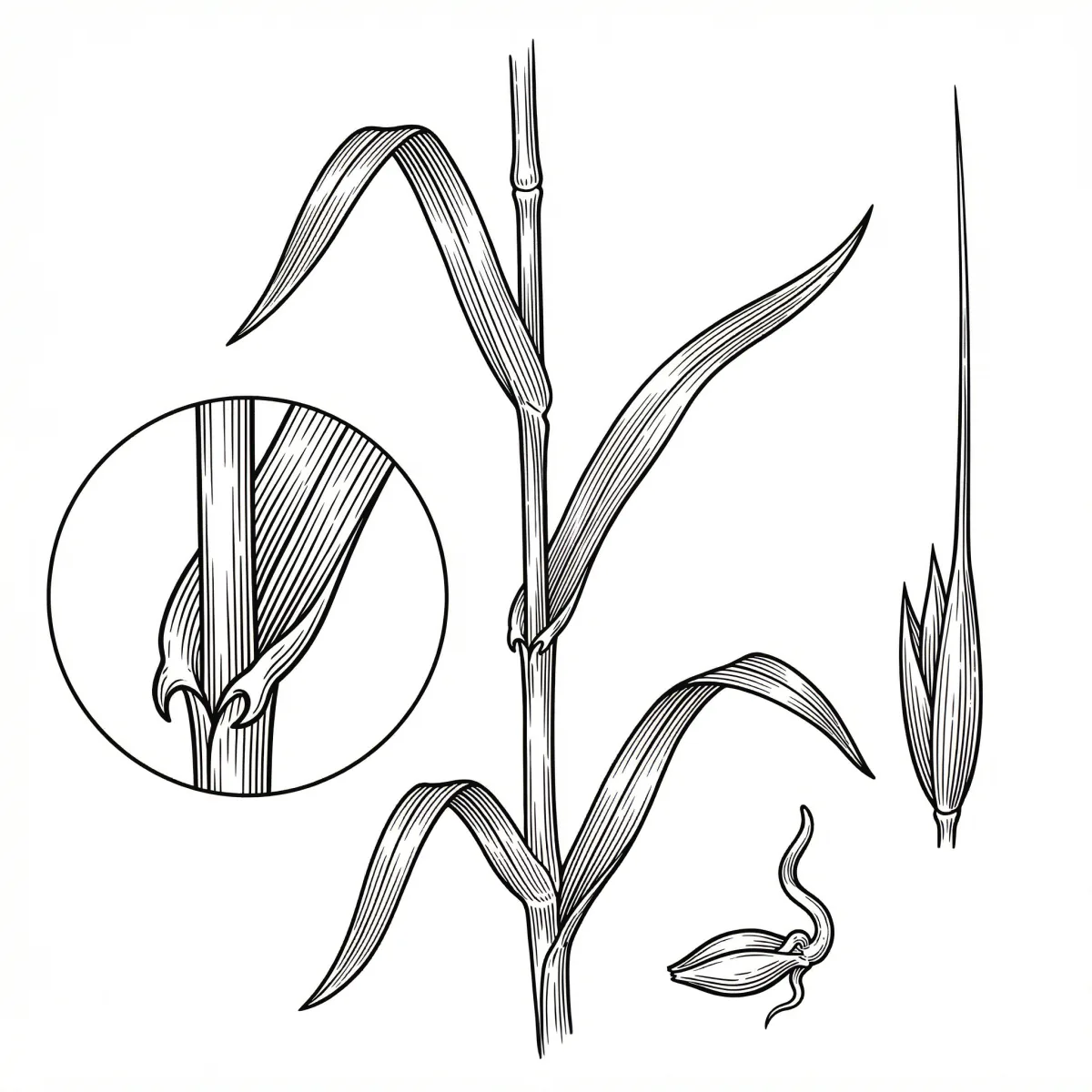
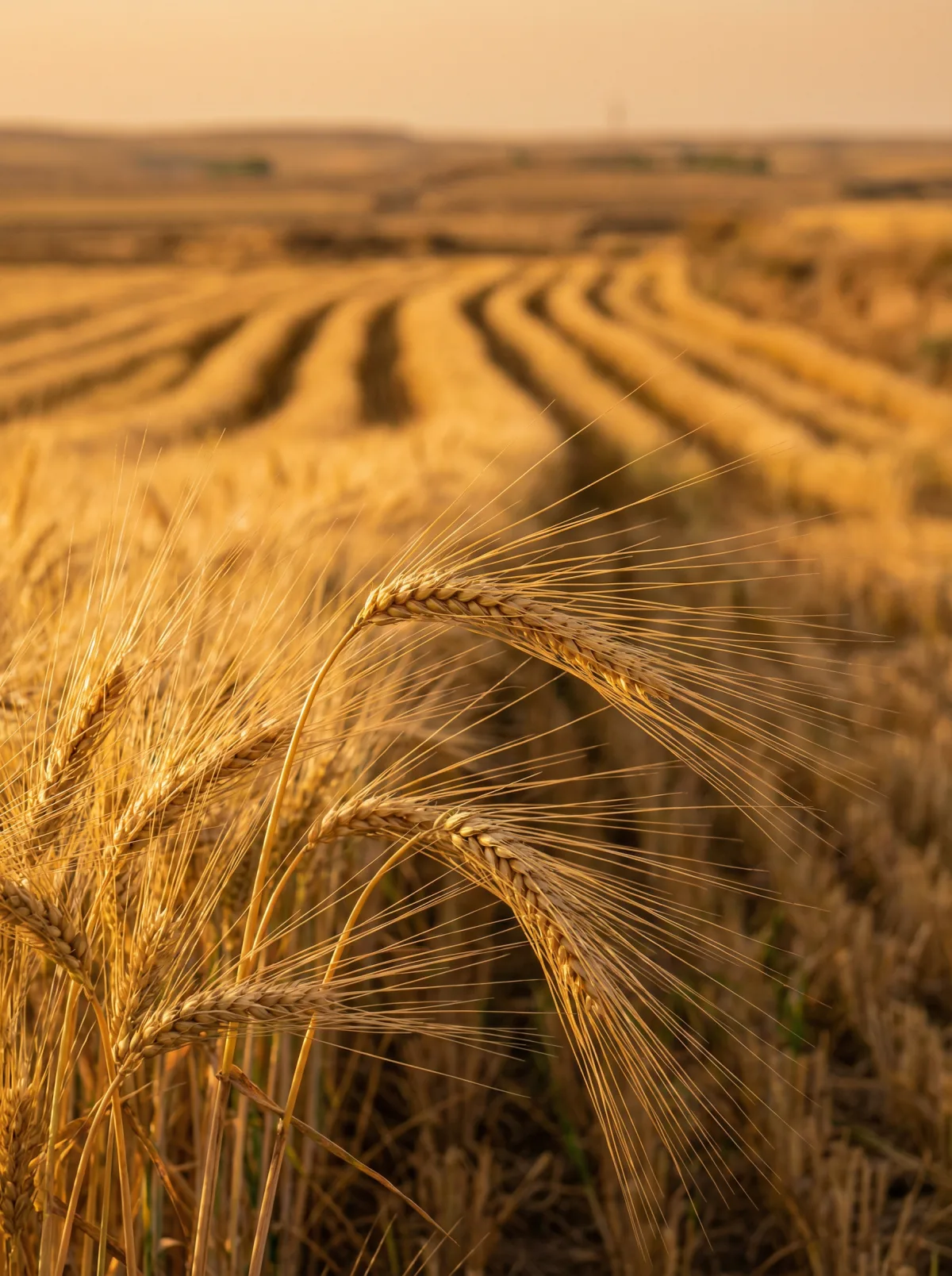
Hordeum vulgare is an annual grass belonging to the grass family (Poaceae). For medicinal use, the grains are soaked in warm water and allowed to germinate at 15–20°C until the sprout is about 5 mm long.

Distribution: Cultivated worldwide. The main growing regions are in northern China, Europe, and North America. The sprouted grains are dried at a low temperature to preserve the enzymes.

Harvest time

Year-round (controlled germination)

Processing

Sprouted and dried; roasted (chǎo) for its milk-reducing and spleen-strengthening effects

Related herbs

Herbs with similar effects and related areas of application
Comparable western herbs

  • Barley / Malt Extract (Hordeum vulgare) — Botanically identical to Mai Ya; cultivated in Europe for millennia; malt extract from germinated barley contains the same digestive enzymes (amylase, maltase) and is traditionally used as a mild digestive aid for heavy, starch-rich meals. Its enzymatic digestive effect is well documented pharmacologically.
  • Yellow Gentian (Gentiana lutea) — Europe’s most important bitter-substance preparation for stimulating the appetite; native to the Alps and the mountainous regions of southern Europe; Gentiopicroside and amarogentin reflexively stimulate gastric juice secretion and bile flow — a complementary mechanism of action to the enzymatic digestive support provided by Mai Ya. Well-established phytotherapeutic tradition.
  • Caraway (Carum carvi) — carminative, antispasmodic, and known in folk medicine for its lactation-suppressing properties; native to meadows and pastures in Europe; essential oils (carvone) reduce flatulence and are traditionally used to decrease milk production—comparable to the weaning effect of roasted Mai Ya in high doses. The evidence for prolactin inhibition is limited, but the practice is well-established in traditional medicine.