






Cycle & digestion
How your hormones affect your gut
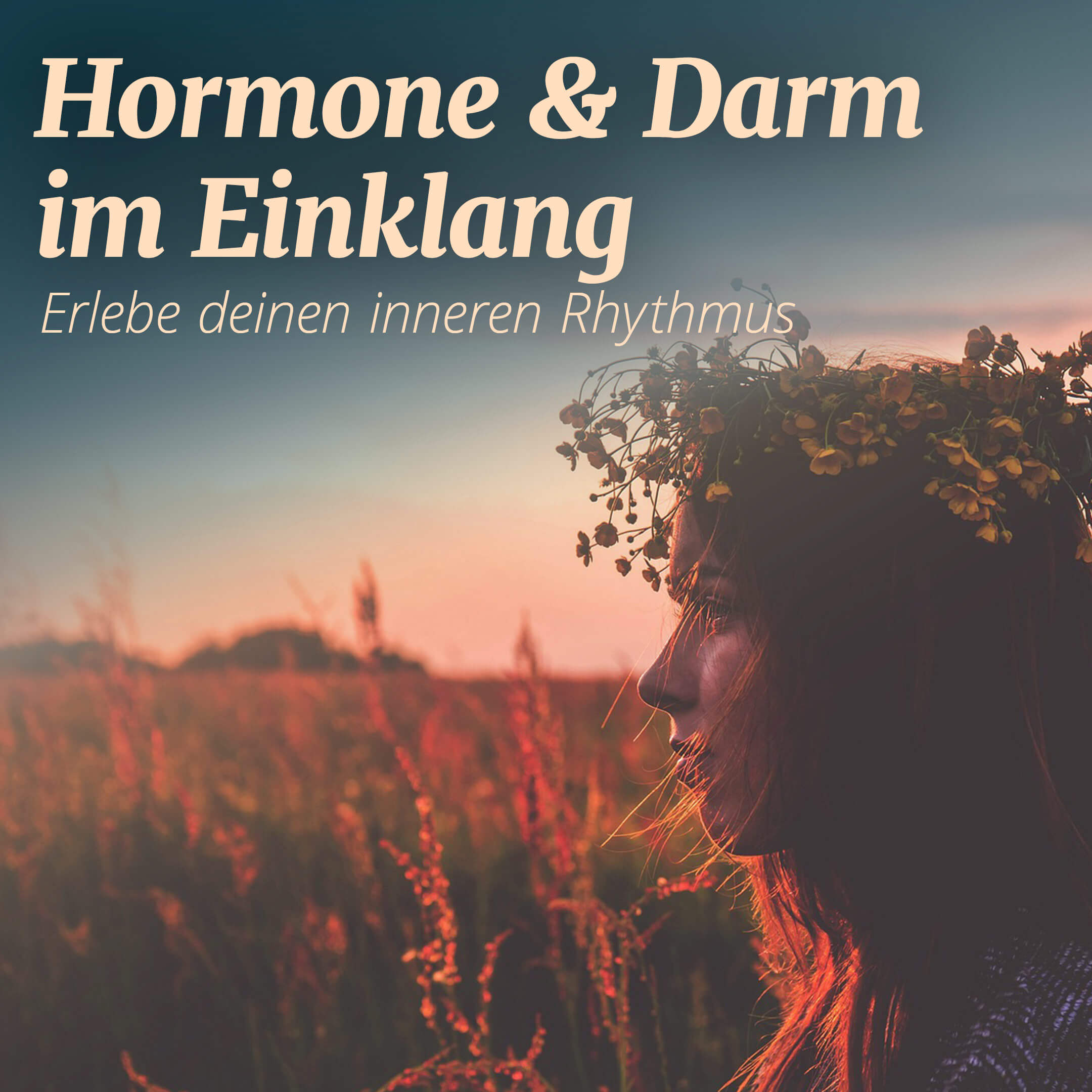
Hormones & gut in harmony. Experience your inner rhythm.
The hidden connection: Hormones & gut health
Something that is often overlooked in women's health: Your sex hormones don't just affect your uterus and ovaries, they work throughout your body - especially intensely in your digestive system.
This is how your hormones affect your gut:
- Oestrogen and progesterone directly regulate the contraction and relaxation of your intestinal muscles
- They influence the absorption of water and electrolytes in the intestine
- They change the composition of your microbiome - the trillions of bacteria that colonize your gut
- They affect the perception of pain in your digestive organs
- Current research shows that these compounds are based oncomplex interactions between the hormonal and digestive systems.
Your cycle in detail: 4 phases, 4 digestion patterns
1st menstrual phase (day 1-5)
What happens hormonally:
The hormones estrogen and progesterone drop and prostaglandins are released.
Effects on digestion:
- Increased intestinal contractions due to prostaglandins
- More frequent bowel movements and even diarrhea
- Increased cramps in the abdomen and intestines
- Changed intestinal flora due to hormonal fluctuations
Your helpers in this phase:
Nutrition:
- Soluble fiber (oatmeal, bananas, apple)
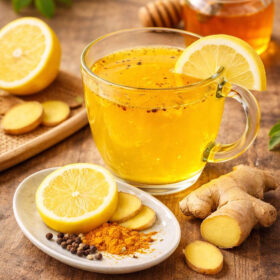
- Warming foods such as chicken soup and ginger tea
- Easily digestible, nutritious food
- Foods rich in iron and magnesium
Movement:
- Gentle walks promote blood circulation
- Light yoga with a focus on the stomach and lower back
Additional tip:
A hot water bottle on the stomach can relieve cramps
2nd follicular phase (day 6-13)
What happens hormonally:
Oestrogen rises steadily, progesterone remains low.
Effects on digestion:
- Improved intestinal motility due to increasing oestrogen
- Higher energy levels and faster metabolism
- Increased absorption of nutrients
- Balanced, mostly stable digestion
Your helpers in this phase:
Nutrition:
- Colorful vegetables and fruit
- Pre- and probiotic foods for the intestinal flora
- Protein-rich diet to support follicle maturation
- Complex carbohydrates for sustained energy
Movement:
- Cardio training and strength exercises
- Dynamic forms of movement
- Dancing or other enjoyable activities
Additional tip:
Herbal teas with fennel and caraway support digestion
3rd ovulation phase (day 14-16)
What happens hormonally:
Oestrogen reaches its peak, LH spike, slight increase in progesterone.
Effects on digestion:
- Increased water retention in the tissue
- Slight slowing of the intestinal passage
- Possible feeling of fullness and flatulence
- Change in the bacterial composition in the intestine
Your helpers in this phase:
Nutrition:
- Swelling fibers such as psyllium husks and linseed
- Fermented foods (sauerkraut, kefir, kombucha)
- Fresh herbs to support digestion
- Easily digestible proteins
Movement:
- Moderately intensive exercises
- Stretching and flexibility training
- Exercises that activate the pelvis
Additional tip:
Gentle abdominal massage to support digestion
4th luteal phase (day 17-28)
What happens hormonally:
Progesterone dominates, oestrogen remains moderately elevated.
Effects on digestion:
- Slowed intestinal motility due to progesterone
- More frequent constipation and sluggishness
- Increased flatulence potential
- Stronger cravings, especially for sweets
- Increased sensitivity to certain foods
Your helpers in this phase:
Nutrition:
- Balanced mixture of soluble and insoluble fibers
- Magnesium-rich foods (nuts, seeds, dark leafy vegetables)
- Warm, steamed vegetable dishes
- Sufficient water or herbal teas
- A calcium-rich diet to combat PMS symptoms
Movement:
- Qi gong/yoga with a focus on digestive stimulation
- Moderate walking
- Swimming for relaxation
Additional tip:
Gentle abdominal circles with warm oil to relax the abdominal muscles
Special challenges and solutions
PMS and digestive complaints
Many women experience a worsening of their digestive situation in the days before their period. Studies show that hormonal fluctuations directly influence intestinal motility and sensitivity to pain.
Proven solutions:
- Diet: reduce caffeine, alcohol and very fatty foods
- Herbs: Lady's mantle tea, lemon balm and camomile can have a calming effect
- Exercise: Gentle stretching exercises, especially for the abdominal and back muscles
- Relaxation: heat applications and targeted relaxation techniques
Endometriosis and irritable bowel syndrome - the frequent double burden
Studies show that women with endometriosis also suffer more frequently from irritable bowel syndrome. Both diseases are based on similar inflammatory processes.
Integrated approaches:
- Anti-inflammatory diet: rich in omega-3 fatty acids and antioxidants
- Exclusion diet: Temporary avoidance of common triggers such as gluten, dairy products or FODMAP-rich foods
- Stress reduction: regular relaxation techniques
- Consultation with specialists: gynecologists and gastroenterologists can work together to develop an integrated treatment plan
Your booster: BS+ Dietary Fiber Plus
Our specially developed formula supports your digestion in all phases of your cycle with prebiotic fibers and important nutrients.
The 100% natural prebiotic formula:
- Combines different sources of fiber for optimal intestinal support
- Contains valuable superfoods such as mango, blueberry and baobab
- Supports the intestinal barrier with collagen
Your benefits with BS+ Dietary Fiber Plus:
- Regular, soft bowel movements
- Less flatulence and abdominal discomfort
- More stable blood sugar and constant energy
- Support for your immune system
More information about BS+ Dietary Fiber Plus:
www.meine-tcm.com/produkt/bs-ballaststoffe-plus
Tips for a cycle-synchronized digestive system
Keep a cycle digestion diary
Document over 2-3 months:
- Your cycle day
- Your digestive symptoms
- Your diet
- Stress level and sleep quality
Over time, you will recognize patterns and can take more targeted countermeasures.
Practice cycle-conscious eating
- Menstrual phase: Easily digestible, warming foods
- Follicular phase: nutrient-rich, varied diet
- Ovulation: Light, hydrating foods
- Luteal phase: high-fiber, filling meals
Integrate relaxation techniques into your everyday life
- Conscious abdominal breathing to relax the digestive tract
- Progressive muscle relaxation for fewer stress hormones
- Regular exercise breaks to promote bowel function
- Sufficient sleep for the regeneration of the digestive system
Conclusion: Your cycle as an ally
Your menstrual cycle is not a disruptive factor, but a natural rhythm that provides you with valuable information about your body. By learning to live in harmony with your cycle, you can not only alleviate digestive problems, but also experience more energy and well-being overall.
With an understanding of the connections between hormones and digestion, targeted dietary adjustments and supportive nutritional supplements such as BS+ Dietary Fiber Plus, you can lovingly guide your body through all phases.
Harmony arises when we respect the wisdom of our body and live with its natural rhythms.
Author: Unknown
More interesting tips & articles

General TCM explained
Frühlingsallergien — Wenn Pollen zur Plage werden
Die Nase läuft, die Augen jucken, der Kopf ist zu. Draußen blüht der Frühling — und du leidest. Millionen Menschen kämpfen…
Feb

Kräuter TCM Tipp der Woche
Allergie–Soforthilfe–Ritual: Tee, Akupressur, Kompresse
Die Nase läuft, die Augen jucken, der Kopf ist zu. Draußen blüht der Frühling — und du leidest. Millionen Menschen kämpfen…
Feb





Our most popular products