






Why you're more exhausted in December - and how to recharge your batteries
Ask the Yellow Emperor
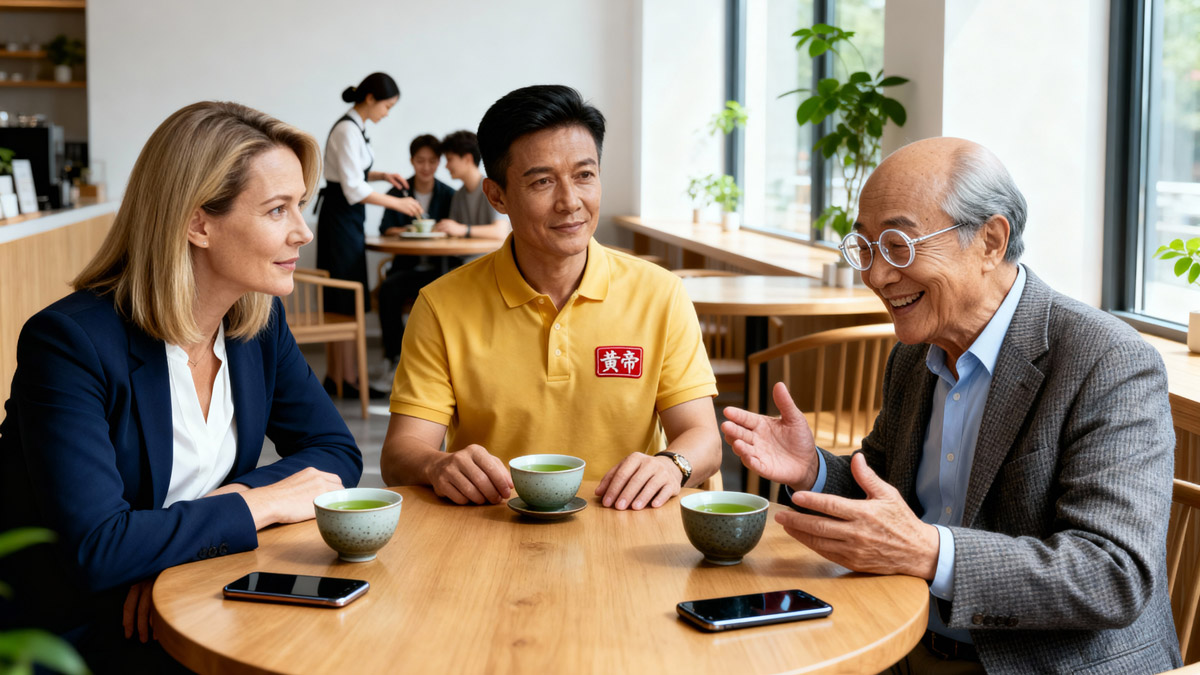
Dr. Weber | The Yellow Emperor Huangdi | Qí Bó
Why December makes you particularly exhausted - and what you can do about it
The Yellow Emperor: „Qi Bo, I am observing something disturbing. People in the 21st century tell me that they are particularly exhausted in December. They can hardly get out of bed in the morning, feel tired all day and feel like they could fall asleep straight away around 5 pm. What is happening here?“
Qi Bo: „Majesty, this is a classic phenomenon of the water element. In December, we are in the heart of winter - the time of maximum yin energy. Nature retreats, the days are at their shortest and everything strives for calm and storage. In TCM we say: The kidneys - the seat of our life essence, the Jing - call for rest. But modern people ignore this call. They continue to push themselves as if it were the height of summer. It's like forcing a tree to blossom in the depths of winter.“
Dr. Weber: „Fascinating, Qi Bo! In modern medicine, we see it very similarly. We talk about seasonal affective disorder - the winter blues. The shortened days cause our pineal gland to produce more melatonin, the sleep hormone. At the same time, our serotonin level, which is responsible for energy and a good mood, drops. Added to this is a massive vitamin D deficiency. But worst of all, many people experience enormous stress in December - end-of-year work commitments, Christmas preparations, social obligations. This drives up cortisol levels and exhausts the adrenal glands. It's a perfect storm for exhaustion.“
The Yellow Emperor: „So both systems mean that the human body demands rest in December, but modern life demands exactly the opposite?“
Qi Bo: „Exactly, Your Majesty. The water element demands storage and protection of the essence. Instead, there is exertion and stress.“
Dr. Weber: „And that also explains why exhaustion often peaks around 5 p.m.“
The Yellow Emperor: „Five o'clock? Why this particular time?“
The roots of winter exhaustion
Qi Bo: „Majesty, between 5 and 7 p.m. is the time of the kidneys in our organ clock. This is the phase in which the kidneys should replenish and store their energy. However, if they are empty - exhausted by too little sleep, too much stress and too little nourishing rest - then it is precisely at this time that we feel a leaden tiredness. The kidneys are like a battery. In summer, we can draw on this battery. In winter, it needs to be recharged. If we don't do this, the kidney yang deficiency manifests itself: coldness in the extremities, listlessness, the feeling of having no more energy.“
Dr. Weber: „This is perfectly in line with our findings on the cortisol rhythm. Normally, cortisol should fall gently in the afternoon. But with chronic stress - and December is full of it - this rhythm gets mixed up. Incidentally, the adrenal glands that produce cortisol are located directly on the kidneys. They become exhausted. Studies show that people have up to 30 percent less energy in December than in summer. This is due to the combination of less daylight, disturbed biorhythms and increased psychological stress.“
The Yellow Emperor: „What makes this exhaustion worse?“
Qi Bo: „Three things, Your Majesty. First: cold food and drink. In winter, we need warming, nourishing food. But many people continue to eat salads and drink cold water. This weakens the yang even more. Secondly, too little sleep. The kidneys regenerate between 5 and 7 pm - but also during the night. If you are still awake at midnight, you are depriving your body of the most important regeneration phase. Thirdly: Emotional pressure. The emotion of the kidneys is fear. End-of-year stress, financial worries, fears about the future - all this further exhausts the kidneys.“
Dr. Weber: „I would add two more scientific factors. The first is mitochondrial dysfunction. Our cells produce less ATP in winter - less energy. This is due to the reduced exposure to light. Light activates enzymes in our mitochondria. Secondly, vitamin D deficiency. 80 percent of people in our latitudes have too little vitamin D in winter. However, this vitamin is crucial for energy production, the immune system and mood. Without enough vitamin D, we feel like a car without gas.“
The Yellow Emperor: „That sounds like a complex situation. How can we help people regain their energy?“
The way back to winter strength
Qi Bo: „Your Majesty, the solution is to correspond to the water element instead of fighting it. We must strengthen the kidneys, nourish the yang and at the same time accept that winter is the time of rest. The old masters taught: In winter, you should go to bed early and get up late - only when the sun has risen. You should keep warm, avoid stress and preserve your essence.“
Dr. Weber: „From a scientific point of view, this makes perfect sense! Studies show that people who adapt their sleep rhythm to natural light exposure suffer significantly less from winter fatigue. We should also focus on three pillars: firstly, light therapy in the morning - this stops melatonin production and activates the metabolism. Secondly, a warming, nutrient-rich diet with sufficient protein and healthy fats for the mitochondria. Thirdly, targeted relaxation in the evening to lower cortisol levels and enable regeneration.“
The Yellow Emperor: „Then let's develop a concrete plan that people can implement from the first day of December.“
Qi Bo: „I suggest we divide the day into three phases: Awaken the yang in the morning. Preserve energy during the day. In the evening, nourish the kidneys and store the essence.“
Dr. Weber: „Perfect. And every recommendation should combine both TCM wisdom and the scientific effect.“
The 3-way method against December fatigue
🌅 MORGEN–PROTOKOLL (Yang aktivieren)
TCM: Strengthen your kidney yang with a warm, cooked breakfast. Oatmeal with cinnamon, ginger and walnuts nourishes the kidneys and warms from the inside. Massage kidney 3 (Taixi) - the point on the inside of your ankle - for 2 minutes. This activates your life energy.
Science: A warm, protein-rich breakfast stabilizes blood sugar and provides tryptophan for serotonin production. Cinnamon and ginger activate the metabolism and blood circulation. The massage stimulates the parasympathetic nervous system.
Practical:
- 7:00 am: 1 large glass of warm water with a slice of lemon
- 7:15 am: Cook oatmeal (50g oat flakes, 200ml oat milk, 1/2 teaspoon cinnamon, 3 slices fresh ginger, 5 walnuts)
- 7:30 am: 10 minutes of daylight exposure (at the window or short walk)
- 7:40 am: Massage kidney 3 (2 minutes per side, circular movements)
🌞 TAGS–STRATEGIE (Energie erhalten)
TCM: Drink warm ginger tea every 2 hours. This will keep your inner fire burning. Between 3 and 5 pm - blister time - give yourself a short rest. Place a hot water bottle on your lower back (kidney area) for 10 minutes. This directly nourishes your kidneys.
Science: Warm drinks keep the metabolism active and the body temperature stable. Ginger contains gingerols, which have an anti-inflammatory effect and promote blood circulation. Warmth in the kidney area improves blood flow to the adrenal glands and lowers stress cortisol. Short rest breaks prevent the afternoon cortisol crash.
Practical:
- Thermos flask with ginger tea (3-4 slices of ginger, 1 liter of hot water, 1 pinch of cinnamon)
- Drink 1 cup every 2 hours
- 15:30: 10-minute break with hot water bottle on lower back
- 17:00 (kidney time): Take 5 deep breaths into your stomach, close your eyes briefly
🌙 ABEND–RITUAL (Ruhe finden und Essenz speichern)
TCM: A warm foot bath with sea salt and lavender at 8 pm drains stress from the body and warms the kidneys. Then massage Kidney 1 (Yongquan) - the point in the middle of the sole of your foot - for 1 minute. This draws the yang back into the depths and prepares you for sleep. Go to bed at 10:30 pm at the latest.
Science: Warm foot baths reduce cortisol levels by up to 36 percent and activate the parasympathetic nervous system. Warming the feet signals to the body that it can switch to sleep mode. Lavender has been shown to have an anxiolytic (anxiety-relieving) and sleep-promoting effect. An earlier sleep time allows for more deep sleep - the phase in which cells and hormones regenerate.
Practical:
- 20:00: Prepare foot bath (38-40°C, 2 tablespoons sea salt, 3 drops lavender oil, 15 minutes)
- 20:20: Dry feet, massage kidney 1 (center of sole of foot, 1 min per side, firm pressure)
- 21:00: Screens off (no cell phone, TV, laptop)
- 22:00: Set bedroom to 18°C, darken
- 22:30: Light off
TIP: You can find even more detailed instructions in the article „When exhaustion becomes inner emptiness“ under: Your Jing Protection Routine: a day that gives back to you.
The insider tip of the 3 wise men
Qi Bo: „Your Majesty, there is a special point that the old masters called the ‚Great Abyss‘ - Kidney 3, Taixi. It is located in the hollow between the inner ankle and the Achilles tendon. If we stimulate this point daily, we directly nourish the kidney yin and kidney yang. It is like a switch that replenishes the essence. Combine the massage with warm water - drink 1 glass of warm water slowly.“
Dr. Weber: „This is brilliant! Scientific studies on acupressure show that stimulating this point actually lowers the activity of the sympathetic nervous system and regulates adrenal function at the same time. Drinking warm water at the same time is clever: it improves microcirculation in the kidneys and supports the elimination of metabolic waste products. A study from 2023 showed that daily acupressure at the kidney 3 point over 4 weeks reduced symptoms of fatigue by 47 percent.“
The Yellow Emperor: „So this one point is the key to winter energy?“
Qi Bo: „Not the only key, Your Majesty. But a very powerful one. In combination with peace, warmth and nourishing food, it can work wonders.“
Instant check for tonight
Answer these 3 questions:
- How is your energy between 3 and 7 pm?
- Very low, I could fall asleep immediately → kidney yang deficiency probably
- Average, but significantly worse than in the morning → Beginning lack of energy
- Good, hardly any difference to the morning → Your kidneys are well nourished
- How are your feet and hands all day?
- Constantly cold, even in warm rooms → Significant Yang deficiency
- Sometimes cold, especially in the evening → Slight Yang deficiency
- Normal warm → Good Yang energy
- How do you feel when you wake up in the morning?
- Exhausted, would prefer to stay in bed → Kidney essence exhausted
- Tired, need at least 2 coffees → Regeneration insufficient
- Refreshes after 10-15 minutes → Good regeneration
TODAY EVENING you can: Take a 15-minute warm foot bath with sea salt and massage kidney 3. It won't take you 20 minutes, but will immediately give you a feeling of warmth and relaxation. Your body will thank you for it.
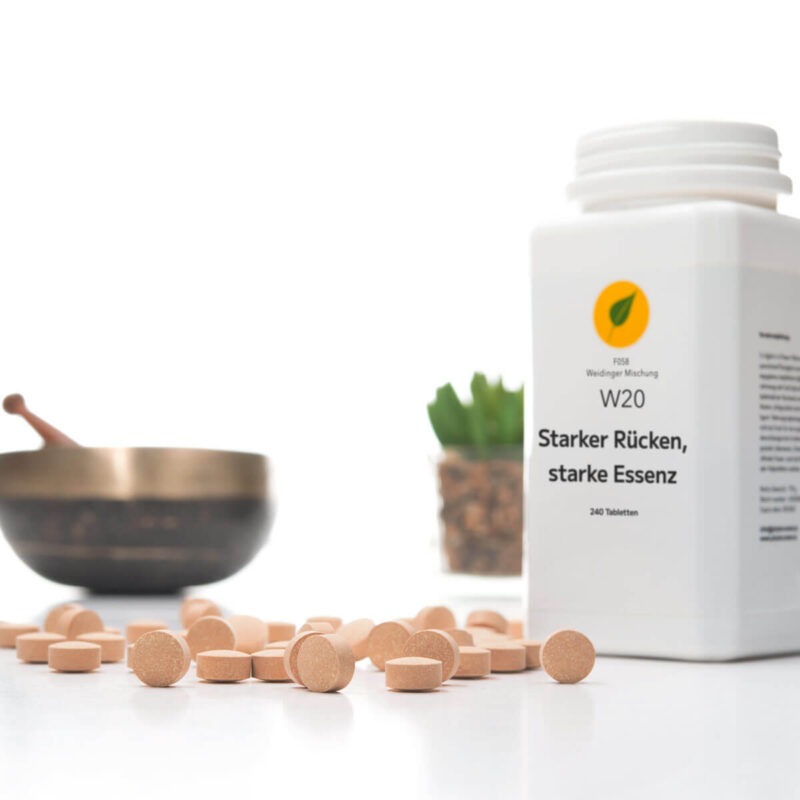
Qí Bó & Wolfgang recommend:
Product of the month: W20 - Strong back, strong essence
With Cordyceps & Rehmannia - The essence protection formula for the winter
W20 is PURE regeneration. No quick energy that leaves you even more exhausted later. This blend nourishes your root - the Jing, your life essence.
„治未病 (Zhi Wei Bing) - Treat the disease before it arises.“
Ideal for you if:
You constantly have cold hands & feet, your lower back feels weak or cold, you feel like you have no more energy around 5 pm, you feel empty - not just tired.
Your 7-day energy test
BEFORE the 3-way method (note today):
- Energy level 17:00 (1-10): __________
- Sensation of cold hands/feet (1-10): __________
- Sleep quality (1-10): __________
- Morning freshness (1-10): __________
AFTER 7 days (note on the 8th day):
- Energy level 17:00 (1-10): ___
- Sensation of cold hands/feet (1-10): ___
- Sleep quality (1-10): ___
- Morning freshness (1-10): ___
Result: If your values have improved by at least 2 points, you are on the right track. Keep at it!
The conclusion of the 3 wise men
The Yellow Emperor: „So the message is: December is not our enemy. It is a teacher who shows us that we need rest?“
Qi Bo: „Exactly, your majesty. Winter tells us: store your essence, warm your kidneys, allow yourself to rest. If we follow this, we will not only get through the winter, but we will come into spring stronger. Exhaustion is a signal - not fate.“
Dr. Weber: „And scientifically speaking: If we respect our biorhythm, take care of our adrenal glands and provide our body with light, warmth and nutrients, then we can not only overcome winter exhaustion - we can even become more vital than in summer. It's about working WITH the body, not AGAINST it.“
The Yellow Emperor: „Then may everyone who reads these words understand: Your exhaustion in December is not a failure. It is an invitation to find your way back to nature. Warm yourself. Rest yourself. Nourish your kidneys. And in January you will reap the rewards.“
Qi Bo: „Just as animals gather their energy in winter for spring - so should we.“
Dr. Weber: „And remember: every day that you implement the 3-way method is a day on which your cells regenerate and your energy grows.“
Preview:
The Yellow Emperor: „Next month in January, we'll be looking at another winter topic: how to strengthen your immune system and get through the rest of the winter without catching a cold.“
Qi Bo: „We will talk about Wei-Qi - the defensive energy that surrounds us like an invisible protective shield.“
Dr. Weber: „And I'll show you how the immune system really works and why TCM and modern immunology are a perfect match.“
The Yellow Emperor: „Until then - may your inner warmth grow and your energy return! Stay warm, stay calm, stay powerful.“
About our „3 Wise Men“ story
Who are the Yellow Emperor and Qi Bo?
The Yellow Emperor (Huangdi, 黄帝) is said to have lived around 2600 BC and is regarded as the mythical founder of Chinese culture and medicine. Qi Bo was his most important advisor and personal physician. Their discussions about health, illness and human nature were recorded in the most important fundamental work of TCM.
The book: Huangdi Neijing
The „Huangdi Neijing“ (黄帝内经), also known as „The Yellow Emperor - The Fundamental Work of Traditional Chinese Medicine“, was probably written between 200 BC and 200 AD. It is the oldest surviving work of Chinese medicine and consists of dialogues between the Yellow Emperor and his advisors - mainly Qi Bo.
This work is to TCM what the Bible is to Christianity: the absolute foundation. All the important concepts - yin and yang, the 5 elements, qi, meridians and acupuncture points - are systematically described here for the first time.
Our modern approach: The 3 wise men
In our series „The 3 Sages“, we bring the Yellow Emperor and Qi Bo together with the fictional modern doctor and microbiologist Dr. Weber.
Important note: All three characters and their conversations are purely fictitious and invented by us.
We use this narrative form, similar to the dialog form in the book Huangdi Neijing, to convey the often complex relationships of TCM in an understandable and entertaining way. When the 4000-year-old emperor is confronted with modern science, enlightening „aha moments“ arise which show that ancient wisdom and new research often speak the same language: Ancient wisdom and new research often speak the same language - just in different words.
This makes TCM lively, understandable and practically applicable for your everyday life.
The dialogs are creative interpretations - not historical documents. For medical questions, please consult a qualified TCM therapist or doctor.
If you do not preserve your essence in winter, you will lack the strength to grow in spring.
Traditional TCM wisdom
More interesting tips & articles

TCM tip of the week
Wieder geschmeidig werden — in jedem Alter
Erinnerst du dich? Wie du als Kind gerannt bist — ohne nachzudenken. Wie du gesprungen bist — ohne Angst. Wie du…
Apr
TCM tip of the week
Wetterfühlig? Das Problem ist nicht das Wetter
Gerade war noch Sonne. Jetzt Regen. Morgen wieder 20 Grad. Übermorgen Frost. April macht, was er will. Und dein Kopf macht…
Mar




Our most popular products

A wonderful idea to present the topic in such a format.
Many thanks for this great information!!! Keep up the good work!!!