






Mo Yao — Myrrh
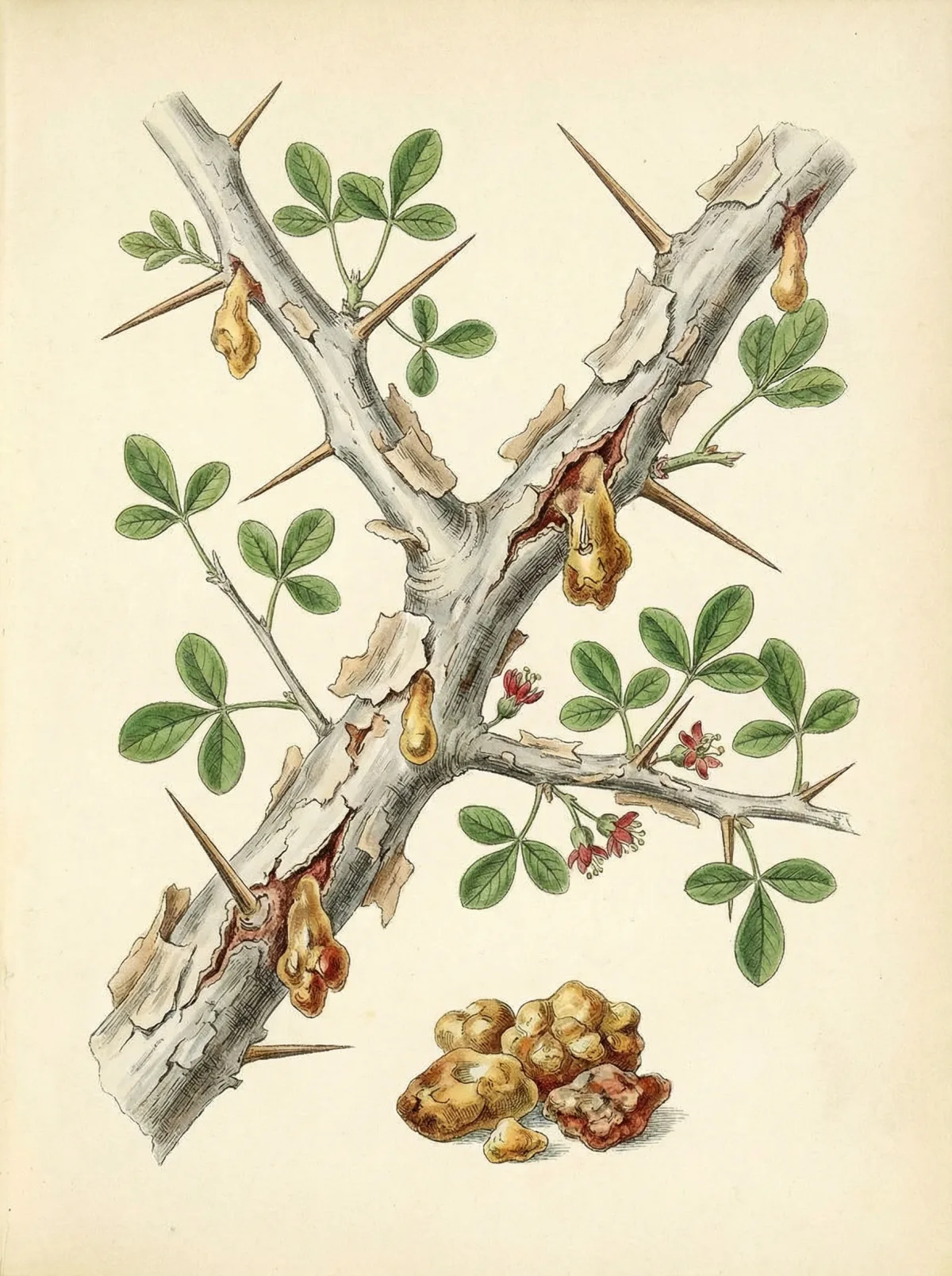
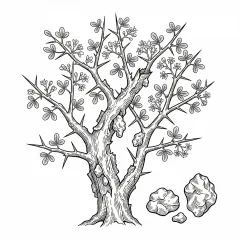
Mo Yao—the resin of the myrrh tree (Commiphora myrrha)—is a classic TCM remedy that invigorates the blood and relieves pain. It belongs to the middle category and has been used since ancient times both internally for blood stasis and externally for wound healing. In Western tradition, myrrh is known as one of the three gifts of the Magi.
Effect from a Western perspective
- Myrrh contains sesquiterpenes, furanodienterpenoids, and essential oils, which have been shown in pharmacological studies to possess anti-inflammatory, analgesic, and antimicrobial properties. The active ingredient curzerene inhibits prostaglandin synthesis, which explains its pain-relieving effect at the molecular level.
- Clinical studies demonstrate accelerated wound healing through the promotion of fibroblast activity and the inhibition of pathogenic microorganisms such as Staphylococcus aureus. Positive results from controlled studies are available regarding its use for arthritis and inflammatory joint diseases. The antiseptic effect of myrrh tinctures on inflammation of the oral mucosa is well documented in European phytotherapy and recognized by Commission E.
Effect from a TCM perspective
- Mo Yao stimulates blood circulation, relieves blood stasis, and alleviates pain.
- It reduces swelling and promotes tissue healing.
- Pain relief is particularly effective for fixed, stabbing pains—the classic sign of blood stasis.
Application & dosage
- 3–10 g in a decoction
- For external use as a powder or in ointments
- It is often prepared with vinegar (Cu Mo Yao) for more effective pain relief
Dosage forms
- Decoction
- Powder
- Ointment (for external use)
- Tincture
Dosage
3–10 g (decoction)
Frequent combination partners
Mo Yao often only reaches its full potential when combined with other herbs
Combinations & formulas
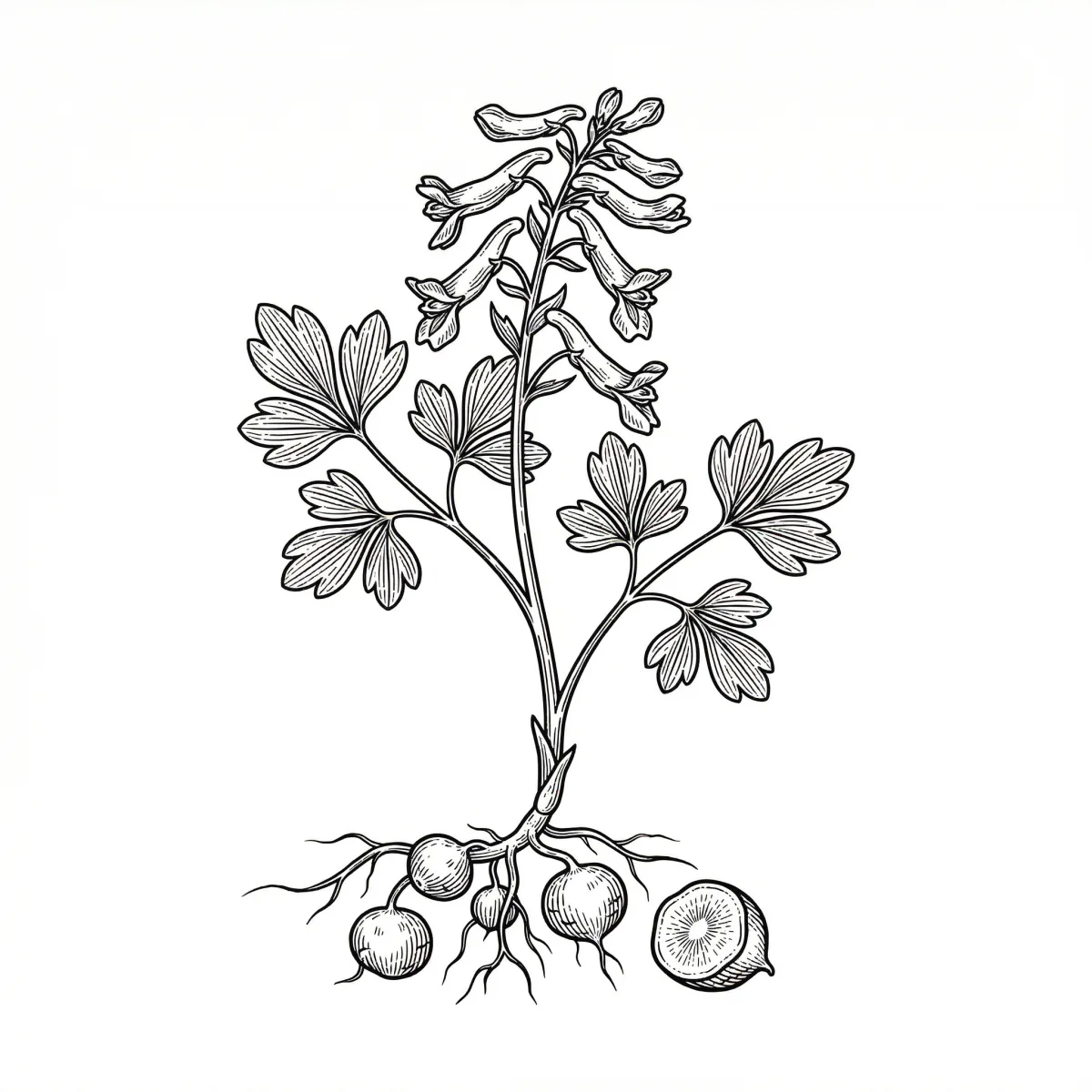
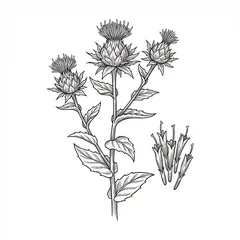
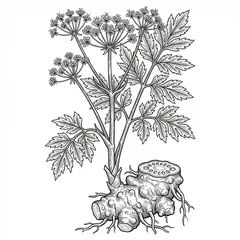
- With Ru Xiang (incense) forms Mo Yao The most famous pair in TCM for promoting blood circulation and relieving pain—these two resins are almost always used together and complement each other synergistically.
- With Dang Gui and Chuan Xiong in cases of traumatic injuries involving blood stasis and accompanying anemia.
- For external use: Xue Jie (Dragon's Blood) as a wound powder for slow-healing wounds and skin ulcers.
History & Tradition
Mo Yao reached China via the Silk Road and maritime trade routes from East Africa and the Arabian Peninsula. It was first systematically described as a Chinese medicinal herb in the Song Dynasty’s *Kāi Bǎo Běn Cǎo* (973 AD).
The name Mò Yào is derived from the Arabic word murr (bitter)—a reference to the resin’s characteristic bitter taste. The combination with Ru Xiang—the classic pair Rǔ Mò—was already used in the Song Dynasty for trauma treatment and pain management and remains one of the best-known herbal combinations in TCM to this day.
Contraindications & caution
Contraindicated during pregnancy—Mo Yao strongly stimulates blood circulation and may induce uterine contractions. Do not use in cases of heavy bleeding without blood stasis. May cause nausea in people with sensitive stomachs—recommended to take after meals.
Botany
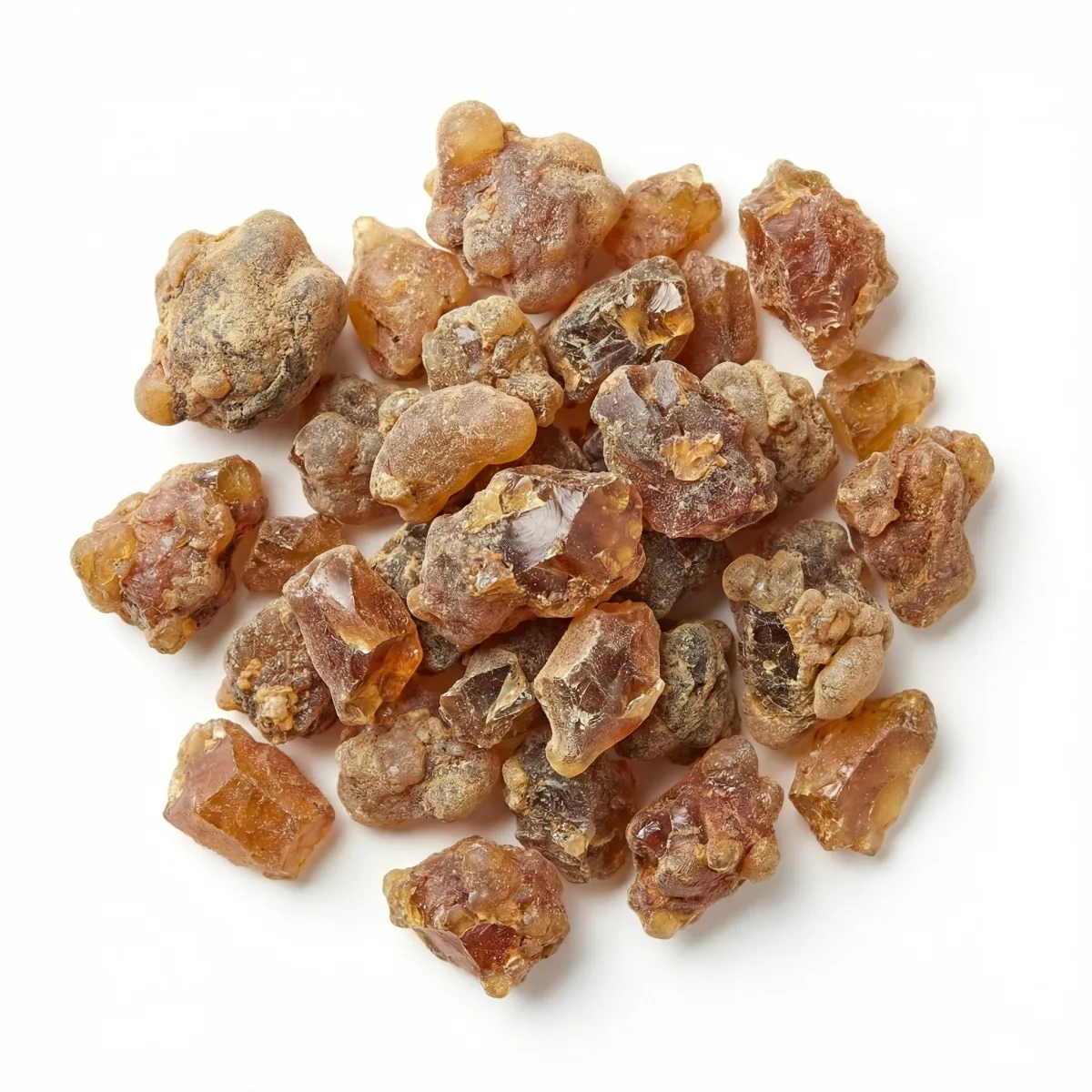
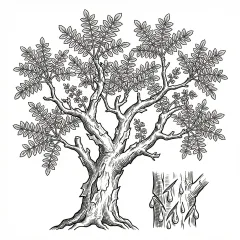
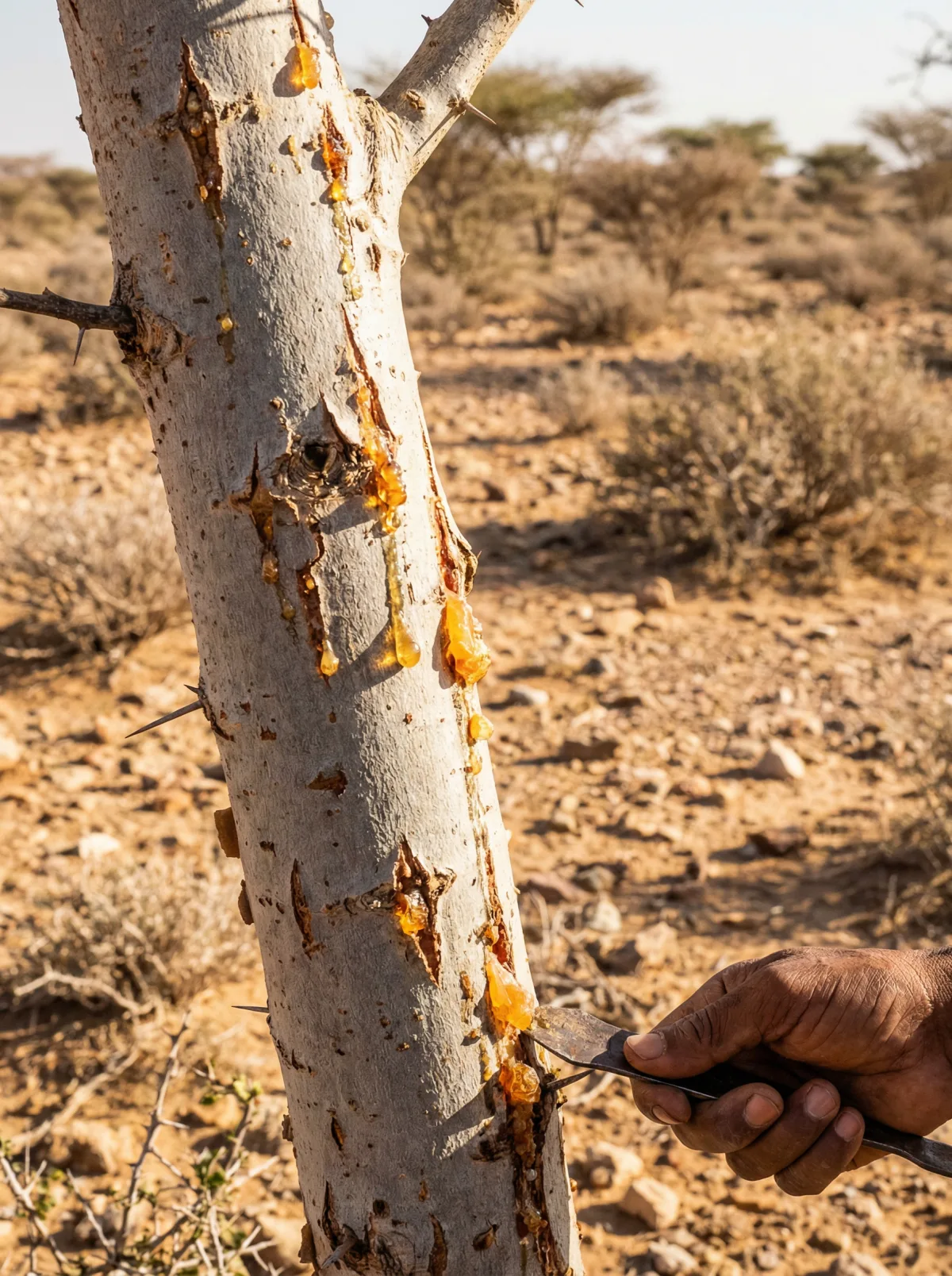
Commiphora myrrha is a small, thorny tree or shrub in the family Burseraceae. It grows to a height of 3–5 meters, has silvery-gray bark, thorny branches, and small, trifoliate leaves. The aromatic resin oozes spontaneously from cracks or through deliberate incisions in the bark and hardens in the air into reddish-brown, irregular lumps.
The main growing region is located in the Horn of Africa and the Arabian Peninsula: Somalia, Ethiopia, Eritrea, Yemen, and Saudi Arabia. China imports all of its supply, as the plant is not native to East Asia.
Occurrence
Somalia, Ethiopia, Eritrea, Yemen, Saudi Arabia
Harvest time
Year-round (resin harvesting)
Processing
Raw or prepared with vinegar (Cu Mo Yao)
Related herbs
Herbs with similar effects and related areas of application
Comparable western herbs
- Frankincense (Boswellia sacra / B. serrata) — also a tree resin from the same geographic region; highly anti-inflammatory due to its inhibition of 5-lipoxygenase; traditionally used for arthritis and inflammatory bowel diseases. In TCM, it is almost always used in combination with Mo Yao under the name Ru Xiang.
- Arnica (Arnica montana) — A Western medicinal herb used for blunt trauma, bruises, and swelling; comparable to the external application of Mo Yao for injuries involving blood stasis.
- Calendula (Calendula officinalis) — Calendula is a traditional wound-healing herb; when used topically, it acts as an antiseptic and promotes granulation, comparable to Mo Yao for slow-healing wounds and skin lesions.
- Devil's claw (Harpagophytum procumbens) — an African medicinal herb with analgesic and anti-inflammatory properties; its Western counterpart for chronic joint pain and blood stasis patterns in TCM.