





Lian Zi Xin — Lotus Seedling

The bitter heart of the lotus, the heart—it cools the fire and calms the mind

Inside every lotus seed lies a tiny green sprout—so bitter that many people remove it. Yet it is precisely this bitterness that is its strength: Lian Zi Xin extinguishes heart-fire like no other herb.

Lotus seedling Nelumbinis Plumula Lotus Seed Heart Lian Zi Xin

Flavor ⓘ Bitter
Temperature ⓘ Cold
Meridian ⓘ Heart, Kidney
Plant part ⓘ Seeds
Class ⓘ Middle class
Direction of action ⓘ Clarifying

Helps with ⓘ Heat

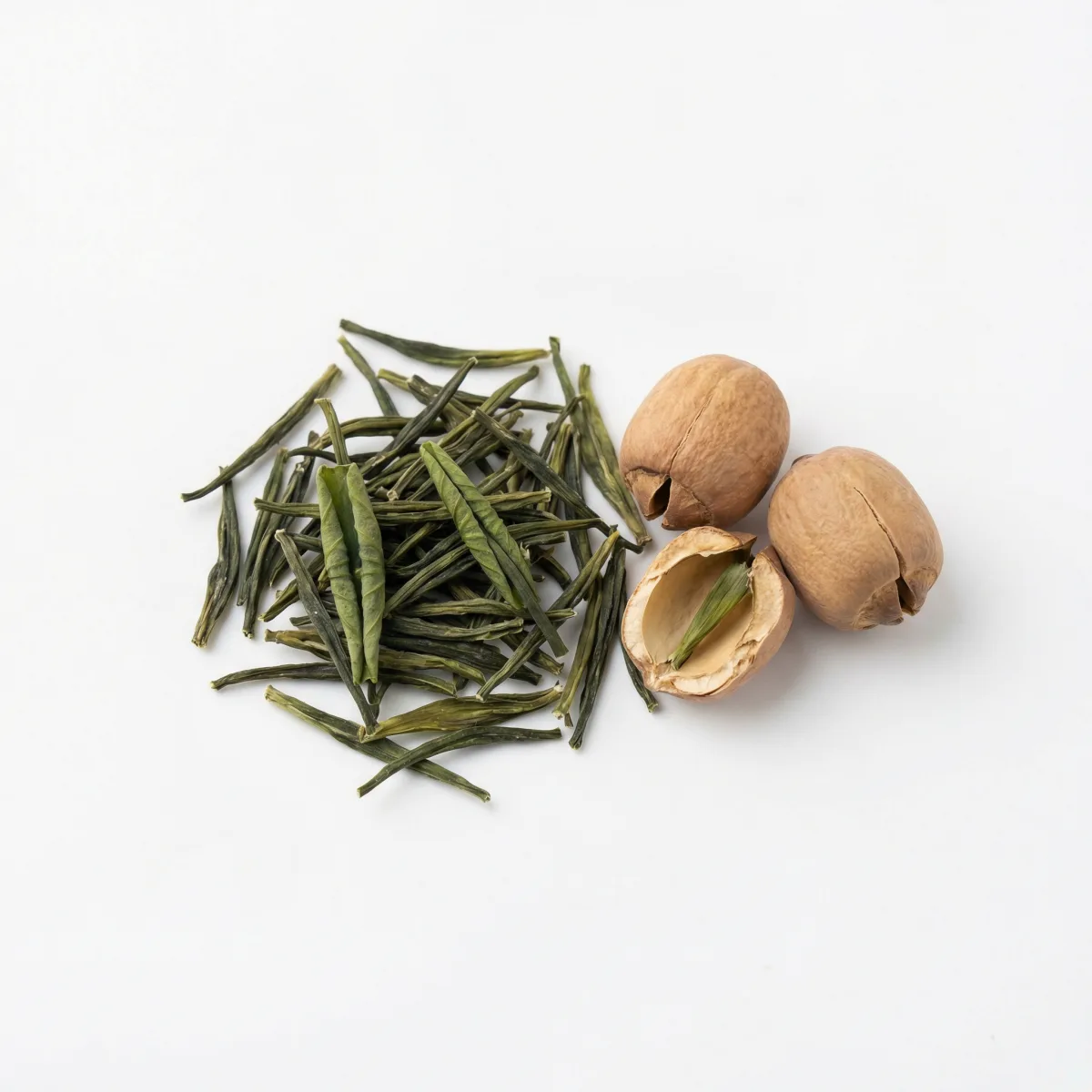
Lian Zi Xin—the green sprout inside the lotus seed—is one of the most powerful natural remedies for heart fire. It is extremely bitter, has a strong cooling effect, and calms the agitated mind. Despite its small size, it has a targeted, powerful effect on the heart and is used to treat insomnia, restlessness, and heart palpitations caused by heat.

Effect from a Western perspective

Lian Zi Xin contains isoquinoline alkaloids (liensinin, neferin, isoliensinin) with proven cardiovascular and sedative effects. Studies have shown that neferin has antiarrhythmic and blood pressure-lowering properties.

  • Sedative: Alkaloids promote sleep by modulating GABA receptors
  • Antiarrhythmic: Neferin stabilizes the heart rhythm
  • Antihypertensive: Vasodilation through calcium channel blockade
  • Antioxidant: Protects heart muscle cells from oxidative stress
  • Antitumor: Liensinin exhibits proapoptotic effects in vitro

Effect from a TCM perspective

Lian Zi Xin clears heart fire and calms the shén. It cools the blood and stops bleeding caused by heat. It is particularly effective for heart fire accompanied by restlessness, insomnia, oral thrush, and dark, burning urine.

  • Clears Heart Fire (restlessness, insomnia, oral thrush)
  • Calms the ShĂ©n when heat rises
  • Cools the blood and stops heat-related bleeding
  • Lowers Heart Fire to the Small Intestine (burning urine)
  • Connects the heart and kidneys in cases of a disrupted heart-kidney axis
TCM Application: Lian Zi Xin

Application & dosage

  • 2–5 g in a decoction (standard dose)
  • As tea: Pour hot water over 1–2 g
  • Very bitter — can be mellowed with a little honey

Dosage forms

  • Decoction
  • Tea
  • Granules

Dosage

2–5 g (decoction)

Frequent combination partners

Lian Zi Xin often only reaches its full potential when combined with other herbs
Combinations & formulas

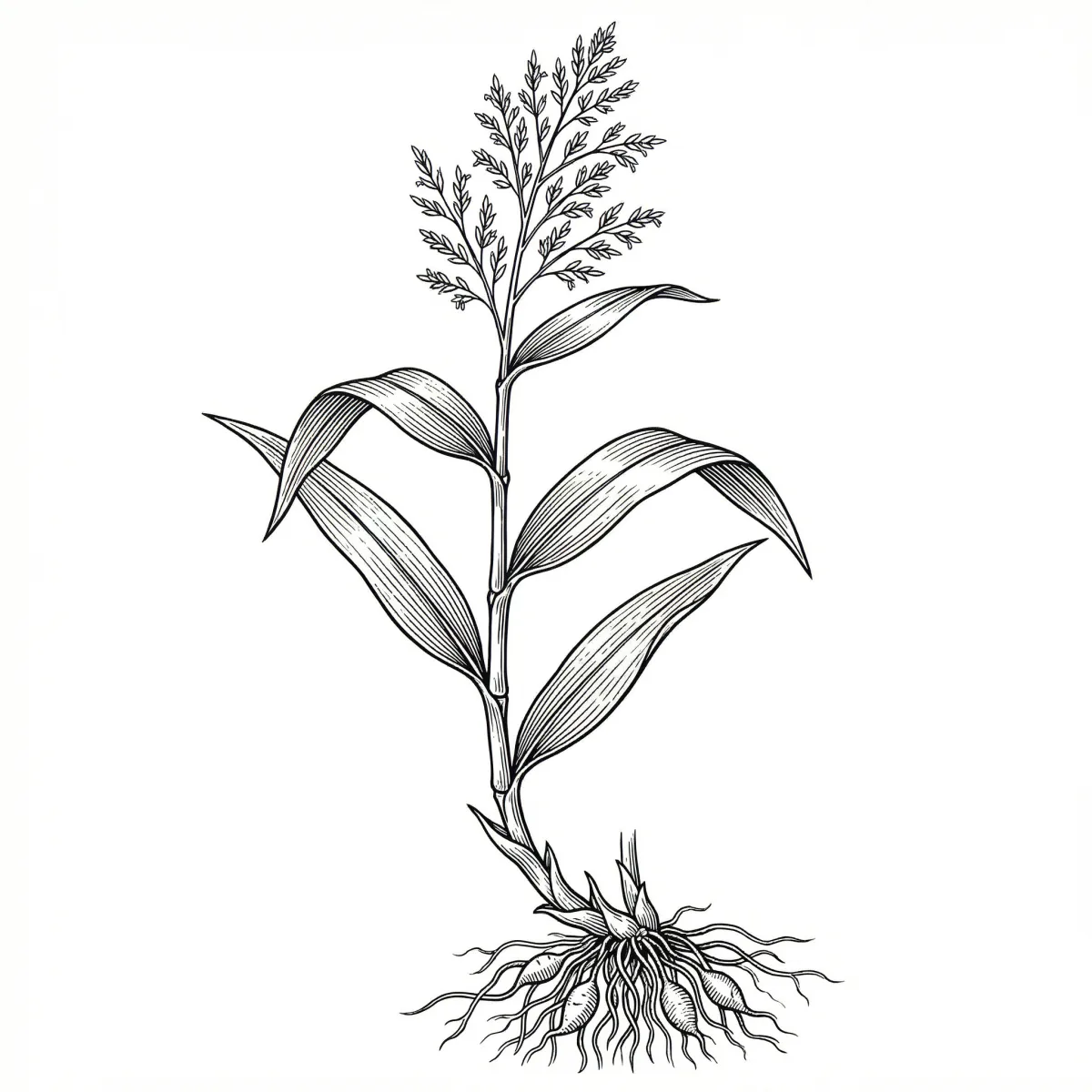
  • Clarifies with Zhu Ye (bamboo leaf) Lian Zi Xin Heart-Fire in cases of oral thrush, thirst, and restlessness—a classic combination of the Wēn BĂŹng school.
  • With Huang Lian It enhances the heart-fire-clearing effect in cases of severe insomnia accompanied by palpitations.
  • With Mai Men Dong and Sheng Di Huang It simultaneously nourishes Yin and cools the fire in cases of Yin deficiency heat.

History & Tradition

Since the Song Dynasty, Lian Zi Xin has been distinguished from lotus seeds (Lian Zi) as a separate medicinal substance. While Lian Zi strengthens the kidneys and has an astringent effect, the sprout specifically cools heart fire.

In the 13th century, Wang Haogu described the distinction: The seed nourishes; the sprout clears. In the *Wēn BĂŹng TiĂĄo BiĂ n* (Systematic Differentiation of Heat-Related Diseases), Wu Jutong uses Lian Zi Xin in his famous *QÄ«ng Gƍng Tāng* formula to clear heat from the Heart Palace.

Contraindications & caution

Not for Yang deficiency with cold symptoms. Not for spleen Qi deficiency with diarrhea. Overdose can severely cool the middle jiao. Use with caution during pregnancy.

Plant photo: Lian Zi Xin

Botany

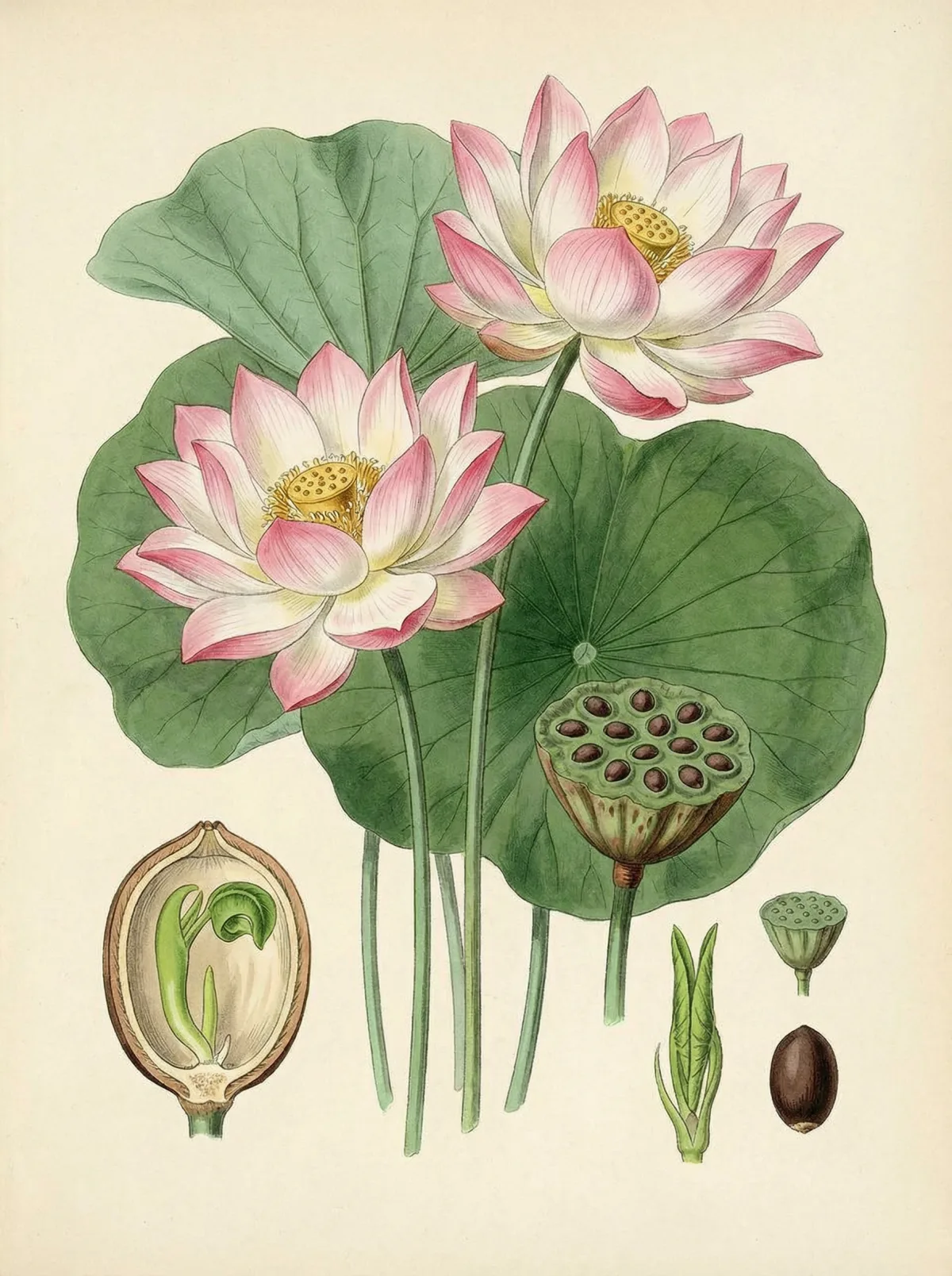
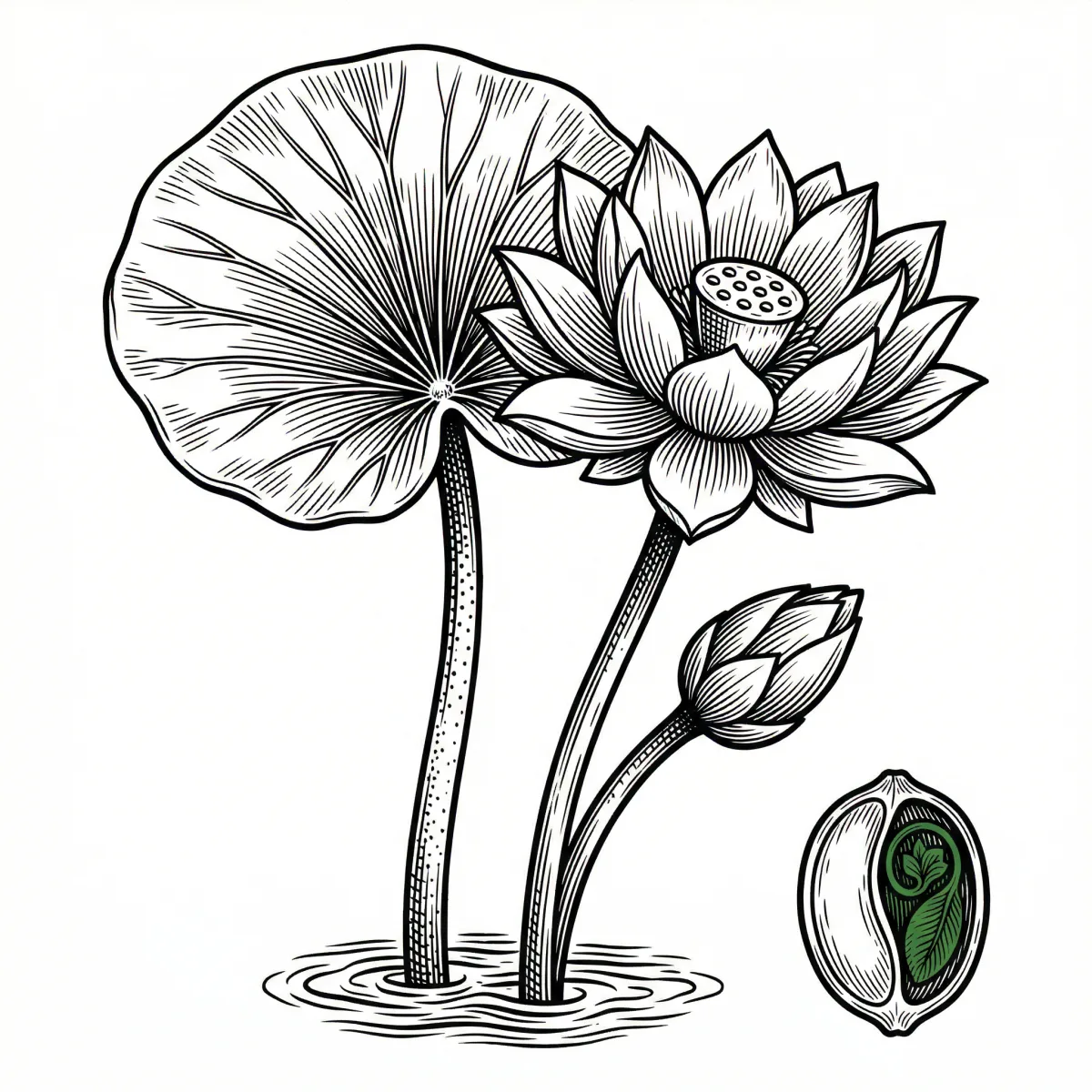
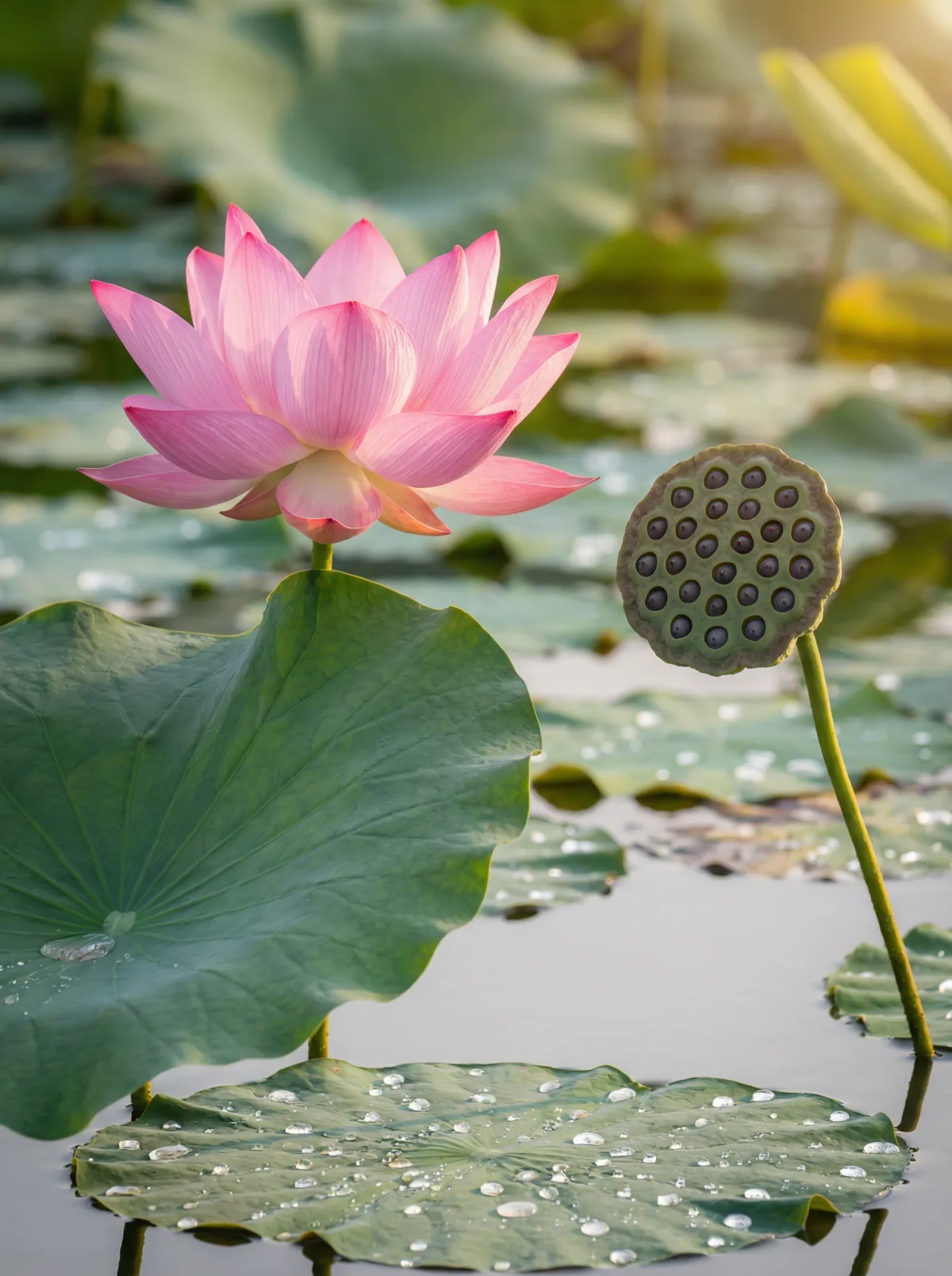
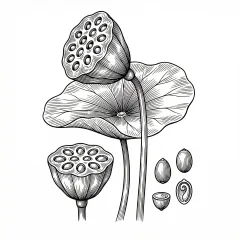
Nelumbo nucifera is a perennial aquatic plant in the lotus family (Nelumbonaceae). The plumule is the green embryo at the center of the mature seed—1–1.5 cm long, consisting of two delicate cotyledons.

Distribution: Cultivated throughout East and Southeast Asia in lakes, ponds, and rice paddies. The seeds are harvested in the fall, and the seedlings are extracted by hand.

Harvest time

Fall (seed ripening)

Processing

Freshly extracted and dried

Related herbs

Herbs with similar effects and related areas of application
Comparable western herbs

  • Valerian (Valeriana officinalis) — the most commonly used Western sedative for insomnia and nervous restlessness; native to all of Europe; Valeric acid and valepotriates modulate the GABA receptor—the same signaling pathway through which the isoquinoline alkaloids of the lotus seedling (neferine, liensinine) exert their sedative effects. Studies show a moderate improvement in the time it takes to fall asleep.
  • Passionflower (Passiflora incarnata) — anxiolytic and calming for heart palpitations and difficulty falling asleep; native to North America, now cultivated in Europe; the flavonoid chrysin has a GABAergic effect and dampens nervous system hyperactivity—comparable to the effect of lotus seedling on restlessness caused by “heart fire.” The evidence is solid but could be further expanded.
  • Hawthorn (Crataegus monogyna / Crataegus laevigata) — Europe’s classic heart tonic; native to forest edges and hedgerows in Central Europe; Oligomeric proanthocyanidins and flavonoids have vasodilatory, blood pressure-lowering, and antiarrhythmic effects—similar to neferin from Lian Zi Xin, which stabilizes heart rhythm. Well-documented evidence for its use in functional heart conditions.