




Luo Bu Ma — Apocynum leaf

The herb that calms rising liver yang and regulates blood pressure

In Xinjiang, Luo Bu Ma grows wild in the desert—a hardy plant that withstands extreme conditions. It is precisely this resilience that makes it particularly effective for treating high blood pressure: it calms the rising liver and gently lowers blood pressure.

Apocynum leaf Leaf of the Venetian Apocynum Robma Luo Bu Ma

Flavor Sweet, Bitter
Temperature Cool
Meridian Liver
Plant part Leaf
Class Middle class
Direction of action Clarifying

Helps with Heat

Luo Bu Ma—the Apocynum leaf—is a relatively new herb in TCM practice, used particularly for high blood pressure caused by rising liver yang. It calms the liver, reduces rising yang, and has a mild diuretic effect. In China, Luo Bu Ma tea is a widely used folk remedy for regulating blood pressure.

Effect from a Western perspective

Luo Bu Ma contains flavonoids (hyperoside, isoquercitrin), organic acids, and amino acids. Clinical studies in China have demonstrated significant blood pressure-lowering and lipid-lowering effects.

  • Blood Pressure-Lowering: Vasodilation Through Nitric Oxide Release
  • Lipid-lowering: Reduction of total cholesterol and triglycerides
  • Sedative: Flavonoids have a mild calming effect on the central nervous system
  • Antioxidant: Protects the inner wall of blood vessels from oxidative damage
  • Cardioprotective: Improving Heart Function in Older Adults

Effect from a TCM perspective

Luo Bu Ma calms the liver and subdues rising Yang. It clears liver heat, promotes urination, and calms the mind. Its primary indication is high blood pressure caused by rising liver Yang, accompanied by headaches, dizziness, and irritability.

  • Reduces rising liver yang (high blood pressure, dizziness)
  • Relieves liver heat (headaches in the temples, irritability)
  • Calms the mind (insomnia, restlessness caused by liver fire)
  • Promotes urination (mildly diuretic)
  • Lowers blood lipids in cases of liver qi stagnation
TCM Application: Luo Bu Ma

Application & dosage

  • 6–12 g in a decoction (standard dose)
  • As tea: 3–6 g daily
  • Cook briefly (10–15 min.); do not overcook

Dosage forms

  • Decoction
  • Tea
  • Granules
  • Tablets

Dosage

6–12 g (decoction)

Frequent combination partners

Luo Bu Ma often does not reach its full potential until it is combined with other herbs
Combinations & formulas

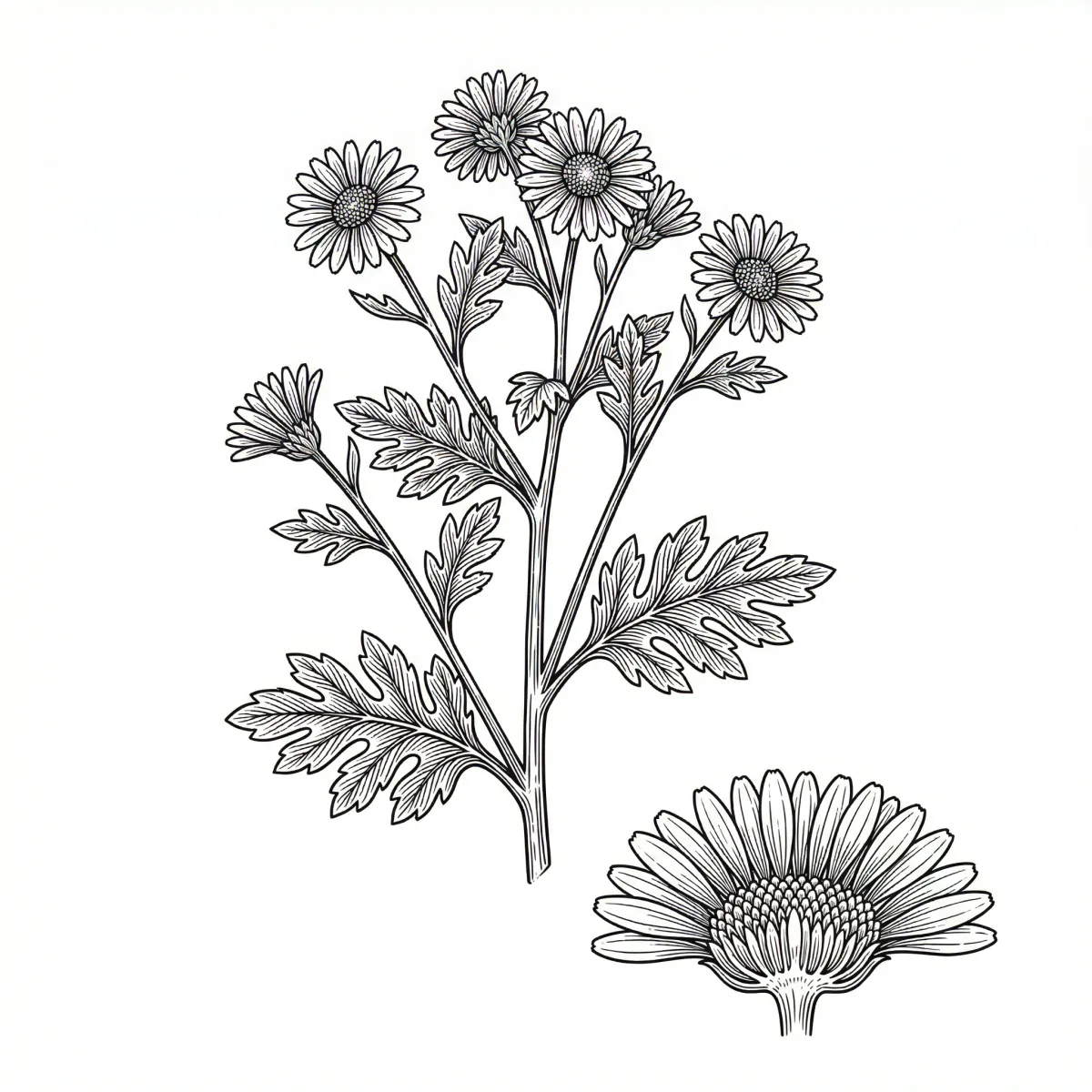
  • With Ju Hua and Xia Ku Cao increased Luo Bu Ma the liver—which has a yang-lowering and blood pressure-regulating effect.
  • With Gou Teng and Tian Ma It is a powerful combination for treating high blood pressure accompanied by dizziness and headaches.
  • With Shan Zha and He Ye helps lower blood lipid levels in people with metabolic syndrome.

History & Tradition

Luo Bu Ma is named after the Lop Nor (罗布泊) region in Xinjiang, where the plant is particularly common. It was not systematically included in the TCM pharmacopoeia until the 20th century, but had long been known in the folk medicine of the Uyghur people.

Since the 1950s, Luo Bu Ma has been the subject of extensive research in China, particularly for its blood pressure-lowering properties. Today, it is one of the most commonly used single herbs for mild hypertension.

Contraindications & caution

Do not use if you have low blood pressure. Do not use if you have spleen-stomach cold. Use caution when taking this product along with blood pressure medication (additive effect). Overdose may cause nausea.

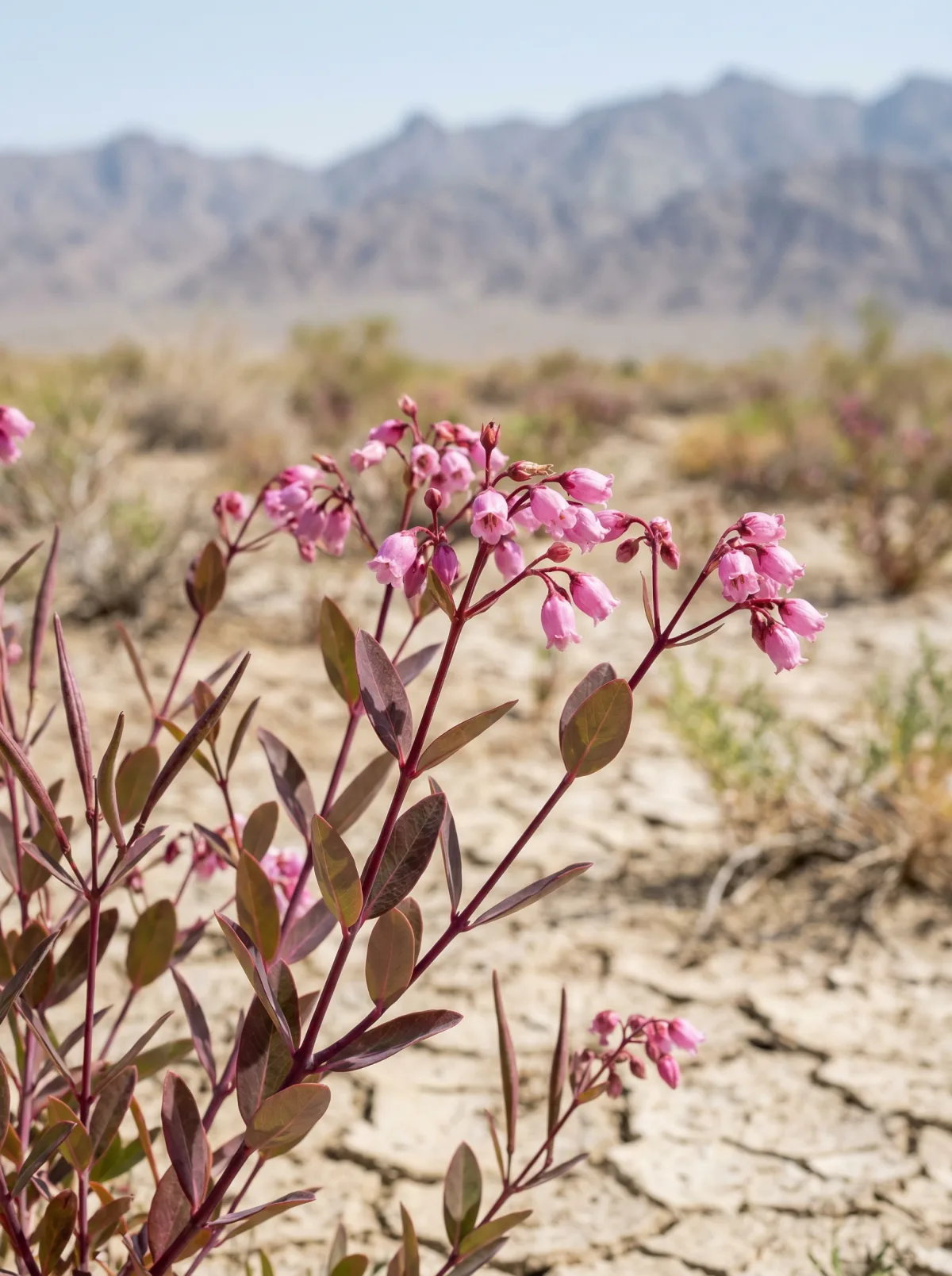
Plant photo: Luo Bu Ma

Botany

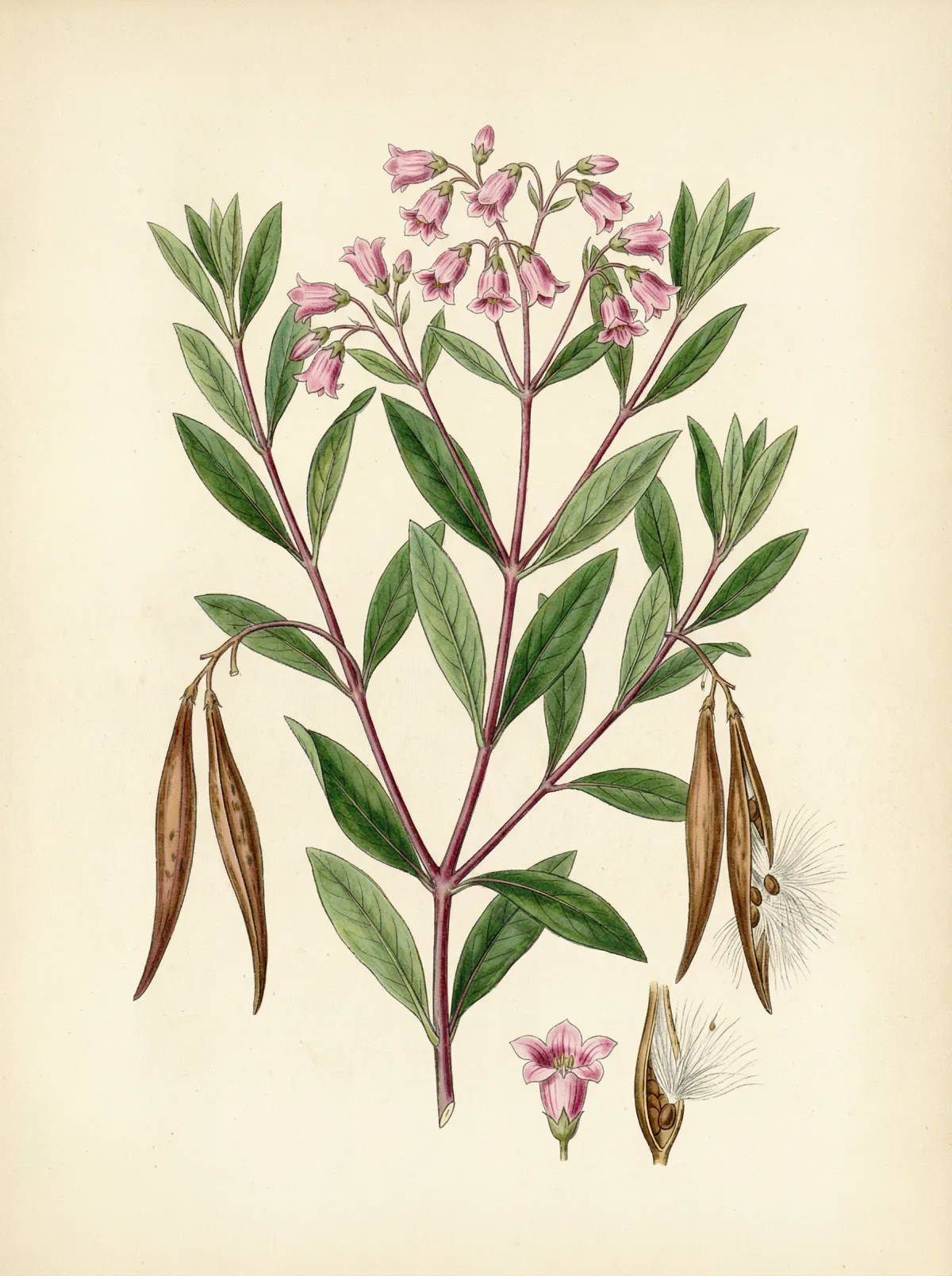
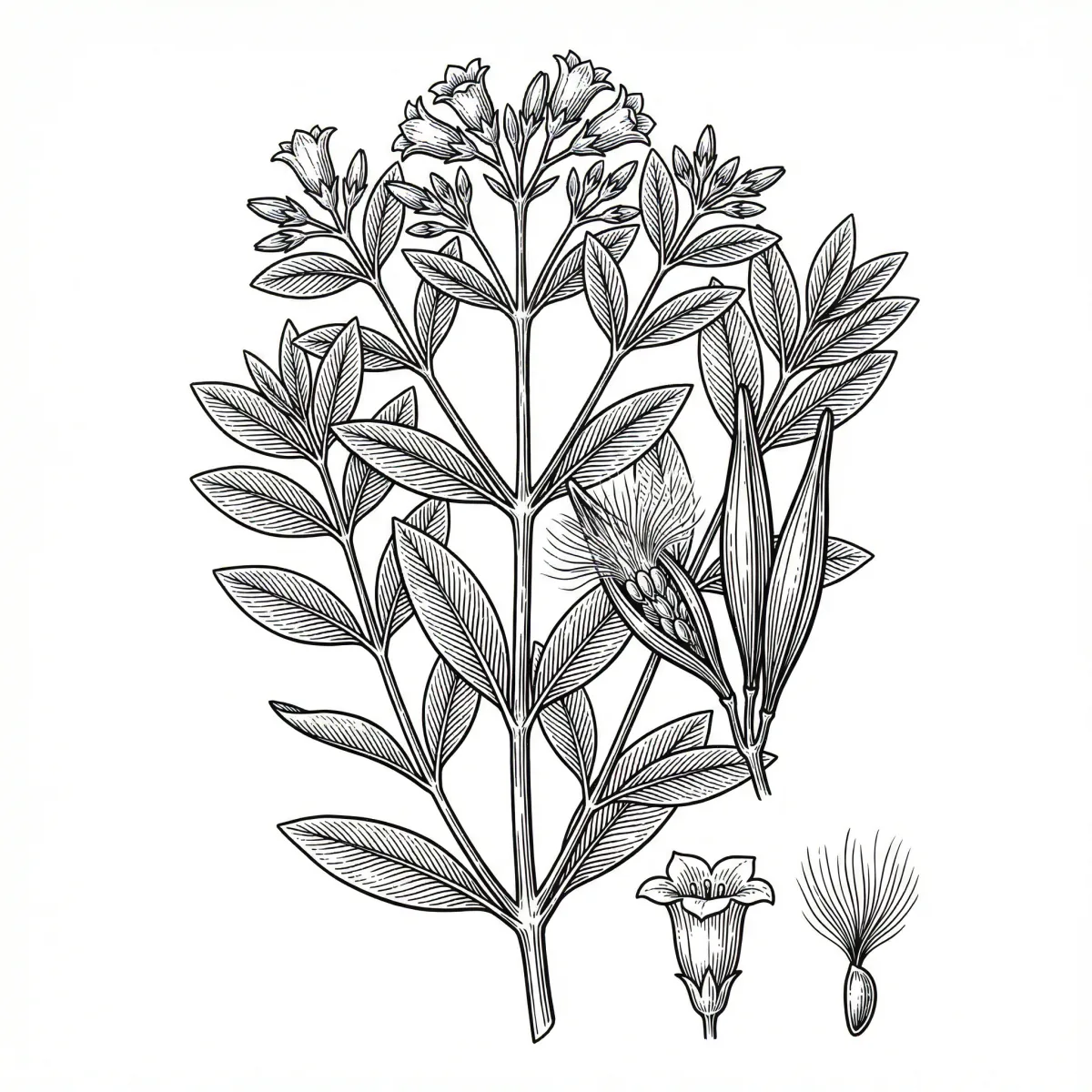
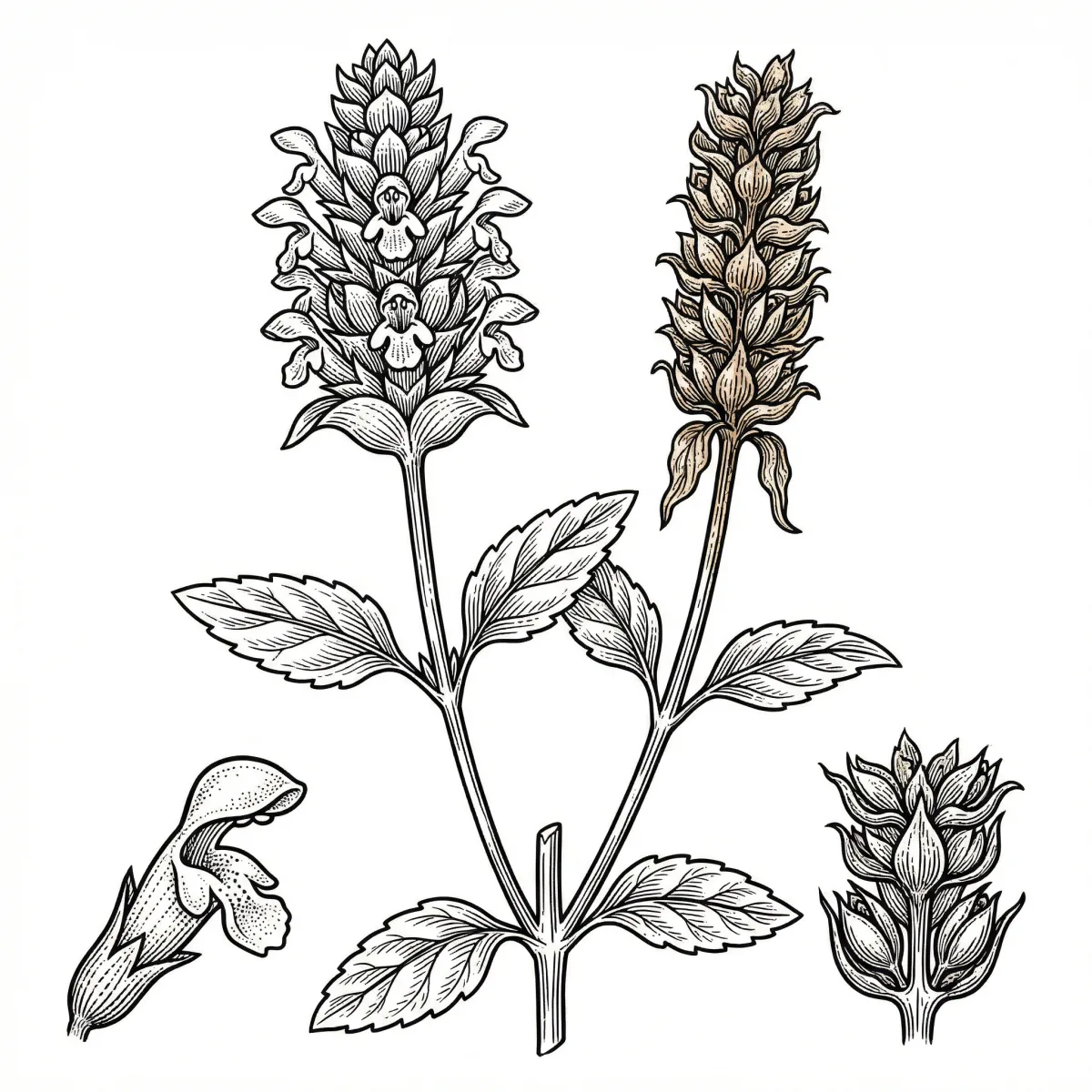
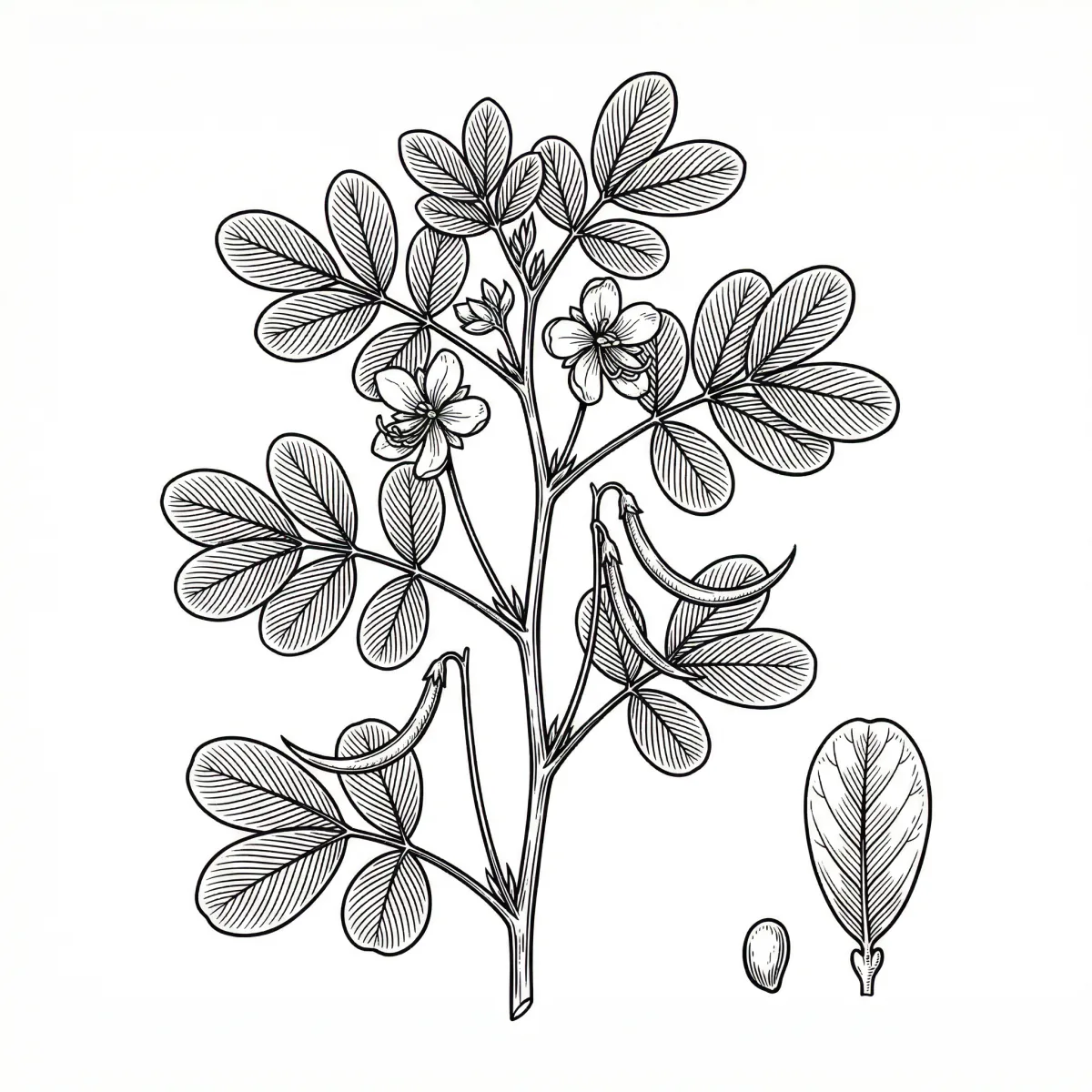
Apocynum venetum is a perennial plant in the dogbane family (Apocynaceae). It grows to a height of 1–2 m and bears pink-purple flowers. The leaves are lanceolate and opposite.

Distribution: Arid regions of Central Asia, particularly Xinjiang, Gansu, and Inner Mongolia. Grows wild on salty soils and in desert fringe areas. The leaves are harvested in the summer before flowering.

Harvest time

Summer (before flowering)

Processing

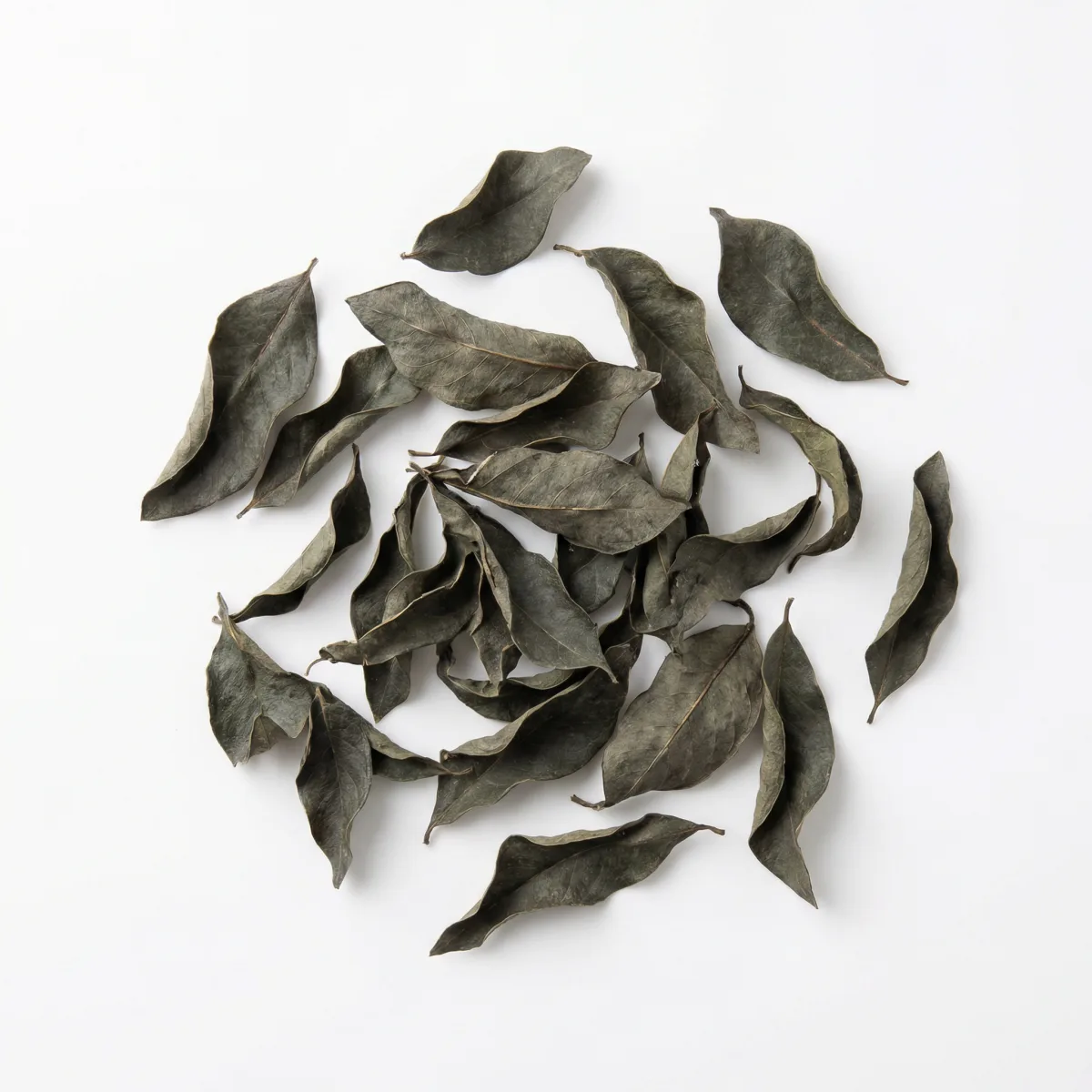
Leaves dried; lightly roasted for tea

Related herbs

Herbs with similar effects and related areas of application
Comparable western herbs

  • Rauwolfia (Rauwolfia serpentina) — botanically closely related to Luo Bu Ma (both in the Apocynaceae family, dogbane family); native to India and Southeast Asia; contains the alkaloid reserpine, which lowers blood pressure by depleting norepinephrine stores — pharmacologically significantly more potent than the flavonoids in Apocynum leaves, but they share the same taxonomic relationship and primary indication for hypertension. Historically, it was the first herbal antihypertensive used in conventional medicine.
  • Mistletoe (Viscum album) — the traditional European folk remedy for high blood pressure; grows as a parasite on various deciduous trees; lectins and viscotoxins have vasodilatory and mildly diuretic effects — similar indications to Luo Bu Ma for hypertension caused by rising liver yang. Clinical studies suggest moderate blood pressure-lowering effects.
  • Olive leaf (Olea europaea) — a well-studied remedy for high blood pressure and elevated blood lipids; native to the Mediterranean region; Oleuropein exerts a vasodilatory effect through the release of nitric oxide and inhibits lipid oxidation — a mechanism of action very similar to that of the flavonoids (hyperoside, isoquercitrin) found in Luo Bu Ma. Studies suggest clinically relevant effects.