




On this page, you will learn:
- What this diagnosis means from the point of view of TCM and Western medicine
- Where your symptoms come from and how they are connected
- Which specific treatment methods can help you now
- How you can nourish your heart yin and find inner peace with TCM herbs, acupressure, qi gong and nutrition
The good news: Heart yin deficiency can be treated very well with the right measures. With calming methods, a nourishing diet and sufficient rest, you can rebuild your heart yin and calm your mind.
Take your time, Get to know the different treatment approaches—you don't have to implement everything at once. Choose what feels right for you and what you can easily integrate into your everyday life.
Your treatment at a glance:
Which TCM pattern is really behind your complaints?
Degree of
imbalance

Mittel bis Deutlich
Typical
treatment duration

3 - 6 months
self-treatment
Possible

Can be treated yourself with instructions
Treatment–
scope

2–3 methods
Proposed
methods

Extensive range
Our free TCM analysis shows you your personal TCM pattern in just 10 minutes - and which treatment will help you best.
What is heart yin deficiency?
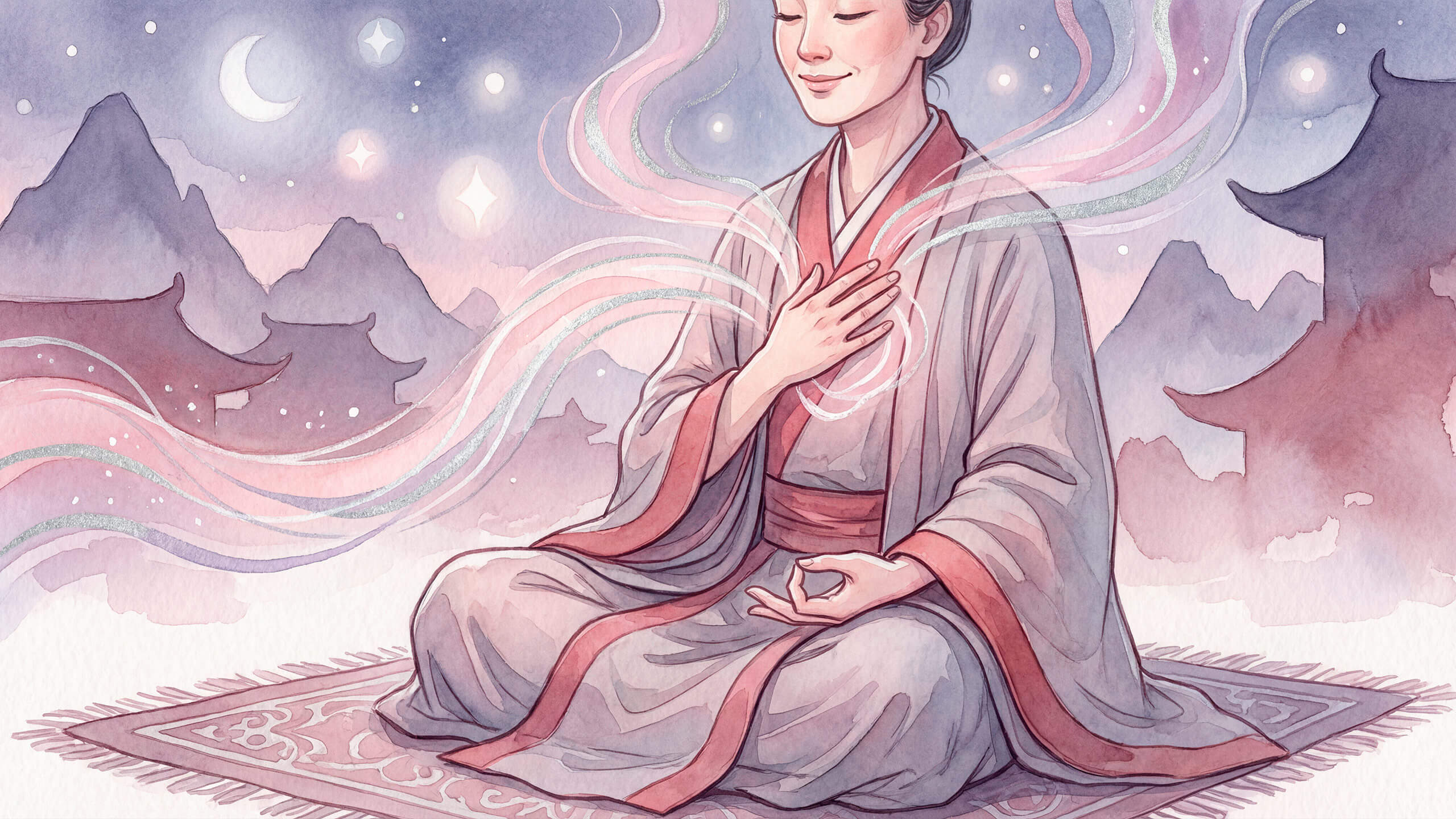
When the cooling juices of the heart are exhausted
The TCM perspective: nourishing the heart and calming the mind
In traditional Chinese medicine, the heart is the emperor of all organs and the seat of shen - the mind, consciousness and emotional clarity. The heart yin is the cooling, moisturizing and nourishing substance that anchors the spirit and gives it peace.
Heart yin is like cooling dew on a flame. Without this cool dew, the flame of the heart becomes uncontrolled - it flickers and flickers, the mind becomes restless and finds no peace. Sleep is disturbed, the heart beats wildly and inner restlessness spreads.
In TCM, the heart controls the blood and blood vessels, houses the spirit (Shen) and opens into the tongue. In the case of a heart yin deficiency, not only sleep and emotional balance suffer, but also the heart function itself - palpitations, a racing heart and a feeling of emptiness in the chest are typical signs.
The result of a heart yin deficiency: The cooling yin that nourishes and anchors the heart spirit is exhausted. Empty heat rises, the Shen becomes restless and the body shows signs of dryness, inner heat and emotional instability.
The typical signs of heart yin deficiency:
- Palpitations and palpitations, especially in the evening and at night
- Insomnia, difficulty falling asleep and sleeping through the night
- Night sweats, especially in the chest area
- Inner restlessness, anxiety and nervousness
- Vivid, disturbing dreams
- Dry mouth and throat
- Redness on the cheekbones, feeling of heat in the afternoon
- Forgetfulness and lack of concentration
The good news: Heart yin can be rebuilt with patience and the right measures. With calming exercises, a yin-nourishing diet, sufficient sleep and herbs such as suan zao ren (sour jujube), you can anchor your mind again and find inner peace.
The Western perspective: Vegetative dysregulation and sleep medicine
From a Western perspective, heart yin deficiency corresponds to a state of chronic vegetative overactivation with sleep disorders, heart rhythm problems and anxiety symptoms. The sympathetic nervous system is permanently activated, while the calming parasympathetic nervous system is too weak.
Think of your heart as an engine that is constantly running at full speed: If there is a heart yin deficiency, there is a lack of cooling and the engine overheats. The cooling system - the autonomic nervous system - is out of balance. The heart beats faster, there is a lack of rest and the body can no longer regenerate.
Modern sleep medicine is well aware of this condition: chronic stress leads to increased cortisol levels, which disrupt sleep. The heart shows functional arrhythmias - no structural damage, but a sign of overload. TCM has described this condition as heart yin deficiency for thousands of years.
What does modern medicine show?
- Vegetative dysregulation: overactive sympathetic nervous system, increased heart rate
- Sleep disorders: Reduced melatonin production, disturbed sleep architecture
- Functional cardiac arrhythmias: Extrasystoles, tachycardia without organic cause
- Chronic stress: increased cortisol and adrenaline levels
- Anxiety disorders: Amygdala overactivation, reduced prefrontal control
- Night sweats: disturbance of temperature regulation due to vegetative imbalance
Modern research confirms: Heart yin deficiency syndrome shows clear overlaps with burnout, autonomic dysregulation and chronic sleep disorders. Calming methods such as meditation, acupuncture and certain plant substances have been shown to improve heart rate variability and strengthen the parasympathetic nervous system.
TCM treatment for heart yin deficiency starts right here: It nourishes the heart yin, calms the mind and strengthens the parasympathetic nervous system. Calming foods such as lotus seeds and wheat, herbs such as Suan Zao Ren and sufficient rest restore inner balance - profoundly, sustainably and gently.

The Yellow Emperor team explains your diagnosis
Qi Bo | The Yellow Emperor | Dr. Lisa Weber
MASTER OF THE HEALING ARTS | TCM FOUNDER | MODERN PHYSICIAN
What happens when the legendary Yellow Emperor from TCM sits down with his advisor Qi Bo and a modern doctor? They discuss your diagnosis - with 4000 years of knowledge AND current science.
Heart Yin deficiency - When the cooling juices of the heart are exhausted and the mind cannot find peace
The Yellow Emperor: „Qi Bo, I observe people in my realm who complain of palpitations and a racing heart. They can't sleep at night, sweat in their sleep and are plagued by constant inner restlessness. Their dreams are vivid and disturbing, and their minds cannot find peace. What is the cause of this suffering?“
Qi Bo: „Your Majesty, these people suffer from a deficiency of heart yin - the cooling, nourishing substance that anchors the mind and gives peace to the heart. The heart is the emperor of all organs and the abode of shen - the mind, consciousness and emotional clarity. The heart yin is like cooling dew that calms a flame. Without this cooling dew, the flame of the heart becomes uncontrolled - it flickers restlessly, the Shen loses its anchorage and wanders. Hence the palpitations, the sleeplessness, the restless dreams.“
Dr. Weber: „That's a remarkable description of the autonomic nervous system! The heart is actually strongly influenced by the autonomic nervous system. The sympathetic nervous system accelerates the heart, the parasympathetic nervous system - especially the vagus nerve - slows it down and promotes rest and recovery. In cases of chronic stress or exhaustion, the sympathetic nervous system is overactive and the parasympathetic nervous system is too weak - the heart ‚flickers‘ in a figurative sense. Heart rate variability - a measure of parasympathetic activity - is often greatly reduced in such patients.“
The Yellow Emperor: „You speak of shen, the spirit. What exactly is this substance that resides in the heart?“
Qi Bo: „Majesty, the Shen is the highest consciousness, the luminous clarity of mind. It dwells in the heart like an emperor in his palace. Shen controls our thinking, our feeling, our consciousness and our sleep. When the heart yin is sufficient, the shen has a cooling, nourishing foundation - it is anchored, calm and clear. When the heart yin is depleted, the shen loses its anchorage. It becomes restless like a boat without an anchor on a stormy sea. Hence the insomnia - the Shen cannot rest at night. Hence the vivid dreams - the Shen wanders uncontrollably. Hence the forgetfulness - the Shen cannot collect itself.“
Dr. Weber: „The concept of Shen has amazing parallels with modern neuroscience! Consciousness, emotional regulation and sleep are controlled by the prefrontal cortex, the limbic system and the brain stem. Chronic stress leads to overactivation of the amygdala - the fear center - and reduced activity of the prefrontal cortex. The result: emotional instability, sleep disorders and cognitive impairment. And interestingly, studies show that calming practices such as meditation can strengthen prefrontal control and reduce amygdala activity - exactly what TCM describes as ‚calming the Shen‘!“
The Yellow Emperor: „You mentioned sleep. Why is sleep so disturbed with this condition?“
Qi Bo: „Your Majesty, sleep is the time when the Shen withdraws inward and rests in the heart-blood. When the heart-yin is exhausted, there is no cooling, nourishing bed for the shen. It cannot rest and wanders restlessly. This makes it difficult to fall asleep - the Shen is too active. Therefore it fails to sleep through the night - the Shen wakes up again and again. This is why dreams are vivid and disturbing - the Shen wanders uncontrollably during the night. Added to this is the empty heat: without cooling Yin, heat rises and further disturbs sleep. Night sweats are a sign of this rising empty heat.“
Dr. Weber: „Sleep medicine confirms these observations! In cases of chronic stress, the sympathetic nervous system is also activated at night - we call this ‚sympathetic insomnia‘. Cortisol levels are elevated, melatonin production is disturbed and the normal sleep architecture is disrupted. The ‚empty heat‘ of TCM may correspond to the dysregulation of thermoregulation at night - the body does not cool down sufficiently, which leads to night sweats. Interestingly, studies show that certain herbs such as Suan Zao Ren (sour jujube) can increase GABA activity and improve sleep!“
The Yellow Emperor: „What leads to exhaustion of the heart yin?“
Qi Bo: „The causes are manifold, Your Majesty. Firstly, emotional stress - prolonged worry, brooding and anxiety directly deplete the heart yin. Secondly, overwork and lack of rest - the heart needs time to regenerate. Thirdly: Chronic illnesses and fever - they burn up the yin. Fourthly, blood loss - after operations, childbirth or heavy menstruation. Fifth: Constitutional weakness - some people have a weaker Heart Yin from birth. Sixth: A long-lasting kidney yin deficiency - kidney yin is the root of all yin and also nourishes heart yin. And seventh: Excessive consumption of heating substances - alcohol (especially spirits), coffee and hot spices burn the yin.“
Dr. Weber: „This correlates remarkably with our findings on stress disorders! Chronic emotional stress permanently activates the hypothalamic-pituitary-adrenal axis and increases oxidative stress in the body. Overwork leads to depletion of neurotransmitters and adrenal hormones. Blood loss can lead to anemia, which puts additional stress on the heart. And the genetic component - constitutional weakness - corresponds to individual variation in stress resilience and parasympathetic function. Even the connection between kidney and heart function has been medically proven: The kidneys regulate the mineral and fluid balance, which directly influences the heart!“
The Yellow Emperor: „What signs on the body reveal a heart yin deficiency?“
Qi Bo: „The signs are characteristic, Your Majesty. The tongue is red - especially at the tip of the tongue, which is associated with the heart. It shows the empty heat. It has little or no coating - the lack of yin and juices. It is dry - no moisture present. It often shows cracks - the lack of substance becomes visible. And the body of the tongue is thin - the lack of substance. The pulse is thin like a fine thread - called Xi Mai - and fast - Shuo Mai. It is particularly weak and superficial at the left cun position, the heart place on the wrist. This shows: The substance is exhausted, the heat has spread.“
Dr. Weber: „Tongue diagnostics are fascinating! A red, dry tongue with little coating is actually a clinical sign of dehydration and possible systemic diseases. A reddened tip of the tongue can indicate increased blood flow or inflammation. And the pulse quality - thin and rapid - is consistent with what we find in patients with autonomic dysregulation: Cardiac output is reduced with each beat, but frequency is increased as compensation. Traditional diagnostics capture real physiological conditions!“
The Yellow Emperor: „Now let's talk about the treatment. How can the heart yin be nourished?“
Qi Bo: „Your Majesty, the treatment principle is: Zi Yin Yang Xin, An Shen - nourish the Heart-Yin and calm the mind. First: Calming diet - wheat calms the heart, lotus seeds nourish the heart yin, longan fruit strengthens the heart blood. Mulberries moisturize the Yin. Duck and pork are cooling and nourishing. Secondly, get enough sleep - go to bed before 11pm so that the Shen can withdraw. Third: Gentle, calming exercises - Qi Gong to open the heart, meditation to calm the mind. Fourth: Emotional calm - avoid brooding and worrying, practise calmness.“
Dr. Weber: „The nutritional recommendations have a solid basis! Wheat contains tryptophan, a precursor of serotonin and melatonin - both important for sleep and mood. Lotus seeds contain sedative alkaloids and are used in traditional medicine for sleep disorders. Longan fruits are rich in iron and B vitamins - important for blood formation and the nervous system. And early sleep is hormonally important: melatonin is released in the dark, and the deepest sleep phases with maximum regeneration are in the first few hours after falling asleep!“
The Yellow Emperor: „What about the classic herbal formulas for heart yin?“
Qi Bo: „Ah, Your Majesty addresses the great heart-soothing formulas! Tian Wang Bu Xin Dan - the Heavenly Emperor's Heart Strengthening Pill - is the classic formula for Heart Yin deficiency with Shen restlessness. It contains Sheng Di Huang - fresh rehmannia - for yin nourishment, Suan Zao Ren - sour jujube seeds - for calming the mind, and Bai Zi Ren - thuja seeds - for heart nourishment. For severe insomnia, we add Ye Jiao Teng and Fu Shen. For palpitations, we add Long Gu and Mu Li to anchor the Shen. For strong empty heat, Huang Lian and Zhi Zi for cooling.“
Dr. Weber: „Tian Wang Bu Xin Dan is a well-researched formula! Suan Zao Ren - the sour jujube seed - contains saponins and flavonoids that have been shown to modulate GABA receptors and improve sleep. Studies show anxiolytic and sedative effects. Sheng Di Huang has antioxidant and anti-inflammatory properties. Bai Zi Ren contains fatty acids and triterpenes with a calming effect. Long Gu - fossil bone - contains calcium and other minerals that have a muscle-relaxing effect. An impressively well-documented formula for insomnia and anxiety!“
The Yellow Emperor: „Wonderful! Let's turn this wisdom into a practical plan.“
THE 3-WAY METHOD FOR HEART-YIN DEFICIENCY
TOMORROW PROTOCOL (protect heart yin):
- TCM: A gentle start - the heart needs special care in the morning after the night's regeneration
- Science: A calm morning prevents an early cortisol peak and protects the cardiovascular system
- Practical: Get up 10 minutes earlier, wake up slowly, no immediate exertion or stressful news
- TCM: Heart-nourishing breakfast - wheat and lotus seeds calm the Shen directly
- Science: These foods provide tryptophan, B vitamins and calming plant substances
- Practical: Porridge with longan fruit and walnuts. Or wheat porridge with mulberries and honey
- TCM: Lukewarm lotus tea - calms the heart and gently nourishes the yin
- Science: Lotus seeds contain sedative alkaloids and support heart function
- Practical: Steep 5-10 lotus seeds in warm water and drink first thing in the morning
TAGS-STRATEGY (protect heart-yin):
- TCM: Honor midday rest - protects the heart yin and gives the shen rest
- Science: A short power nap lowers cortisol and supports parasympathetic regeneration
- Practical: 10-20 minutes midday rest, even just sitting with your eyes closed
- TCM: Acupressure on heart 7 (Shenmen) - the gate of the mind calms the Shen directly
- Science: Stimulation of this point shows positive effects on heart rate variability and anxiety in studies
- Practical: On the wrist crease, on the little finger side in a hollow. Massage gently for 3 minutes per side
- TCM: Yin-nourishing lunch - duck, tofu, wheat soothe without heating up
- Science: Light, protein-rich meals with tryptophan support serotonin production
- Practical: Steamed duck with wheat noodles, or tofu and vegetable soup with lotus seeds
EVENING RITUAL (regenerate heart yin):
- TCM: Gentle Qi Gong „Open Heart“ - calms the Shen and opens the heart meridian
- Science: Slow movement with deep breathing activates the parasympathetic nervous system and lowers the heart rate
- Practical: 10 minutes of gentle heart qi gong in the evening
- TCM: Acupressure on kidney 6 (Zhaohai) - the master point for Yin nourishment throughout the body
- Science: This point influences the parasympathetic nervous system and promotes restful sleep
- Practical: Below the inner ankle in the hollow. Massage gently for 3 minutes on each side before going to bed
- TCM: Go to bed early - before 11 p.m. so that the Shen can withdraw and regenerate
- Science: The deepest sleep phases with maximum melatonin release are before midnight
- Practical: In bed before 10:30 p.m., avoid screens an hour before, keep the bedroom cool and dark
The Yellow Emperor: „Qi Bo, how long does it take for the heart yin to be nourished again?“
Qi Bo: „Majesty, the heart yin regenerates faster than the kidney yin, but it still requires patience and consistency. After 2-3 weeks of consistent practice, most people notice: sleep becomes calmer, palpitations subside, dreams become less disturbing. After 6-8 weeks, the improvements become clearer: less anxiety, better concentration, more inner peace. After 3-6 months, the heart yin can be noticeably nourished - the Shen finds it easier to rest, sleep is deep and restful, emotional stability is restored. The key is regularity, Majesty - daily small exercises work better than occasional big efforts.“
Dr. Weber: „This corresponds to our clinical experience with sleep disorders and anxiety disorders! Parasympathetic function can improve with consistent practice of relaxation techniques - measurable by heart rate variability. The first improvements in sleep can often be seen after 2-3 weeks. The neuroplasticity of the brain allows the stress response to be reprogrammed over a period of months. The time frame of 3-6 months is realistic and evidence-based - that's how long the nervous system needs to establish new patterns!“
The Yellow Emperor: „What must be avoided at all costs in the event of heart yin deficiency?“
Qi Bo: „Your Majesty, the most important thing is: Firstly, avoid emotional stress and brooding - they directly deplete the heart yin and disturb the Shen. Secondly, greatly reduce caffeine and stimulants - they increase restlessness and palpitations. Thirdly, don't stay up too late - every hour after 11pm depletes Heart Yin and disturbs Shen. Fourthly, avoid spicy and heating foods - chili, alcohol, lots of ginger burn the already scarce Yin. Fifthly, avoid excessive mental exertion - long periods of brooding and worrying exhaust the heart. And sixthly, avoid stirring entertainment before sleep - action movies, news, intense conversations disturb the Shen.“
Dr. Weber: „All scientifically verifiable! Emotional stress and brooding activate the amygdala and keep the sympathetic nervous system active. Caffeine blocks adenosine receptors and prevents natural tiredness. Lack of sleep disrupts the circadian rhythm and melatonin production. Hot spices and alcohol increase the heart rate and can trigger cardiac arrhythmia. And agitating media before sleep activates the nervous system and makes it more difficult to fall asleep. These recommendations are fundamental for any sleep hygiene!“
The Yellow Emperor: „Then the message is clear: heart yin is the cooling substance that anchors the mind and gives rest to the heart. When it is exhausted, the Shen becomes restless, sleep is disturbed and the heart becomes restless. With patient care - soothing food, sufficient sleep, gentle exercises and avoiding exhausting influences - we can nourish the heart yin again and give the spirit back its home.“
Qi Bo: [smiles] „That's right, Your Majesty. The heart is the emperor of the body, and the shen is its luminous advisor. When the heart yin is nourished, peace, clarity and restful sleep return - and we can enjoy life with a calm heart and an alert mind.“
About our „3 Wise Men“ story
Who are the Yellow Emperor and Qi Bo?
The Yellow Emperor (Huangdi) is said to have lived around 2600 BC and is considered the mythical founder of Chinese culture and medicine. Qi Bo was his most important advisor and personal physician. Their discussions about health, illness, and human nature were recorded in the most important fundamental work of TCM.
The book: Huangdi Neijing
The Huangdi Neijing, also known as The Yellow Emperor's Classic of Internal Medicine, was probably written between 200 BC and 200 AD. It is the oldest surviving work on Chinese medicine and consists of dialogues between the Yellow Emperor and his advisors, mainly Qi Bo.
This work is to TCM what the Bible is to Christianity: the absolute foundation. All the important concepts - yin and yang, the 5 elements, qi, meridians and acupuncture points - are systematically described here for the first time.
Our modern approach: The 3 wise men
In our series „The Three Sages,“ we bring together the Yellow Emperor and Qi Bo with the fictional modern doctor and microbiologist Dr. Weber.
Important note: All three characters and their conversations are purely fictitious and invented by us.
We use this narrative form, similar to the dialogue form in the book Huangdi Neijing, to convey the often complex interrelationships of TCM in an understandable and entertaining way. When the 4,000-year-old emperor is confronted with modern science, enlightening „aha moments“ arise that show that ancient wisdom and new research often speak the same language — just in different words.
This makes TCM lively, understandable and practically applicable for your everyday life.
The dialogs are creative interpretations - not historical documents. For medical questions, please consult a qualified TCM therapist or doctor.
Your treatment options
Heart Yin deficiency is very treatable! TCM offers you a variety of effective methods to rebuild your heart yin and find inner peace. You don't have to do everything at once - choose the methods that suit you and your everyday life.
Here you will find specific treatment approaches that have been proven effective in TCM for thousands of years and that you can largely apply yourself.
TCM herbal therapy
TCM herbs are the basis every classic TCM treatment. The carefully compiled mixtures have a synergistic effect — this means that the individual herbs reinforce each other's effects and balance out any possible side effects.
What modern medicine is only just discovering—the power of plant substances—has been used successfully by TCM for over 2,500 years.
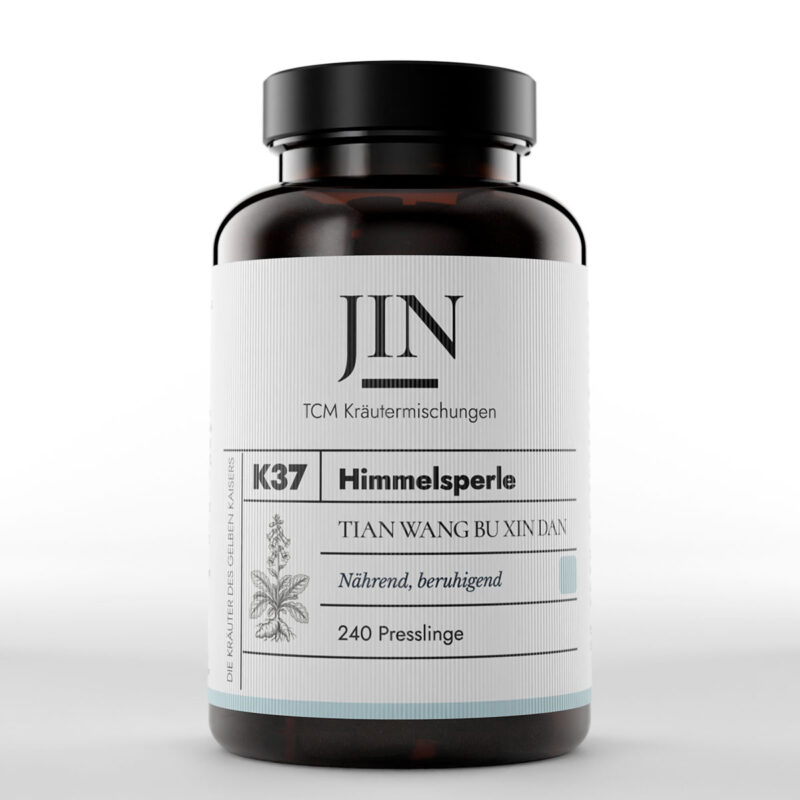
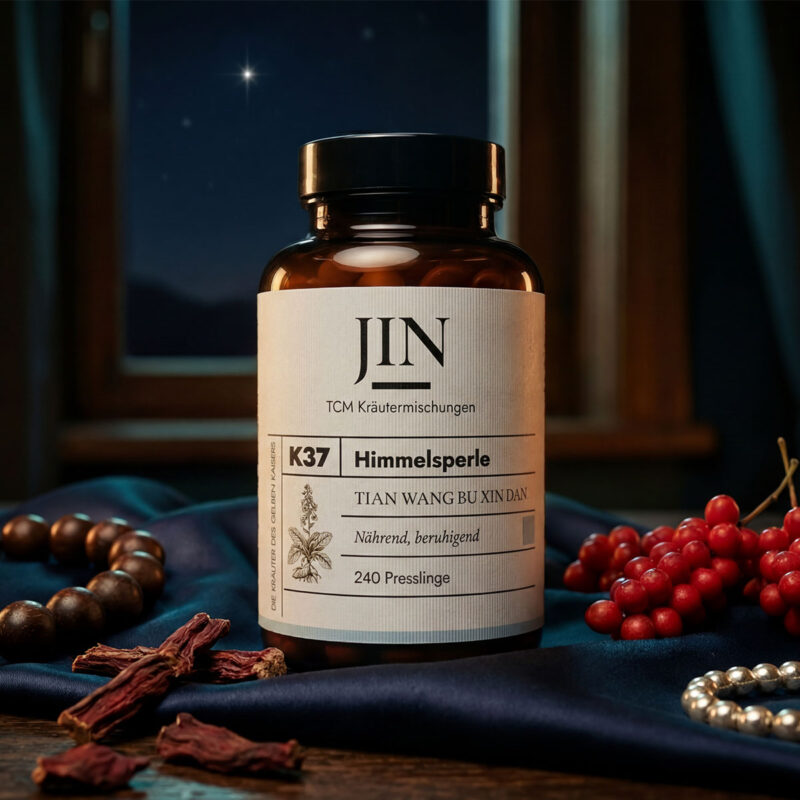
Empfohlene TCM–Kräutermischung bei Herz–Yin Mangel
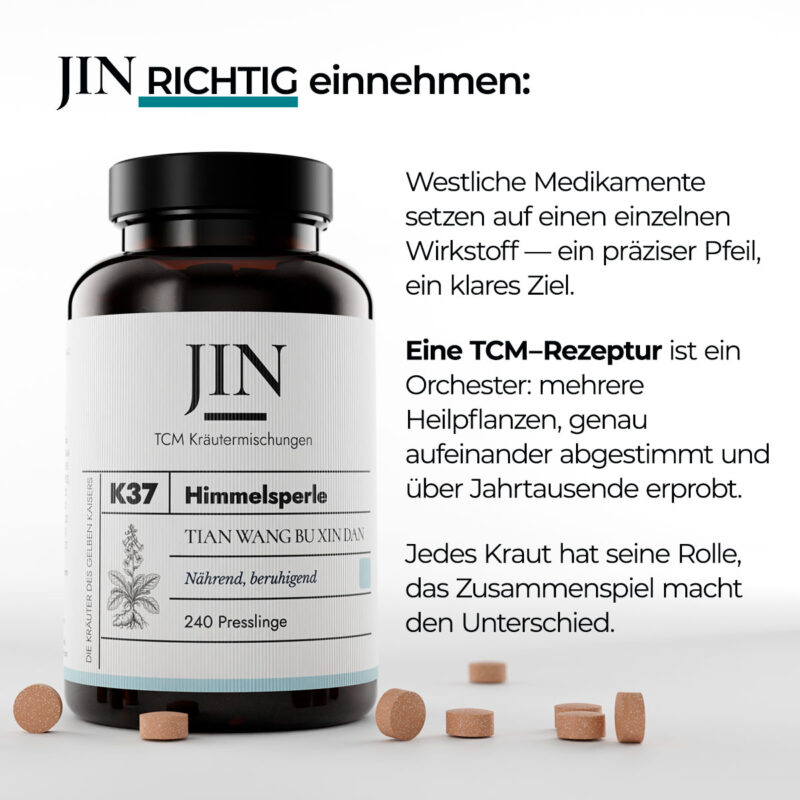
JIN K37 — Himmelsperle
Die klassische Rezeptur Tian Wang Bu Xin Dan (天王补心丹) — die „Pille des Himmelskaisers zur Stärkung des Herzens“. Dreizehn Kräuter, die das Herz–Yin und –Blut nähren, das leere Feuer kühlen und den ruhelosen Geist (Shen) verankern.
Mit Sheng Di Huang als Hauptkraut nährt diese Mischung das Yin und kühlt das leere Feuer, während Mai Men Dong und Tian Men Dong die Säfte auffüllen und Suan Zao Ren, Yuan Zhi und Fu Shen den Geist beruhigen. Ideal bei innerer Unruhe, Herzklopfen, Ein– und Durchschlafstörungen, Vergesslichkeit und Nachtschweiß.
Quantity
329,70 €
i
To the product
The herbs in this recipeRecommended reading:How TCM herbal blends are formulatedLearn more now
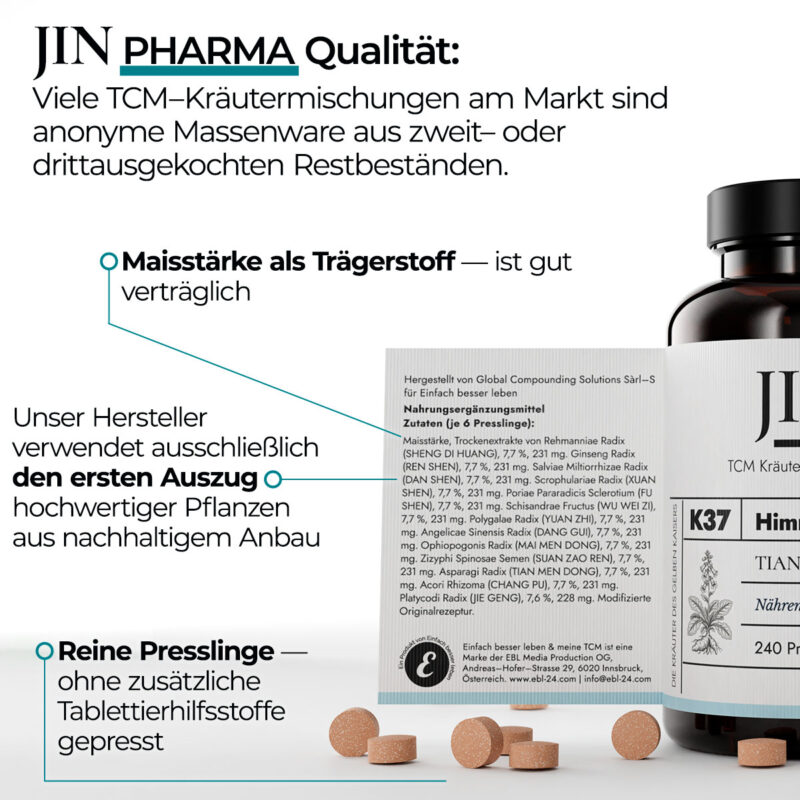
| Herb (Pinyin) | German designation | Function in the recipe |
|---|---|---|
| Sheng Di Huang (Rehmanniae Radix) | Raw rehmannia root | emperor Nährt das Yin, kühlt das Blut und löscht das leere Feuer |
| Ren Shen (Ginseng Root) | Ginseng root | minister Tonisiert das Qi und stärkt den Shen — hält das Yin |
| Dan Shen (Salviae Miltiorrhizae Radix) | Redroot Sage | minister Belebt das Blut und kühlt das Herz, beruhigt den Geist |
| Xuan Shen (Scrophulariae Radix) | Brownroot | minister Nährt das Yin und klärt das leere Feuer |
| Fu Shen (Poriae Pararadicis Sclerotium) | Poria spirit core | minister Beruhigt den Shen und fördert tiefen Schlaf |
| Wu Wei Zi (Schisandrae Fructus) | Schisandra berry | assistant Sammelt Herz–Qi und Jing, stillt Nachtschweiß |
| Yuan Zhi (Polygalae Radix) | Elecampane root | assistant Verbindet Herz und Niere, beruhigt den Geist |
| Dang Gui (Angelicae Sinensis Radix) | Chinese angelica | assistant Nährt und bewegt das Herz–Blut |
| May Men Dong (Ophiopogonis Radix) | Snake beard root | assistant Nährt das Herz–Yin und erzeugt Säfte |
| Suan Zao Ren (Zizyphi Spinosae Semen) | Spiny jujube seed | assistant Nährt Herz– und Leber–Blut, fördert den Schlaf |
| Tian Men Dong (Asparagi Radix) | Spargelwurzel | assistant Nährt das Nieren–Yin und befeuchtet die Lunge |
| Jie Geng (Platycodi Radix) | Balloon flower root | assistant Leitet die Wirkung nach oben zum Herzen |
| Chang Pu (Acori Rhizoma) | calamus root | harmonizer Öffnet die Sinne und klärt den Geist |
Explanation of the most important herbs
emperor Sheng Di Huang (rohe Rehmannia) — Der Yin–Nährer
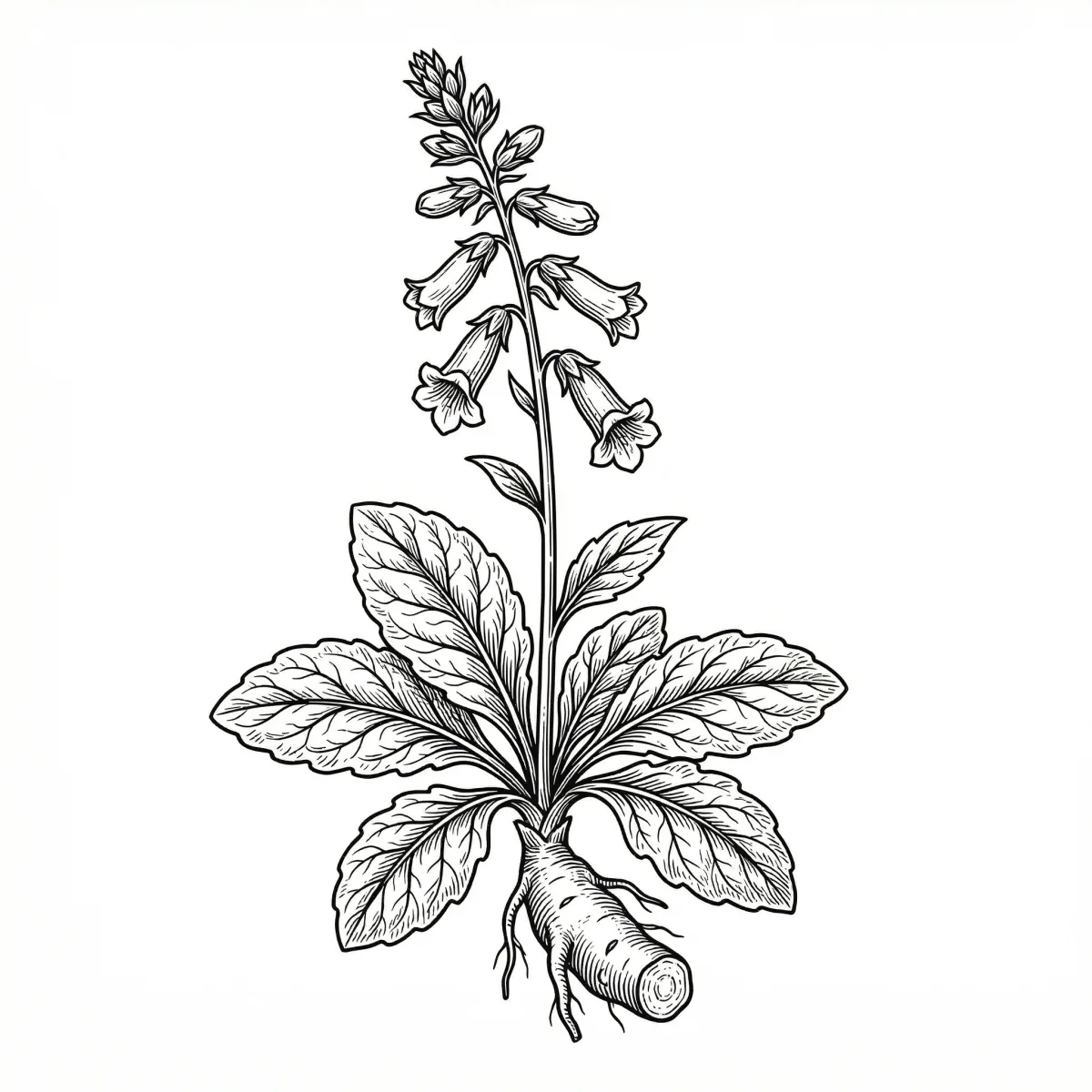
Sheng Di Huang ist der Kaiser dieser Rezeptur — es kühlt das Blut, nährt das Yin und erzeugt Körperflüssigkeiten. Als kühle, süße Substanz löscht es das „leere Feuer“, das durch Yin–Mangel entsteht. Catalpol und die Iridoidglykoside der rohen Rehmanniawurzel werden in Untersuchungen mit antioxidativen und entzündungshemmenden Eigenschaften in Verbindung gebracht.
minister Fu Shen (Poria–Geistkern) - The Spirit Calmer
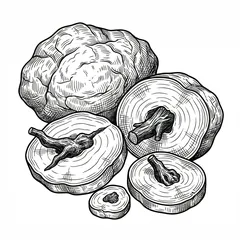
Fu Shen beruhigt den Shen stärker als gewöhnliches Fu Ling — es verankert den aufgeregten Geist und fördert tiefen, ruhigen Schlaf. Fu Shen — der um die Kiefernwurzel gewachsene Teil des Poria–Pilzes — enthält ähnliche Wirkstoffe wie Fu Ling und wird traditionell stärker beruhigend eingesetzt.
assistant Suan Zao Ren (Stacheljujube) — Der Schlafbringer
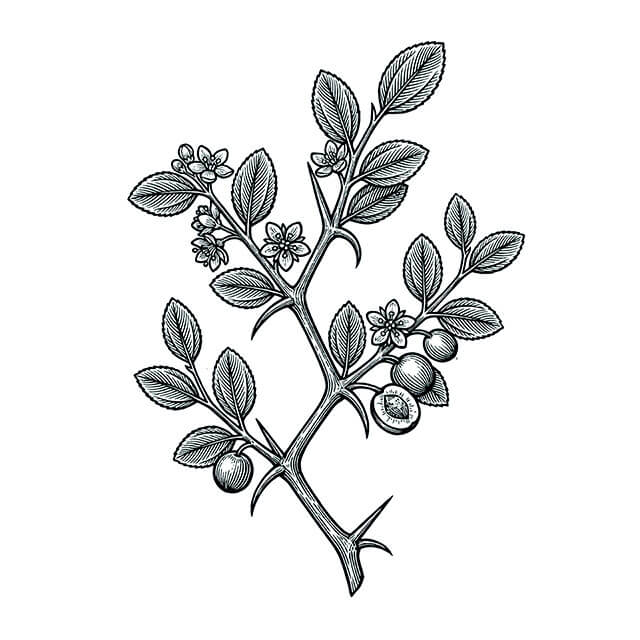
Suan Zao Ren nährt das Herz– und Leber–Blut und beruhigt den Shen — eines der wichtigsten Kräuter, um den ruhelosen Geist in den Schlaf zu führen. Jujuboside und Spinosin werden in Untersuchungen mit beruhigenden und schlaffördernden Eigenschaften in Verbindung gebracht; Suan Zao Ren ist eines der am besten untersuchten beruhigenden Kräuter der TCM.
assistant Mai Men Dong (Schlangenbart) — Der Säfte–Spender
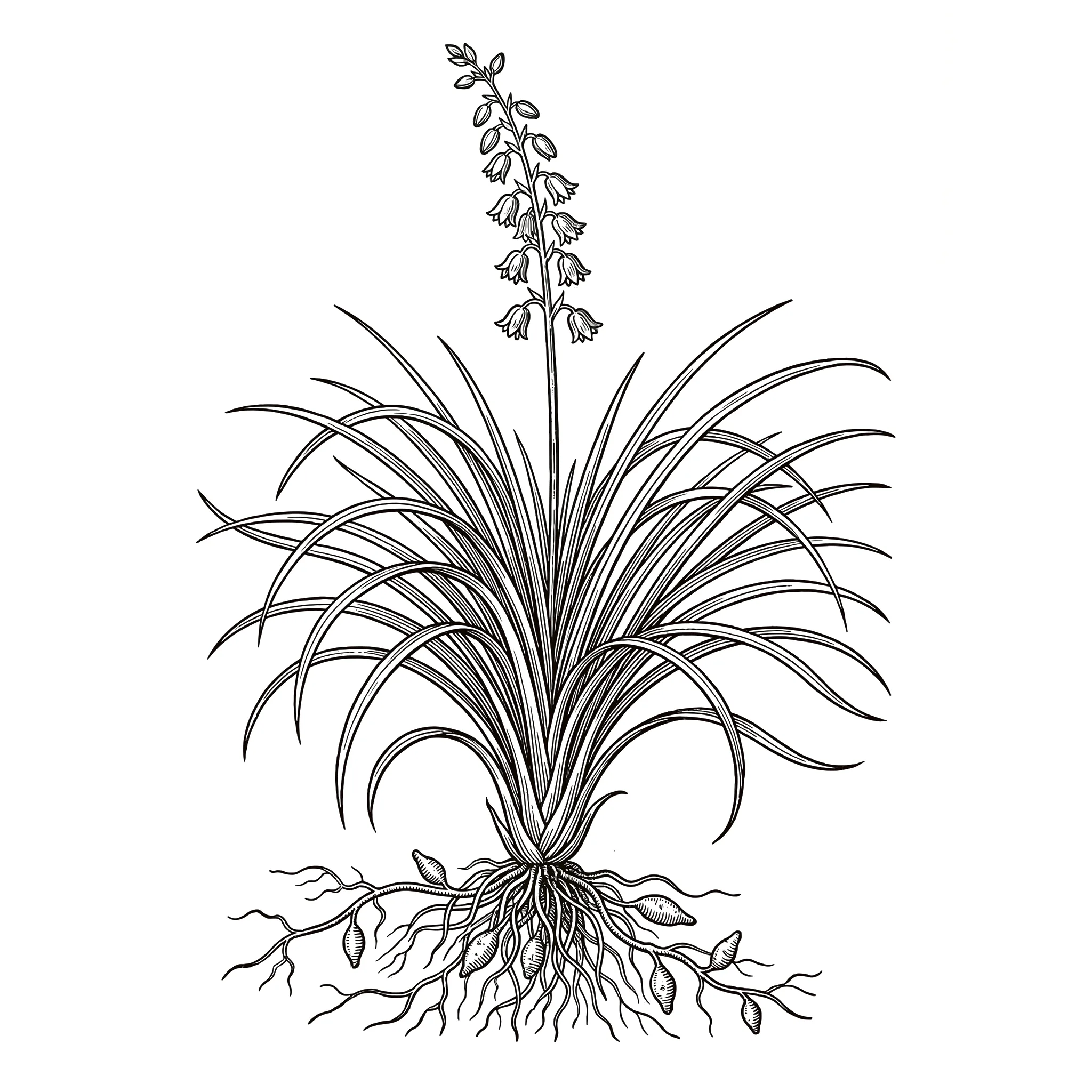
Mai Men Dong nährt das Herz– und Magen–Yin, befeuchtet die Lunge und erzeugt Körperflüssigkeiten — essenziell, wenn bei Yin–Mangel Trockenheit vorherrscht. Die Saponine und Polysaccharide der Schlangenbartwurzel werden in Untersuchungen mit antioxidativen und befeuchtenden Eigenschaften in Verbindung gebracht.
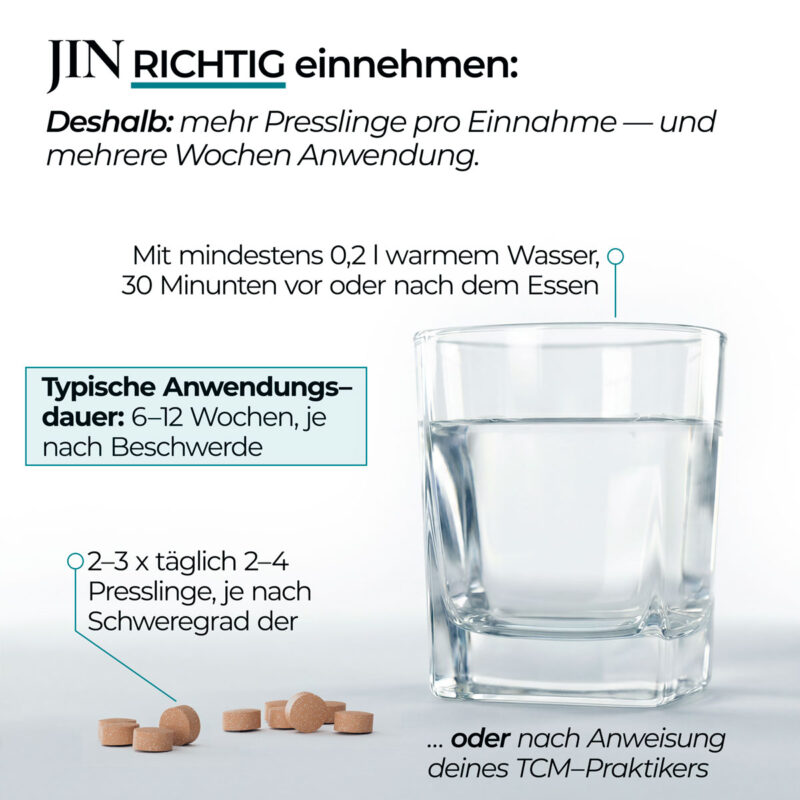
Recommended dosage
The dosage depends on the severity.
Based on your questionnaire results, we have highlighted the appropriate dosage for you below.
At light Severity:
- 2 tablets 3 times a day (morning, noon, and late afternoon) = 6 tablets per day
- Optional, if taking 3 doses a day is difficult for you: 3 tablets twice a day — same daily amount
- We recommend at least 2 cans, each containing 240 tablets (enough for about 12 weeks)
At middle Severity:
- 3 tablets 3 times a day (morning, noon, and late afternoon) = 9 tablets per day
- We recommend at least 3 cans, each containing 240 tablets (enough for about 12 weeks)
- If your condition improves, switch to the dosage recommendation for mild symptoms
At significantly Severity:
- 4 tablets 3 times a day (morning, noon, and late afternoon) = 12 tablets per day
- We recommend at least 4 cans, each containing 240 tablets (enough for about 12 weeks)
- If your condition improves, switch to the dosage recommendation for moderate severity
Why 3 times a day?
This ensures that the herbs' effects are evenly distributed throughout the day.
IMPORTANT:
- Take the tablets with at least 0.2 liters of warm water
- Ideally, 30 minutes before or after a meal
- This suggestion is not a substitute for a medical diagnosis or treatment
- If you are pregnant or breastfeeding, have a chronic medical condition, or are taking medication, consult a doctor or a TCM practitioner beforehand.
- If you have a severe cold, fever, or diarrhea, stop taking this product
- Aufputschende Reize wie Kaffee, schwarzen Tee, Nikotin und Alkohol reduzieren — sie verstärken die innere Unruhe und das Herzklopfen
- Auf einen ruhigen, regelmäßigen Schlafrhythmus achten; Überarbeitung und nächtliche Bildschirmzeit meiden
If little has changed after about 12 weeks:
Herbs are just one part of TCM. Combine taking them with other practices—acupressure, qigong, Pilates, or yoga, BS+, as well as meditation and breathing exercises. Afterward, take a two-week break from taking the herbs. Then, if needed, you can TCM analysis try again and/or compare your result with your TCM practitioner or discuss it with your doctor.
If you have any questions about how to take it, please feel free to contact us.
Want to know what dosage is right for you? Take our free TCM questionnaire—in just a few minutes, it will reveal your personal TCM pattern and the appropriate dosage of the recommended TCM herbal blend.
BS+ for your intestinal flora
A healthy gut is the basis for your well-being. Current studies show that around 80 % of people in Germany consume too little fiber - yet it is the most important food for your intestinal flora (also known as the intestinal microbiome).
BS+ was developed to support your daily fiber supply. With 11 high-quality, natural ingredients BS+ offers your intestinal flora a diverse nutrient base.
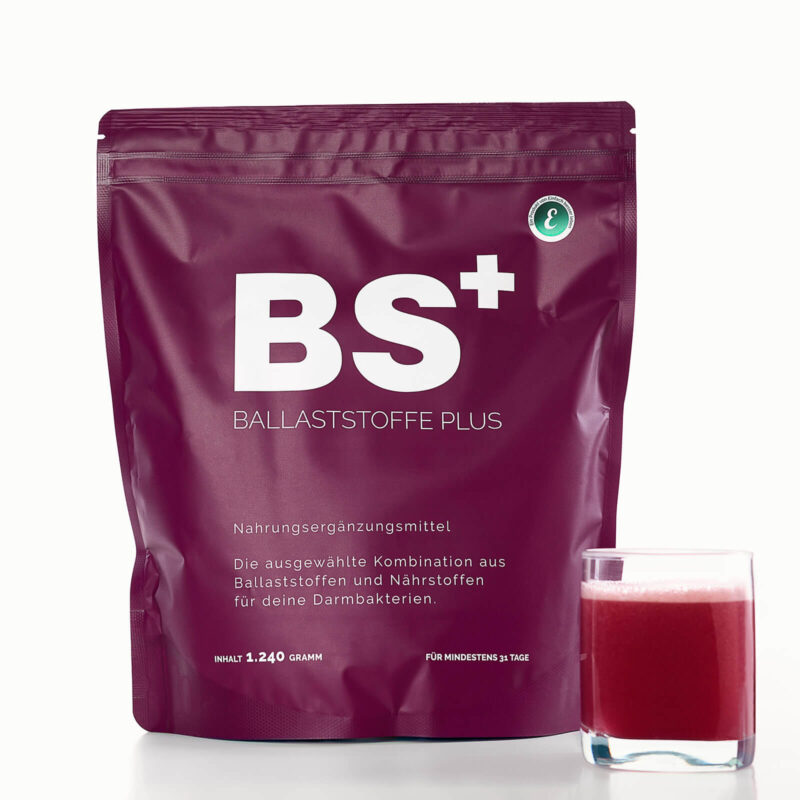
The revolutionary fiber formula
BS+ Dietary Fiber Plus
- Up to 20 g dietary fiber daily EXTRA
- Improved digestion and regular bowel movements
- Increased energy and vitality
- Better mood and mental clarity
- Support for your immune system
- Potential improvement in cholesterol and blood sugar levels
Simply stir into water twice a day - Your intestinal flora will thank you.
Why BS+ for heart yin deficiency?
With a heart yin deficiency, the spirit (shen) is restless because the cooling and nourishing juices of the heart are exhausted. In TCM, the intestine plays a central role here: the small intestine and heart are closely connected via the fire element. If the intestinal flora is weakened, the spleen cannot absorb enough nutrients to produce fresh yin and blood - and the heart dries out further.
BS+ contains 11 prebiotic fibers and thus supports the development of healthy intestinal flora. Well-nourished intestinal flora strengthens the spleen in its transformative power and helps the body to produce more nourishing substances - the basis for rebuilding the heart yin and calming the mind.
Particularly important for heart yin deficiency:
- Strengthens the spleen as a source of new yin substance for the heart
- Supports the small intestine-heart axis and promotes nutrient absorption
- Calms digestion and reduces inner restlessness from the center
Acupressure
Acupressure is acupuncture without needles. - you can apply them yourself at any time. By applying gentle pressure to certain points, you activate the flow of energy in the meridians and calm your mind.
These three points form the classic combination for nourishing the heart yin and calming the mind. Regular, gentle stimulation is particularly important for heart yin deficiency - Patient care nourishes the Yin and anchors the Shen.
ACUPUNCTURE POINT: He 07
Heart 07
Gate of the Spirit — Shén Mén
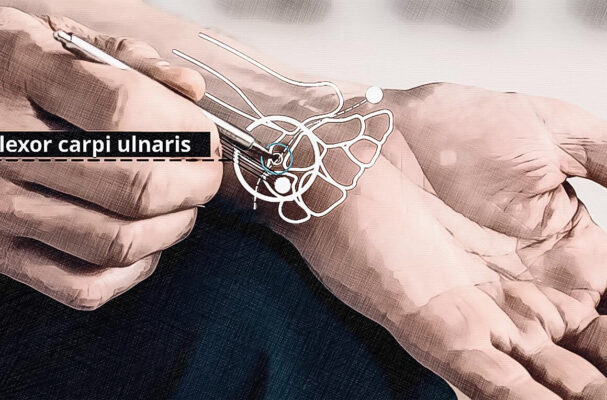
- Source point of the heart - calms the Shen directly
- The most important point for sleep disorders
- Reduces palpitations and tachycardia
- Relieves anxiety and inner restlessness
- Helps with night sweats
Location: On the wrist crease, on the little finger side, in the depression between the pea bone and the ulna.
Application:
Press gently twice a day for 30-45 seconds. Particularly effective in the evening before going to bed. Breathe deeply and calmly.
ACUPUNCTURE POINT: He 03
Heart 03
Small Sea - Shào Hǎi
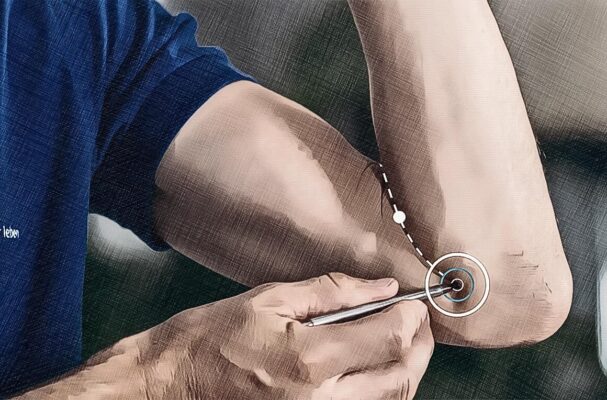
- Water point of the heart - nourishes the heart yin
- Cools heat and calms the Shen
- Relaxes the arm and opens the heart meridian
- Helps with restlessness and nervousness
- Relieves pain in the arm and elbow
Location: At the inner end of the elbow crease, when the arm is bent, between the tendon and the bone.
Application:
Massage twice a day for 30-45 seconds with medium pressure. Particularly beneficial for emotional tension.
ACCESSION POINT: Ni 06
Kidney 06
Shining sea - Zhào Hǎi
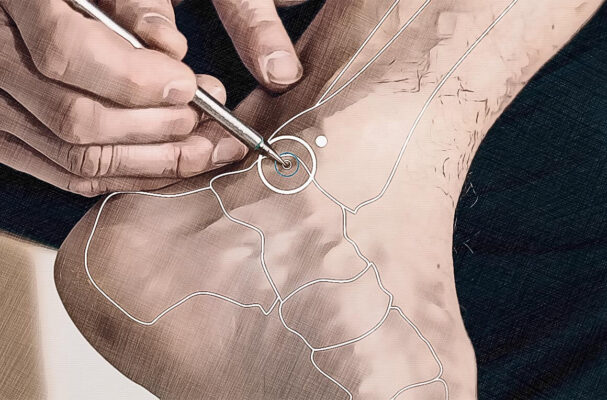
- Master point of Yin Qiao Mai - moisturizes the body
- Deeply nourishes the yin from the root
- Connects kidney and heart yin
- Improves sleep
- Helps with dry eyes and throat
Location: Directly under the tip of the inner ankle in a slight depression.
Application:
Hold twice a day for 30-45 seconds with medium pressure. Particularly effective in the evening before going to bed to strengthen Yin.
TIP
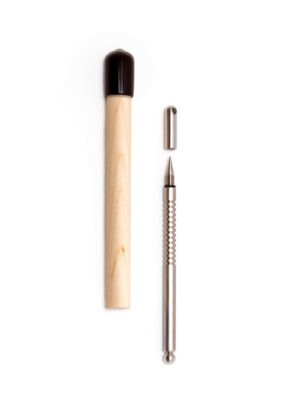
AkuPen
Acupuncture pen with video instructions
For even more intense stimulation You can use an AkuPen. The acupressure pen significantly enhances the effect of acupressure. With an extensive video library for over 80 acupuncture points.
Qi Gong
Qi Gong is moving meditation - Gentle, flowing exercises that harmonize your energy flow and calm your mind. If you have a heart yin deficiency, these exercises help to nourish your heart, anchor the shen and find inner peace.
Regular practice of Qi Gong (as little as 10-15 minutes a day) has been shown to have positive effects on heart rate variability, sleep and emotional balance.
QI GONG: Exercise 1
Open heart
Calms the Shen, opens the chest
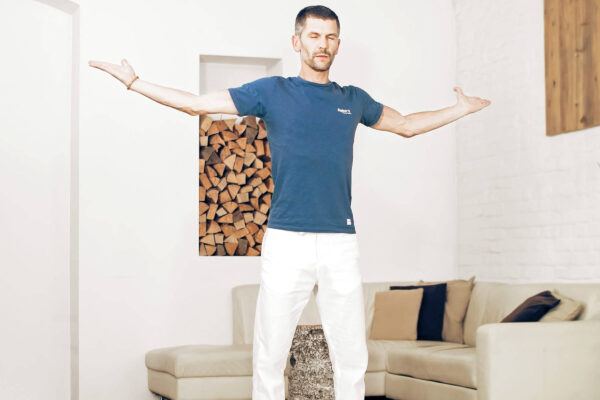
Particularly helpful for:
- Palpitations and a racing heart
- Tightness in the chest
- Inner restlessness and nervousness
- Sleep disorders
Effect:
This classic fire element exercise opens the chest and calms the Shen directly. The expansion improves the breathing function and activates the heart meridian - the most important exercise for calming the mind in the case of heart yin deficiency.
QI GONG: Exercise 2
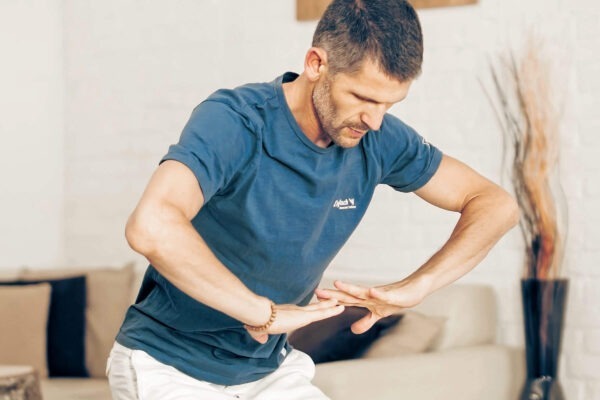
Collect Qi
Calms the mind, nourishes the yin
Particularly helpful for:
- Inner restlessness and restlessness
- Exhaustion and stress
- Night sweats
- Emotional instability
Effect:
This exercise gathers vital energy from all directions and stores it in the body. It is perfect for calming down and anchoring the Shen - particularly important in the case of heart Yin deficiency, as stress further depletes the Yin.
QI GONG: Exercise 3
Look backwards
Relieves tension, relaxes shoulders and neck

Particularly helpful for:
- Neck and shoulder tension
- Headaches due to tension
- Pent-up emotions
- Blocked energy flow in the upper body
Effect:
This exercise releases tension in the shoulders and neck and opens the energy pathways to the head. Often important for Heart Yin deficiency, as emotional stress often manifests itself in shoulder and neck tension.
These Qi Gong exercises are specially selected to calm the Shen and nourish the Heart Yin. They open the heart, anchor the mind and help to find inner peace.
All exercises work particularly well if you practise them between 11 a.m. and 1 p.m. - this is the wedding of the heart in the organ clock. The time between 7 and 9 p.m. (pericardium time) is also ideal for calming exercises before going to bed.
QI GONG:
When and how often?
In the evening (ideal):
- All 3 exercises as a sequence: approx. 15–20 min.
- Or just 1–2 exercises: approx. 5–10 min.
- Best between 7 and 9 pm (pericardial time) or before going to bed
In between:
- Individual exercises if required (e.g. for palpitations or restlessness)
- „Open heart“ for quick calming of the mind
Regularity is more important than duration:
- It is better to exercise for 10 minutes every day than for 60 minutes once a week.
- After 2–3 weeks, you will notice the first changes.
- After 3 months of regular practice: noticeably calmer mind
Pro tip: Practice Qi Gong in a calm, pleasant atmosphere. If you have heart yin deficiency, you should avoid intense physical exertion - gentle, slow movements with conscious breathing are ideal. Close your eyes and visualize cooling, calming energy.
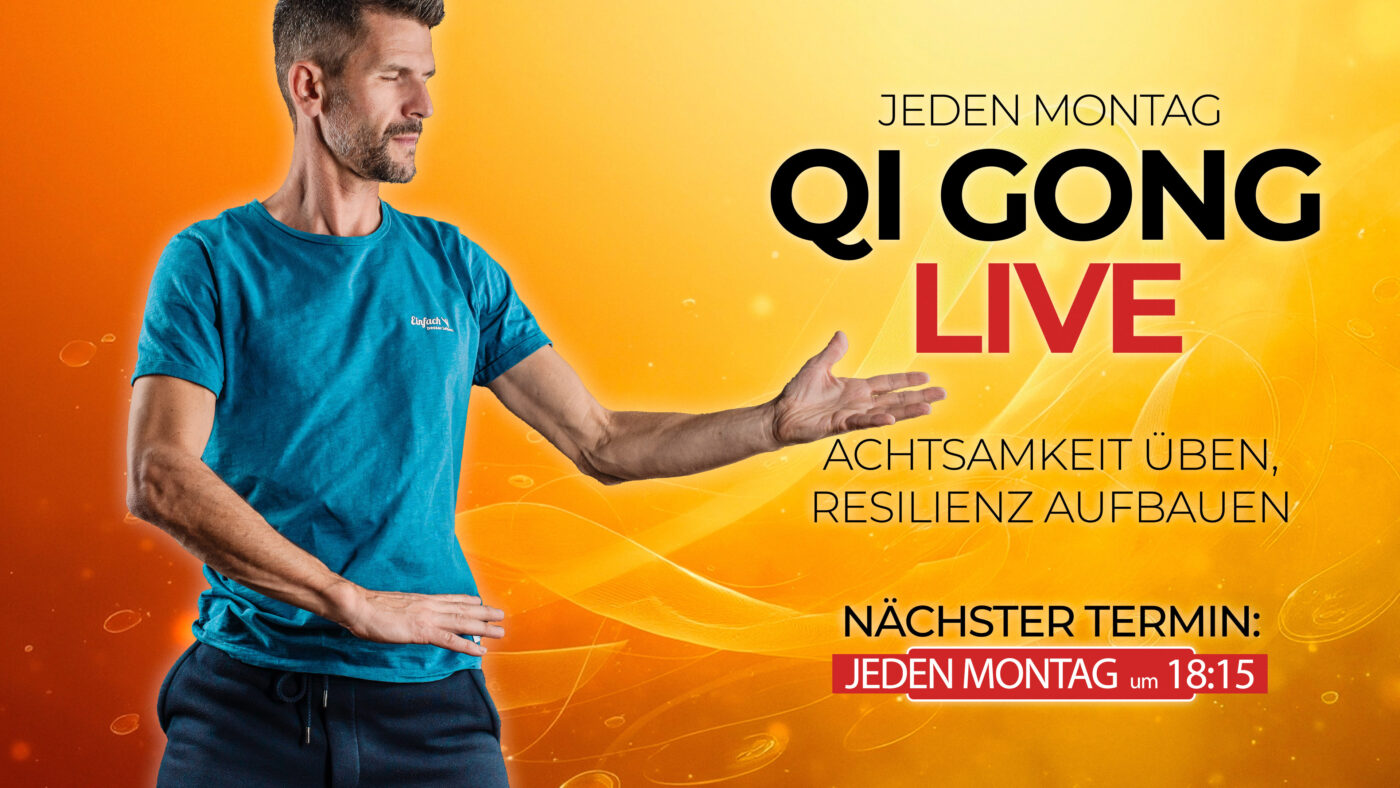
LIVE EVERY MONDAY: QI GONG WITH WOLFGANG
Every Monday at 6:00 p.m. Let's practice together live on YouTube. Among other things, Wolfgang will guide you through a complete qigong sequence — free of charge and suitable for all levels.
Why participate live? ✓ Practicing together is motivating ✓ Wolfgang explains the exercises in detail ✓ You can ask questions in the live chat ✓ Regular appointments help with your routine
More about Qi Gong LiveMeridian Yoga — The Yoga of TCM
Meridian Yoga combines yoga with traditional Chinese medicine. The result is a holistic exercise concept for better health and more energy.
The following exercises specifically activate the heart meridian - the emperor meridian, which houses the Shen and controls consciousness. The heart meridian runs from the armpit along the inside of the arm to the little finger. Activating it calms the Shen and nourishes the Heart Yin.
MERIDIAN YOGA: Exercise 1
Open heart for the heart meridian
Opens the heart and calms the Shen

Particularly helpful for:
- Palpitations and a racing heart
- Inner restlessness and anxiety
- Sleep disorders
- Emotional reticence
Effect:
This exercise stretches the heart meridian along the inside of the arm and opens the chest. It calms the Shen directly and nourishes the Heart Yin - ideal for Heart Yin deficiency with restlessness, anxiety and sleep problems.
MERIDIAN YOGA: Exercise 2
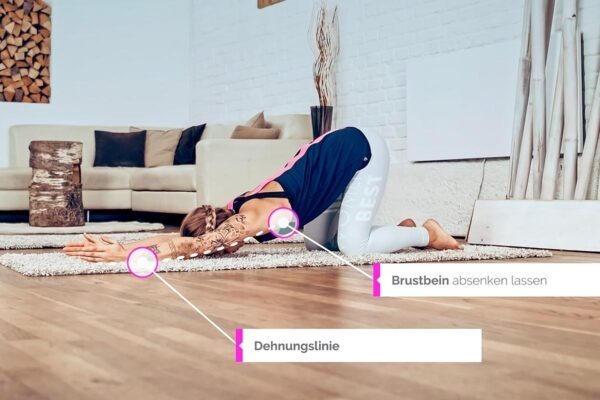
Shell stretch for the heart meridian
Gently stretches the entire cardiac conduction system
Particularly helpful for:
- Tension in shoulders and arms
- Feeling of heaviness in the chest
- Brooding and excessive thinking
- Exhaustion and tiredness
Effect:
The Shell Stretch gently stretches the entire heart channel from the armpit to the little finger. This position promotes the flow of energy in the heart meridian and calms the mind - particularly beneficial for heart yin deficiency with sleep disorders and inner restlessness.
Both exercises activate the heart meridian, which runs along the inside of the arm from the heart to the little finger. As the Emperor's meridian, it has a special connection to consciousness and Shen - the spirit that resides in the heart.
Particularly effective: Hold each position for 3-5 breaths, visualizing calming, cooling energy that anchors your mind and nourishes your heart yin.
MERIDIAN YOGA:
When and how often?
Best time:
- In the evening before going to bed (calms the Shen)
- Or at lunchtime between 11 a.m. and 1 p.m. (heart time)
- Also good: Between 7pm and 9pm (pericardial time)
Duration:
- Hold each position for 3–5 breaths.
- Complete sequence: 10–15 minutes
- 3–5 times per week for best results
Important:
- Practice in a calm, soothing atmosphere
- Breathe deeply and slowly during the positions
- Stretching should be comfortable, never painful.
Pro tip: Combine Meridian Yoga with calming Qi Gong exercises such as „Open Heart“ or „Gather Qi“. The gentle, conscious movement promotes heart-yin nourishment and calms the restless Shen.
Nutrition according to TCM
„Let food be your medicine.“ - This principle has been valid in TCM for thousands of years. In the case of heart yin deficiency, the right diet is particularly important for calming the mind and nourishing your heart yin.
The heart yin belongs to the Fire element and needs Cooling to neutral, soothing food, to anchor the Shen and build up the Yin. Red foods and heart-soothing dishes have a special relationship with the heart.
What you eat, HOW you eat and WHEN you eat - all of this influences your heart yin and the calmness of your mind.
The golden rules for a strong heart yin
What is good for you:
Heart-soothing cereals
- Wheat (the most important heart food!)
- Oats (soothes and nourishes)
- Barley (cools and moisturizes)
- Rice (neutral and nourishing)
Wheat soothes the heart directly - ideal as porridge or pasta
Heart-nourishing fruits
- Longan fruits (nourish heart-blood and yin)
- Mulberries (moisturize and nourish)
- Lotus seeds (calm the Shen directly)
- Red dates (strengthen the heart and blood)
Longan and lotus seeds are the kings of heart food
Chilled meats
- Duck (cooling, nourishes Yin)
- Pork (moistened)
- Rabbit (light, cooling)
- Fish (cod, sole)
Duck is the ideal meat for heart yin deficiency
Soothing herbs and teas
- Chrysanthemum tea (cools empty heat)
- Peppermint tea (slightly cooling)
- Chamomile tea (calming)
- Valerian tea (sleep-inducing)
Chrysanthemums are perfect for rising heat
What you should avoid:
Stimulating substances
- Coffee (upsetting!)
- Black tea in large quantities
- Energy drinks
- Cola and caffeinated drinks
Caffeine increases restlessness and palpitations!
Heating stimulants
- Alcohol (especially high-proof alcohol)
- Red wine in large quantities
- Hot spices
- Cigarettes
Consume the yin and generate heat!
Hot spices
- Chili (very hot!)
- Cayenne, Tabasco
- Hot pepper
- Too much ginger
Spiciness dries out the yin!
Meat to be warmed
- Lamb (too warming)
- Game (too hot)
- Heavily grilled
- Deep fried
Generate empty heat and disturb the Shen!
HOW YOU SHOULD EAT:
Regular meals
- 3 fixed meals a day
- Dinner before 7 p.m.
- Light evening meals (heavy food disturbs sleep)
- Don't go to bed hungry
Eat in peace
- Chew slowly - calms the mind!
- Eat in a pleasant atmosphere
- No heated conversations over a meal
- Avoid screens during the meal
Heart yin loves calm and serenity!
Drink properly
- Sufficient liquid (not ice cold!)
- Chrysanthemum tea (gently cools)
- Warm water with longan or lotus seeds
- Herbal teas instead of coffee
Moisturizing nourishes the yin
IDEAL MENU FOR ONE DAY:
Breakfast (7–9 a.m.):
- Wheat porridge with longan fruit and walnuts
- In addition: Warm water with lotus seeds
Lunch (12–1 p.m.):
- Steamed duck with wheat noodles
- In addition: Spinach and red dates
- Or: Tofu and vegetable soup with lotus seeds
Dinner (6–7 p.m.):
- Light vegetable soup with wheat
- Or: Steamed fish with barley
- In addition: Chrysanthemum tea
Snack if needed:
- Handful of longan fruits and mulberries
- Or: Lotus seed soup (sweet or savory)
The most important rule when changing your diet is:
Start with ONE step!
Don't change everything at once.
Our suggestion for getting started:
- Replace coffee with herbal tea - 2 weeks
- Eat wheat or lotus seeds daily - 2 weeks
- Light, comforting dinner - 2 weeks
Step by step, you will notice how your heart yin is nourished again and your mind comes to rest.
Your heart yin will thank you!
RECIPE: HEART-SOOTHING LOTUS SEED SOUP
Ingredients:
For 2 portions
- 50 g dried lotus seeds
- 30 g longan fruit (dried)
- 3 red dates
- 800 ml water
- 2 tbsp honey or brown sugar
- Optional: 10 goji berries
Preparation:
- Soak the lotus seeds in water overnight (or 2 hours in warm water)
- Remove the green sprout from the center of the lotus seeds (it is bitter)
- Boil the lotus seeds, longan and dates with 800 ml water
- Reduce the heat and simmer for 30-40 minutes until the lotus seeds are soft
- Sweeten with honey
- Optional: add the goji berries in the last 5 minutes
Effect:
Calms the Shen and nourishes the Heart-Yin
Improves sleep and reduces nocturnal restlessness
Strengthens the heart-blood and cools empty heat
1-2 times a day - ideal in the late afternoon or before going to bed!
RECIPE: WHEAT AND DATES DECOCTION (GAN MAI DA ZAO TANG)
Ingredients:
For 2 cups
- 30 g wheat grains (whole, not crushed)
- 10 red dates (pitted)
- 10 g licorice root (optional)
- 1 liter of water
Preparation:
- Wash and drain the wheat grains
- Boil all ingredients with 1 liter of water
- Simmer on low heat for 30–40 minutes.
- Strain through a sieve
- Drink warm, the dates can also be eaten
Effect:
The classic recipe for calming the heart from the Jin Gui Yao Lü
Nourishes the heart, calms the Shen, relaxes the emotions
Particularly effective for irritability, crying and emotional instability
1-2 cups a day - ideal for emotional restlessness and sleep disorders!
Breathing
Breathing is the bridge between body and mind. In TCM, we say: „The lungs govern qi“ — through conscious breathing, you can directly influence your energy flow, harmonize all organ systems, and activate your self-healing powers.
Studies show: Proper breathing activates the parasympathetic nervous system (rest & regeneration), massages the internal organs from within, improves oxygen supply, and reduces stress hormones. The good news: Just 5–10 minutes a day can have a measurable effect on your overall well-being.
Recommended breathing techniques
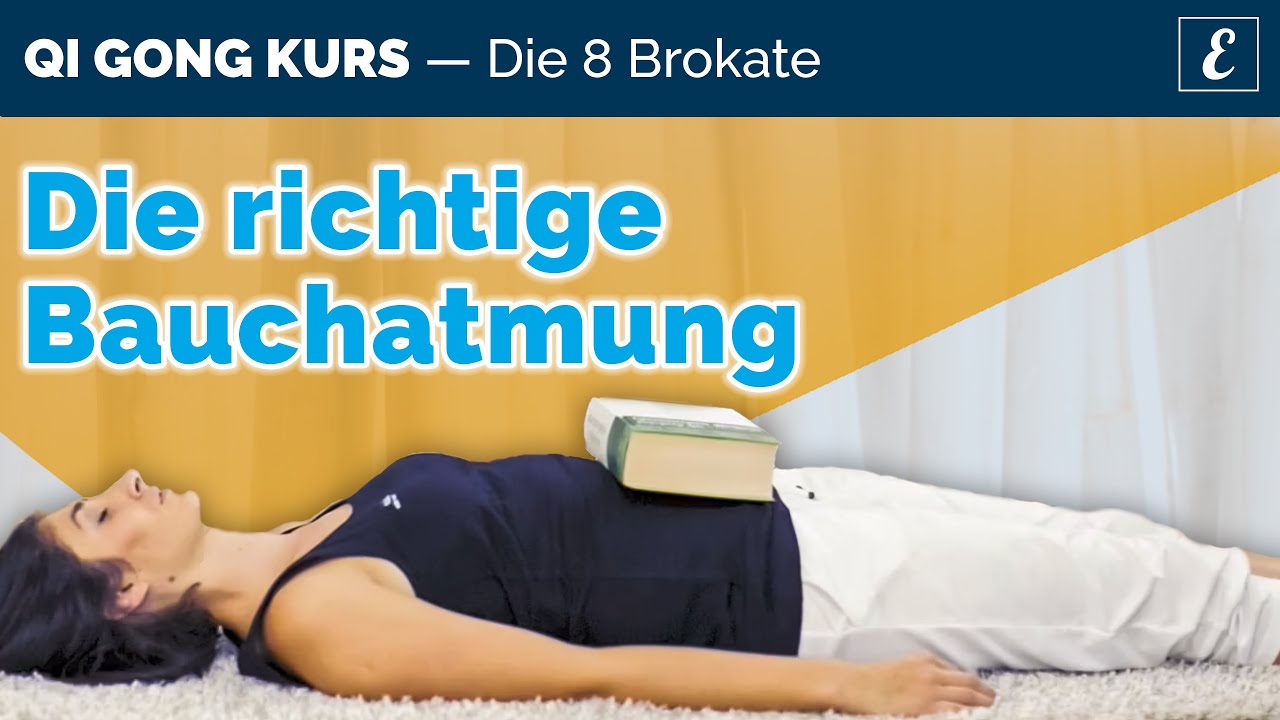
ABDOMINAL BREATHING — The basis for every breathing technique
Natural breathing
Abdominal breathing is the most natural and effective form of breathing. With every breath, you massage your internal organs, activate the flow of energy, and bring qi to the center of your body (dantian).
Wolfgang shows you step by step, How to learn abdominal breathing correctly—lying down to start with, then later also sitting and standing.
Duration: 9 minutes
4–7–8 BREATHING — Calms you down immediately
Breathing to fall asleep and combat inner restlessness
4–7–8 breathing (inhale for 4 seconds, hold for 7 seconds, exhale for 8 seconds) is known as a „natural sedative.“ This special rhythm calms your nervous system in just a few minutes—perfect for stress, racing thoughts, or trouble falling asleep.
Perfect for the evening or whenever you want to calm down quickly.
Duration: 9 minutes
To the interactive videoBOX BREATHING — For inner coherence
Professional breathing for focus and calmness
Box Breathing (4 seconds on, 4 seconds hold, 4 seconds off, 4 seconds hold) combines activation and relaxation in perfect balance. This method is used by elite soldiers, athletes, and executives to remain calm and focused even in extremely stressful situations.
Train your CO₂ tolerance and brings the heart, breathing, and nervous system
into a harmonious state.
Duration: 9 minutes
To the interactive videoCOHERENT BREATHING — Harmonizes body & mind
Breathing against burnout
With coherent breathing You breathe in for 5.5 seconds and out for 5.5 seconds. This rhythm brings your heart and breathing into perfect synchrony—a state that science refers to as „coherence.“ This method is also used in clinics for burnout treatment and stress reduction.
Proven to improve Heart rate variability (HRV) — the most important marker for stress resistance, health, and life expectancy.
Duration: 14 minutes
To the interactive video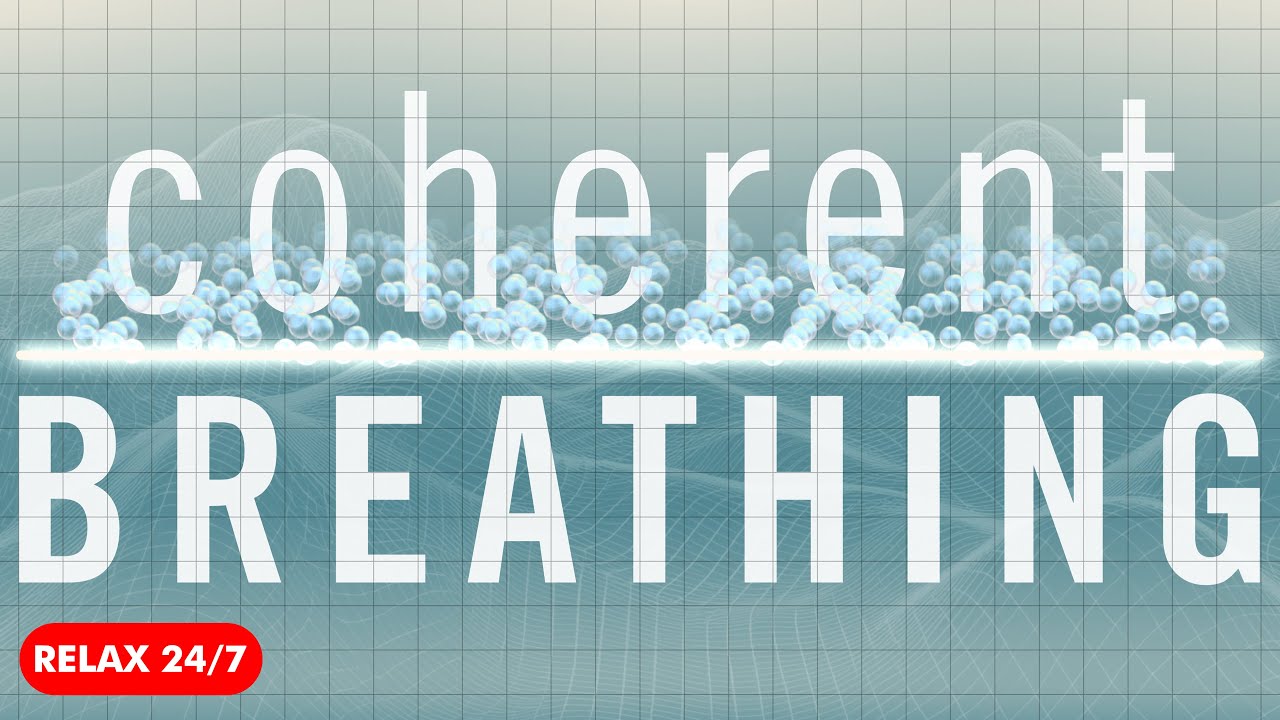
COHERENT BREATHING Around the clock
Our 24/7 livestream on coherent breathing runs non-stop. You can tune in at any time and join in right away.
Perfect for:
✓ Spontaneous breaks to catch your breath in between
✓ If you need help breathing
✓ As background while working
✓ For falling asleep (calms the nervous system)
✓ For regular daily practice
relaxation
When your body is relaxed, all organ systems can function optimally. Chronic tension blocks your body's self-healing powers and keeps you in a state of constant stress. Through targeted relaxation techniques, you activate the parasympathetic nervous system and send your body the signal: „Now I can regenerate, heal, and build strength.“
Progressive muscle relaxation is one of the most researched relaxation methods and has been used successfully for over 100 years. It helps you to recognize tension, actively release it, and achieve a state of deep relaxation—whenever you want.
Recommended relaxation technique
PROGRESSIVE MUSCLE RELAXATION (PMR)
The scientifically proven relaxation method
Progressive muscle relaxation according to Jacobson is one of the most widely researched relaxation techniques worldwide. By deliberately tensing and relaxing individual muscle groups, you learn to consciously perceive tension and actively release it.
Proven effect:
Lowers blood pressure, improves sleep, reduces chronic pain, relieves tension, and activates self-healing powers. Successfully used by psychologists to treat anxiety disorders, depression, and chronic pain.
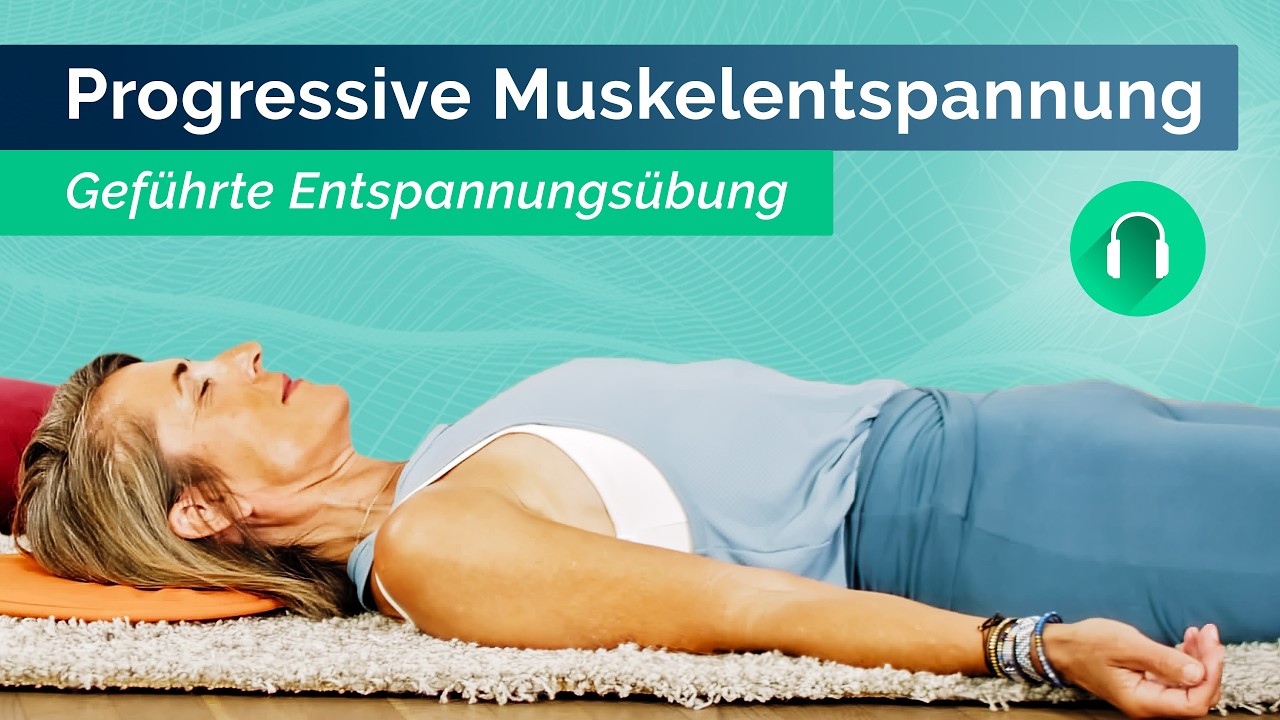
Maria guides you step by step through the entire exercise—perfect for beginners and advanced practitioners alike.
Duration: 23-minute complete guide
To the guided PMRMeditation
Meditation calms the mind — and a calm mind harmonizes the body. In TCM, we know that every emotion affects a specific organ. Through regular meditation, you learn to break out of destructive thought patterns, find emotional balance, and strengthen your inner core.
Modern studies confirm: Meditation has been proven to change brain structure, reduce stress hormones, strengthen the immune system, and improve self-healing powers. Just 10 minutes a day can change your life forever.
Recommended meditations
GUIDED MEDITATIONS FOR EVERY DAY
Your personal meditation library
We have a complete Playlist with over 60 guided meditations, breathing exercises, and relaxation techniques—from short 5-minute meditations for in between to deep 30-minute sessions for intensive practice.
In the playlist you will find:
- Morning meditations for a mindful start to the day
- Meditations for restful sleep
- Breathing meditations for inner peace
- Meditations against stress, brooding, and worries
- TCM standing meditations for all 5 elements
- Body scan and body journeys
- Healing meditations to activate self-healing powers
- Special breathing techniques (4–7–8, coherent breathing, bee breathing)
Perfect for beginners and advanced practitioners. Choose the right meditation for you depending on your time, the time of day, and your needs.
To the meditation playlistThe heart is the emperor of all organs and houses the spirit (Shen).
Heart yin is like cooling dew that nourishes the mind and gives it peace. Without this dew, the mind becomes restless like a flame in the wind.
— From the HUANG DI NEI JING
(The Yellow Emperor's Classic of Internal Medicine)
More tips for your everyday life
In addition to traditional TCM treatment methods there are many small everyday habits that can strengthen your heart yin and calm your mind. In TCM, the heart is the emperor of all organs - with the right habits, you can give it the rest and care it needs.
Sleep and rest
🌙 Go to bed early
Sleep before midnight is worth its weight in gold for the heart yin:
- Go to bed before 11 pm - the gallbladder time begins
- The heart yin regenerates best during the yin time (11-3 pm)
- The Shen (spirit) withdraws into the heart at night and rests there
- Going to bed late keeps the Shen awake and exhausts the heart
- Keep to regular bedtimes - even at the weekend
Optimize sleep hygiene
Good sleep is the best medicine for heart yin:
- Keep the bedroom cool, dark and quiet (16-18 degrees ideal)
- No screens 1 hour before sleep - blue light disturbs the Shen
- No upsetting conversations, news or movies before sleep
- Introduce a calming evening ritual (tea, acupressure, light stretching exercises)
- Only use the bed for sleeping - do not work or brood in bed
⏸️ Avoid brooding
Excessive thinking exhausts the heart directly:
- Stop the carousel of thoughts - consciously think of something beautiful
- Write down worries and „park“ them for tomorrow“
- Practicing breathing exercises to calm the mind
- Meditation can help to anchor the Shen
- In case of persistent brooding: stand up and distract yourself briefly
Emotional balance
Reduce stress
Chronic stress burns the heart yin:
- Constant stress generates inner heat and disturbs the Shen
- Incorporate daily relaxation exercises (meditation, Qi Gong)
- Setting boundaries — learning to say no
- Not everything has to be perfect - letting go of perfectionism
- Plan breaks - take a short break every 90 minutes
Cultivate joy
Joy is the emotion of the heart - in moderation:
- The heart rejoices in pleasant company and good conversation
- Spending time with people who are good for you
- Cultivating hobbies that bring joy without being upsetting
- But: Excessive excitement - even positive excitement - can disperse the Shen
- Finding a balance between joy and calm
🧘 Practicing meditation
Meditation is the most direct method of calming the Shen:
- Just 10 minutes a day has been proven to have positive effects
- Heart rate variability improves measurably
- The prefrontal cortex is strengthened - better emotional control
- Guided meditations are a good place to start
- Regularity is more important than duration
Keep cool - avoid heat
🔥 Avoid internal heat
Heart Yin deficiency makes the body susceptible to heat:
- Greatly reduce caffeine - it heats up and agitates
- Avoid alcohol - especially in the evening before going to sleep
- Limit hot spices - they burn the yin
- Smoking is particularly harmful for the heart yin
- Avoid stimulating media - action movies, exciting series
🧊 Prefer a cool environment
A pleasantly cool environment supports the Yin:
- Keep the bedroom cool - 16-18 degrees is ideal
- Ventilate regularly - fresh air calms the Shen
- For hot flushes: cooling compresses on the forehead and wrists
- Walks in the cool morning or evening air
- Avoid the hot midday sun
💧 Moisturizing from the inside
Sufficient fluids support the heart yin:
- Drink 1.5-2 liters a day - but not ice cold
- Prefer room temperature water or lukewarm herbal teas
- Chrysanthemum tea gently cools empty heat
- Peppermint tea refreshes without heating up
- Make sure the room air is dry - use a humidifier
Gentle movement
🚶 Prefer moderate activity
With heart yin deficiency, less is more:
- Intense sport and heavy sweating deplete the Yin
- Prefer gentle, regular exercise (Qi Gong, yoga, swimming)
- Walking in nature calms the Shen
- Tai Chi is ideal - slow, flowing, meditative
- Regenerate sufficiently after activity
🏊 Water activities
The element of water cools and nourishes the yin:
- Swimming is ideal - cooling and gentle on the heart
- Walks by the water calm the mind
- A warm (not hot!) bath can be relaxing
- The sound of water has a calming effect on the Shen
💡 Important to know
Strengthening the heart yin takes time and patience. The Shen - your spirit - needs a calm, nourishing foundation in order to calm down. With consistent care, you will feel your sleep deepening, your heart beating more calmly and your mind finding peace again. Be patient with yourself - the healing of the heart happens step by step.
For optimal treatment progress
TCM is not a quick fix for symptoms., but rather a holistic healing process. You will achieve the best results if you consistently integrate the treatment into your daily routine and give your body time to regenerate.
Integration into everyday life
Start with ONE step
Don't try to change everything at once! That's overwhelming and leads to
usually leads to you giving up. Instead:
- Week 1-2: Reduce caffeine and stimulants, sleep early (before 11 pm)
- Week 3-4: Integrate yin-nourishing foods (wheat, mulberries, lotus)
- Week 5-6: Qi Gong „Open heart“ daily 10 min.
- Week 7-8: Acupressure He 07 daily before going to bed
- From week 9: add meditation and other methods as required
Realistic expectations
After 2–3 weeks: First improvements noticeable
- More restful sleep
- Less heart palpitations
- Less night sweats
After 6–8 weeks: Significant improvements
- Less anxiety
- Better concentration
- More inner peace
After 3–6 months: Sustainable healing
- Heart Yin is noticeably strengthened
- The mind finds peace more easily
- Balance and emotional stability are back
TCM vs. Western medicine
TCM and Western medicine are not mutually exclusive — they complement each other!
When Western medicine is important:
- For acute heart problems - ECG and heart examination!
- For severe anxiety or depression
- For structural heart disease
- For accurate diagnoses (laboratory, imaging)
Where TCM has its strengths:
- For functional disorders (palpitations without an organic cause)
- For sleep disorders and restlessness
- For prevention and strengthening
- For holistic healing
Ideal: Combine both systems! Use Western medicine for
Acute treatment and accurate diagnosis, TCM for lasting healing
and strengthening the body's self-healing powers.
Important: Never stop taking prescribed medication without consulting your doctor first!
Talk to your doctor when you start TCM treatment.
TCM diagnosis for professionals
Syndrome differentiation according to TCM:
Tongue: Red, especially at the tip of the tongue, little or no coating, dry, possibly cracks, thin tongue body
Pulse: Thin (Xi Mai 细脉) and fast (Shuo Mai 数脉), weak at the left cun position (heart)
Pathomechanism:
The heart yin, which nourishes and anchors the spirit (shen), is exhausted. Without sufficient cooling Yin, the mind cannot rest and becomes restless. Empty heat rises and disturbs sleep, the blood is not sufficiently nourished.
Treatment principle:
Zi Yin Yang Xin, An Shen (滋阴养心, 安神) - Nourish the Heart Yin and calm the mind
Classic recipe:
Tian Wang Bu Xin Dan (天王补心丹) - Heavenly Emperor's pill to strengthen the heart
Important modifications depending on accompanying symptoms:
- For severe insomnia: + Suan Zao Ren (Ziziphi Spinosä Semen), Ye Jiao Teng (Polygoni Multiflori Caulis), Fu Shen (Poria cum Radice Pini)
- For palpitations: + Long Gu (Fossilia Ossis Mastodi), Mu Li (Ostreä Concha), Zhen Zhu Mu (Margaritifera Concha)
- In case of strong empty heat: + Huang Lian (Coptidis Rhizoma), Zhi Zi (Gardeniä Fructus)
- For simultaneous kidney yin deficiency: + Liu Wei Di Huang Wan base (six-ingredient pill with rehmannia)
Every step counts
Your body WANTS to heal—you just have to create the right conditions for it to do so.
Remember:
👣 Every little step counts
You don't have to be perfect. Even one warm meal a day is better than none. Even 5 minutes of qigong is better than no exercise at all.
⏳ Patience pays off
It took years for your body to get into this state. Give it time to regenerate. Healing takes time, but it WILL happen.
🎯 Focus on what you can DO
Don't concentrate on what you are doing „wrong". Focus on every positive step you take.
💚 Be good to yourself
Perfection does not exist. It is acceptable to have an off day occasionally. Tomorrow is a new day when you can continue.
🤝 You are not alone
Thousands of people are walking this path with you. For over 2,000 years, TCM has been helping people like you who want to regain their health.
Measure your healing progress

To track your progress with treatment, we recommend that you repeat the TCM analysis after about 3 months.
Why is this important?
- You can see how your condition has improved.
- You can adjust the treatment as needed.
- It motivates you to keep going
- You recognize which measures work best
⚠️ Important: Your answers today will be stored in encrypted form in a code that you received by email. You can only measure your progress later with this code. Keep the email safe!
Activate reminder:
<>In 12 weeks, you'll receive an email with a link to the TCM analysis. When you fill it out, you can enter your personal health code—then you'll see a comparison overview at the end:
→ Your new values
→ Your scores from today's test
→ Direct changes
This allows you to see at a glance whether your symptoms
have improved!
🔒 YOUR DATA IS SAFE
We store:
✓ Only your email address for reminders
✓ The date for shipping
We do NOT store:
✗ Your analysis results
✗ Your personal health data
✗ The connection between email and diagnosis
All analysis data is completely anonymous and is not linked to your email address.
Newsletter
Stay up to date with our newsletter. Besides useful tips and tricks for training and your everyday life, you won't miss any of our new releases.
We are here for you
Do you have questions about your diagnosis or treatment?
Not sure which method is right for you?
Contact us — We're happy to help!