







Dang Shen — Bellflower Root
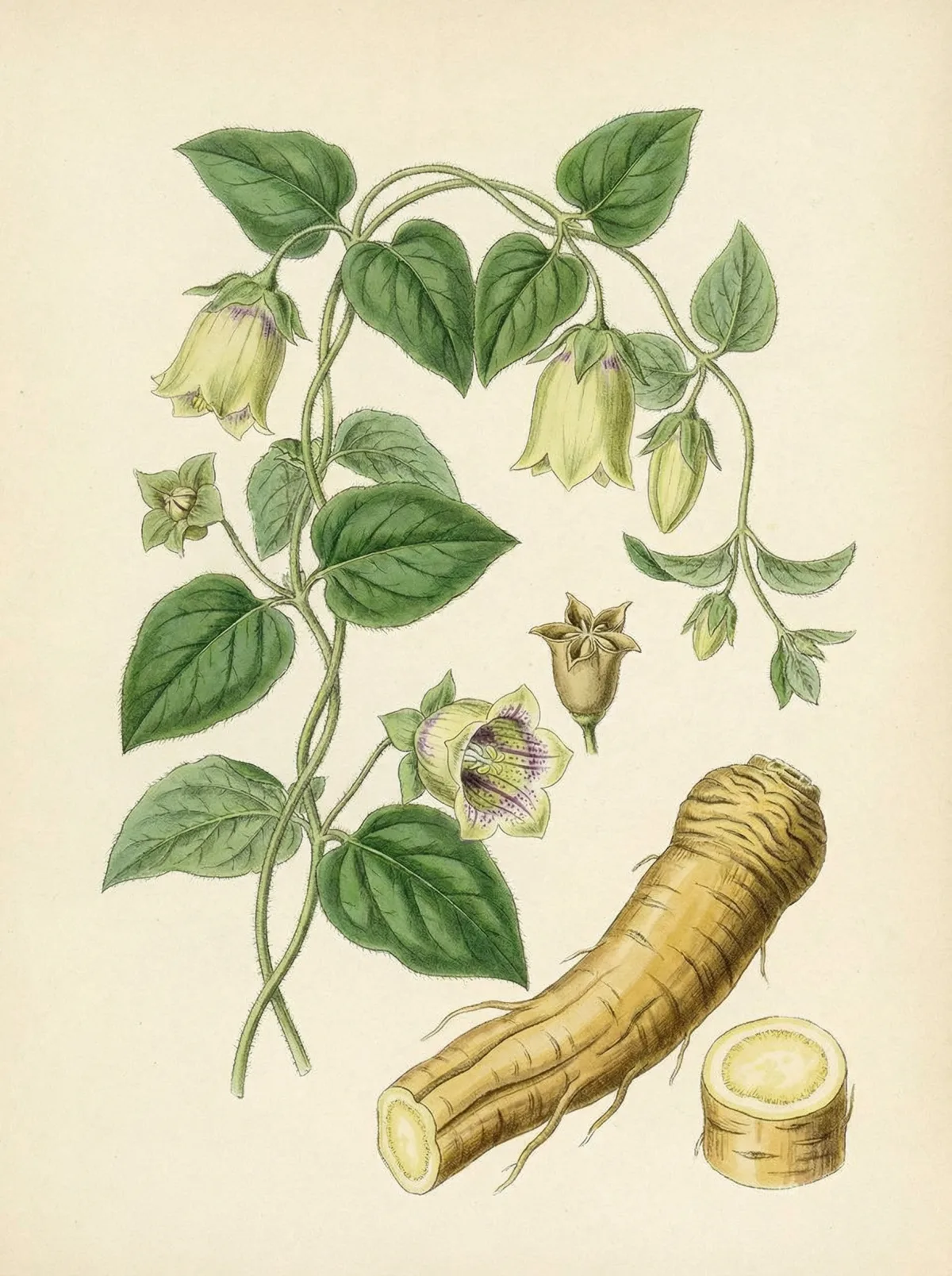
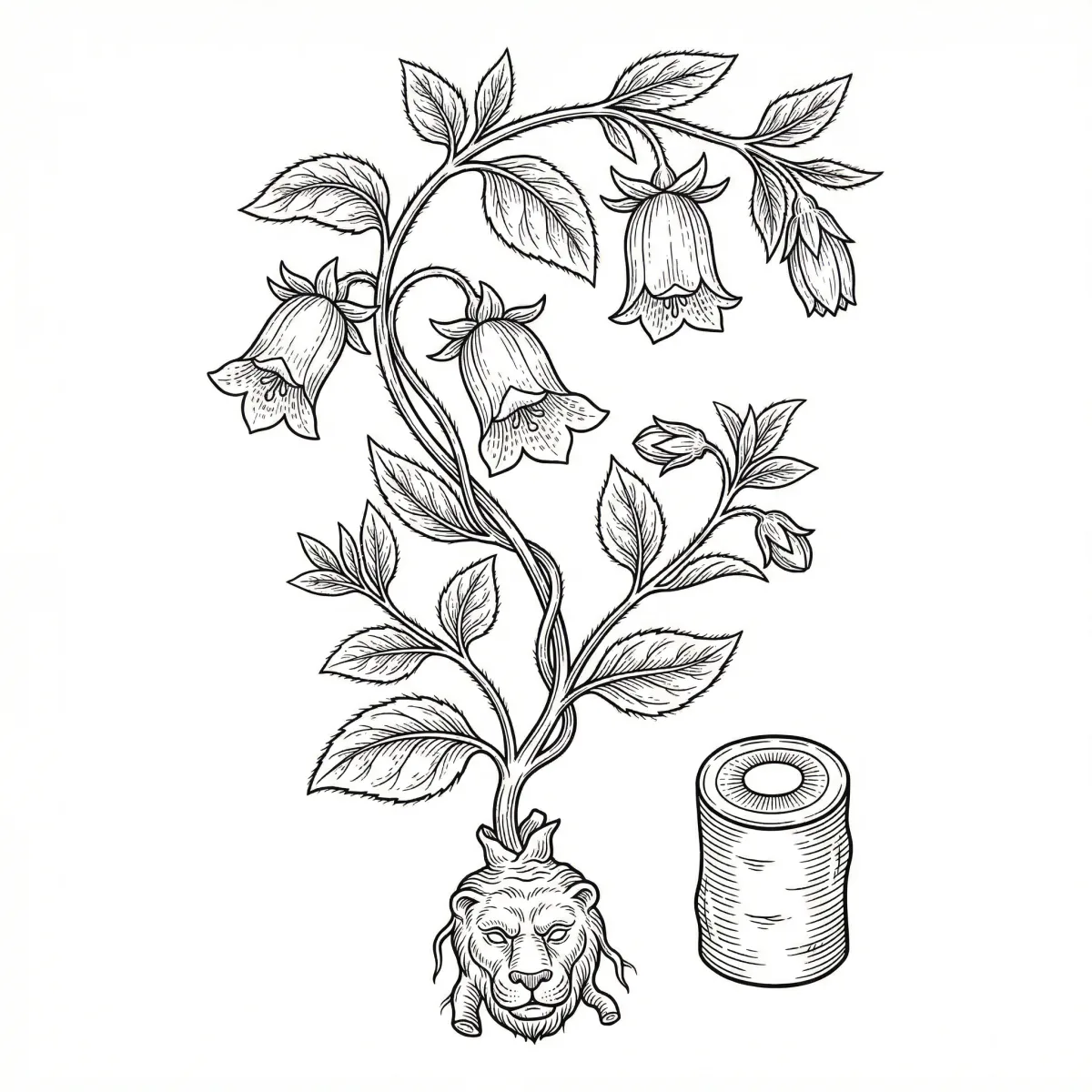
Dang Shen — die Wurzel der Glockenwindenart Codonopsis pilosula — ist das meistverwendete Qi–Tonikum in der täglichen TCM–Praxis. Es wird häufig als milderer und preiswerterer Ersatz für Ren Shen (Ginseng) eingesetzt.
Besonders geeignet für Patienten, die ein sanfteres Tonikum benötigen — bei empfindlichem Magen, anhaltender Erschöpfung oder zur dauerhaften Einnahme. In der modernen TCM–Praxis ist Dang Shen das am häufigsten verschriebene Qi–Tonikum.
Effect from a TCM perspective
Dang Shen tonifies spleen qi and lung qi, nourishes the blood, and promotes the production of body fluids. It is milder than Ren Shen but is better tolerated by those with sensitive stomachs.
- Tonisiert das Milz–Qi bei schwachem Appetit, Müdigkeit und weichem Stuhl
- Strengthens lung qi bei anhaltend schwacher Atmung, Kurzatmigkeit und leiser Stimme
- Nährt das Blut und fördert die Hämatopoese bei Blut–Mangel
- Fördert die Bildung von Körperflüssigkeiten bei Durst und Mundtrockenheit
- Hebt das klare Yang an und stärkt die Abwehrkraft (Wei–Qi)
Application & dosage
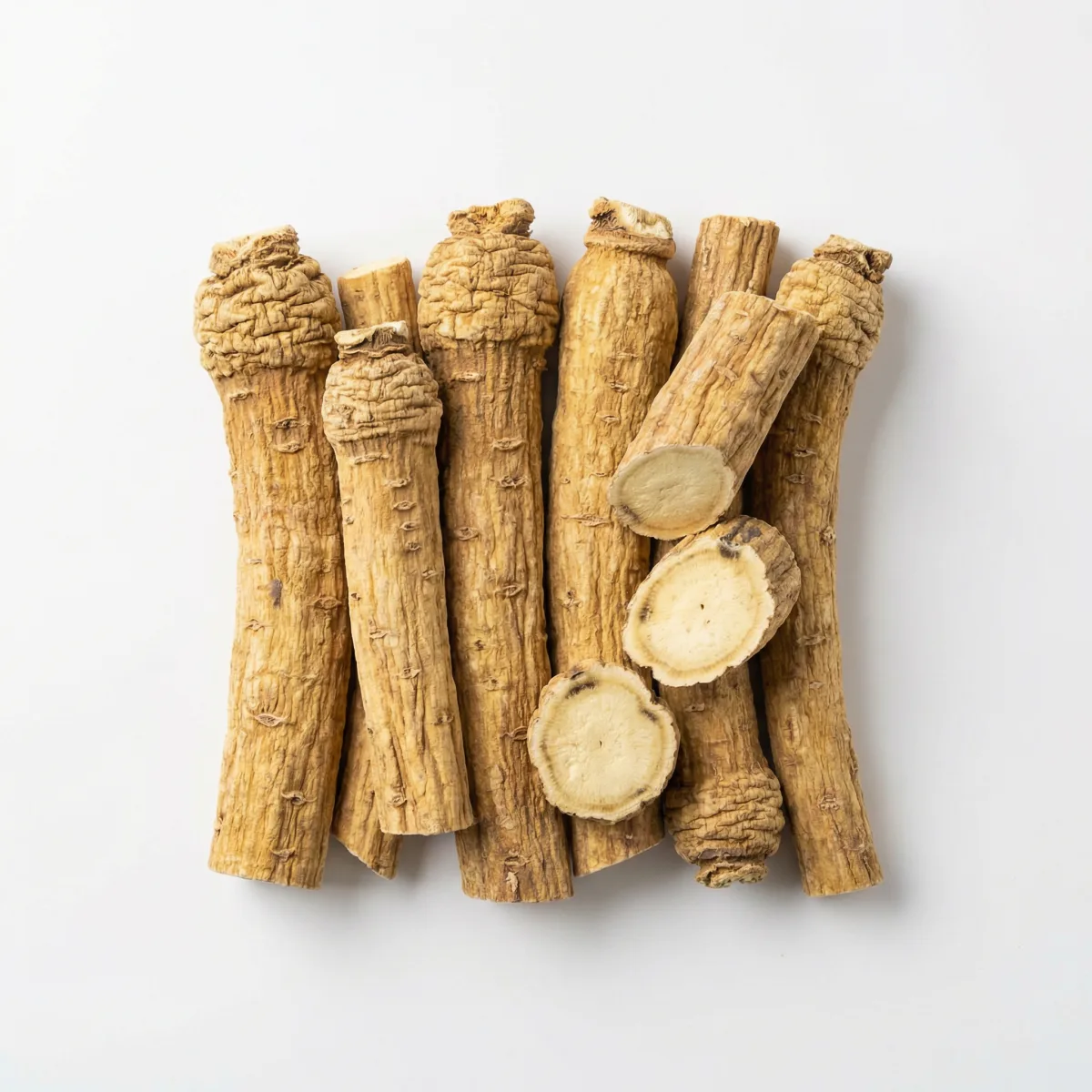
Dang Shen wird standardmäßig in einer Dosis von 9–30 g im Dekokt verwendet. Als Ginseng–Ersatz bei starkem Qi–Mangel können Dosen bis 60 g eingesetzt werden. Die Wurzel wird 30–45 Min. mitgekocht, um die Polysaccharide optimal zu extrahieren.
In traditional Chinese home remedies, Dang Shen is often added to soups and stews—a convenient way to boost qi in everyday life. When taken as granules, 3–6 g per dose is sufficient.
Dosage forms
- Decoction — Standardanwendung, 30–45 Min. mitkochen
- Granules — 3–6 g pro Einnahme, 2–3× täglich
- Tabletten und Kapseln — als Fertigpräparat
- Powder — 2–4 g mit warmem Wasser
- Soup — in der chinesischen Küche als Qi–stärkendes Nahrungsmittel beliebt
Dosage
- Decoct: 9–30 g (Standarddosis)
- Als Ginseng–Ersatz: bis 60 g
- Granules: 3–6 g pro Einnahme
- Powder: 2–4 g pro Einnahme
Frequent combination partners
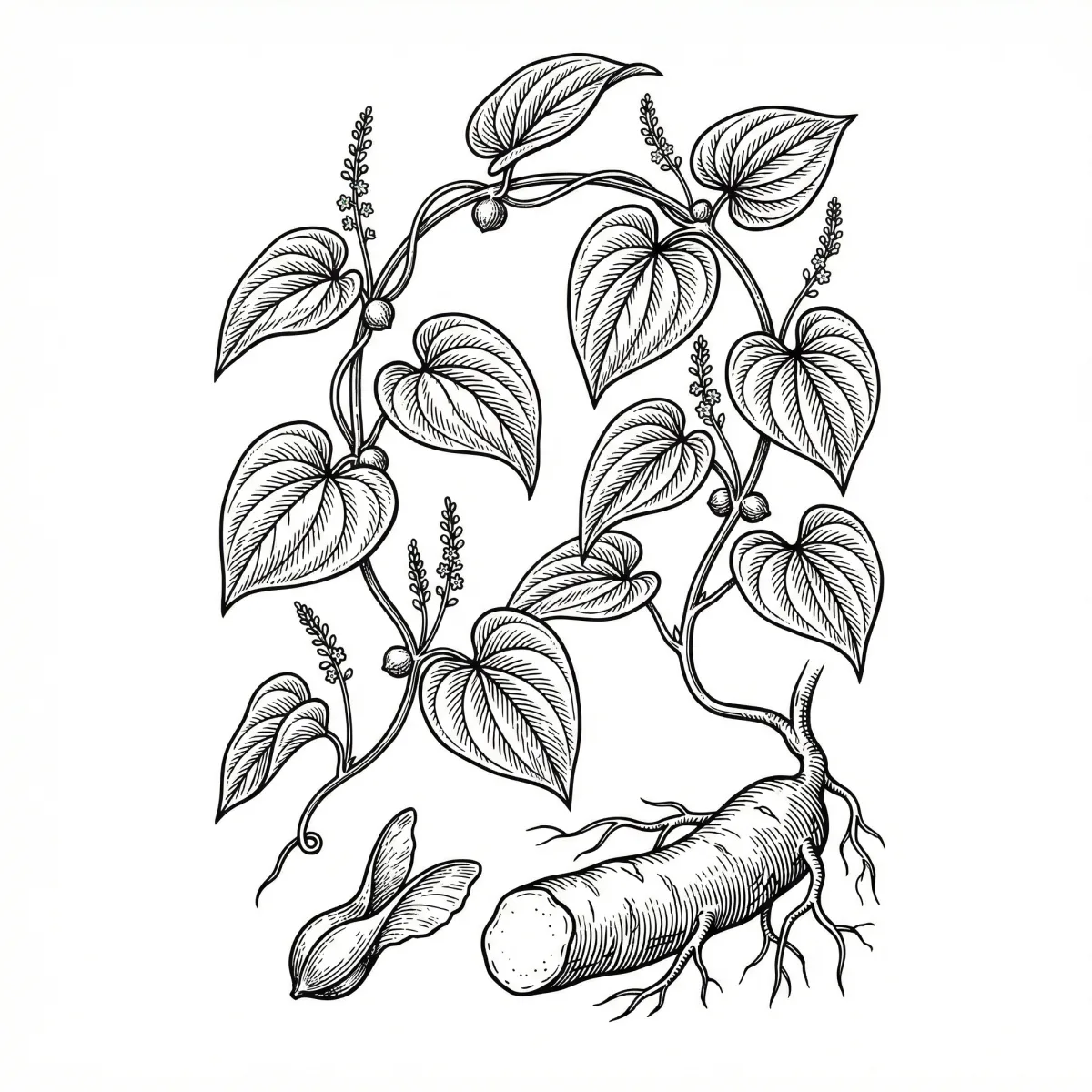
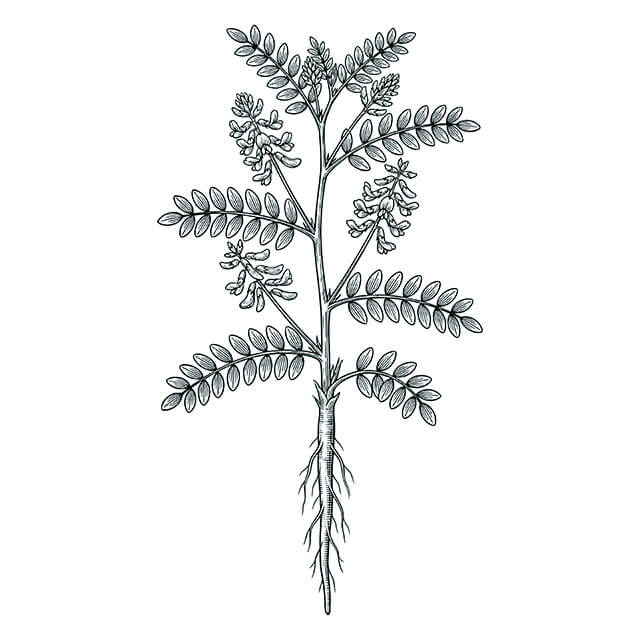
Dang Shen often does not reach its full potential until it is combined with other herbs
History & Tradition
Dang Shen owes its name to its historic growing region Shangdang (Shangdang) in Shanxi Province, which has been renowned for its superior quality for centuries. The character „Dǎng“ (党) refers to this place of origin—a testament to the importance of provenance in Chinese pharmacy.
Although Dang Shen is not specifically mentioned in the oldest texts—it was initially listed under the name Ren Shen—it appeared, at the latest, in the Qing Dynasty (17.–20. Jh.) als eigenständiges Kraut in Erscheinung. Der Grund war pragmatisch: Wilder Ginseng wurde immer seltener und teurer, und Dang Shen erwies sich als hervorragende, erschwingliche Alternative für die tägliche Praxis.
The distinguished physician Zhang Xichun (1860–1933) schätzte Dang Shen besonders und schrieb: „Wo Ginseng zu stark wirkt, ist Dang Shen die bessere Wahl.“ In seinem Werk Yī Xué Zhōng Zhōng Cān Xī Lù dokumentierte er zahlreiche Fälle, in denen Dang Shen dem Ginseng vorzuziehen war — besonders bei empfindlichen Patienten und langfristiger Einnahme.
In der modernen chinesischen Küche hat Dang Shen einen festen Platz als kulinarisches Tonikum. In klassischen Stärkungssuppen wird es zusammen mit Shan Yao, Fu Ling und Lian Zi als mildes Stärkungsmittel für die ganze Familie gekocht — ein Beispiel für die fließende Grenze zwischen Küche und Apotheke.
Contraindications & caution
- Qi–Stagnation: Nicht anwenden bei Fülle–Mustern mit Qi–Stagnation — Dang Shen kann das Völlegefühl und die Stagnation verstärken.
- Feuchtigkeits–Überladung: Vorsicht bei Feuchtigkeits–Überladung der Milz mit Übelkeit und Blähungen.
- Inkompatibilität: Nicht mit Li Lu (Veratri Radix) kombinieren — klassische Inkompatibilität, die für alle Ginseng–artigen Kräuter gilt.
- Interactions: Bei gleichzeitiger Einnahme von Blutverdünnern oder Immunsuppressiva ist ärztliche Rücksprache empfohlen.
Botany
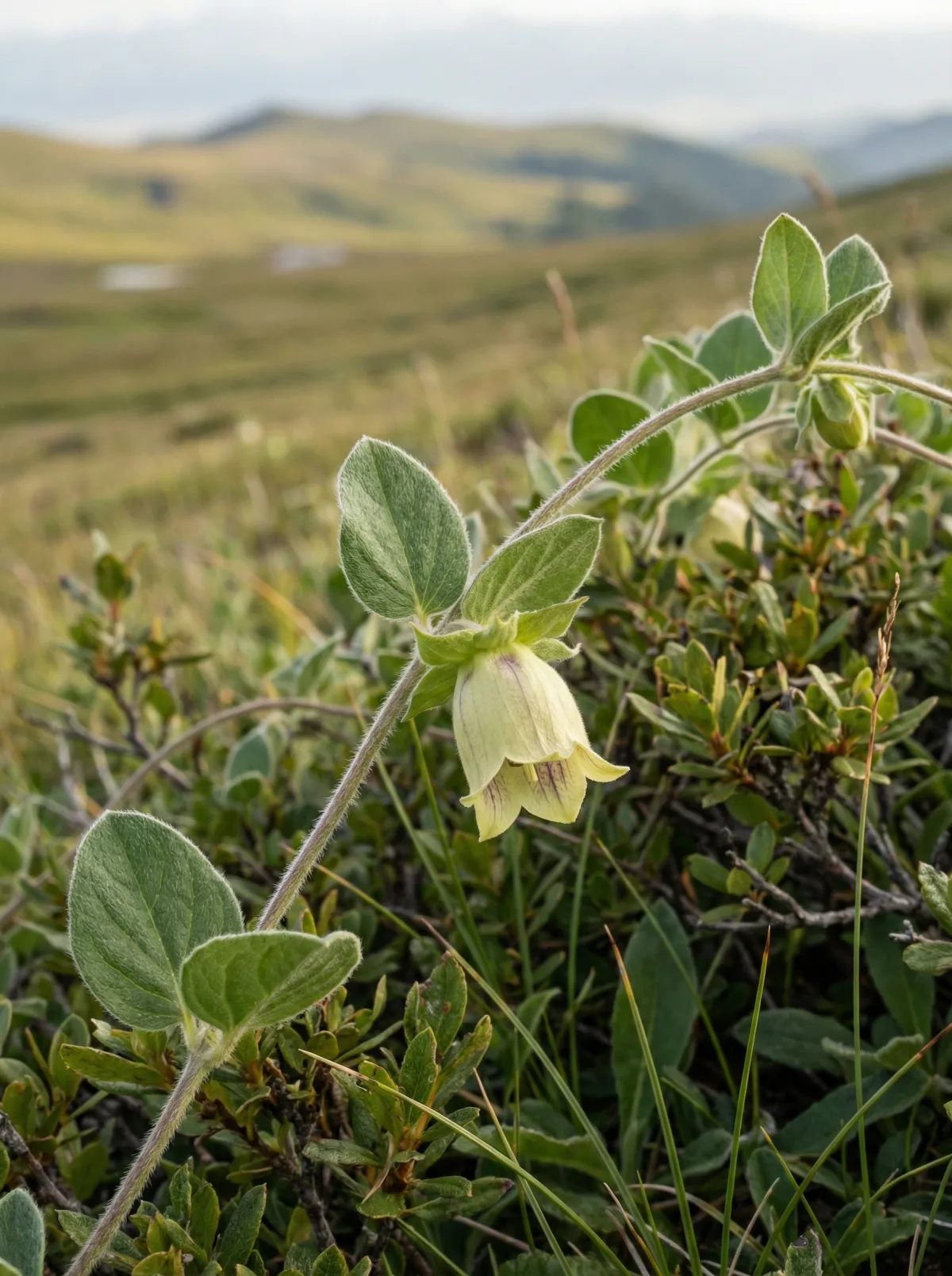
Codonopsis pilosula ist eine windende Staude aus der Familie der Glockenblumengewächse (Campanulaceae), die 1–2 m hoch klettert. Die Stängel sind dünn, windend und behaart. Die Blätter sind eiförmig bis breit–lanzettlich, gegenständig und unterseits graugrün behaart.
Die glockenförmigen Blüten sind grünlich–gelb mit violetten Flecken im Inneren und erscheinen von Juli bis September. Die Wurzel ist zylindrisch, 15–30 cm lang, gelblich–weiß und zeigt auf dem Querschnitt einen charakteristischen „Chrysanthemenring“ — ein wichtiges Qualitätsmerkmal. Beim Anschneiden tritt ein milchiger Saft aus, der süßlich schmeckt.
Occurrence
- Northern and Central China — Shanxi, Gansu, and Sichuan as the main growing regions
- The variety from Shangdang (Shanxi) is considered premium quality
- Prefers mountain slopes and forest clearings at elevations of 1,500–3,000 m
- Today, it is primarily cultivated; wild populations have become rare
- Also found in Mongolia and parts of Siberia
Harvest time
- Harvest in the fall (September–October), after 3–4 years of cultivation
- Dig up the roots after the above-ground foliage has wilted
- Ältere Wurzeln (4+ Jahre) gelten als inhaltsstoffreicher
Processing
The processing of Dang Shen is intended to preserve the root and intensify its sweet flavor. Traditionally, various methods are used.
- Raw herb (Shēng Dǎng Shēn):
- Wash fresh roots and remove any side roots
- An der Luft vortrocknen, dann mehrfach kneten und erneut trocknen
- Das wiederholte Kneten und Trocknen macht die Wurzel geschmeidig und konzentriert die Inhaltsstoffe
- Honey-Roasted Drug (Mì Zhì Dǎng Shēn):
- Spray the dried root slices with honey water
- Toast gently until they are golden brown and sticky
- Let cool and store in a dry place
Roasting with honey enhances the spleen-strengthening and qi-tonifying effects and moderates the mildly moisturizing property.
Related herbs
Herbs with similar effects and related areas of application