






Deng Xin Cao — Cattail Pith
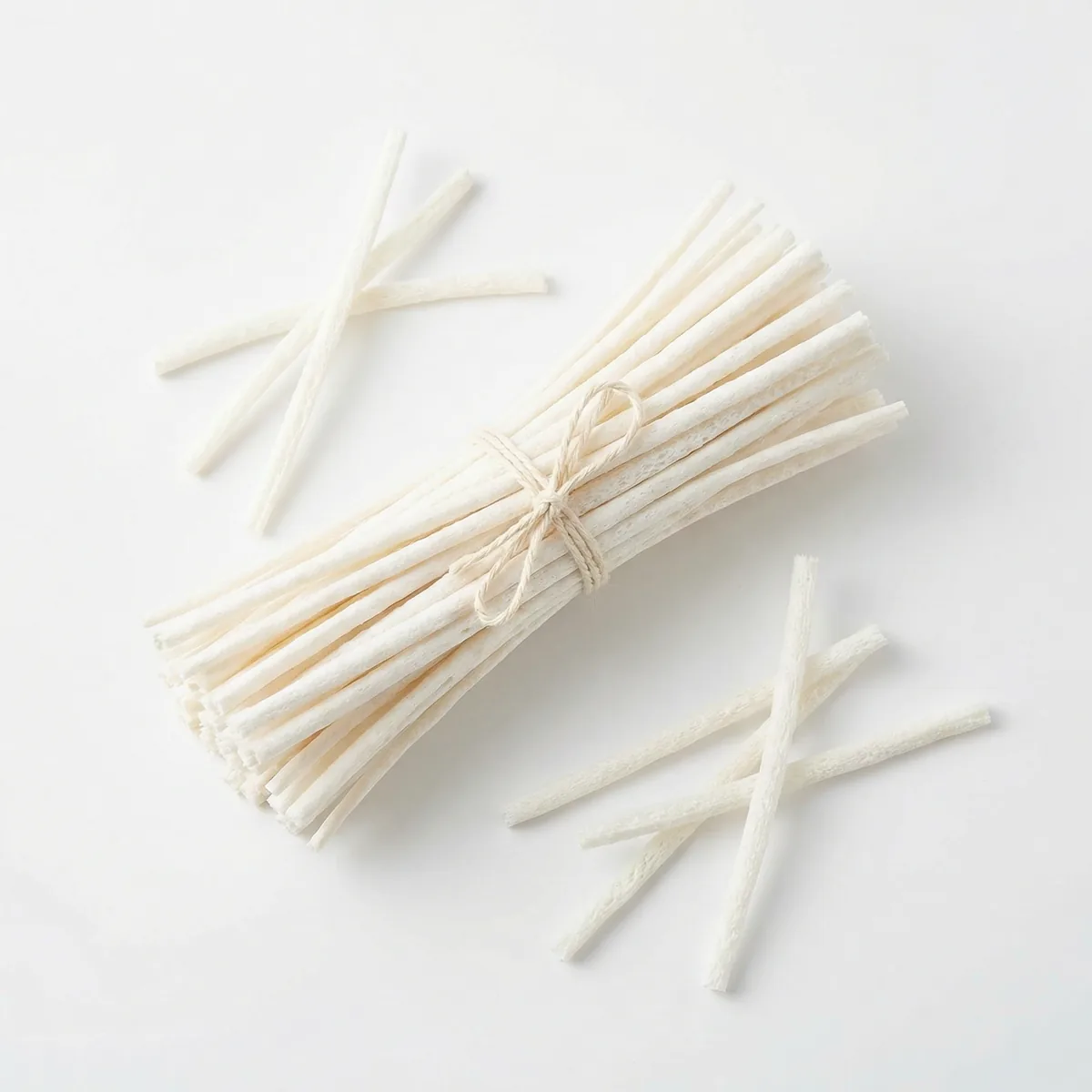
Deng Xin Cao—the pith of the rush—is a light-as-a-feather, gently cooling herb that clears heat from the heart. Its name means „wick grass"—in the past, the dried strands of pith were used as lamp wicks.
In TCM, Deng Xin Cao directs heat from the heart through the small intestine to the bladder—a gentle yet effective way to relieve restlessness and sleep disturbances. Its mild action makes it particularly valuable in pediatrics.
Effect from a Western perspective
Luteolin and Effusol—the main active ingredients—have shown mild diuretic and anti-inflammatory properties in preclinical studies. The concentration of the active ingredients is low; the effect is based on the interaction of many components.
- Luteolin exhibits anti-inflammatory and antioxidant effects in vitro
- Evidence of anxiolytic effects in animal models, which supports its traditional use for treating restlessness
- Mild antibacterial activity against common urinary tract pathogens has been demonstrated
- Diuretic effect confirmed in animal studies
- Effusol exhibits neuroprotective properties in vitro
Effect from a TCM perspective
Deng Xin Cao clears heart heat and directs it downward. It promotes diuresis, calms the shen, and is used particularly for children with restlessness and thrush.
- Relieves heart heat associated with irritability, sleep disturbances, and oral thrush
- Promotes diuresis and dispels damp-heat associated with painful urination
- Calms the Shen during restless nights—especially in children
- Conducts heat from the small intestine to the bladder
- Can be applied externally to mouth sores as a compress
Application & dosage
Deng Xin Cao is used in very small doses of 1–3 g in a decoction—the feather-light pith has a large volume but is very light in weight. For children, 0.5–1 g is sufficient. The herb is boiled only briefly (5–10 min.).
Externally, the marrow is traditionally used as a wick for treating mouth ulcers: a strand of marrow is soaked in sesame oil, lit, and held briefly against the affected area—a method that is particularly common in pediatrics.
Dosage forms
- Decoction — cook briefly (5–10 min.)
- For external use as a wick wrap (Dēng Huǒ Zhì) — for mouth ulcers
- In pediatric formulations—often in combination with other mild herbs
Dosage
- Decoction: 1–3 g (adults)
- Children: 0.5–1 g
- Exterior: individual strands of marrow twisted like a wick
Frequent combination partners
Deng Xin Cao often only reaches its full potential when combined with other herbs
Combinations & formulas
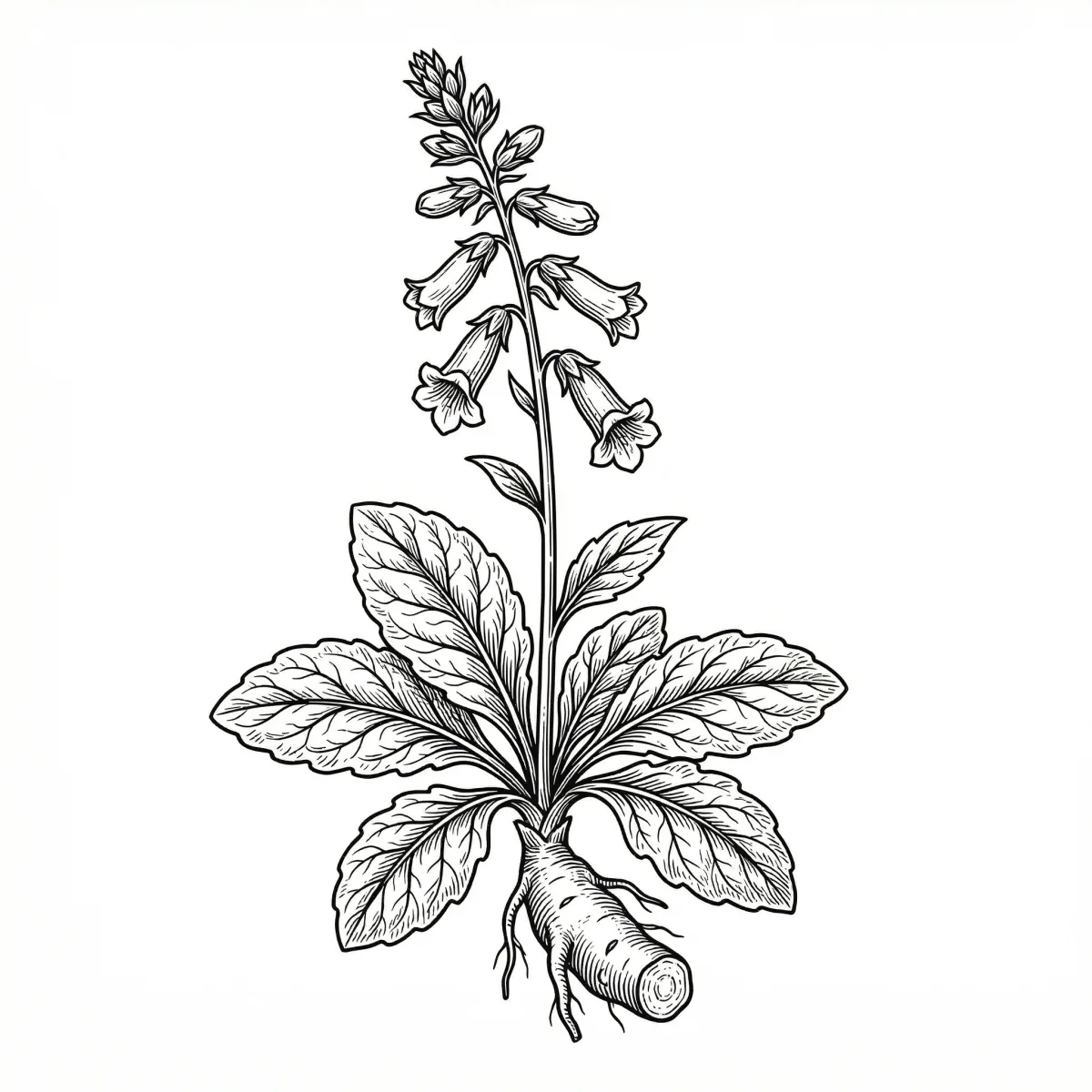
- Dan Zhu Ye (bamboo leaf) and Sheng Di Huang (raw rehmannia root) — as a trio to clear heart heat associated with mouth ulcers and restlessness.
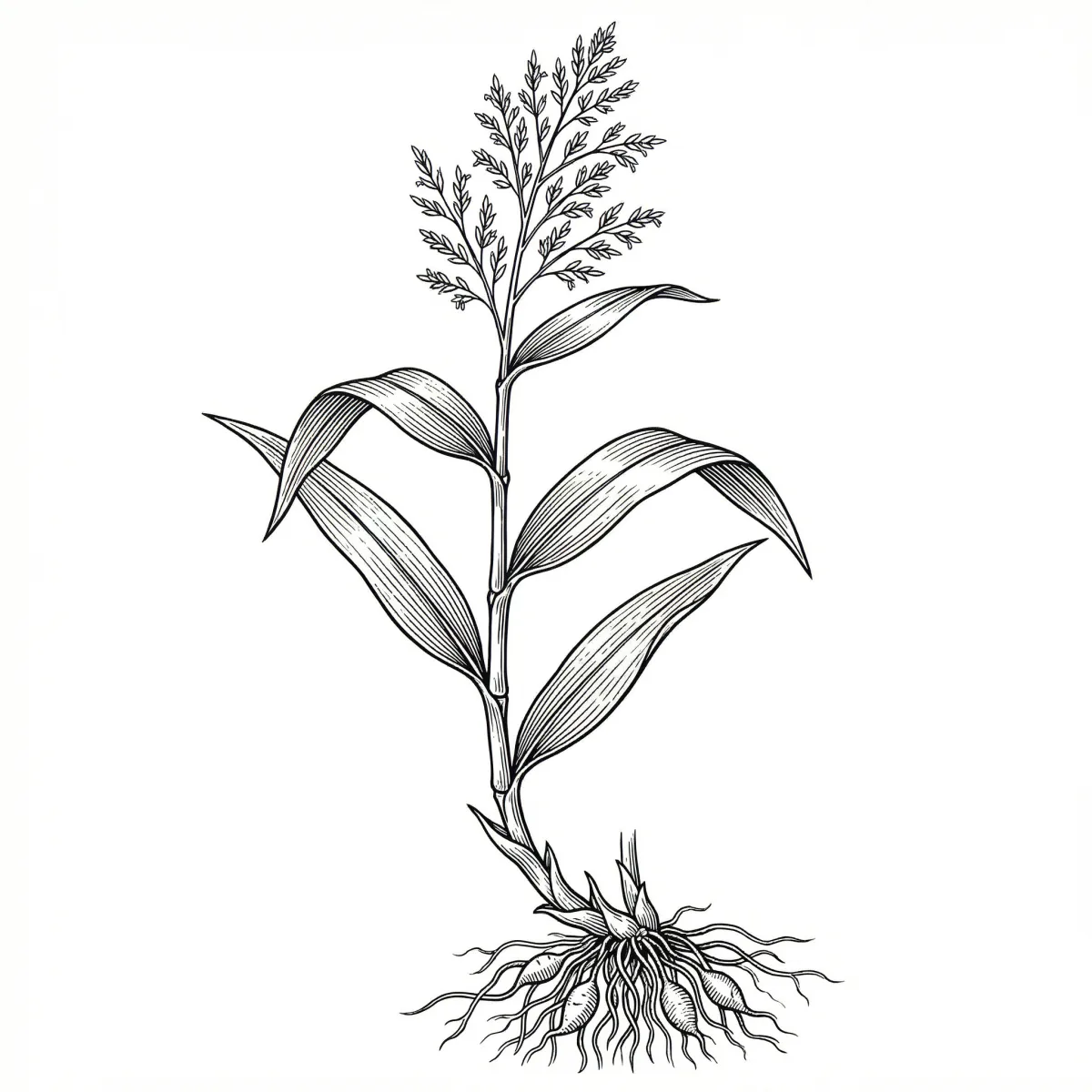
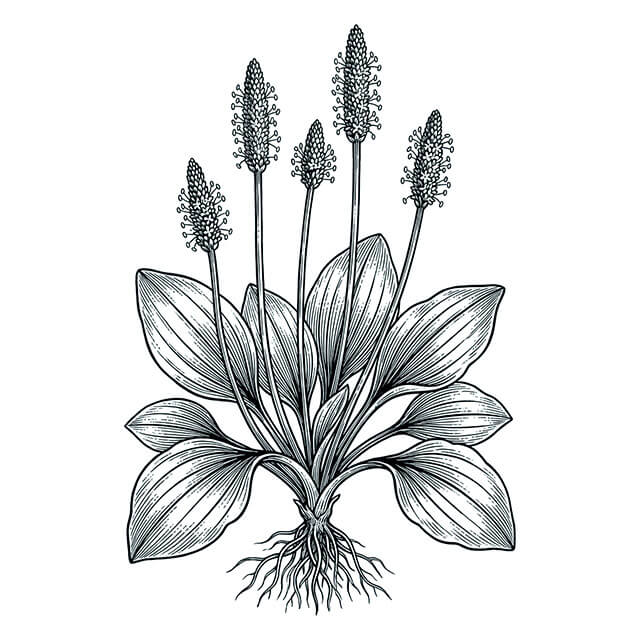
- Che Qian Zi (plantain seed) and Hua Shi (talc) — for damp heat in the lower burner, mild urinary tract infection.
- Gou Teng (Cat's Claw) — helps calm children who are restless or easily startled at night.
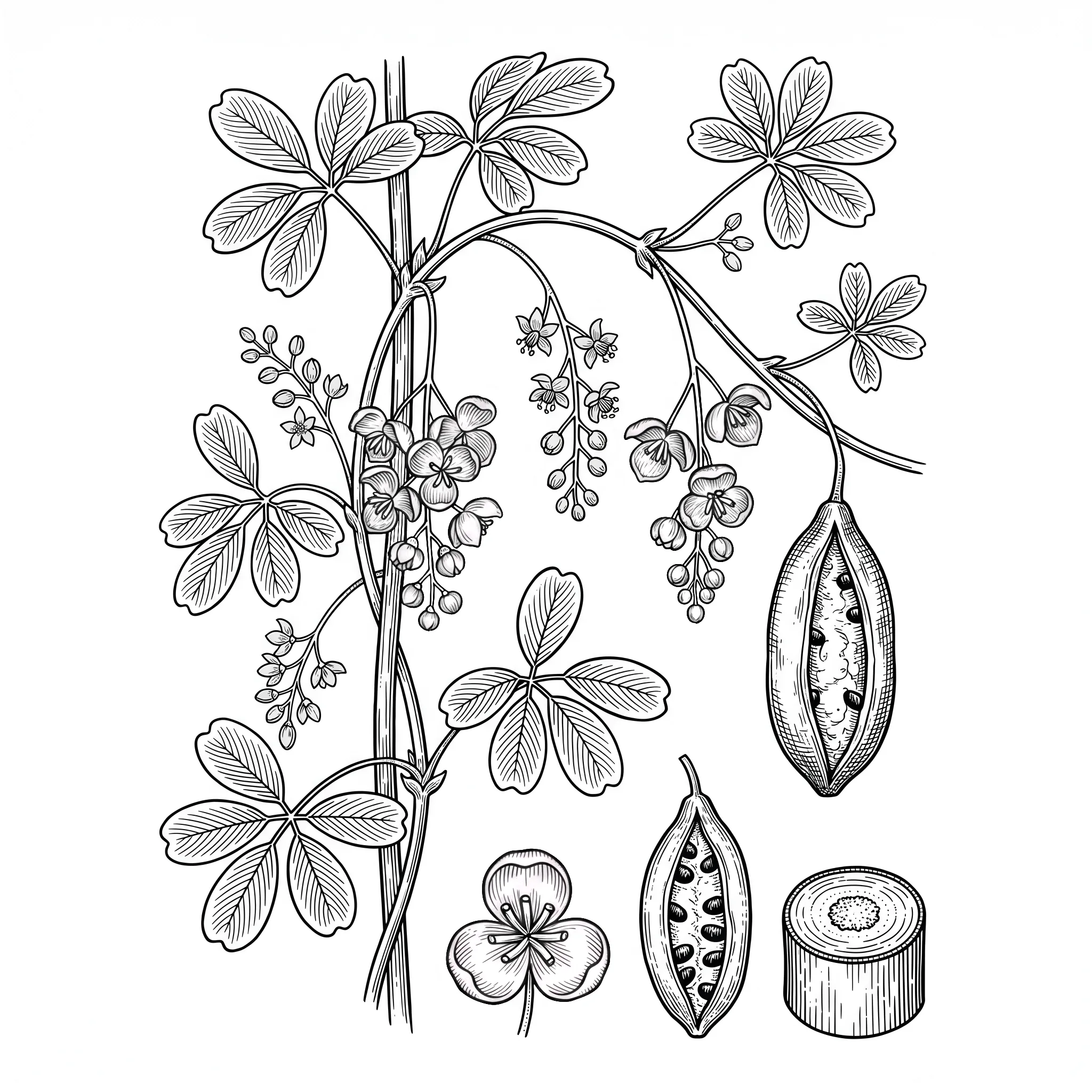
- Mu Tong (Akebia stem) — enhances the dispersing effect on heart heat and opens the waterways.
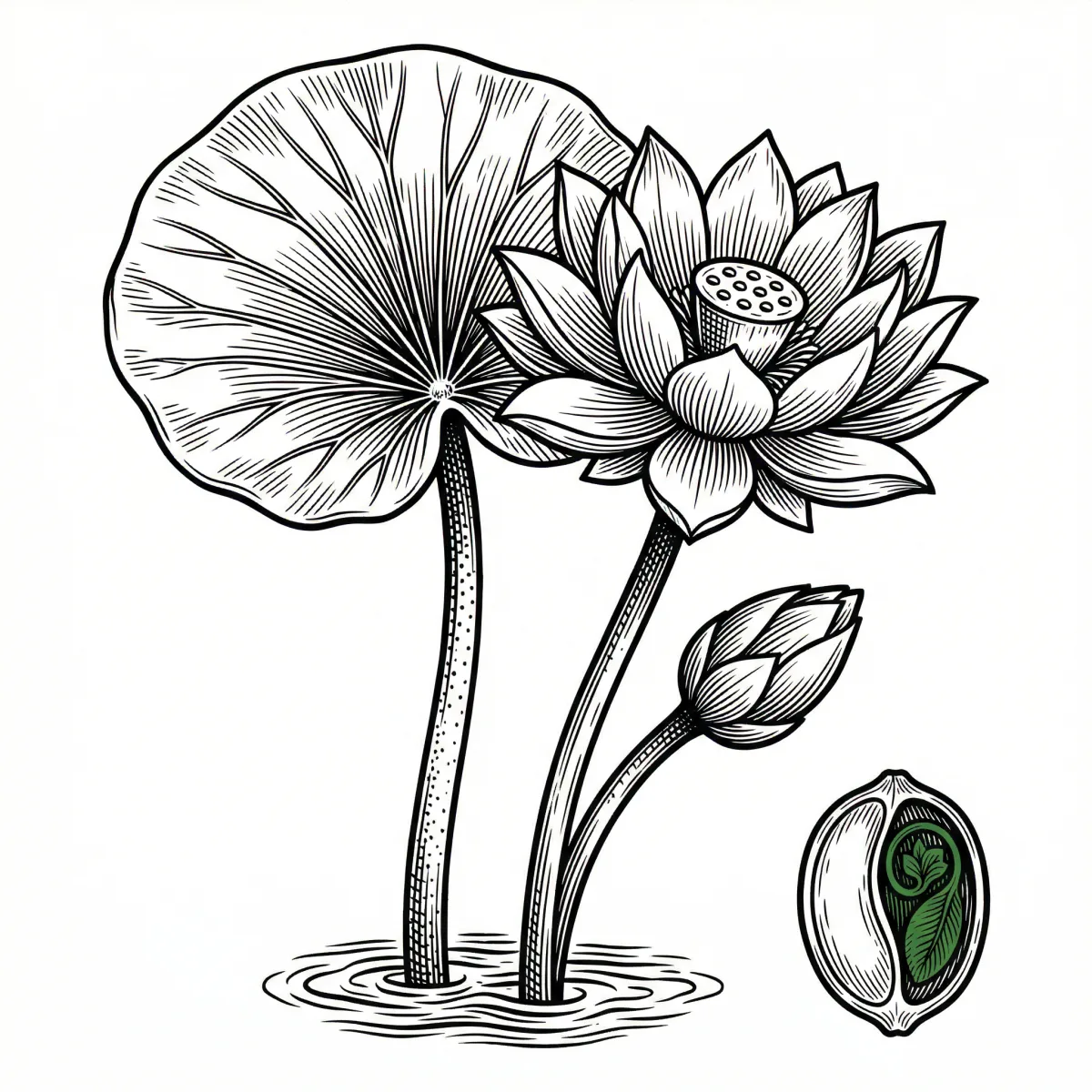
- Lian Zi Xin (Lotus Seedling) — Both clear Heart-Fire; used together for persistent irritability and insomnia.
History & Tradition
The name Deng Xin Cao (灯心草) literally means „lamp wick grass"—a term that refers to the centuries-old use of rush pith as wicks for oil lamps. Before cotton wicks were available, countless households in China lit their rooms with rush-pith wicks—an everyday item that also served as a remedy.
In TCM literature, Deng Xin Cao is first mentioned in the Kāi Bǎo Běn Cǎo (Kaibao Bencao) of the Song Dynasty (973 AD) as a distinct medicinal herb. Li Shizhen dedicated to the rush pith in the Běn Cǎo Gāng Mù (1578) devoted an entire chapter to this topic and emphasized its unique ability to drain heart-fire through the small intestine—a therapeutic principle that remains valid in clinical practice to this day.
Especially in the pediatric TCM Deng Xin Cao has a firm place in traditional medicine. Its mild, non-aggressive action makes it ideal for infants and toddlers—a patient group for whom many stronger heat-clearing herbs would be too drastic. External application as a wick poultice for oral thrush is one of the oldest and most elegant techniques in Chinese pediatrics.
In Chinese folk culture, the rush symbolizes modesty and quiet strength—just as the pith lies hidden within yet provides light, so too does this remedy work gently and unobtrusively, yet reliably.
Contraindications & caution
Do not use in cases of Qi deficiency with copious, clear urine—Deng Xin Cao is diuretic and would further deplete body fluids. Do not use in cases of Yang deficiency with a sensation of cold and no signs of heat.
Use only when there is a clear indication of heat—it is contraindicated in cases of a cold constitution. In cases of yin deficiency with dryness, use should be limited in duration to avoid further depletion of body fluids.
Botany
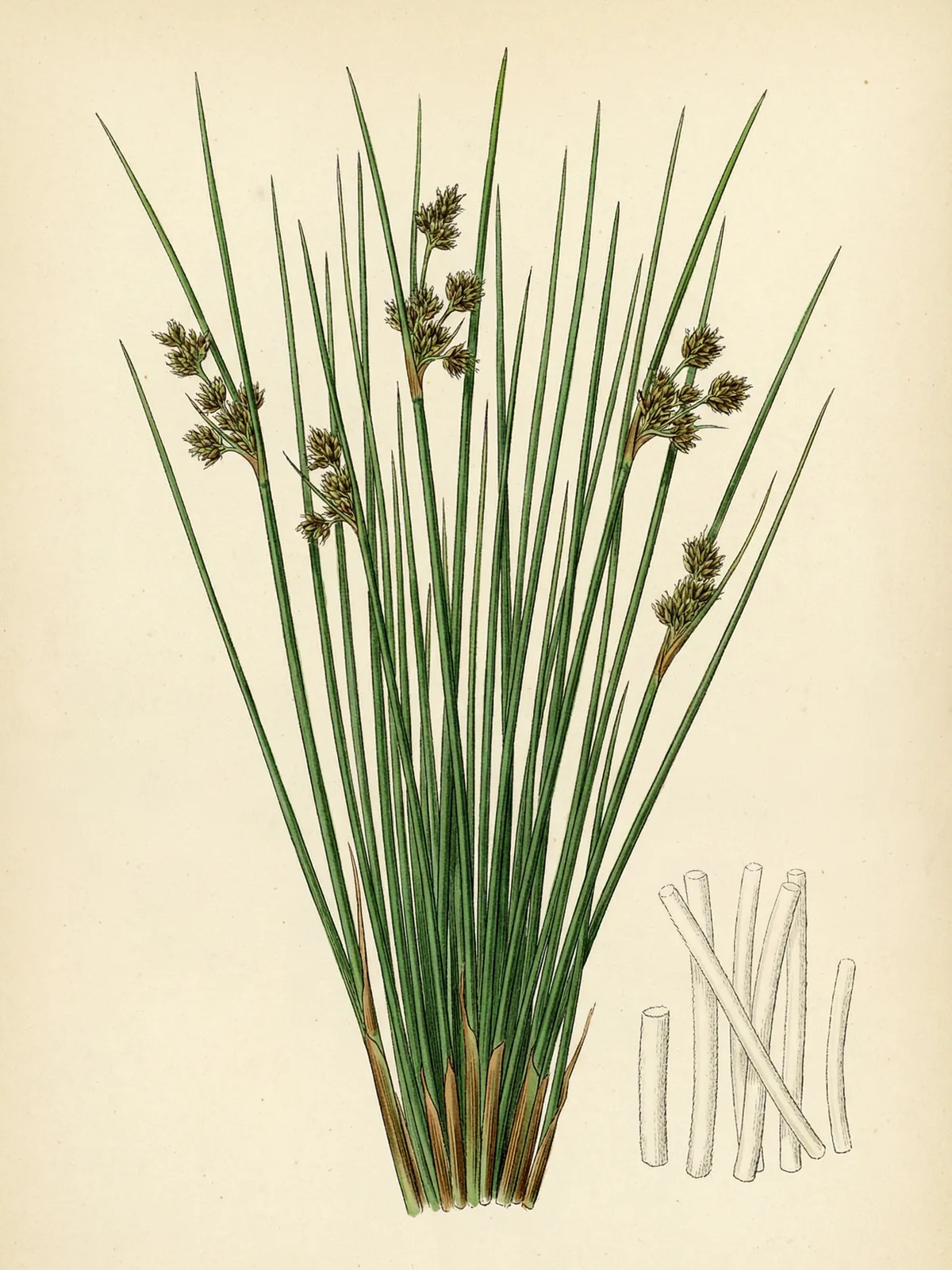
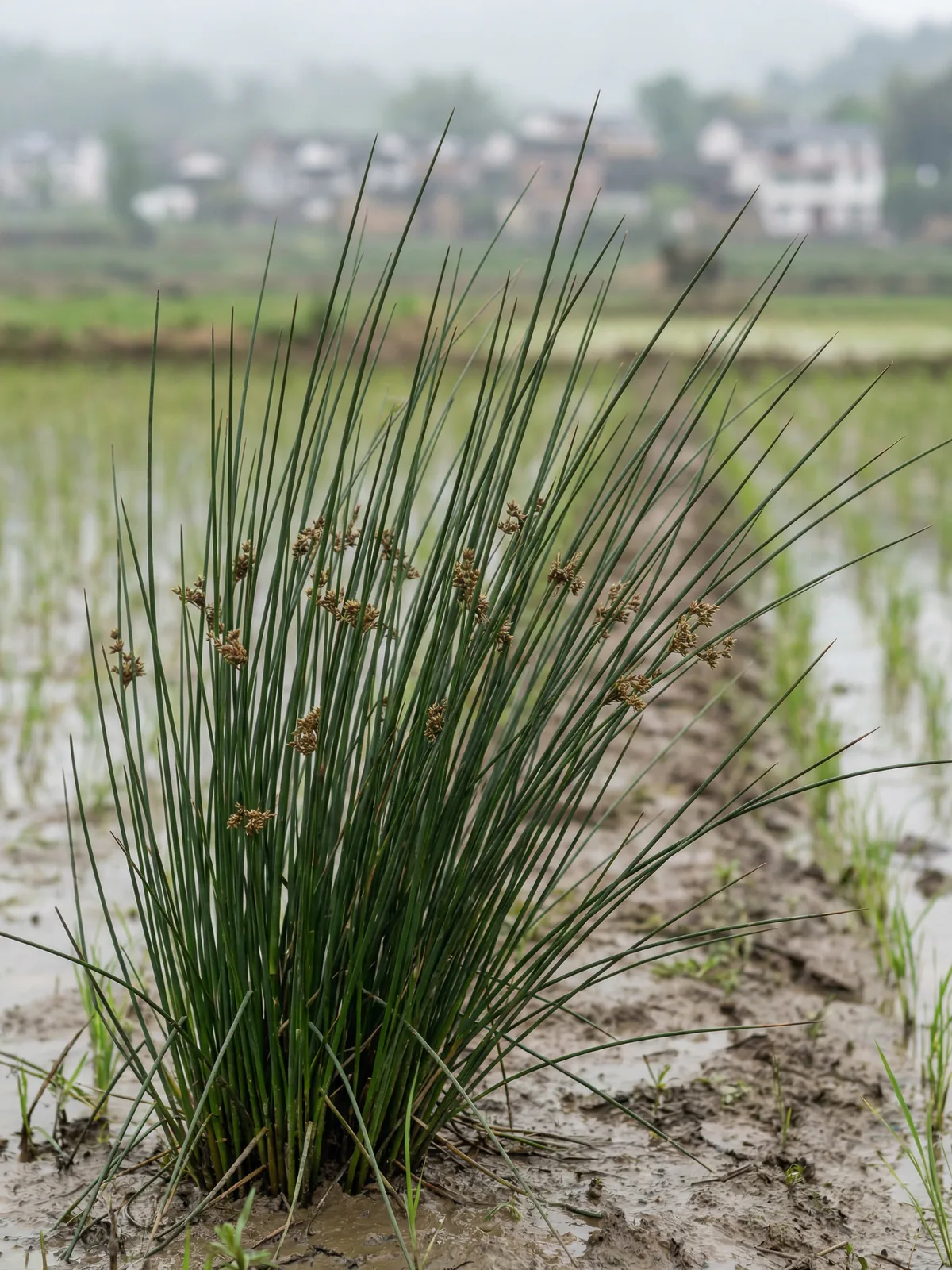
Juncus effusus is a perennial, evergreen plant in the rush family (Juncaceae) that grows to a height of 40–100 cm. The stems are cylindrical, erect, and deep green in color. Inside is the white, spongy pith—the part of the plant used medicinally.
The flowers are inconspicuous, small, and brownish-green, arranged in lateral clusters. The plant grows in dense clumps in moist locations and spreads via rhizomes. To extract the pith, the stalks are slit lengthwise and the white, feather-light interior is pulled out.
Occurrence
- Found worldwide — one of the most widespread species of rush
- Collected in China, particularly in Jiangsu, Sichuan, and Guizhou
- Wet habitats: riverbanks, swamps, wet meadows, and the edges of rice paddies
- Also native to Europe, North America, and Japan
- Prefers acidic to neutral, nutrient-rich soils
Harvest time
- Harvest in late summer through fall (August–October)
- The stalks are cut when they are fully mature
- The pith is extracted from the fresh stalks immediately after harvest
- Air-drying — the pulp is extremely light and dries quickly
Processing
Extracting the pith from the reeds requires skill—the feather-light pith must be pulled from the stalks without being damaged.
- Raw herb (Shēng Dēng Xīn Cǎo):
- Harvest fresh rushes and remove the leaf sheaths
- Slice the stalks lengthwise with a sharp knife
- Carefully remove the white, spongy pulp
- Let dry in the open air and store in bundles
- Cinnabar-treated Marrow (Zhū Shā Bàn Dēng Xīn):
The root is dusted with a fine suspension of cinnabar—this form of preparation enhances its Shen-calming effect and is used to treat severe restlessness and insomnia. It is rarely used in modern practice, as cinnabar (mercury sulfide) poses toxicological concerns.
Related herbs
Herbs with similar effects and related areas of application
Comparable western herbs
- Spreading rush (Juncus effusus) — The same plant species is also used in European folk medicine, though much less frequently. In some regions, it was used as a mild diuretic for bladder problems.
- Chamomile (Matricaria chamomilla) — the European pediatric equivalent of Deng Xin Cao: mild, soothing, and anti-inflammatory. It has a similarly broad range of uses for restlessness, sleep disturbances, and inflammation of the mucous membranes.
- Field horsetail (Equisetum arvense) — Used in Western herbal medicine as a mild diuretic for urinary tract complaints. Like Deng Xin Cao, it promotes urine production without placing a heavy burden on the body.