








Cang Zhu — Atractylodes Rhizome
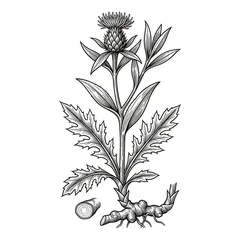
Cang Zhu—the Atractylodes rhizome—is one of the most important herbs for treating internal dampness in TCM. Its strong, camphor-like scent reflects its aromatic drying power, which dull dampness dissolves in the middle heater.
It is used when dampness blocks the spleen—manifesting as a sensation of heaviness in the epigastric region, loss of appetite, and rising stomach Qi—and also dispels wind-dampness from the joints and muscles in cases of Bi syndrome.
Effect from a TCM perspective
Cang Zhu dries dampness and strengthens the spleen’s transformative function. It dispels wind-dampness and relieves superficial symptoms caused by external wind, cold, and dampness.
- Dries dampness and strengthens the spleen—transformation for a poor appetite and rising stomach Qi
- Repels wind and moisture from joints and muscles in Bi syndrome
- Solves the surface in cases of wind, cold, and dampness, with a feeling of heaviness in the limbs
- Clears the eyes for night blindness and impaired vision caused by moisture
- Aromatic quality transforms murky moisture in the middle heater
Application & dosage
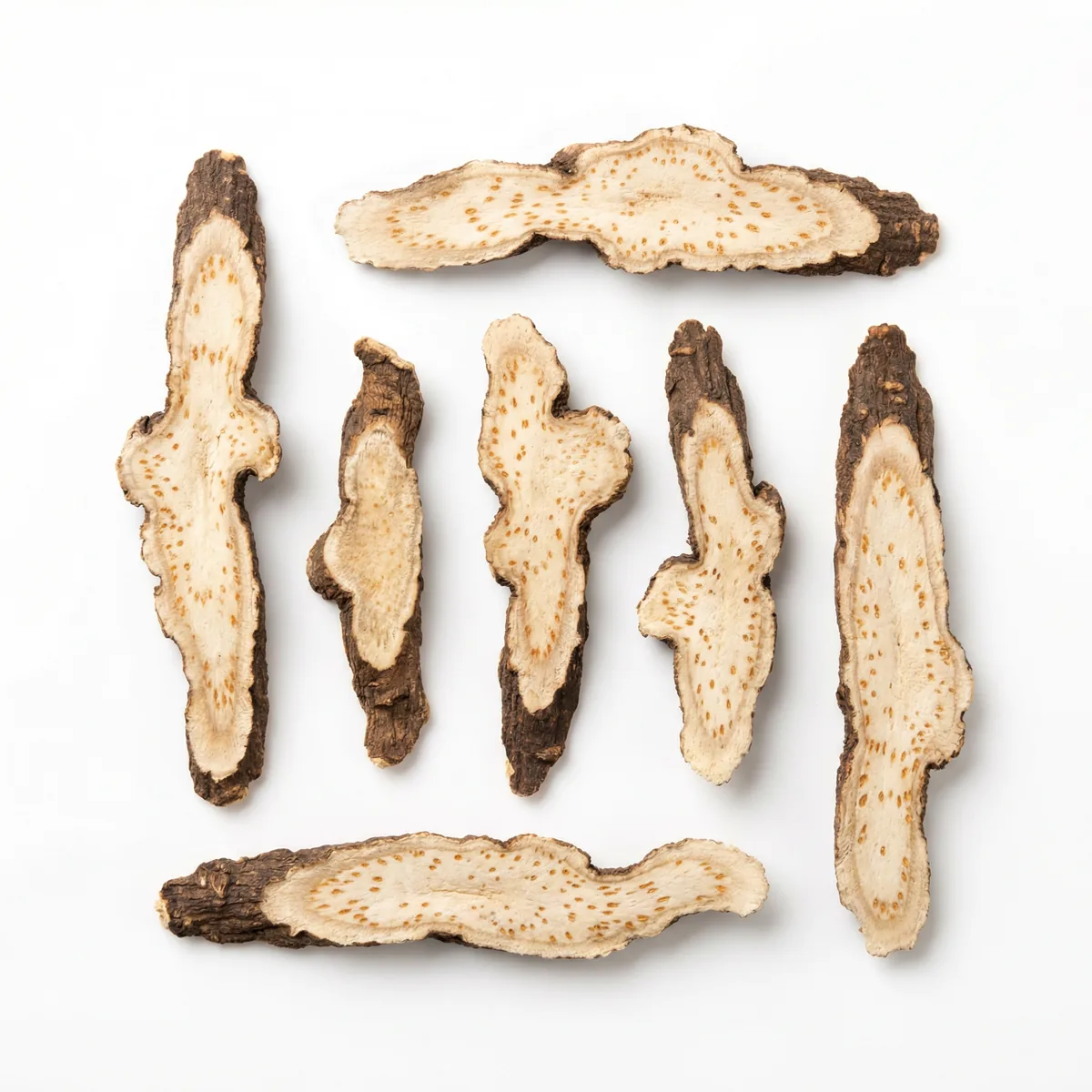
The dosage of Cang Zhu varies depending on how it is processed. When used raw, it has the strongest drying effect, while the rice-washed form is gentler on sensitive stomachs.
The standard dose is 5–10 g in a decoction. If there is excessive dampness, the dose may be increased to up to 15 g; for sensitive patients, the lower dose is recommended.
Dosage forms
- Decoction — a traditional use in herbal recipes
- Granules — as a concentrated extract dissolved in warm water
- Tablets — standardized dosage form
- Powder — stirred into warm water or rice soup
- Incense Burning — traditionally used to purify indoor air during epidemics
Dosage
- Decoction (raw): 5–10 g
- Decoction (rice-washed): 5–10 g
- Granules: 2–3 g
- Powder: 1.5–3 g
Frequent combination partners
Cang Zhu often does not reach its full effect until it is combined with other herbs
History & Tradition
In the *Shén Nóng Běn Cǎo Jīng*, Cang Zhu is still listed under the collective name „Zhú“ along with Bai Zhu. Only Táo Hóngjǐng During the Liáng Dynasty (ca. 500 CE), he clearly distinguished between the two Atractylodes species: Bai Zhu for tonifying the spleen, and Cang Zhu for drying dampness. This distinction continues to shape TCM practice to this day.
Cang Zhu became famous through the tradition of burning it during times of epidemic fever (Wēn Yì). The Běn Cǎo Gāng Mù Lǐ Shízhēn reports that during epidemics, Cang Zhu was burned in patients„ rooms to dispel the “murky vapors.” This practice has persisted in some regions of China up to the Dragon Boat Festival and echoes the modern understanding that essential oils do indeed have antimicrobial effects.
The Famous Doctor Zhū Dānxī (1281–1358) made Cang Zhu the cornerstone of his approach to treating dampness patterns and coined the legendary phrase: „Cang Zhu is the sword that cuts through dampness.“ In his daily practice, he used it for nearly every patient exhibiting signs of dampness—from being overweight to having a swollen tongue.
Contraindications & caution
- Not at Yin Deficiency with Dryness — its highly drying nature would further deplete the body's fluids.
- At Qi Deficiency with Excessive Sweating Cang Zhu is contraindicated because its pungent and dispersing properties increase sweating.
- Be careful with internal heat without moisture — Warm temperatures can make the heat worse.
- Not to be used as a standalone treatment for loose, watery stool due to spleen-yang deficiency without dampness.
- In the Pregnancy Only after consulting a doctor.
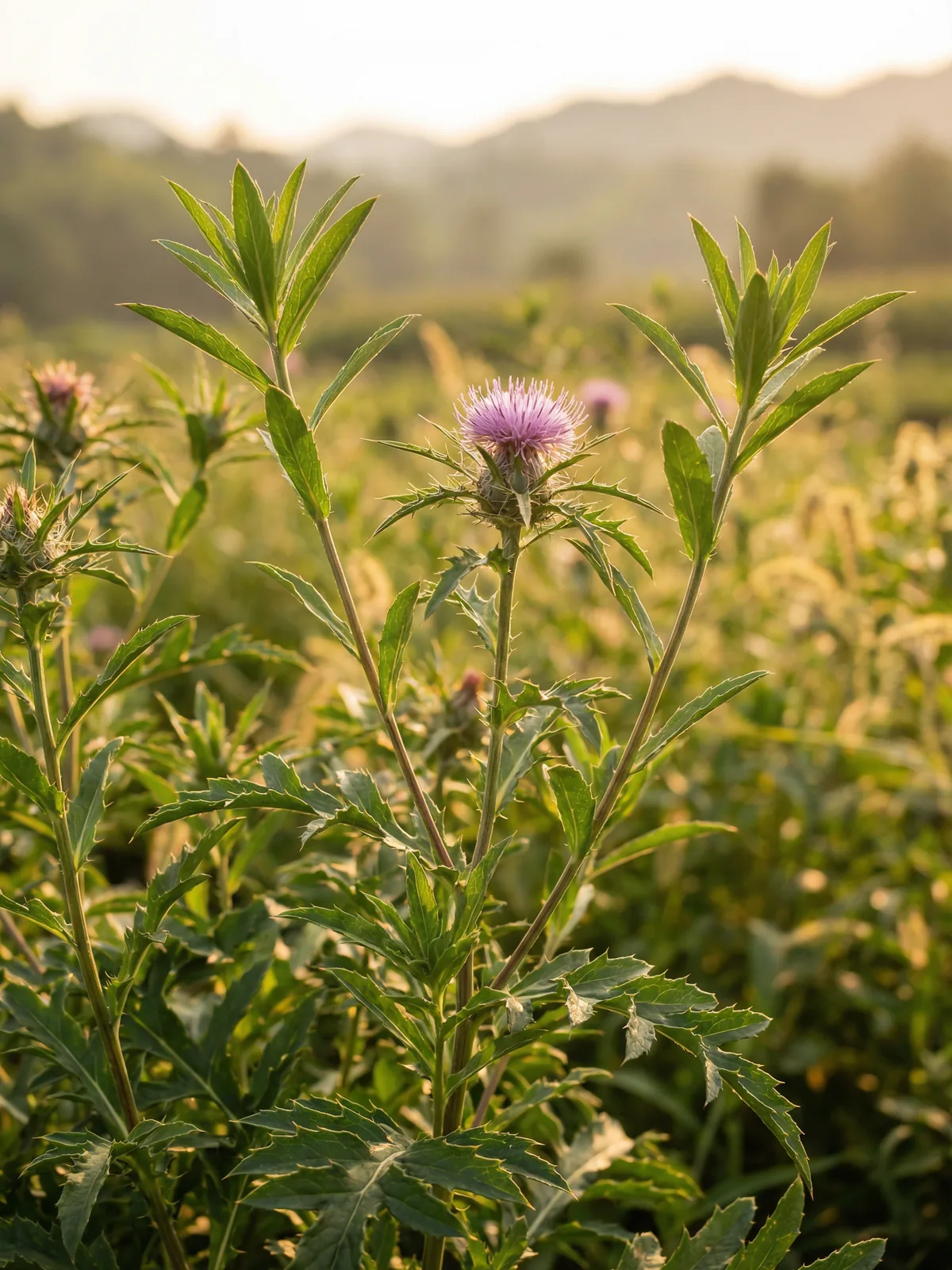
Botany
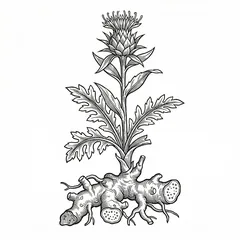
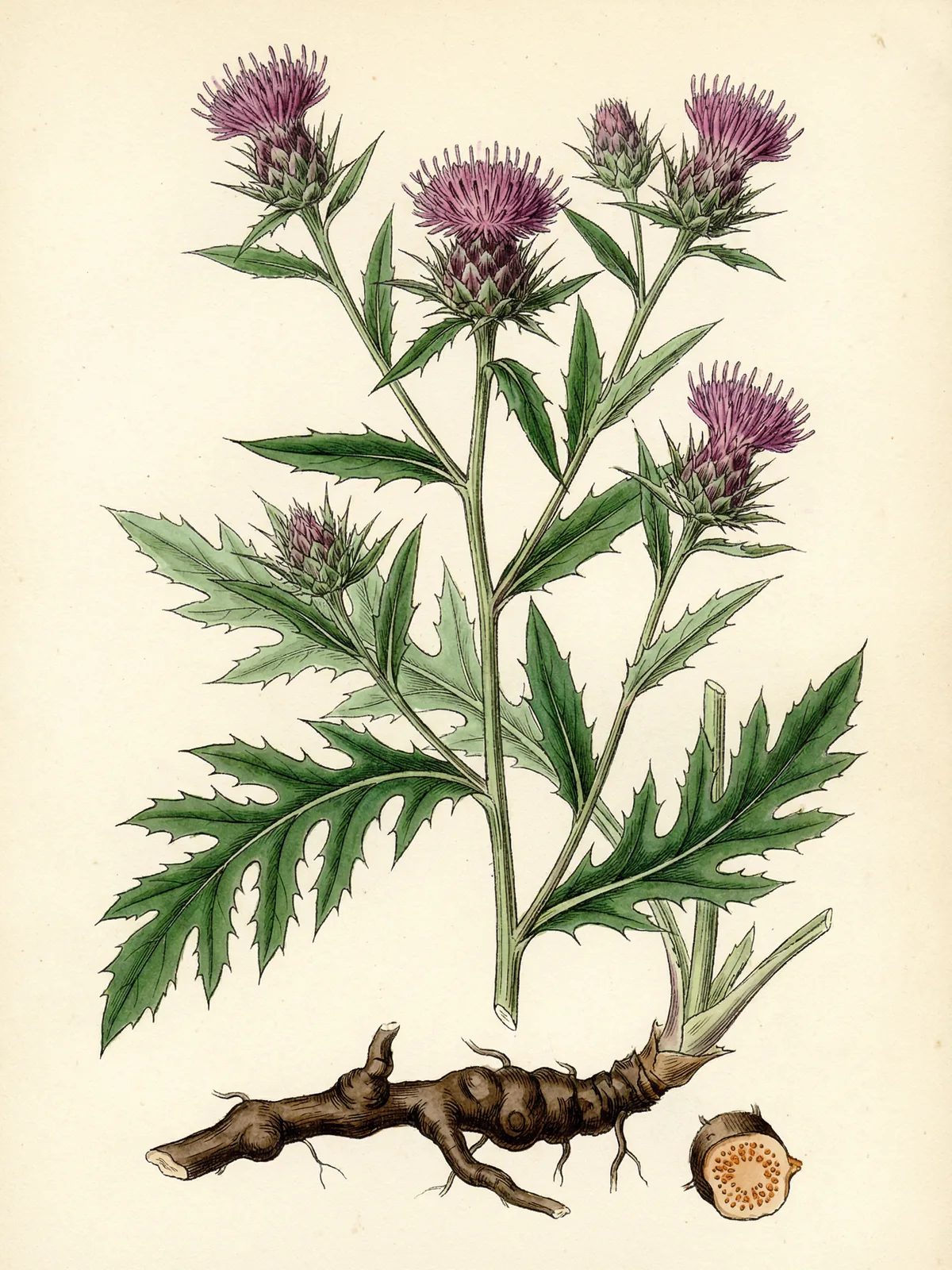
Atractylodes lancea (Thunb.) DC. is a perennial herbaceous plant in the aster family (Asteraceae) that grows to a height of 30–100 cm. The rhizome is the part used medicinally—it is knotty, irregularly shaped, and emits an intense, camphor-like odor when cut.
A characteristic feature is the so-called „Cinnabar Dots“ (Zhū Shā Diǎn) — reddish-brown oil droplets on the cross-section, which are considered a sign of quality. The more of these spots that are visible, the higher the value of the herb. The leaves are alternate, leathery, and have spiny teeth along the margins; the flowers range from purplish-red to white and are arranged in basket-shaped inflorescences.
Occurrence
- Natural Distribution in Central and Eastern China, Korea, and Japan
- Main growing regions in Jiangsu (Mao Shan), Hubei, and Henan
- Quality from Máo Shān (Máo Cāng Zhú) is considered the best
- Prefers dry, rocky mountain slopes and open forests at elevations of 300–1,500 m
Harvest time
- Spring Harvest (March–April) or fall (September–October)
- rhizome Dig up after 2–3 years of growth
- Fall Harvest provides a higher concentration of essential oils
Processing
Cang Zhu is processed in various forms to tailor its effects to specific needs.
- Shēng Cāng Zhú (raw Atractylodes rhizome) — strongest astringent effect:
- Wash the rhizome and remove any soil residue
- Cut into slices and air-dry
- Mǐ Cāng Zhú (rice-washed Atractylodes rhizome) — gentler on the stomach:
- Soak the rhizome slices in rice-washing water
- Let it sit for several hours, then let it dry
- Chǎo Cāng Zhú (roasted Atractylodes rhizome) — milder effect:
- Toast the rhizome slices in a dry skillet over medium heat
- Toast until the surface is lightly browned
Related herbs
Herbs with similar effects and related areas of application