






On this page, you will learn:
- What this diagnosis means from the point of view of TCM and Western medicine
- Where your symptoms come from and how they are connected
- Which specific treatment methods can help you now
- How you can use TCM herbs, acupressure, Qi Gong and nutrition to drive the cold out of your joints, restore the flow of Qi and blood and regain your mobility
The good news: Cold-bi syndrome can be treated well with the right measures. With a warming diet, targeted acupressure, moxibustion and proven TCM herbs, you can banish the cold and make your joints supple again.
Take your time, Get to know the different treatment approaches—you don't have to implement everything at once. Choose what feels right for you and what you can easily integrate into your everyday life.
Your treatment at a glance:
Which TCM pattern is really behind your complaints?
Degree of
imbalance

Medium
Typical
treatment duration

3-6 months
self-treatment
Possible

Partly self-treatable
Treatment–
scope

2–3 methods
Proposed
methods

Extensive range
Our free TCM analysis shows you your personal TCM pattern in just 10 minutes - and which treatment will help you best.
What is cold-bi syndrome?
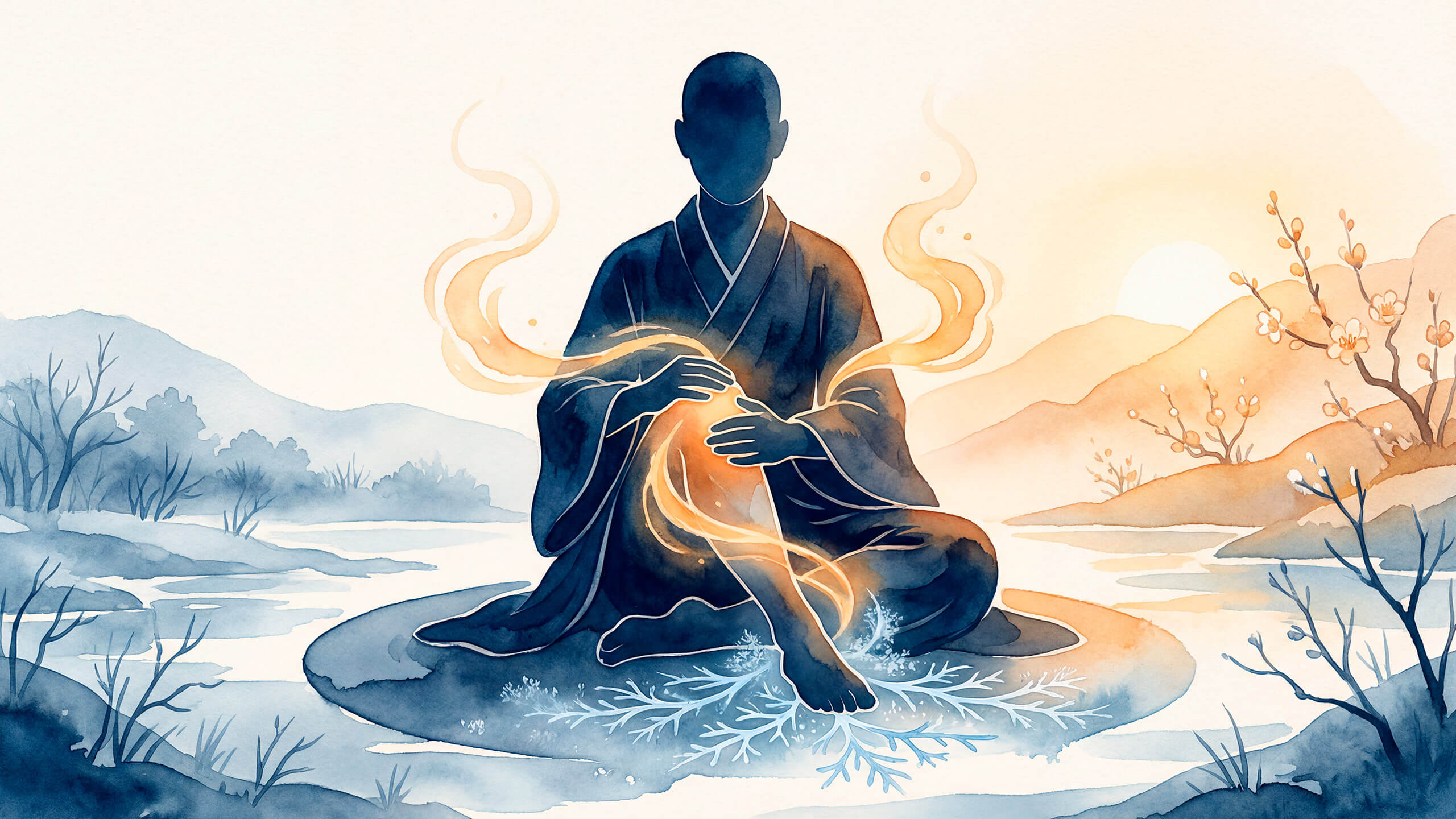
When cold penetrates the joints
The TCM perspective: When cold blocks the flow
In traditional Chinese medicine, „Bi“ refers to a blockage - a condition in which the free flow of qi and blood in the meridians and joints is disturbed. The word Bi (痹) literally means „blockage“ or „obstruction“. In cold Bi syndrome (Han Bi), it is the penetrating cold that causes this blockage.
In TCM, cold has a constricting and congealing nature. When external cold - caused by cold weather, wind, humidity or air conditioning - enters the body, it constricts the muscles, tendons and joints. Qi and blood can no longer flow freely, and pain arises where the flow stops. The classic TCM principle is: „Bu Tong Ze Tong“ - where there is no free flow, pain arises.
Cold-bi syndrome is characterized by severe, fixed pain that worsens with cold and improves significantly with warmth. The affected joints feel cold, are stiff and difficult to move - especially in the morning or in cold weather. Unlike a wind bi (wandering pain) or a damp bi (dull heaviness), the pain of a cold bi is in a fixed location and is often intensely stabbing or drilling.
The result of a cold-bi syndrome: The cold blocks the meridians in the affected joints. Qi and blood can no longer sufficiently nourish and warm the joints, tendons and muscles. Over time, the cold can penetrate deeper and also affect the bones - this is known as bone bi, a more severe form.
The typical signs of cold-bi syndrome:
- Severe, fixed joint pain at a specific location
- Pain worsens significantly in cold and wet conditions
- Significant improvement through warmth (hot water bottle, warm bath, sun)
- Stiff, difficult to move joints - especially in the morning
- Feeling of coldness in the affected joints and limbs
- Sharp or drilling quality of pain
- Often affected: Knees, back, shoulders, hands and feet
- Worsening in winter and when the weather changes
The good news: The cold can be driven out of the joints very well with the right measures. With a warming diet, moxibustion, acupressure and targeted TCM herbs, you can restore the flow of Qi and blood and get your joints moving freely and painlessly again.
The western perspective: joint pain and sensitivity to cold
From a Western perspective, cold-bi syndrome corresponds to a condition associated with various forms of arthralgia (joint pain), arthritis and rheumatic complaints. The symptoms - pain, stiffness, restricted mobility - are well known to Western medicine, even if the explanatory models differ.
Think of your joints as well-oiled hinges: Normally, they move smoothly and painlessly because they are well supplied with blood and synovial fluid. When exposed to cold, the blood vessels constrict (vasoconstriction), blood flow decreases and the synovial fluid becomes more viscous. The hinges „squeak“ and every movement becomes painful.
Die Wissenschaft bestätigt: Kälte hat messbare Auswirkungen auf den Bewegungsapparat. Niedrige Temperaturen senken die Dehnbarkeit von Kollagen und Bindegewebe, erhöhen die Viskosität der Gelenkflüssigkeit und aktivieren Kälte–Schmerzrezeptoren. Menschen mit Arthrose oder rheumatischen Erkrankungen berichten häufig über Verschlimmerung bei Kälte und Wetterumschwüngen.
What does modern medicine show?
- Vasoconstriction: cold constricts the blood vessels and reduces the supply to the joints
- Synovial fluid: becomes more viscous in the cold - the joints „lubricate“ less well
- Collagen and connective tissue: lose elasticity and stretchability in the cold
- Cold receptors: TRPA1 channels in the joints respond to cold with pain signals
- Inflammatory markers: Chronic exposure to cold can promote pro-inflammatory processes
- Muscle tension: cold increases muscle tone and can cause tension and pain
Modern research confirms: The TCM diagnosis „cold bi“ correlates with measurable changes in blood circulation, synovial fluid and pain receptors when exposed to cold. Thermotherapy (heat applications) - the basic principle of TCM treatment for cold bi - shows positive effects on joint mobility, pain reduction and blood circulation in studies.
TCM treatment of cold-bi syndrome starts right here: It warms the meridians from the inside and outside, dispels the penetrating cold, restores the free flow of Qi and blood and strengthens the Yang as the body's own heat source - profoundly, sustainably and holistically.

The Yellow Emperor team explains your diagnosis
Qi Bo | The Yellow Emperor | Dr. Lisa Weber
MASTER OF THE HEALING ARTS | TCM FOUNDER | MODERN PHYSICIAN
What happens when the legendary Yellow Emperor from TCM sits down with his advisor Qi Bo and a modern doctor? They discuss your diagnosis - with 4000 years of knowledge AND current science.
Cold-bi syndrome - when cold penetrates the joints and causes pain, stiffness and restricted movement
The Yellow Emperor: „Qi Bo, many people in my kingdom complain of pain in their joints. The pain is particularly severe in winter and in cold weather. The joints feel stiff and movement is difficult. What is the cause of this pain?“
Qi Bo: „Your Majesty, these people are suffering from Han Bi - the cold Bi syndrome. The word Bi means blockage or obstruction. In Chapter 43 of the Huang Di Nei Jing, we describe how the three pathogenic factors of wind, cold and dampness enter the body together and cause Bi. If cold predominates, we speak of Han Bi - painful Bi. Cold has a constricting nature: it contracts the muscles and tendons, freezes Qi and Blood and blocks the flow in the meridians. Where the flow stops, pain arises - that is the basic principle: Bu Tong Ze Tong.“
Dr. Weber: „That's a very precise description! In Western medicine, we now know that cold actually has measurable effects on the musculoskeletal system. Low temperatures lead to vasoconstriction - the blood vessels constrict and blood flow to the joints decreases. At the same time, the synovial fluid - the joint lubricant - becomes more viscous in the cold. The joints are less well lubricated and less well supplied. In addition, the collagen in tendons and ligaments loses its elasticity in the cold, which explains the stiffness.“
The Yellow Emperor: „You say the cold ‚solidifies‘ qi and blood. How is this different from other bi-forms?“
Qi Bo: „Your Majesty, that is an important question. There are three main forms of Bi: Firstly, Wind Bi (Xing Bi) - here the pain moves from joint to joint, it is never in one place for long. Secondly, dampness Bi (Zhuo Bi) - here the pain is dull and heavy, the joints feel swollen and numb. And thirdly, Cold Bi (Tong Bi) - here the pain is strong, fixed in one place, stabbing or piercing. The special thing about cold bi is that the pain is significantly worse with cold and significantly better with heat. A hot water bottle, a hot bath or warm hands on the joint bring immediate relief.“
Dr. Weber: „This differentiation is very useful clinically! The three bi-forms correlate well with different rheumatologic patterns. We know migratory joint pain from rheumatoid arthritis or reactive arthritis. The dull heaviness of dampness bi matches joint effusions and swelling. And the fixed, cold-sensitive pain of the cold bi is often seen in osteoarthritis, myofascial pain and degenerative joint diseases. Sensitivity to heat is a diagnostic key!“
The Yellow Emperor: „How does the cold penetrate the body? Why are some people more susceptible than others?“
Qi Bo: „Majesty, the cold penetrates through the surface of the body - through the skin, the pores and the meridians. People whose Wei Qi - the defense Qi - is weakened are particularly at risk. Wei Qi forms a protective layer on the surface of the body. If it is strong, the cold cannot penetrate. However, if it is weak - due to overwork, inadequate nutrition, chronic illness or increasing age - the cold has an easy time of it. The joints are particularly at risk because they are less supplied with blood than other parts of the body. And people with a yang deficiency - whose internal heat source is weak - not only freeze more quickly, but are also unable to expel the cold effectively.“
Dr. Weber: „This correlates perfectly with modern immunology! Wei Qi corresponds functionally to the innate immune system and the barrier function of the skin and mucous membranes. Cold has been shown to lower the local immune defense - macrophages and other immune cells work less effectively at low temperatures. People with weakened immune systems, the elderly and those with poor peripheral circulation are actually more susceptible to cold-related complaints. And joints are histologically less supplied with blood than surrounding tissue - they cool down more quickly and have less self-healing capacity.“
The Yellow Emperor: „Now let's talk about the treatment. How do we banish the cold from the joints?“
Qi Bo: „Your Majesty, the treatment principle is: Wen Jing San Han - warm the meridians and disperse the cold. This is done in several ways. Firstly, moxibustion - burning mugwort over the affected joints and acupuncture points. The heat penetrates deep into the meridians and dispels the cold directly. Moxibustion is the most important single method for cold bi! Secondly, warming herbs - above all Gui Zhi (cinnamon twig), Chuan Wu Tou (wolfsbane), Fu Zi (prepared wolfsbane) and Xi Xin (asarum). These herbs warm the meridians and release the cold blockage. Thirdly, warming food - ginger, cinnamon, lamb, fennel and star anise warm the body from the inside. Fourthly: acupressure on points such as Ma 36, Gb 34 and Bl 60 - to restore the flow of Qi and blood in the joints.“
Dr. Weber: „Thermotherapy - i.e. heat applications - is an established component of modern physiotherapy for joint complaints! Heat dilates the blood vessels, improves blood circulation, reduces the viscosity of the synovial fluid and increases the elasticity of the connective tissue. Studies show that regular applications of heat can reduce the intensity of pain in osteoarthritis by 20-40%. Moxibustion, the specific TCM heat therapy, shows significant pain reduction in knee osteoarthritis in randomized controlled trials - in some cases comparable to non-steroidal anti-inflammatory drugs! That is remarkable.“
The Yellow Emperor: „Which herbal formulas do you recommend for cold bi?“
Qi Bo: „Your Majesty, the classic recipe is Wu Tou Tang - the Aconite decoction. It contains Chuan Wu (Monkshood) as the emperor's herb, which dispels the cold with its strong warming nature. It also contains Ma Huang (Ephedra) to open the surface, Bai Shao (Peony) to nourish the tendons, Huang Qi (Astragalus) to strengthen Qi, and Gan Cao (Licorice) to harmonize the other herbs. For cold-bi with simultaneous dampness, we use Gui Zhi Shao Yao Zhi Mu Tang - the cinnamon twig peony anemarrhena decoction - which combines heat and dampness elimination.“
Dr. Weber: „Aconitum - the aconite - is pharmacologically highly interesting! It contains aconitine and related alkaloids with strong analgesic (pain-relieving) and anti-inflammatory effects. In the traditional preparation, the toxicity is significantly reduced by prolonged boiling, while the therapeutic properties are retained. Ma Huang contains ephedrine, which increases blood circulation and has a decongestant effect. And astragalus polysaccharides have been shown to strengthen the immune system. The TCM formulations therefore use pharmacologically active substances in a sophisticated combination!“
The Yellow Emperor: „What happens if the cold is not treated in time?“
Qi Bo: „Your Majesty, this is a serious warning. If Cold Bi is not treated, the cold will penetrate deeper and deeper. First the meridians and muscles are affected (superficial Bi), then the tendons and joints, and finally the bones - this is Gu Bi, the bone Bi. The deeper the cold, the more difficult the treatment. In addition, chronic cold weakens the Yang of the body - especially the Kidney Yang, the source of all heat. This creates a vicious circle: Less yang means less heat, less heat means more cold can penetrate. Early treatment is therefore crucial!“
Dr. Weber: „This corresponds to the progression of degenerative joint diseases! Untreated chronic exposure to cold and circulatory disorders of the joints lead over time to cartilage degradation, joint degeneration and finally to structural damage to the bones - precisely the progression from superficial arthralgia to manifest osteoarthritis to bone degeneration. And the vicious circle of yang deficiency reflects what we know as ‚chronification‘: Chronic pain leads to lack of exercise, lack of exercise reduces circulation, and poor circulation exacerbates pain. Early intervention is also the key from a Western perspective!“
The Yellow Emperor: „Then the message is clear: the cold must not remain in the joints. With heat - from the inside and outside - we dispel the blockage and get the Qi and blood flowing again. The joints become supple again and the pain subsides.“
Qi Bo: [smiles] „That's right, Your Majesty. Bi is like ice on a river - it blocks the flow of life. But just as the spring sun melts the ice, the warmth of TCM treatment restores the flow of qi and blood. With patience and consistent warmth, the blockage dissolves, the pain subsides and the freedom of movement returns.“
THE 3-WAY METHOD FOR COLD-BI SYNDROME
MORNING PROTOCOL (build up heat):
- TCM: Warm ginger water on an empty stomach - warms the middle warmer and activates the yang
- Science: Gingerol stimulates thermogenesis and improves peripheral blood circulation
- Practical: Pour hot water over 3-4 slices of fresh ginger, leave to infuse for 5 minutes
- TCM: Gentle movement of the joints - moves Qi and blood, relieves morning stagnation
- Science: Gentle mobilization after getting up has been proven to reduce morning stiffness
- Practical: 5-10 minutes of gentle circular movements of all joints in bed or standing up
- TCM: Warm breakfast with warming spices - strengthens the spleen qi and warms the center
- Science: Warm meals promote blood circulation and metabolism in the morning
- Practical: Warm porridge with cinnamon, walnuts and a spoonful of honey
TAGS-STRATEGY (drive out the cold):
- TCM: Acupressure on Ma 36 (Zu San Li) - strengthens Qi and Yang, warms the meridians
- Science: Studies have shown that stimulation of this point has positive effects on immune function and pain relief
- Practical: A hand's width below the kneecap, to the side of the shin. Press firmly for 3 minutes on each side
- TCM: Keep affected joints warm - cold must not penetrate again
- Science: Heat improves microcirculation and reduces sensitivity to pain
- Practical: Warm clothing, joint warmers, scarf - never go out in the cold with open joints
- TCM: Eat warming soup at lunchtime - the spleen is at its strongest between 9 and 11 a.m.
- Science: Warm soups promote hydration and provide nutrients in an easily digestible form
- Practical: Chicken soup with ginger and spring onions, or lamb soup with fennel
EVENING RITUAL (eliminate cold):
- TCM: Warm foot bath with ginger and cinnamon bark - opens the meridians and dispels cold through the feet
- Science: Foot baths at 38-42 °C improve blood circulation in the lower extremities and promote relaxation
- Practical: 15-20 min. foot bath with fresh ginger and cinnamon bark, water up to the ankles
- TCM: Acupressure on Gb 34 (Yang Ling Quan) - master point of the tendons, relieves stiffness in the joints
- Science: This point is located above the head of the fibula and influences the knee joint mechanics
- Practical: Below and in front of the head of the fibula, in the hollow. Press in a circular motion for 3 minutes per side
- TCM: Hot water bottle on the aching joints - direct application of heat dispels the cold
- Science: Local application of heat reduces the intensity of pain and improves sleep in cases of joint pain
- Practical: 20-30 min. hot water bottle on the affected joints before going to sleep
The Yellow Emperor: „Qi Bo, how long does it take to drive the cold out of your joints?“
Qi Bo: „Majesty, it depends on how deep the cold is and how long it has been there. With fresh cold bi - when the cold has only recently penetrated - the treatment can work quickly: After 2-3 weeks of consistent heat therapy, most notice significant improvement: less pain, more mobility, less stiffness in the morning. Chronic cold bi, which has been present for months or years, requires more patience: 6-8 weeks for significant improvement and 3-6 months for lasting healing. The longer the cold has been there, the more persistent the heat needs to be.“
Dr. Weber: „This corresponds to our clinical experience! Acute joint pain caused by exposure to cold often improves quickly with heat therapy. Chronic osteoarthritis or degenerative joint diseases require longer, consistent treatment. Studies on moxibustion for knee osteoarthritis show significant improvements after 4-6 weeks, with further increasing effects over 3-6 months. The TCM recommendation to continue the treatment patiently is therefore very well founded!“
The Yellow Emperor: „What is important to bear in mind with cold-bi syndrome?“
Qi Bo: „Majesty, the most important thing: firstly, no exposure to cold! Consistently protect the affected joints from the cold - warm clothing, joint warmers, never go out into the cold with wet hair. Secondly, no cold food or drinks - they cool the body from the inside and intensify the cold. Thirdly, do not overexert yourself - exhausted muscles no longer protect the joints. Fourthly, no ice packs on painful joints! What would be the right thing to do with a hot bi will drastically worsen a cold bi. And fifthly, patience - the cold has built up over time and needs persistent warmth to be dispelled.“
Dr. Weber: „The point about ice is particularly important! In Western medicine, ice is often reflexively recommended for joint pain - this is correct for acute injuries and inflammations, but counterproductive for cold-related chronic complaints. The TCM distinction between heat-bi and cold-bi is diagnostically decisive here: Does the pain get better with heat? Then never ice! Does it get better with cooling? Then it is heat bi. This differentiated approach is often lacking in routine Western treatment.“
The Yellow Emperor: „Then let's put this wisdom into practice. Warmth from within and without - that is the key to freeing the joints.“
About our „3 Wise Men“ story
Who are the Yellow Emperor and Qi Bo?
The Yellow Emperor (Huangdi) is said to have lived around 2600 BC and is considered the mythical founder of Chinese culture and medicine. Qi Bo was his most important advisor and personal physician. Their discussions about health, illness, and human nature were recorded in the most important fundamental work of TCM.
The book: Huangdi Neijing
The Huangdi Neijing, also known as The Yellow Emperor's Classic of Internal Medicine, was probably written between 200 BC and 200 AD. It is the oldest surviving work on Chinese medicine and consists of dialogues between the Yellow Emperor and his advisors, mainly Qi Bo.
This work is to TCM what the Bible is to Christianity: the absolute foundation. All the important concepts - yin and yang, the 5 elements, qi, meridians and acupuncture points - are systematically described here for the first time.
Our modern approach: The 3 wise men
In our series „The Three Sages,“ we bring together the Yellow Emperor and Qi Bo with the fictional modern doctor and microbiologist Dr. Weber.
Important note: All three characters and their conversations are purely fictitious and invented by us.
We use this narrative form, similar to the dialogue form in the book Huangdi Neijing, to convey the often complex interrelationships of TCM in an understandable and entertaining way. When the 4,000-year-old emperor is confronted with modern science, enlightening „aha moments“ arise that show that ancient wisdom and new research often speak the same language — just in different words.
This makes TCM lively, understandable and practically applicable for your everyday life.
The dialogs are creative interpretations - not historical documents. For medical questions, please consult a qualified TCM therapist or doctor.
Your treatment options
Cold-bi syndrome is very treatable! TCM offers you a variety of effective methods to drive the cold out of your joints and restore the free flow of Qi and blood. You don't have to do everything at once - choose the methods that suit you and your everyday life.
Here you will find specific treatment approaches that have been proven effective in TCM for thousands of years and that you can largely apply yourself.
TCM herbal therapy
TCM herbs are the basis every classic TCM treatment. The carefully compiled mixtures have a synergistic effect — this means that the individual herbs reinforce each other's effects and balance out any possible side effects.
What modern medicine is only just discovering—the power of plant substances—has been used successfully by TCM for over 2,500 years.

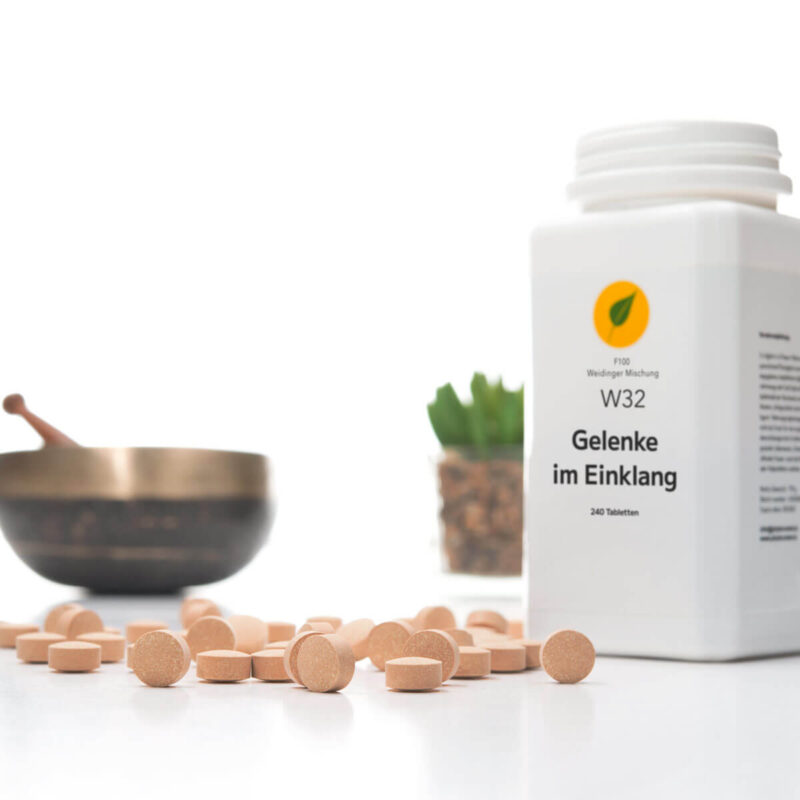
Empfohlene TCM–Kräutermischung bei Kälte–Bi Syndrom
Weidinger W32 - Joints in unison
Die Rezeptur Weidinger W32 „Gelenke im Einklang“ nach Dr. med. Georg Weidinger — acht Kräuter, die Wind, Kälte und Feuchtigkeit aus den Gelenken vertreiben, die Leitbahnen öffnen und Blut und Qi bewegen, um den schubhaften, kältegebundenen Gelenkschmerz zu lösen.
Mit Du Huo und Fang Ji als Hauptkräutern vertreibt diese Mischung Wind–Kälte–Feuchtigkeit besonders aus Rücken, Hüften und Beinen, während Wei Ling Xian und Qin Jiao die Leitbahnen öffnen und Ru Xiang und Mo Yao das Blut bewegen und den Schmerz lindern. Ideal bei Gelenk– und Rückenschmerzen, die schubhaft auftreten, sich bei Wind, Kälte und Feuchtigkeit verschlimmern und sich mit Wärme bessern.
Quantity
239,70 €
i
To the product
The herbs in this recipeRecommended reading:How TCM herbal blends are formulatedLearn more now
| Herb (Pinyin) | German designation | Function in the recipe |
|---|---|---|
| Du Huo (Radix Angelicae Pubescentis) | Angelica root | emperor Vertreibt Wind, Kälte und Feuchtigkeit besonders aus Rücken, Hüften und Beinen |
| Fang Ji (Radix Stephaniae Tetrandrae) | Stephaniae root | emperor Leitet Feuchtigkeit aus den Gelenken, lindert Schwellung und den dumpfen, schweren Schmerz |
| Qin Jiao (Radix Gentianae Macrophyllae) | Großblättrige Enzianwurzel | minister Entspannt die Sehnen, vertreibt Wind–Feuchtigkeit und lindert die Gelenkschmerzen |
| Wei Ling Xian (Radix Clematidis) | Chinese clematis root | minister Vertreibt Wind und Feuchtigkeit kraftvoll und macht die blockierten Leitbahnen frei |
| Ru Xiang (Gummi Olibanum) | Incense | assistant Belebt das Blut, bewegt das Qi und lindert gezielt den Schmerz |
| Mo Yao (Myrrha) | Myrrh | assistant Belebt das Blut, löst Stase und lindert den Schmerz — wirkt mit Ru Xiang zusammen |
| Da Zao (Fructus Jujubae) | Chinese date fruits | harmonizer Nährt Blut und Qi, stärkt die Mitte und schützt den Magen |
| Gan Cao (Radix Glycyrrhizae) | licorice root | harmonizer Harmonisiert alle Kräuter und mildert Schärfe und Schmerz |
Explanation of the most important herbs
emperor Du Huo (Engelwurz) — Der Wind–Vertreiber
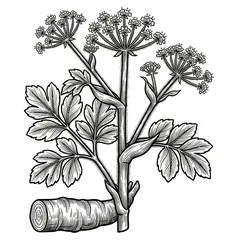
Vertreibt Wind, Kälte und Feuchtigkeit besonders aus dem unteren Rücken, den Hüften und Beinen und löst dort die schmerzhafte Blockade.
emperor Fang Ji (Stephania) — Der Feuchtigkeits–Ableiter
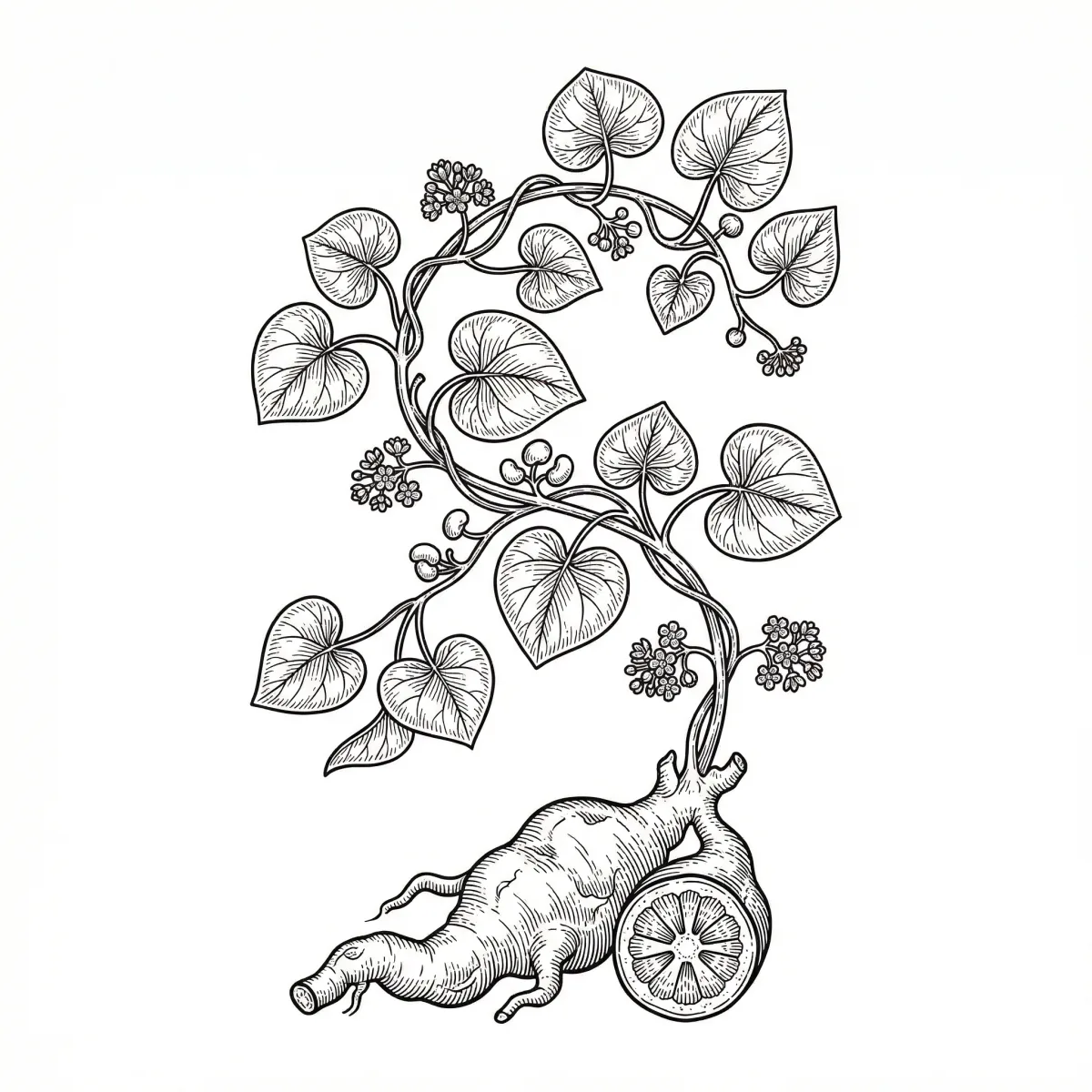
Leitet überschüssige Feuchtigkeit aus den Gelenken, lindert Schwellung und nimmt den dumpfen, schweren Schmerz.
minister Wei Ling Xian (Waldrebe) — Der Leitbahn–Öffner
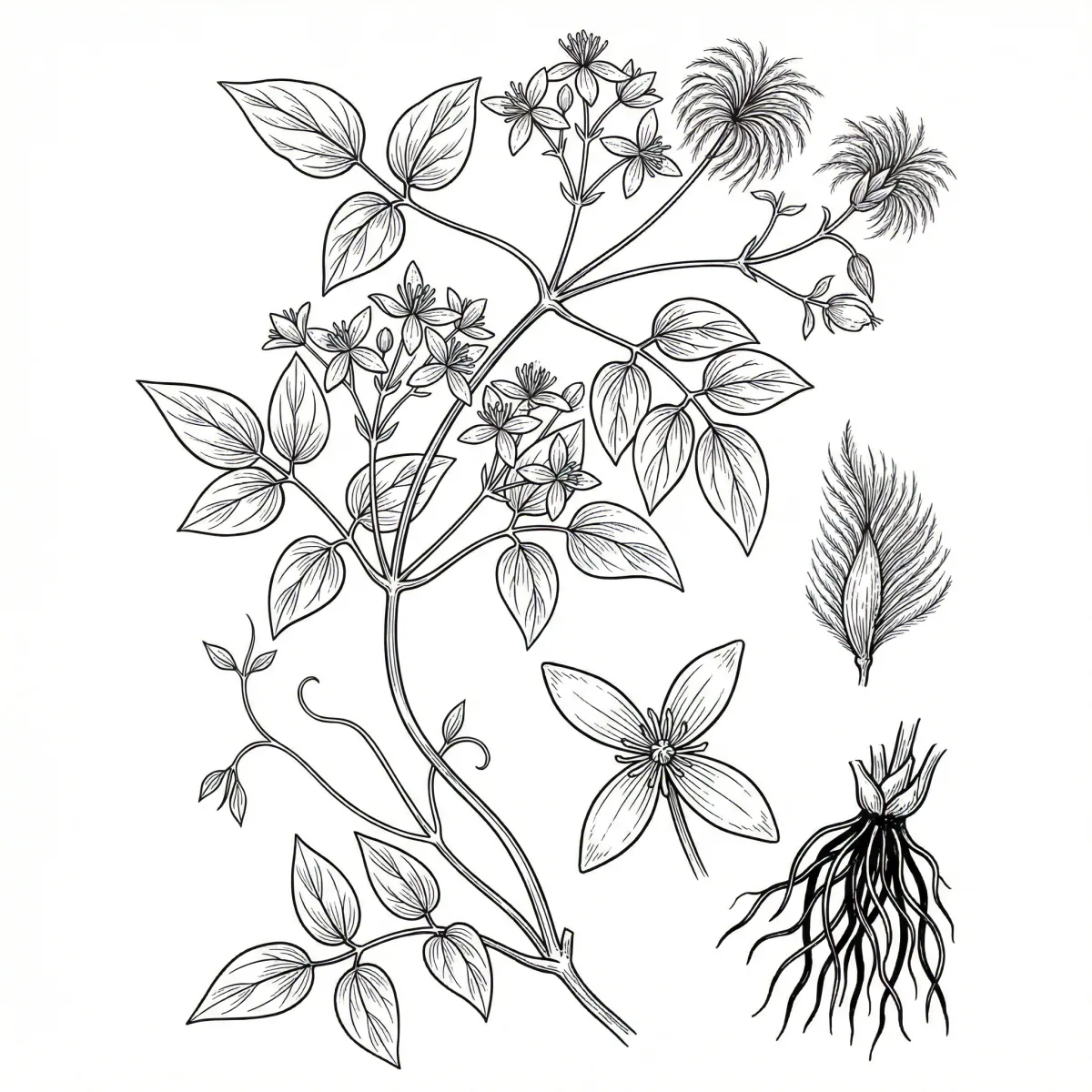
Vertreibt Wind und Feuchtigkeit kraftvoll und macht die blockierten Leitbahnen wieder frei, sodass Qi und Blut fließen können.
assistant Ru Xiang (Weihrauch) — Der Schmerz–Löser
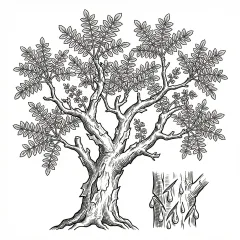
Belebt das Blut, bewegt das Qi und lindert gezielt den Schmerz in den blockierten Gelenken.
Recommended dosage
The dosage depends on the severity.
Based on your questionnaire results, we have highlighted the appropriate dosage for you below.
At light Severity:
- 2 tablets 3 times a day (morning, noon, and late afternoon) = 6 tablets per day
- Optional, if taking 3 doses a day is difficult for you: 3 tablets twice a day — same daily amount
- We recommend at least 2 cans, each containing 240 tablets (enough for about 12 weeks)
At middle Severity:
- 3 tablets 3 times a day (morning, noon, and late afternoon) = 9 tablets per day
- We recommend at least 3 cans, each containing 240 tablets (enough for about 12 weeks)
- If your condition improves, switch to the dosage recommendation for mild symptoms
At significantly Severity:
- 4 tablets 3 times a day (morning, noon, and late afternoon) = 12 tablets per day
- We recommend at least 4 cans, each containing 240 tablets (enough for about 12 weeks)
- If your condition improves, switch to the dosage recommendation for moderate severity
Why 3 times a day?
This ensures that the herbs' effects are evenly distributed throughout the day.
IMPORTANT:
- Take the tablets with at least 0.2 liters of warm water
- Ideally, 30 minutes before or after a meal
- This suggestion is not a substitute for a medical diagnosis or treatment
- If you are pregnant or breastfeeding, have a chronic medical condition, or are taking medication, consult a doctor or a TCM practitioner beforehand.
- If you have a severe cold, fever, or diarrhea, stop taking this product
- Betroffene Gelenke und den unteren Rücken konsequent warm halten; Kälte, Nässe und Zugluft meiden
- Sanfte, regelmäßige Bewegung und eine Qi Gong–Praxis beibehalten; bei akut stark geschwollenen, heißen Gelenken ärztlich abklären
If little has changed after about 12 weeks:
Herbs are just one part of TCM. Combine taking them with other practices—acupressure, qigong, Pilates, or yoga, BS+, as well as meditation and breathing exercises. Afterward, take a two-week break from taking the herbs. Then, if needed, you can TCM analysis try again and/or compare your result with your TCM practitioner or discuss it with your doctor.
If you have any questions about how to take it, please feel free to contact us.
Want to know what dosage is right for you? Take our free TCM questionnaire—in just a few minutes, it will reveal your personal TCM pattern and the appropriate dosage of the recommended TCM herbal blend.
BS+ for your intestinal flora
A healthy gut is the basis for your well-being. Current studies show that around 80 % of people in Germany consume too little fiber - yet it is the most important food for your intestinal flora (also known as the intestinal microbiome).
BS+ was developed to support your daily fiber supply. With 11 high-quality, natural ingredients BS+ offers your intestinal flora a diverse nutrient base.
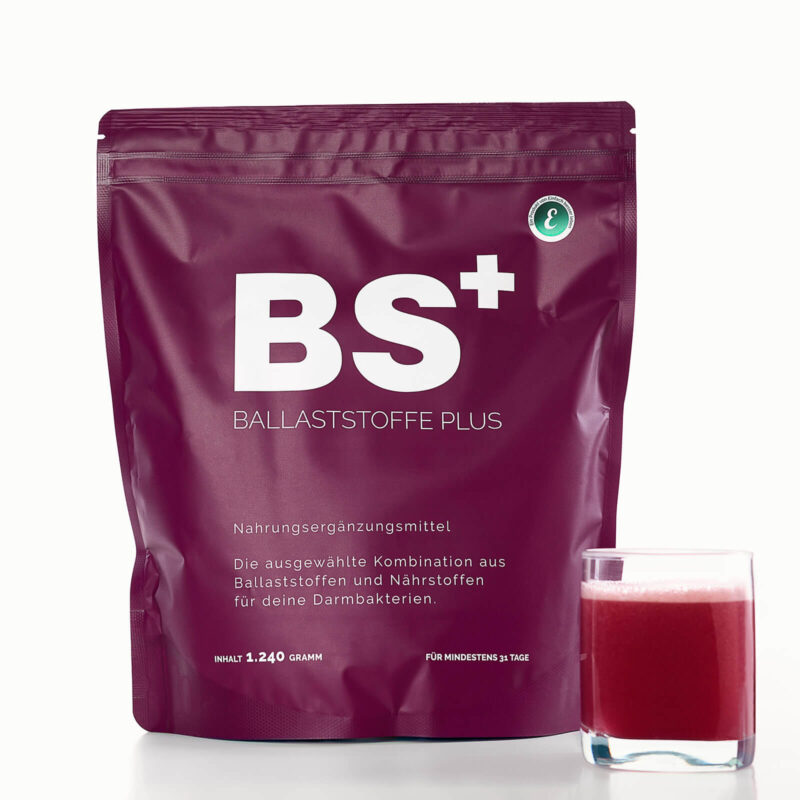
The revolutionary fiber formula
BS+ Dietary Fiber Plus
- Up to 20 g dietary fiber daily EXTRA
- Improved digestion and regular bowel movements
- Increased energy and vitality
- Better mood and mental clarity
- Support for your immune system
- Potential improvement in cholesterol and blood sugar levels
Simply stir into water twice a day - Your intestinal flora will thank you.
Why BS+ for cold-bi syndrome?
In cold-bi syndrome, external cold penetrates deep into the joints and meridians - but the susceptibility often starts in the center. If the spleen is weakened and digestion is not working properly, the body cannot produce enough warming qi and nourishing blood. The defensive power (Wei-Qi) decreases and cold finds easier access. A healthy gut is therefore an important building block for strengthening the center and warming the body from the inside out.
BS+ contains 11 prebiotic fibers and thus supports the development of healthy intestinal flora. A well-nourished intestinal flora strengthens the spleen function and promotes the formation of Qi and blood - so that your body can expel the cold from the joints and better protect itself against renewed invasion.
Particularly important for cold-bi syndrome:
- Strengthens the spleen as a source of warming Qi and nourishing blood
- Supports the Wei-Qi and the defense against external cold
- Promotes the absorption of nutrients for supple joints and tendons
Acupressure
Acupressure is acupuncture without needles. - you can apply them yourself at any time. By applying gentle pressure to certain points, you activate the flow of Qi in the meridians and help to dispel the cold from the joints.
These three points form an effective combination for warming the meridians and relieving cold-induced joint pain. Regular stimulation combined with heat - For example, warming the points after pressing or applying moxibustion - is particularly effective.
ACUPUNCTURE POINT: Ma 36
Stomach 36
Three miles of the leg - To San Li
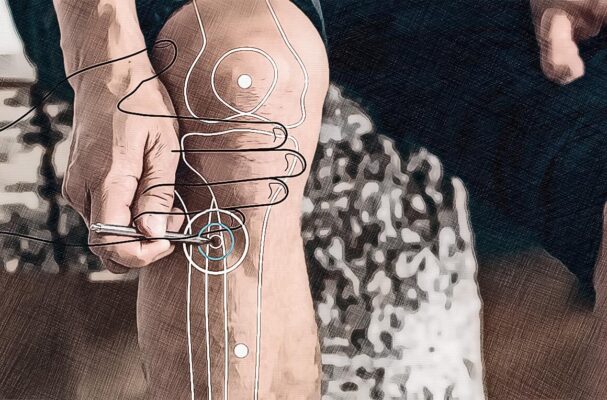
- Strengthens Qi and Yang and warms the meridians
- Promotes blood circulation and dispels cold
- Strengthens the spleen and stomach as a source of Qi and blood
- Gives energy and stamina
- Particularly effective with moxibustion for cold bi
Location: A hand's width below the kneecap, a thumb's width to the side of the edge of the shinbone to the outside.
Application:
Press firmly twice a day for 2-3 minutes per side or massage with small circles. Then warm the area with warm hands or a heating pad.
ACCESSION POINT: Gb 34
Gallbladder 34
Spring on Yang Hill - Yang Ling Quan
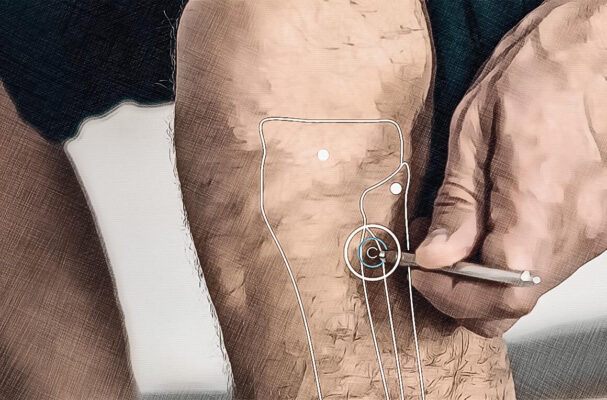
- Master point of the tendons and ligaments
- Relieves stiffness and promotes mobility
- Makes the joints supple
- Promotes the free flow of Qi in the meridians
- Particularly effective for knee joint and tendon problems
Location: Below and in front of the head of the fibula, in the depression.
Application:
Massage in a circular motion twice a day for 2-3 minutes per side with medium pressure. Particularly effective in combination with Ma 36.
ACUPUNCTION POINT: Bl 60
Bubble 60
Kunlun Mountains - Kun Lun
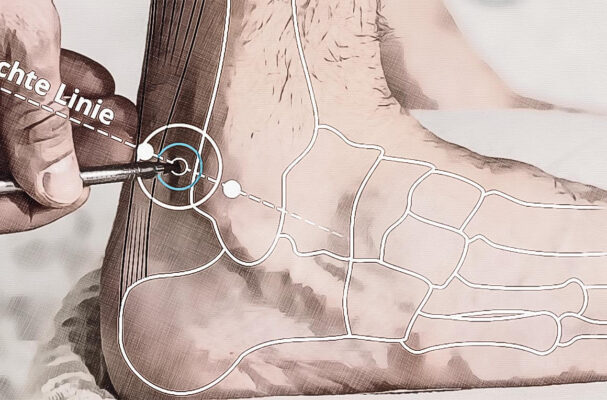
- Expels wind and cold from the bladder meridian
- Releases blockages and promotes the flow of Qi
- Relieves back and joint pain
- Softens the neck and back
- Particularly effective for cold-related pain in the lower back
Location: In the hollow between the outer ankle and the Achilles tendon.
Application:
Press twice daily for 2-3 minutes per side with medium pressure or massage in a circular motion. Do NOT use during pregnancy!
TIP
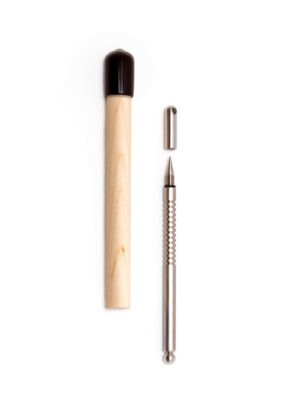
AkuPen
Acupuncture pen with video instructions
For even more intense stimulation You can use an AkuPen. The acupressure pen significantly enhances the effect of acupressure. With an extensive video library for over 80 acupuncture points.
Qi Gong
Qi Gong for cold bi warms the body from the inside, promotes the flow of Qi and blood and releases blockages in the joints. The gentle movements mobilize stiff joints without overloading them.
Regular practice of Qi Gong (as little as 10-15 minutes a day) has been shown to have positive effects on blood circulation, joint mobility and general well-being.
QI GONG: Exercise 1
Warm the center
Warms the middle warmer, strengthens the yang

Particularly helpful for:
- Feeling of coldness in the joints
- Stiff joints
- Digestive weakness
- Yang deficiency
Effect:
The circular movements activate the inner fire and warm the body from the inside. As an earth element exercise, it specifically strengthens the center and the yang - the basis for expelling cold from the meridians and joints.
QI GONG: Exercise 2
Look backwards
Relieves blockages in the neck, shoulders and back

Particularly helpful for:
- Neck stiffness
- Shoulder pain
- Back blockages
- Restricted mobility
Effect:
The gentle twisting movement mobilizes the spine and promotes the flow of Qi in the meridians. With cold bi, this exercise specifically releases blockages in the upper back and neck - areas that are particularly frequently affected by cold penetration.
QI GONG: Exercise 3
Connecting heaven and earth
Stretches the lateral meridians, promotes the flow of Qi

Particularly helpful for:
- Lateral joint stiffness
- Hip pain
- Restricted mobility
- Tension
Effect:
The stretching movement opens the gallbladder and bladder meridians - the very meridians that are often blocked by cold bi. The alternating upward and downward stretching stimulates the flow of Qi in the lateral meridians and releases cold blockages.
These Qi Gong exercises are specially selected for cold-bi syndrome. They warm the body from the inside, mobilize stiff joints and promote the free flow of Qi and blood in the meridians.
All exercises work particularly well if you practise them in the morning after getting up - this helps to combat the typical morning stiffness associated with cold bi. Late afternoon is also a good time to build up warmth and flexibility.
QI GONG:
When and how often?
In the morning after getting up (ideal):
- All 3 exercises as a sequence: approx. 15–20 min.
- Or just 1–2 exercises: approx. 5–10 min.
- Helps specifically against morning stiffness
In between:
- Individual exercises if required (e.g. for stiff joints)
- „Warm the center“ for quick inner warmth
Regularity is more important than duration:
- It is better to exercise for 10 minutes every day than for 60 minutes once a week.
- After 2–3 weeks, you will notice the first changes.
- After 2-3 months of regular practice: significantly more mobility and warmth
Pro tip: Qi gong can be a little more dynamic for cold-bi than for deficiency syndromes - movement generates heat! However, make sure that you do not practise in a cold environment and keep your joints warm during the exercises.
LIVE EVERY MONDAY: QI GONG WITH WOLFGANG
Every Monday at 6:00 p.m. Let's practice together live on YouTube. Among other things, Wolfgang will guide you through a complete qigong sequence — free of charge and suitable for all levels.
Why participate live? ✓ Practicing together is motivating ✓ Wolfgang explains the exercises in detail ✓ You can ask questions in the live chat ✓ Regular appointments help with your routine
More about Qi Gong LiveMeridian Yoga — The Yoga of TCM
Meridian Yoga combines yoga with traditional Chinese medicine. The result is a holistic exercise concept for better health and more energy.
The following exercises specifically activate the gallbladder meridian, which runs along the outside of the body and is closely connected to joints, tendons and ligaments. With cold bi, activating this meridian helps to release blockages in the joints and restore mobility.
MERIDIAN YOGA: Exercise 1
Angle for the gallbladder meridian
Opens the side of the body, releases cold blockages in the joints

Particularly helpful for:
- Hip and knee pain
- Lateral leg pain
- Restricted mobility
- Stiffness in the joints
Effect:
The angle opens the gallbladder meridian, which runs along the outside of the leg. In the case of cold bi, this stretch helps to release the cold blockage in the lateral meridian. The entire side of the body is gently stretched, allowing Qi and blood to flow freely again and warming the joints.
MERIDIAN YOGA: Exercise 2
Dove for the gallbladder meridian
Deep hip stretching, promotes blood circulation in the joints
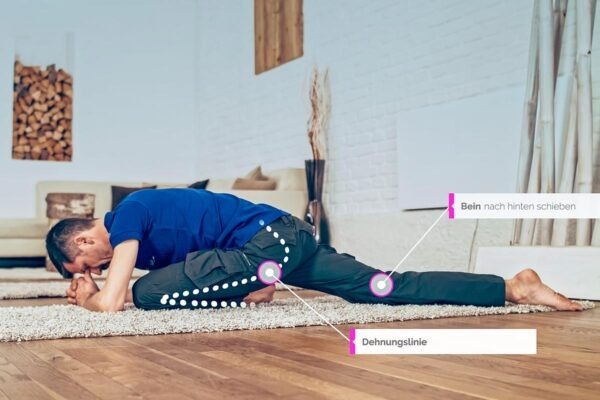
Particularly helpful for:
- Hip stiffness
- Sciatica pain
- Buttock and thigh pain
- Restricted hip rotation
Effect:
The pigeon is a deep hip stretch that activates the gallbladder meridian and promotes circulation in the hip joint. With cold bi, the hip joint is often affected - this exercise brings warmth and movement to the region and helps to release the cold blockage and improve joint mobility.
Both exercises activate the gallbladder meridian, which runs along the outside of the body and is closely connected to joints, tendons and ligaments. Through targeted stretching, you help to release the cold blockages in the joints and promote blood circulation - allowing warmth to flow back into the affected areas.
Particularly effective: Hold each position for 3-5 breaths, visualizing warming, golden energy flowing into your joints and dispelling the cold. Breathe deeply and slowly - each breath brings warmth into your body.
MERIDIAN YOGA:
When and how often?
Best time:
- In the afternoon or after a warm bath/shower when the muscles are warmed up
- For cold bi: warming up before the exercises is particularly important!
- Never exercise in a cold environment
Duration:
- Hold each position for 3–5 breaths.
- Complete sequence: 10–15 minutes
- 3–5 times per week for best results
Important:
- Exercise in a warm environment - cold makes the discomfort worse
- Breathe deeply and slowly during the positions
- Stretching should be comfortable, never painful.
Pro tip: Combine Meridian Yoga with warming Qi Gong exercises such as „Warming the center“ or „Looking backwards“. With cold bi, it is particularly important to warm up the body before the exercises - a warm bath or shower beforehand works wonders for flexibility.
Nutrition according to TCM
„Let food be your medicine.“ - This principle has been valid in TCM for thousands of years. With cold-bi syndrome, the right diet is key to banishing the cold from your body.
The diet for cold bi belongs to the elements Water (kidney) and fire (heart) and needs warm to hot, spicy and nourishing food, to warm the body from the inside, strengthen the yang and dispel the cold.
What you eat, HOW you eat and WHEN you eat - all of this affects your joints, your heat and your Qi flow.
The golden rules against cold in the joints
What is good for you:
Warming spices
- Ginger (fresh and dried) - the No. 1 chiller
- Cinnamon - warms deeply and strengthens the yang
- Star anise, cloves, fennel
- Cumin and black pepper
Warming spices are your strongest allies against the cold!
Warming meat
- Lamb - the warmest meat in TCM!
- Beef - warms and strengthens Qi and blood
- Wild - expels cold from the meridians
- Chicken - strengthens the Qi and warms the center
Animal protein warms the body from the inside
Warming drinks
- Ginger tea - 2-3 cups daily
- Cinnamon tea - warms the kidney yang
- Hot water - never drink it cold!
- Bone broth - nourishes and warms at the same time
Every sip should be warm - cold has no place in your body!
Nuts and seeds
- Walnuts - warm the kidney yang
- Chestnuts - strengthen kidneys and bones
- Pine nuts - nourish and warm
- Sesame (black) - strengthens kidneys and joints
Nuts are little heat reservoirs for your yang!
What you should avoid:
Raw vegetables and salads
- Salads as a main meal
- Raw vegetables in large quantities
- Smoothies with raw fruit
- Raw food diets of any kind
Raw food cools the body and intensifies the cold in the joints!
Cold drinks and food
- Ice-cold water and iced drinks
- Ice cream and frozen desserts
- Drinks straight from the refrigerator
- Cold milk
Every cold drink makes your cold-bi syndrome worse!
Cooling fruits
- Bananas - strongly cooling
- Oranges and kiwi - cooling thermals
- Watermelon and honeydew melon
- Citrus fruits in large quantities
South fruits bring extra cold to your body!
Cooling food
- Yogurt and cold dairy products
- Tofu in large quantities (cooling)
- Wheat and bread in excess
- Sugar and sweets
These foods cool the middle and promote humidity and cold!
HOW YOU SHOULD EAT:
Warm, cooked and seasoned
- Every meal hot and cooked
- Season generously with ginger and cinnamon
- Prefer soups and stews
- Also breakfast warm (porridge!)
Regularly and at rest
- 3 fixed meals a day
- Biggest meal at lunchtime
- Light and early in the evening (before 7 pm)
- Eat in peace, chew well
The spleen loves regularity and warmth!
Drink properly
- Always drink warm or hot
- Ginger tea - several cups a day
- Bone broth as a snack
- Never drink cold and never with meals
Warm drinks banish the cold from the inside!
IDEAL MENU FOR ONE DAY:
Breakfast (7–9 a.m.):
- Warm porridge with cinnamon, walnuts and honey
- In addition: Ginger tea or warm water
Lunch (12–1 p.m.):
- Lamb soup with ginger and fennel
- In addition: Whole grain rice or potatoes
- Or: Beef with warming vegetables
Dinner (6–7 p.m.):
- Chicken soup with spring onions
- Or: Vegetable soup with ginger and garlic
- In addition: Small portion of rice
Snack if needed:
- Handful of walnuts or chestnuts
- Or: cup of warm bone broth
- Or: Ginger tea with honey
The most important rule when changing your diet is:
Start with ONE step!
Don't change everything at once.
Our suggestion for getting started:
- Drink ginger tea daily (2-3 cups) - 2 weeks
- Introduce hot breakfast (porridge with cinnamon) - 2 weeks
- Cut out raw food and cold drinks completely - 2 weeks
Step by step, you will notice how the warmth returns to your body and the pain in your joints subsides.
Your joints will thank you for it!
RECIPE: WARMING LAMB SOUP WITH GINGER AND FENNEL
Ingredients:
For 4 portions
- 500 g lamb (shoulder or leg)
- 1 piece of fresh ginger (approx. 5 cm), sliced
- 1 teaspoon fennel seeds
- 3 potatoes, diced
- 2 carrots, sliced
- 3 cloves of garlic, chopped
- 1.5 l water or bone broth
- Salt, pepper, 1 pinch of cinnamon
- Optional: 1 star anise, 2 cloves
Preparation:
- Wash the lamb and cut into bite-sized pieces
- Place the meat in a pan with water, heat slowly
- Skim off the foam, add the ginger and garlic
- Add the fennel seeds, star anise and cloves
- Simmer over a low heat for 1-1.5 hours
- Add the potatoes and carrots, cook for a further 30 minutes
- Season to taste with salt, pepper and a pinch of cinnamon
Effect:
Warms deeply from the inside and banishes cold from the joints
Strengthens the Yang and nourishes Qi and blood
Fennel and ginger release blockages in the meridians
2x per week - the powerful chiller!
RECIPE: GINGER-CINNAMON-WALNUT-PORRIDGE
Ingredients:
For 1 portion
- 50 g oat flakes
- 1 piece of fresh ginger (approx. 2 cm), finely grated
- 1 teaspoon cinnamon
- 1 handful of walnuts, roughly chopped
- 1 tbsp honey
- 3 dates, pitted and finely chopped
- 250 ml water or plant milk
- Optional: 1 pinch of cardamom
Preparation:
- Heat the water or plant milk in a pan
- Stir in the rolled oats and cook over a medium heat
- Add grated ginger and cinnamon
- Stir in the dates and simmer for 5-7 minutes
- Pour into a bowl
- Top with walnuts and honey
- Enjoy warm - never let it get cold!
Effect:
A warming breakfast that strengthens your core
Ginger and cinnamon banish the cold from the inside
Walnuts warm the kidney yang and strengthen the bones
Ideal every day - the perfect start to the day!
Breathing
Breathing is the bridge between body and mind. In TCM, we say: „The lungs govern qi“ — through conscious breathing, you can directly influence your energy flow, harmonize all organ systems, and activate your self-healing powers.
Studies show: Proper breathing activates the parasympathetic nervous system (rest & regeneration), massages the internal organs from within, improves oxygen supply, and reduces stress hormones. The good news: Just 5–10 minutes a day can have a measurable effect on your overall well-being.
Recommended breathing techniques
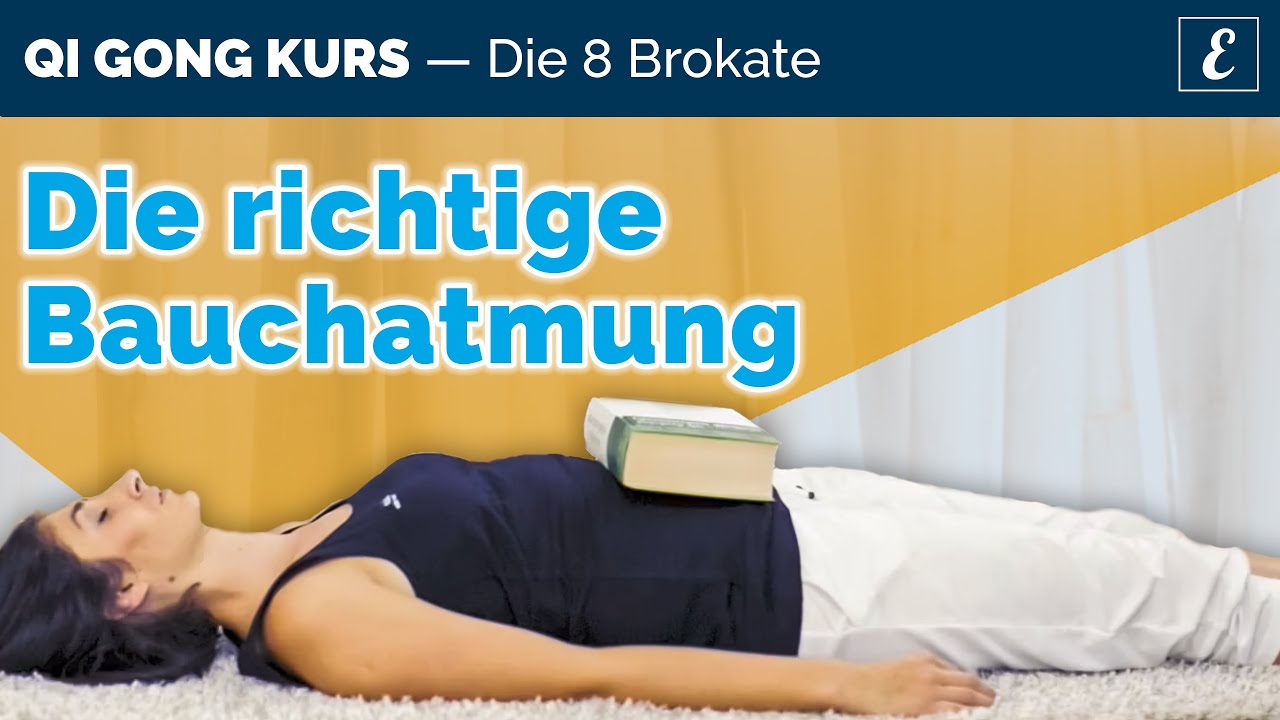
ABDOMINAL BREATHING — The basis for every breathing technique
Natural breathing
Abdominal breathing is the most natural and effective form of breathing. With every breath, you massage your internal organs, activate the flow of energy, and bring qi to the center of your body (dantian).
Wolfgang shows you step by step, How to learn abdominal breathing correctly—lying down to start with, then later also sitting and standing.
Duration: 9 minutes
4–7–8 BREATHING — Calms you down immediately
Breathing to fall asleep and combat inner restlessness
4–7–8 breathing (inhale for 4 seconds, hold for 7 seconds, exhale for 8 seconds) is known as a „natural sedative.“ This special rhythm calms your nervous system in just a few minutes—perfect for stress, racing thoughts, or trouble falling asleep.
Perfect for the evening or whenever you want to calm down quickly.
Duration: 9 minutes
To the interactive videoBOX BREATHING — For inner coherence
Professional breathing for focus and calmness
Box Breathing (4 seconds on, 4 seconds hold, 4 seconds off, 4 seconds hold) combines activation and relaxation in perfect balance. This method is used by elite soldiers, athletes, and executives to remain calm and focused even in extremely stressful situations.
Train your CO₂ tolerance and brings the heart, breathing, and nervous system
into a harmonious state.
Duration: 9 minutes
To the interactive videoCOHERENT BREATHING — Harmonizes body & mind
Breathing against burnout
With coherent breathing You breathe in for 5.5 seconds and out for 5.5 seconds. This rhythm brings your heart and breathing into perfect synchrony—a state that science refers to as „coherence.“ This method is also used in clinics for burnout treatment and stress reduction.
Proven to improve Heart rate variability (HRV) — the most important marker for stress resistance, health, and life expectancy.
Duration: 14 minutes
To the interactive video
COHERENT BREATHING Around the clock
Our 24/7 livestream on coherent breathing runs non-stop. You can tune in at any time and join in right away.
Perfect for:
✓ Spontaneous breaks to catch your breath in between
✓ If you need help breathing
✓ As background while working
✓ For falling asleep (calms the nervous system)
✓ For regular daily practice
relaxation
When your body is relaxed, all organ systems can function optimally. Chronic tension blocks your body's self-healing powers and keeps you in a state of constant stress. Through targeted relaxation techniques, you activate the parasympathetic nervous system and send your body the signal: „Now I can regenerate, heal, and build strength.“
Progressive muscle relaxation is one of the most researched relaxation methods and has been used successfully for over 100 years. It helps you to recognize tension, actively release it, and achieve a state of deep relaxation—whenever you want.
Recommended relaxation technique
PROGRESSIVE MUSCLE RELAXATION (PMR)
The scientifically proven relaxation method
Progressive muscle relaxation according to Jacobson is one of the most widely researched relaxation techniques worldwide. By deliberately tensing and relaxing individual muscle groups, you learn to consciously perceive tension and actively release it.
Proven effect:
Lowers blood pressure, improves sleep, reduces chronic pain, relieves tension, and activates self-healing powers. Successfully used by psychologists to treat anxiety disorders, depression, and chronic pain.
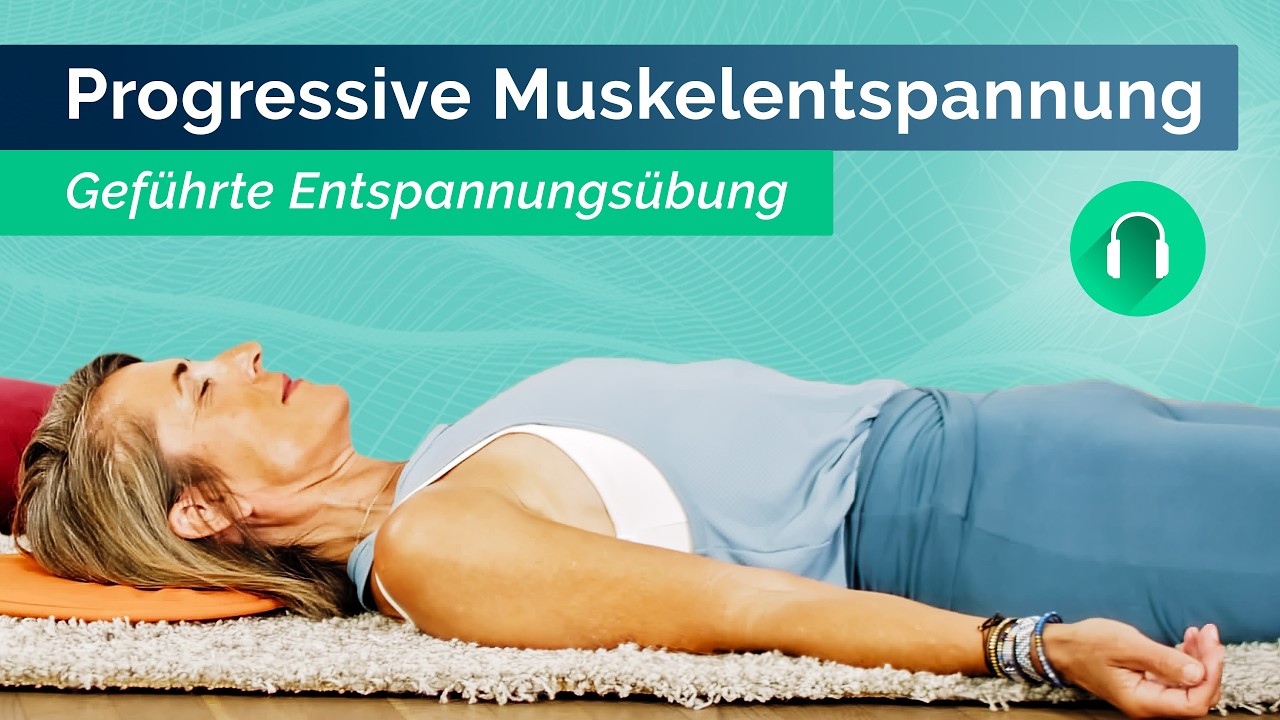
Maria guides you step by step through the entire exercise—perfect for beginners and advanced practitioners alike.
Duration: 23-minute complete guide
To the guided PMRMeditation
Meditation calms the mind — and a calm mind harmonizes the body. In TCM, we know that every emotion affects a specific organ. Through regular meditation, you learn to break out of destructive thought patterns, find emotional balance, and strengthen your inner core.
Modern studies confirm: Meditation has been proven to change brain structure, reduce stress hormones, strengthen the immune system, and improve self-healing powers. Just 10 minutes a day can change your life forever.
Recommended meditations
GUIDED MEDITATIONS FOR EVERY DAY
Your personal meditation library
We have a complete Playlist with over 60 guided meditations, breathing exercises, and relaxation techniques—from short 5-minute meditations for in between to deep 30-minute sessions for intensive practice.
In the playlist you will find:
- Morning meditations for a mindful start to the day
- Meditations for restful sleep
- Breathing meditations for inner peace
- Meditations against stress, brooding, and worries
- TCM standing meditations for all 5 elements
- Body scan and body journeys
- Healing meditations to activate self-healing powers
- Special breathing techniques (4–7–8, coherent breathing, bee breathing)

Perfect for beginners and advanced practitioners. Choose the right meditation for you depending on your time, the time of day, and your needs.
To the meditation playlistThe joints freeze, the tendons shorten and the pain drills deep into them. Only when the warmth returns does the blockage dissolve and movement becomes free again.
- Loosely based on the HUANG DI NEI JING
(The Yellow Emperor's Classic of Internal Medicine)
More tips for your everyday life
In addition to traditional TCM treatment methods there are many everyday habits that can help you to banish the cold from your joints and prevent new cold accumulation. The following applies to cold bi syndrome: warmth is your most important ally - in any form.
Heat and cold protection
Warm clothing
Protect your joints from the cold:
- Always keep joints warm - especially knees, shoulders and wrists
- Wear joint warmers, even in milder temperatures
- Scarf and hat in winter - the neck is an entry point for the cold
- Never go outside with wet hair
- Dress in layers to avoid heat loss
Moxibustion
The most important single method for cold bi:
- Burn mugwort (moxa) over the affected joints - the heat penetrates deeply
- Moxa plaster as a simple alternative for everyday life
- Apply 2-3 times a week to Ma 36 and the affected joints
- The heat should be pleasantly penetrating - never burn
- Particularly effective in combination with acupressure
Heat applications
Regular warmth releases the cold blockage:
- Hot water bottle on painful joints - several times a day
- Warm baths with ginger or cinnamon bark (20-30 min.)
- Point the red light lamp at the affected joints
- Sauna (moderate) - supports the distribution of heat in the body
- Warm compresses with ginger water on stiff joints
Movement and mobilization
Regular gentle exercise
Movement generates warmth and releases blockages:
- Qi Gong and Tai Chi - gentle, warming and easy on the joints
- Swimming in warm water - relieves the joints
- Walks - movement generates warmth and promotes the flow of Qi
- Gentle yoga - improves joint mobility
- Regularity is more important than intensity
Morning ritual
Against morning stiffness:
- 5-10 minutes of gentle joint mobilization directly after getting up
- Circle and loosen each joint individually
- Rub your hands warm before the exercises and place them on your joints
- Start with slow movements and gently increase the intensity
- In case of severe stiffness: take a warm shower beforehand
What you should avoid
Cold and overexertion aggravate bi-syndrome:
- Intensive outdoor sports in cold weather
- Swimming in cold water - the cold penetrates deep into the joints
- Static sitting in the cold - especially on cold stones
- Air-conditioned sports halls with cold draughts
- Do not allow joints to cool down after sport
Lifestyle
Keep your home warm
Your home should be a warm shelter:
- Room temperature not below 20 °C
- The bedroom in particular should not be too cold - at least 18 °C
- Avoid draughts at windows and doors
- Put a hot water bottle in bed in winter - before you lie down
Keep your feet warm
Cold feet draw cold into the whole body:
- Warm socks and shoes - even indoors
- Never walk barefoot on a cold floor
- A warm foot bath with ginger in the evening (15-20 minutes)
- Use warming insoles in winter
Avoid air conditioning
Artificial cold is poison for your joints:
- Avoid direct cold air streams on joints
- In the office: cover your joints with a cloth or sweater
- In the car: do not point the air conditioning directly at your body
- In summer: a thin cloth over your shoulders is better than strong air conditioning
Important to know
Chronic cold bi can worsen if it is not treated. Over time, the cold penetrates deeper and deeper into the joints and meridians - until it finally reaches the bones and kidneys. The sooner you act, the easier it will be to get rid of the cold. Patience and consistency are crucial: warm your joints daily, protect yourself from the cold and wind and strengthen your Yang Qi through exercise and diet.
When to see a doctor? If there is severe swelling, redness and heat in the joints (this could indicate a heat bi), if joint deformity begins, if there is numbness in the limbs or if the pain does not subside despite consistent treatment. Have a medical examination to rule out serious illnesses such as rheumatoid arthritis. TCM and Western medicine complement each other perfectly here.
For optimal treatment progress
TCM is not a quick fix for symptoms., but rather a holistic healing process. You will achieve the best results if you consistently integrate the treatment into your daily routine and give your body time to regenerate.
Integration into everyday life
Start with ONE step
Don't try to change everything at once! That's overwhelming and leads to
usually leads to you giving up. Instead:
- Week 1-2: Consistently implement a warming diet (ginger, cinnamon, warm soups)
- Week 3-4: Acupressure Ma 36 and Gb 34 daily, moxibustion if possible
- Week 5-6: Qi Gong „Warming the center“ daily 10 min.
- Week 7-8: Supplement TCM herbal mixture
- From week 9: Add further methods as required
Realistic expectations
After 2–3 weeks: First improvements noticeable
- Less morning stiffness
- Pain intensity begins to subside
- Better heat sensation in the joints
After 6–8 weeks: Significant improvements
- Significant pain reduction
- Improved mobility
- Less weather sensitivity
After 3–6 months: Sustainable healing
- Joints significantly more supple and pain-free
- Body feels warmer and more vital
- Sustainable improvement in quality of life
TCM vs. Western medicine
TCM and Western medicine are not mutually exclusive—they complement each other!
When Western medicine is important:
- In case of severe joint swelling and redness (suspected inflammation)
- For joint deformity
- If an autoimmune disease is suspected (e.g. rheumatoid arthritis)
- For precise diagnoses (X-ray, MRI, blood count)
Where TCM has its strengths:
- For chronic joint pain with sensitivity to cold
- To support degenerative joint diseases
- For lasting pain relief without medication
- For sensitivity to the weather and morning stiffness
Ideal: Combine both systems! Use Western medicine for
precise diagnosis and acute treatment, TCM for sustainable
Heat therapy and strengthening of self-healing powers.
Important: Never stop taking prescribed painkillers or medication without authorization!
Talk to your doctor when you start TCM treatment.
TCM diagnosis for professionals
Syndrome differentiation according to TCM:
Tongue: Pale, swollen with a white, moist coating, possibly bluish-purple discoloration
Pulse: Deep (Chen Mai), slow (Chi Mai), tense (Jin Mai), possibly slippery (Hua Mai)
Pathomechanism:
External Cold (Han Xie) penetrates the meridians and joints and blocks the free flow of Qi and Blood. Cold has a constricting and congealing nature - it causes Qi and Blood to stagnate, resulting in severe, fixed pain. If prolonged, cold can weaken Kidney Yang and the bi-blockage becomes chronic. Often combined with Wind (Feng) and Dampness (Shi), with Cold being the dominant pathogenic factor.
Treatment principle:
Wen Jing San Han, Qu Feng Tong Bi (温经散寒, 祛风通痹) - Warm the meridians, dispel cold, drive away wind and release the Bi blockage. For yang deficiency additionally: Wen Bu Yang Qi - warm and strengthen the yang.
Classic recipe:
Wu Tou Tang (Aconite decoction) for severe cold-bi
Gui Zhi Shao Yao Zhi Mu Tang (Cinnamon Twig Peony Anemarrhena Decoction) for Cold Bi with Moisture
Important modifications depending on accompanying symptoms:
- In severe cold with Yang deficiency: + Fu Zi (Aconiti Radix Lateralis Praeparata), Rou Gui (Cinnamomi Cortex)
- In case of humidity: + Yi Yi Ren (Coicis Semen), Cang Zhu (Atractylodis Rhizoma)
- For blood stasis: + Tao Ren (Persicae Semen), Hong Hua (Carthami Flos)
- For Wind-Cold-Bi: + Qiang Huo (Notopterygii Rhizoma et Radix), Du Huo (Angelicae Pubescentis Radix)
- For knee and back pain: + Du Zhong (Eucommiae Cortex), Niu Xi (Achyranthis Bidentatae Radix)
Every step counts
Your body WANTS to heal—you just have to create the right conditions for it to do so.
Remember:
👣 Every little step counts
You don't have to be perfect. Even one warm meal a day is better than none. Even 5 minutes of qigong is better than no exercise at all.
⏳ Patience pays off
It took years for your body to get into this state. Give it time to regenerate. Healing takes time, but it WILL happen.
🎯 Focus on what you can DO
Don't concentrate on what you are doing „wrong". Focus on every positive step you take.
💚 Be good to yourself
Perfection does not exist. It is acceptable to have an off day occasionally. Tomorrow is a new day when you can continue.
🤝 You are not alone
Thousands of people are walking this path with you. For over 2,000 years, TCM has been helping people like you who want to regain their health.
Measure your healing progress

To track your progress with treatment, we recommend that you repeat the TCM analysis after about 3 months.
Why is this important?
- You can see how your condition has improved.
- You can adjust the treatment as needed.
- It motivates you to keep going
- You recognize which measures work best
⚠️ Important: Your answers today will be stored in encrypted form in a code that you received by email. You can only measure your progress later with this code. Keep the email safe!
Activate reminder:
<>In 12 weeks, you'll receive an email with a link to the TCM analysis. When you fill it out, you can enter your personal health code—then you'll see a comparison overview at the end:
→ Your new values
→ Your scores from today's test
→ Direct changes
This allows you to see at a glance whether your symptoms
have improved!
🔒 YOUR DATA IS SAFE
We store:
✓ Only your email address for reminders
✓ The date for shipping
We do NOT store:
✗ Your analysis results
✗ Your personal health data
✗ The connection between email and diagnosis
All analysis data is completely anonymous and is not linked to your email address.

Newsletter
Stay up to date with our newsletter. Besides useful tips and tricks for training and your everyday life, you won't miss any of our new releases.
We are here for you
Do you have questions about your diagnosis or treatment?
Not sure which method is right for you?
Contact us — We're happy to help!