









Sugar, stress & convenience food
Why our gut rebels
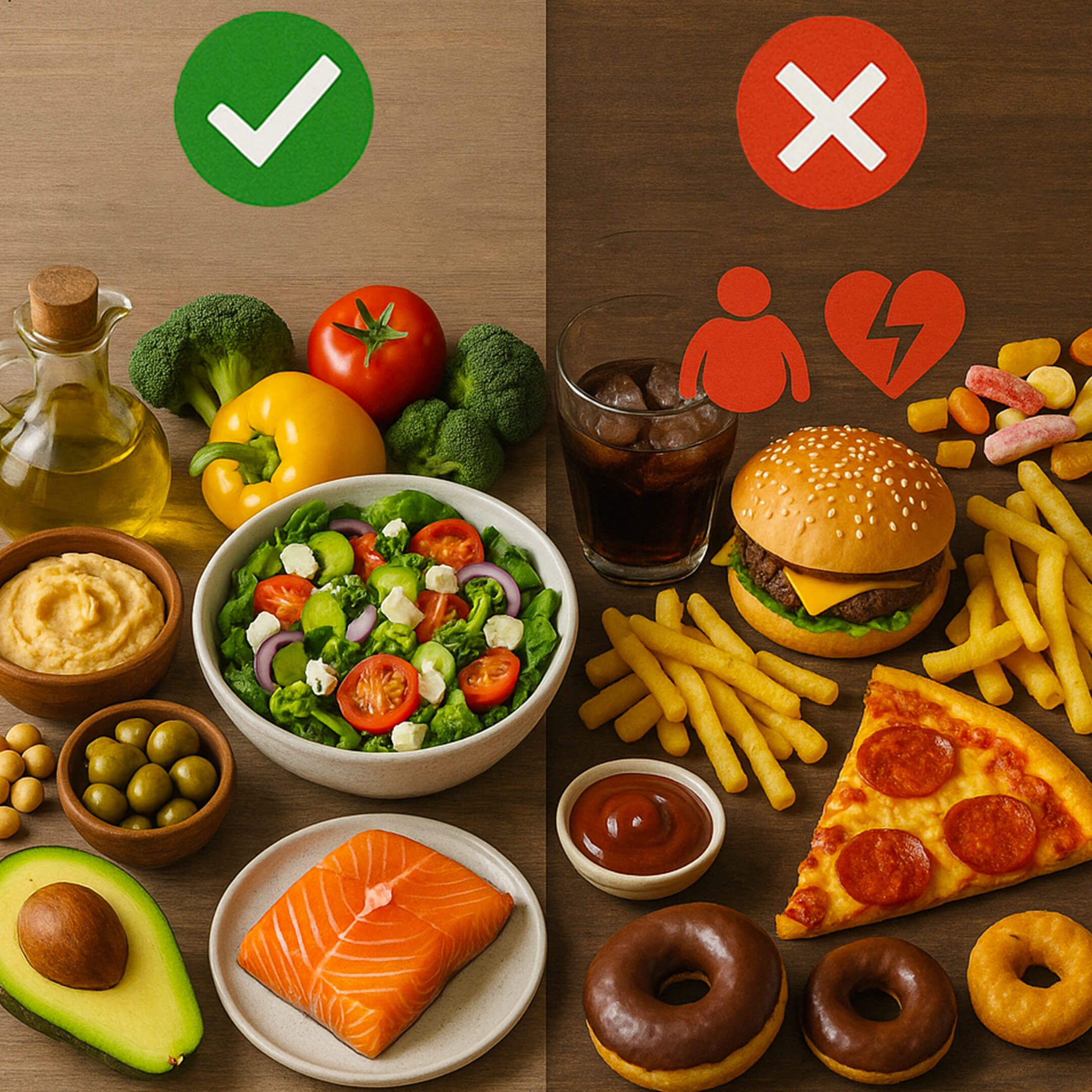
Sugar, stress & fast food: why our gut needs a break
🍟 What modern nutrition does to your gut
Never before in the history of mankind has our diet been so heavily processed as it is today.
- Industrially processed
- Consumed quickly
- And often artificially created
What used to be on the plate - lively, high in fiber, seasonal - has been replaced by:
- Finished products
- Ready-made snacks
- High sugar drinks
- Flavored light products
- White flour, sugar, additives
What is missing?
- Dietary fiber
- Bitter substances
- Fermented
- Plant diversity
Instead:
Sugar, wheat, fat - in almost every product.
One-sidedness instead of diversity.
Convenience instead of supply.
The result: the microbiome gets too little fuel, the variety of good bacteria declines, and an imbalance develops.
🧨 How this shows up little by little
This kind of imbalance rarely goes unnoticed.
First you feel it in your stomach:
- Feeling of fullness
- Bloating
- an unsettled belly
- Tiredness after eating
Over time, you often notice it beyond the gut too: less energy in the afternoon, restless sleep, and a stronger craving for even more sugar.
None of this happens overnight.
But over years.
And it begins - with breakfast.
With the snack.
With a snack on the way.
🌱 Fiber: the underrated building block
What the gut lacks is simple:
BALLAST MATERIALS.
In the past: noticeably more plant-based food.
Today: often less than 15 g per day.
Fiber is the food for your good gut bacteria, especially soluble types such as inulin or acacia fiber. From it, the bacteria produce substances that nourish the gut.
Fiber also helps you:
- stay full for longer,
- have a more even blood sugar curve,
- support regular digestion,
- better supply your good gut bacteria again.
🚫 But why do we lack this today?
Because most processed foods contain hardly any fiber.
It is removed to make products shelf-stable, soft, or "easy to digest.".
The result: Food that fills you up but offers little variety.
Many people want to eat well, but even with fruit, vegetables, and whole grains, it is not so easy to reach 30–40 g of fiber every day.
✅ How to get more fiber into your everyday routine
Die gute Nachricht: Mit ein paar einfachen Gewohnheiten aus der Küche geht das ganz nebenbei.
- Starte ballaststoffreich in den Tag — Haferflocken, Vollkornbrot oder ein Porridge mit Beeren.
- Hülsenfrüchte einbauen — eine Handvoll Linsen, Kichererbsen oder Bohnen in Suppen, Salate und Eintöpfe.
- Samen dazugeben — ein Esslöffel geschrotete Leinsamen oder Flohsamenschalen ins Müsli oder in den Joghurt, mit ausreichend Wasser.
- Gemüse mit Schale verwenden und Nüsse als Snack.
- Fermentiertes für Vielfalt — Sauerkraut, Joghurt oder Kefir bringen Abwechslung auf den Teller.
- Genug trinken — Ballaststoffe brauchen Flüssigkeit, um gut zu arbeiten.
💡 Tip: Steigere die Menge langsam, damit sich dein Darm in Ruhe daran gewöhnt.
✨ Conclusion: Give your gut back what it lacks
Your gut is not a waste disposal unit.
Er ist ein wichtiges inneres Zentrum.
Wer ihm mit Vielfalt, Ballaststoffen und ein bisschen Ruhe Gutes tut, tut sich insgesamt etwas Gutes — Schritt für Schritt, ganz alltagstauglich.
Manchmal beginnt Gutes für dich mit einer kleinen, bewussten Entscheidung beim Essen.
Author: Unknown
More interesting tips & articles

Retreats
RETREAT: Qi Gong & TAO Breathwork (May 2027)
May 5–9, 2027: 5 days of stillness in the Tyrolean Alps: Qi Gong, TAO Breath & Meditation in Leutasch. Find your way back to…
Nov

TCM tip of the week
Hair Loss in Autumn
Yesterday morning you pulled more hairs out of your comb than you did all summer and threw them away without giving them a second thought…
Nov


