






Pu Gong Ying — Dandelion
Pu Gong Ying (Taraxacum mongolicum) is the Chinese dandelion—a humble herb with powerful heat- and toxin-clearing properties. The entire herb is used and is considered one of the most potent in TCM Heat-Toxin-Clearing Funding, period.
It is particularly effective for heat-toxins in the chest, damp heat that breaks out through the skin, and redness of the eyes caused by liver heat. cooling, detoxifying effect — and Western science largely supports the TCM tradition.
Effect from a TCM perspective
Pu Gong Ying clears heat toxins and reduces swelling. It primarily acts on the Liver and Stomach meridians and is the most important single herb in TCM for acute heat-toxin accumulation in the chest.
- Clears Heat and Eliminates Toxins (清热解毒) — for hardened areas, heat and toxin buildup, and swelling
- Relieves stiffness and knots — has a particular effect on the breast in cases of heat, toxin, and congestion, as well as early-stage lumps
- Clears Liver Heat (清肝明目) — for red, watery, and tender eyes
- Relieves stomach heat — for gum heat, heat toxins in the oral cavity, and stomach heat patterns
- Eliminates damp heat through the bladder — for damp-heat in the bladder, cloudy urine, and a burning sensation when urinating
- Supports the gallbladder — promotes bile flow
Application & dosage
In TCM practice, Pu Gong Ying is most commonly used as a decoction—the standard dose ranges from 10 to 30 g of dried herb, depending on the severity of the condition. In cases of acute heat-toxin syndromes, the dose may be temporarily increased to 60 g of fresh produce should be increased; external application as a poultice complements internal use in cases of localized heat and toxin accumulation.
For the Long-term use — for example, during prolonged periods of humid heat or to support liver function — it is recommended to take the granules or tea in a lower dosage over several weeks. Since the herb is cold and bitter, patients with weak spleen qi should keep the dosage low and always take it with meals to avoid burdening digestion.
Dosage forms
- Decoction — traditional method of preparation; boil the dried herb for 20–30 minutes; most effective for acute heat-toxin syndromes
- Fresh Juice — juice extracted from young leaves and stems; particularly effective for heat- and toxin-induced swelling of the skin and chest; for internal and external use
- Granules (concentrate) — a practical standard form used in modern TCM practice; easy to dose, consistent quality
- Powder (ground) — a compound medication mixed into warm water; for patients who do not want to prepare a decoction
- Tea (infusion) — a mild formula for supportive use; suitable for mild damp-heat in the Lower Burner and for supporting liver health in daily life
- Capsules / Tablets — standardized extracts; make it easier to take over a long period of time
- External — Compress / Poultice (捣敷) — Crush fresh herbs and apply them directly to areas of the skin, chest, or lymph nodes affected by heat, toxins, or swelling; a classic first-aid remedy in traditional Chinese medicine
Dosage
- Decoction — dried herb: 10–30 g daily (standard dose); in cases of severe acute conditions, up to 60 g may be taken for a short period
- Fresh material: up to 60 g daily (equivalent to approximately 20–30 g of dry drug)
- Granules (4:1–5:1 concentrate): 2–5 g daily, dissolved in hot water
- Powder: 3–6 g daily, divided into several doses
- Tea (infusion): 5–10 g of dried herb per 250 ml of water, 1–2 cups daily
- Capsules: Depending on the extract concentration; follow the manufacturer's instructions
- Appearance: No quantity limit; apply as needed, applying to the affected area
Frequent combination partners
Pu Gong Ying often does not reach its full potential until it is combined with other herbs
History & Tradition
Pu Gong Ying is one of those herbs that seem so commonplace that it’s easy to overlook their depth. In China and Europe, dandelions bloomed along roadsides, in meadows, and in gardens long before anyone thought to cultivate them—they require no care; they simply appear. That is precisely what made them a symbol of Perseverance and Renewal: A plant that is the first to return after the harshest winter must possess a special power.
In China, the first official medical reference to the dandelion can be found in the *Xin Xiu Ben Cao* (新修本草), the great herbal compendium of the Tang Dynasty from the year 659 AD—the world’s first government-sanctioned pharmacopoeia. There, Pu Gong Ying is already described as a remedy for heat and swelling. But its use dates back even further: Folk medicine sources from the Northern and Southern Dynasties period (420–589 AD) mention the herb as a treatment for heat toxins in the breasts of nursing mothers—an application that remains one of its most important uses to this day.
The best-known traditional recipe using Pu Gong Ying comes from the Jingyue Quanshu (*Jingyue Quanshu*, 17th century). In this formula, Pu Gong Ying, together with Jin Yin Hua, Zi Hua Di Ding, Ye Ju Hua, and Tian Kui Zi, serves as the primary herb for treating acute, fiery-hot toxin patterns characterized by swelling and induration. The formula is still used today in modern TCM.
In European folk medicine, the dandelion—known as „pissenlit“ in French—has been used since the Middle Ages as a remedy for liver and kidney ailments. Hildegard of Bingen describes it as cooling and cleansing. This intuitive assessment aligns remarkably well with TCM: Here, too, Pu Gong Ying is considered a herb that clears heat from the liver and stomach and expels it through the kidneys. Two traditions, one herb—both recognized the same wisdom.
Contraindications & caution
Pu Gong Ying is cold and bitter—it cools and drains. Therefore, it is contraindicated if there is no heat pattern present:
- Cold–Emptiness–Patterns of the Spleen and Stomach — Diarrhea, loose stools, loss of appetite, and cold extremities due to spleen qi deficiency: Pu Gong Ying significantly worsens these conditions due to its cold nature.
- Yang Deficiency of the Middle Burner — Patients who are already prone to feeling chilly, have poor digestion, and lack energy generally do not tolerate the cold, bitter, and purgative herbs in this group well.
- Diarrhea without signs of fever — In cases of Qi-deficiency diarrhea (watery, without a burning sensation, without fever), this herb should be avoided; its diuretic and purgative effects may worsen the condition.
- Bile Duct Obstruction (Choledocholithiasis, Cholangiosclerosis) — In cases of mechanical obstruction of the bile ducts, the strong cholagogue effect is contraindicated; the increased bile flow can further raise pressure in the bile duct and lead to acute complications. Medical evaluation is absolutely necessary.
- Allergy to Asteraceae (Compositae) — If you have a known allergy to chamomile, calendula, arnica, or chrysanthemums, there is a risk of cross-reactivity. Cases of contact dermatitis and systemic reactions have been documented.
- Interactions with Diuretics — The additive diuretic effect may lead to electrolyte imbalances when taken concomitantly with thiazide or loop diuretics; caution is advised despite the potassium content.
- Interaction with Lithium — The diuretic effect alters renal lithium clearance; when taking lithium (e.g., for bipolar disorder), serum concentrations may rise — Consultation with the treating physician is absolutely necessary.
- Pregnancy — Avoid higher doses (more than 15 g in a decoction); moderate amounts as a food plant are considered safe.
Botany
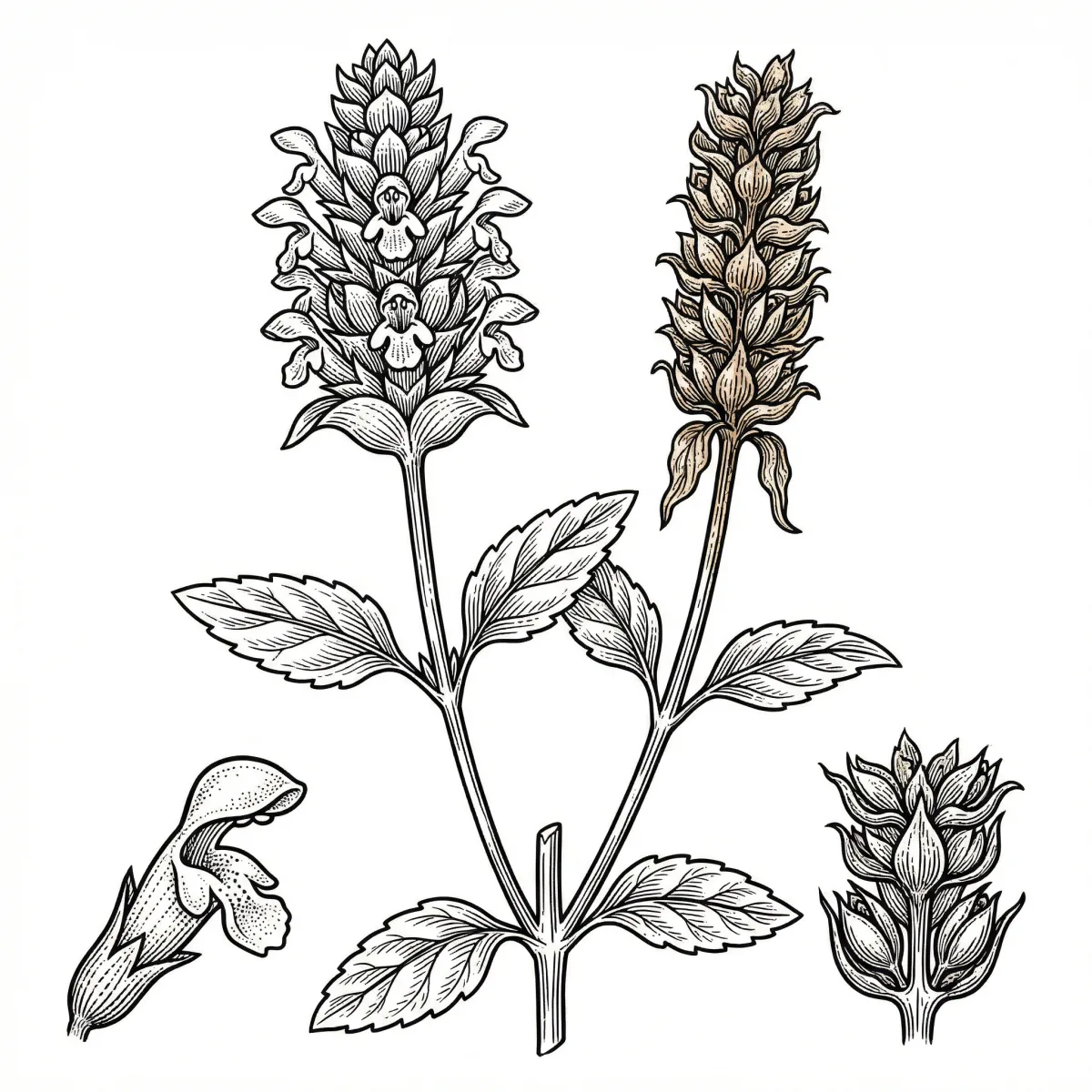
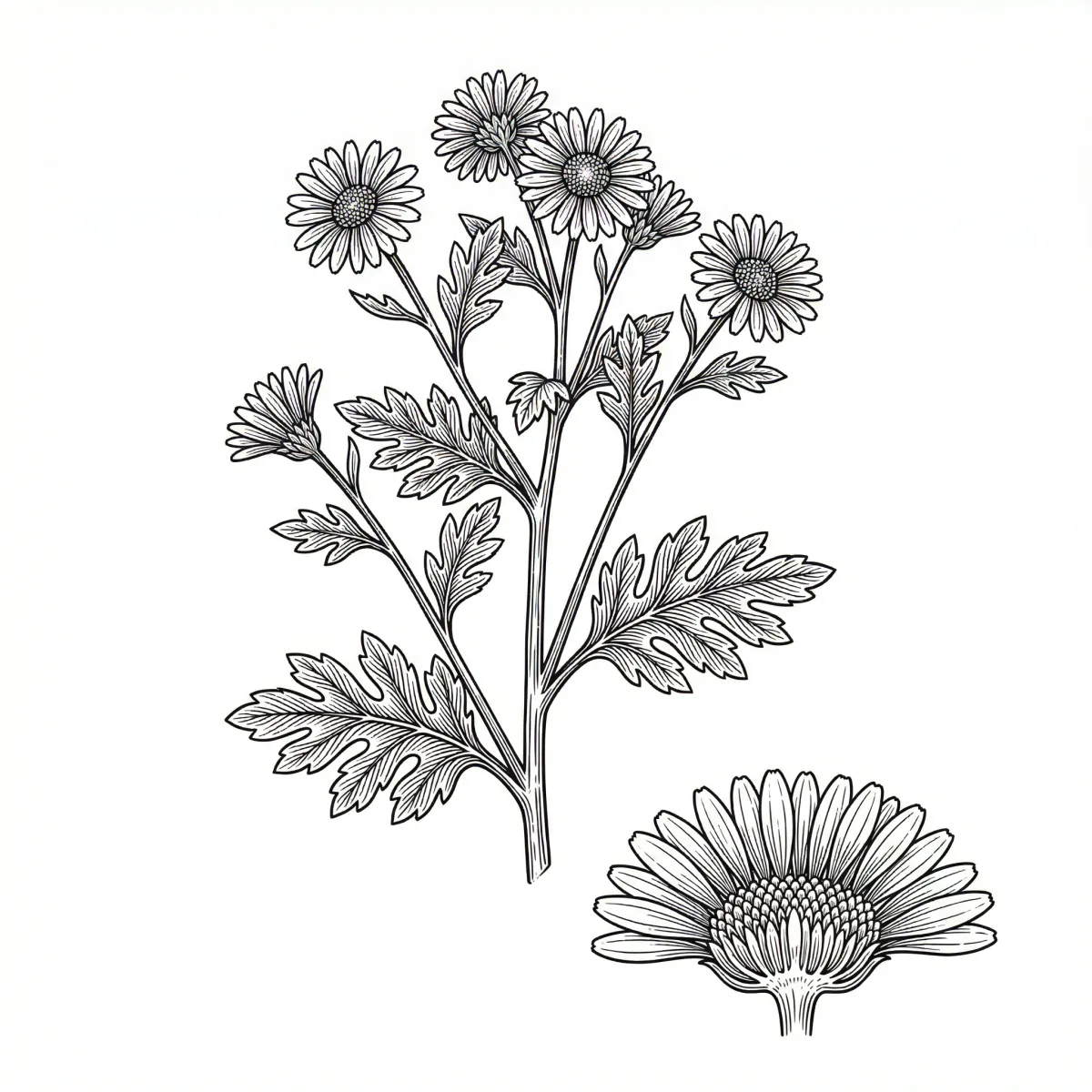
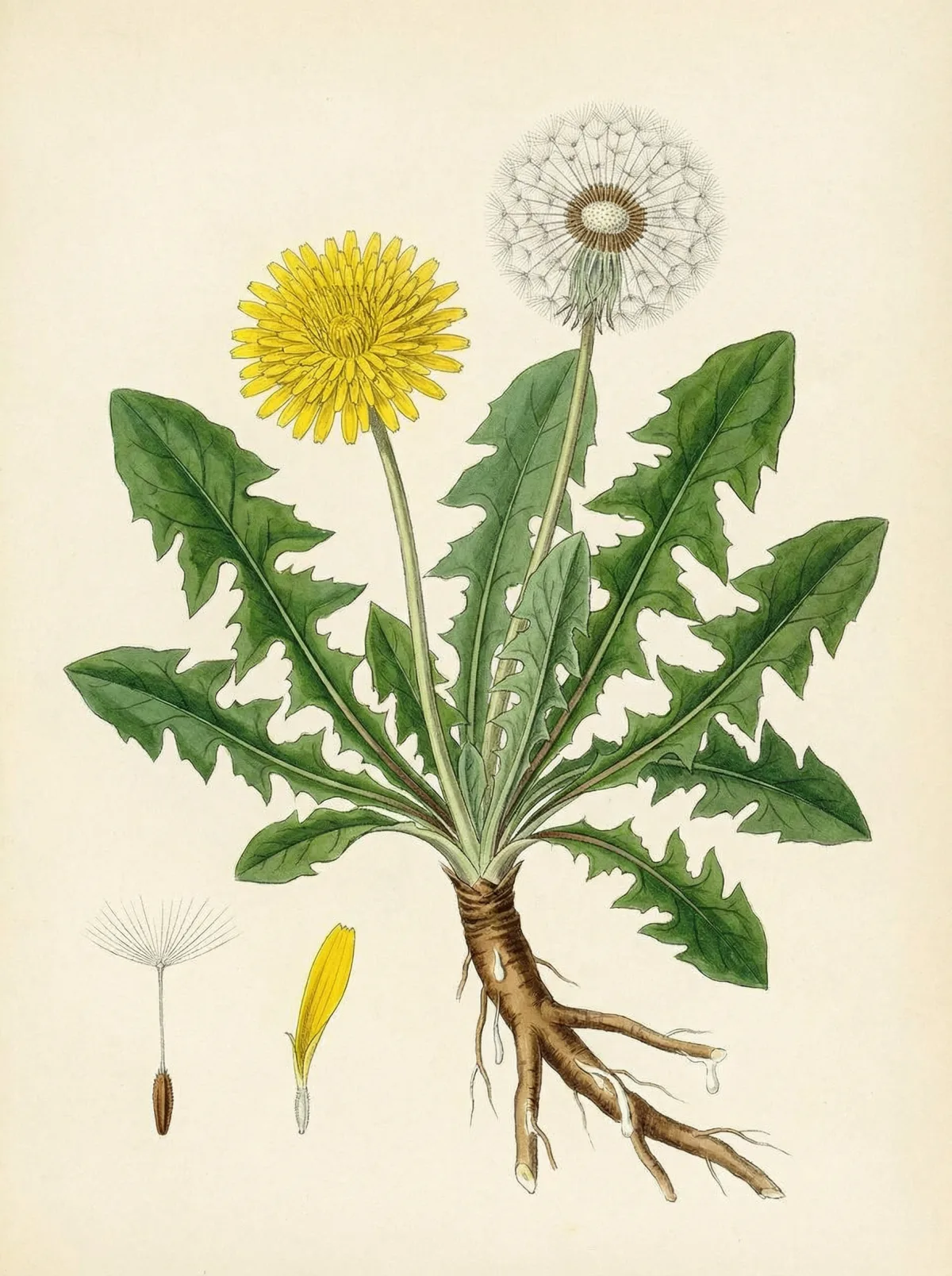
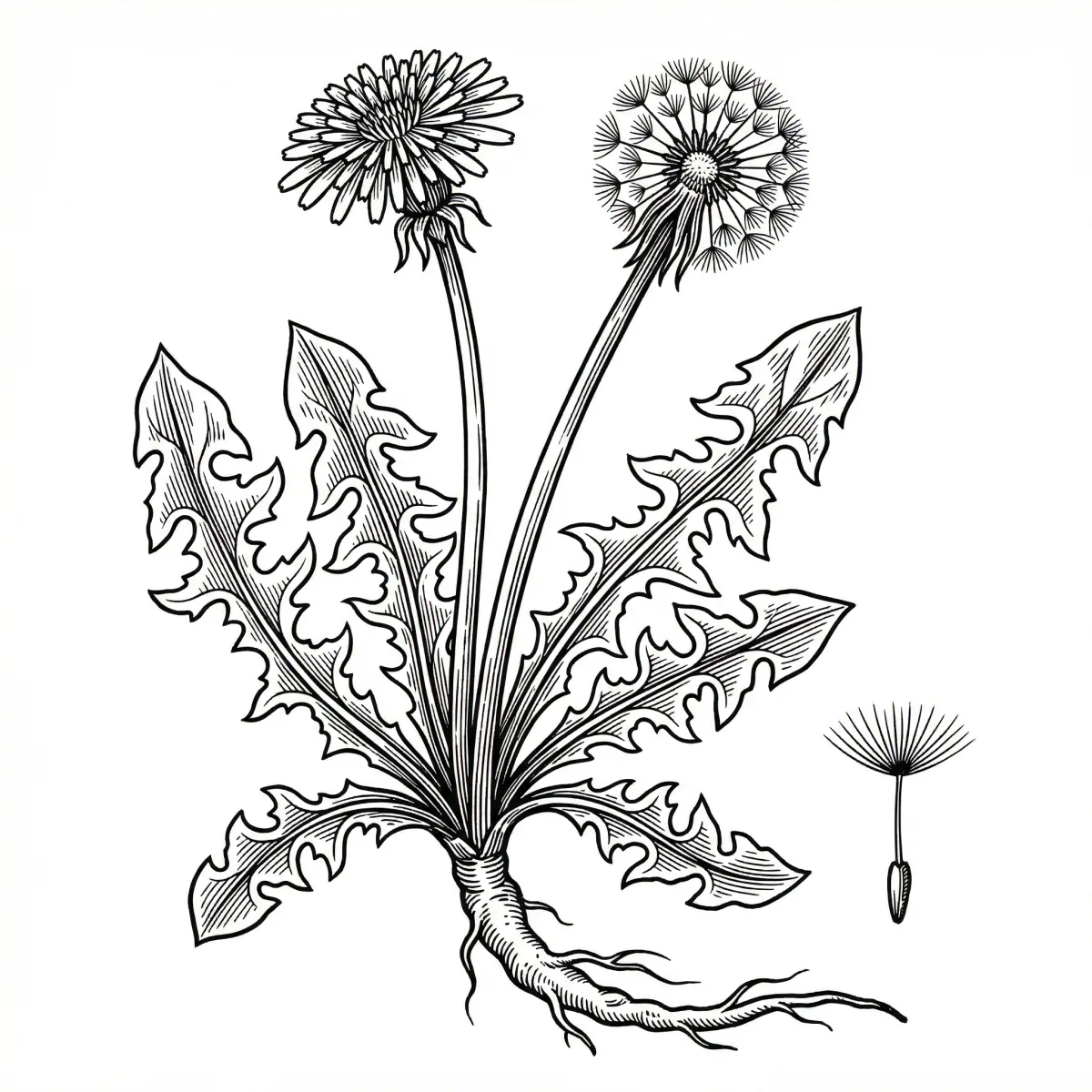
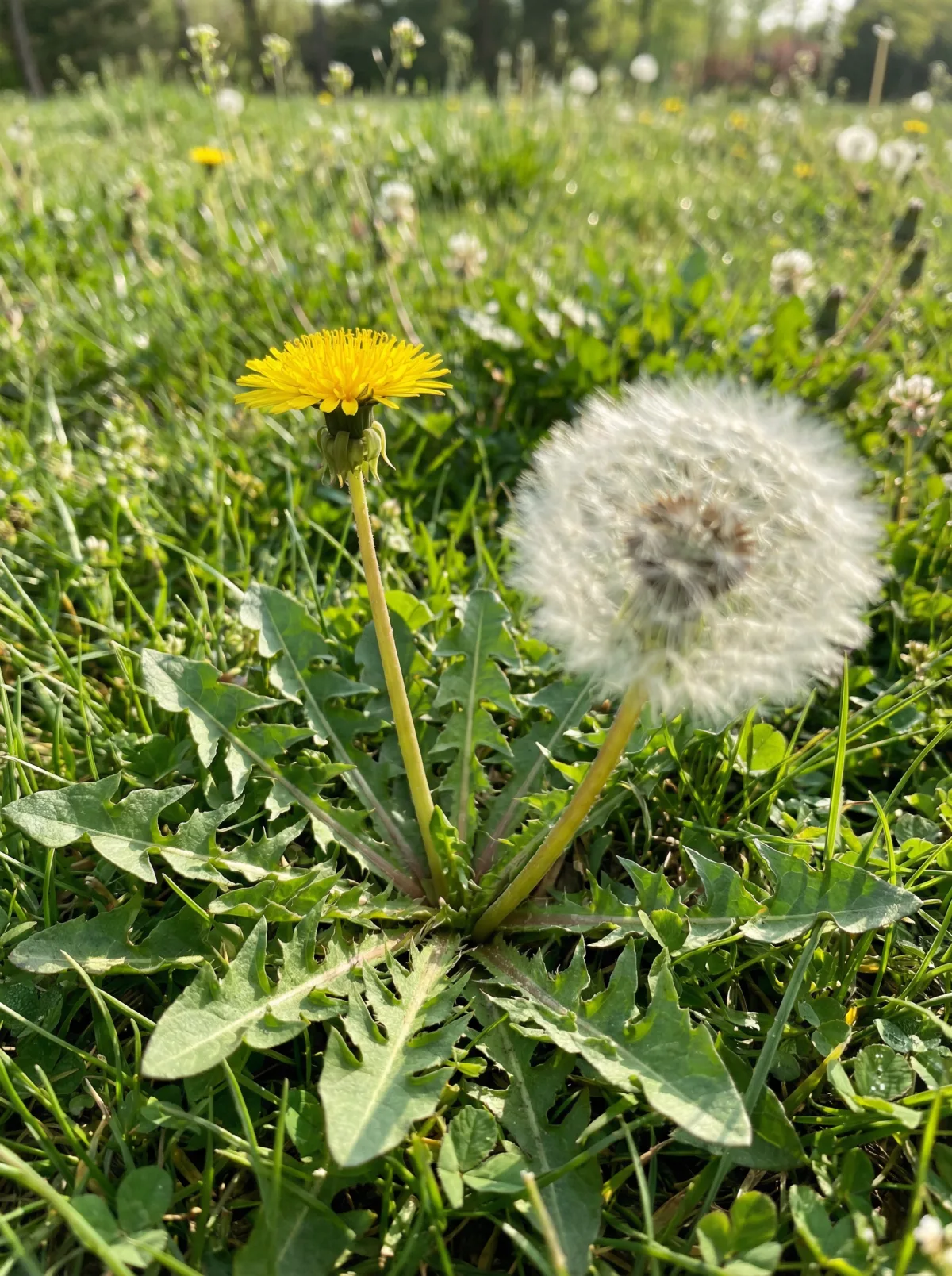
Dandelion (Taraxacum mongolicum Hand.-Mazz.) belongs to the family of the Asteraceae It is a perennial, rosette-shaped plant without an upright stem. All leaves emerge directly from the root in a basal rosette; they are deeply pinnately lobed, with the lobes pointing backward—the distinctive „dandelion pattern“ that gave the plant its German name. The robust taproot extends deep into the soil and contains a white milky sap (latex).
The flower stalk is hollow, erect, and also contains milky sap—it bears a single yellow flower head (capitulum) composed entirely of ray florets. After flowering, the familiar spherical fruit (pappus ball) develops: Each fruit (achenium) bears a long beak with a feathery tuft of hairs (pappus), which enables dispersal by wind. This combination—hollow stem, milky sap, solitary flower head, pappus—is the botanical identifying characteristic of the Taraxacum genus.
Occurrence
- Temperate climate zones worldwide — Taraxacum species are found throughout the Northern Hemisphere, from sea level up to the alpine zone (above 3,000 m); they are widely distributed across Europe, North America, and Northeast Asia.
- Europe — Taraxacum officinale agg. (species group) in meadows, along roadsides, in fields, gardens, and parks; considered a pioneer plant and a „weed“ in many regions.
- China and East Asia — Taraxacum mongolicum Hand.-Mazz. is the species used in TCM; it is found in Mongolia, northern China (Inner Mongolia, Hebei, Shanxi, Shaanxi, Qinghai), as well as in Japan and Korea.
- Habitats — Meadows, roadsides, fields, garden beds, ruderal areas; prefers nutrient-rich, loamy soils in full sun to partial shade; a plant associated with human activity and an indicator of disturbed soils.
- Cultivation and Wild Harvesting — In China, it is primarily harvested in the wild; cultivation in home gardens and on farmland is on the rise. Main growing regions for commercial harvest: Hebei, Shandong, Jilin.
Harvest time
- Main Harvest Season: Spring (March–May) — before or during flowering; at this time, the levels of bitter compounds, inulin, and other active ingredients are at their highest
- Fall (September–October) — second harvest season, especially for the root; in the fall, the plant accumulates reserve carbohydrates (inulin) in the taproot
- Harvested Parts — In TCM, the entire herb (Herba Taraxaci) is used: leaves, stems, flowers, and the entire root; when harvesting for TCM, the plant is dug up as completely as possible, including the taproot
- Fresh herbs — for fresh juice and fresh compresses, choose young, tender leaves before flowering; harvest early in the morning after the dew has dried
- Quality characteristic — Plants with a strong, intact taproot and undamaged leaves; no yellowed or moldy parts
Processing
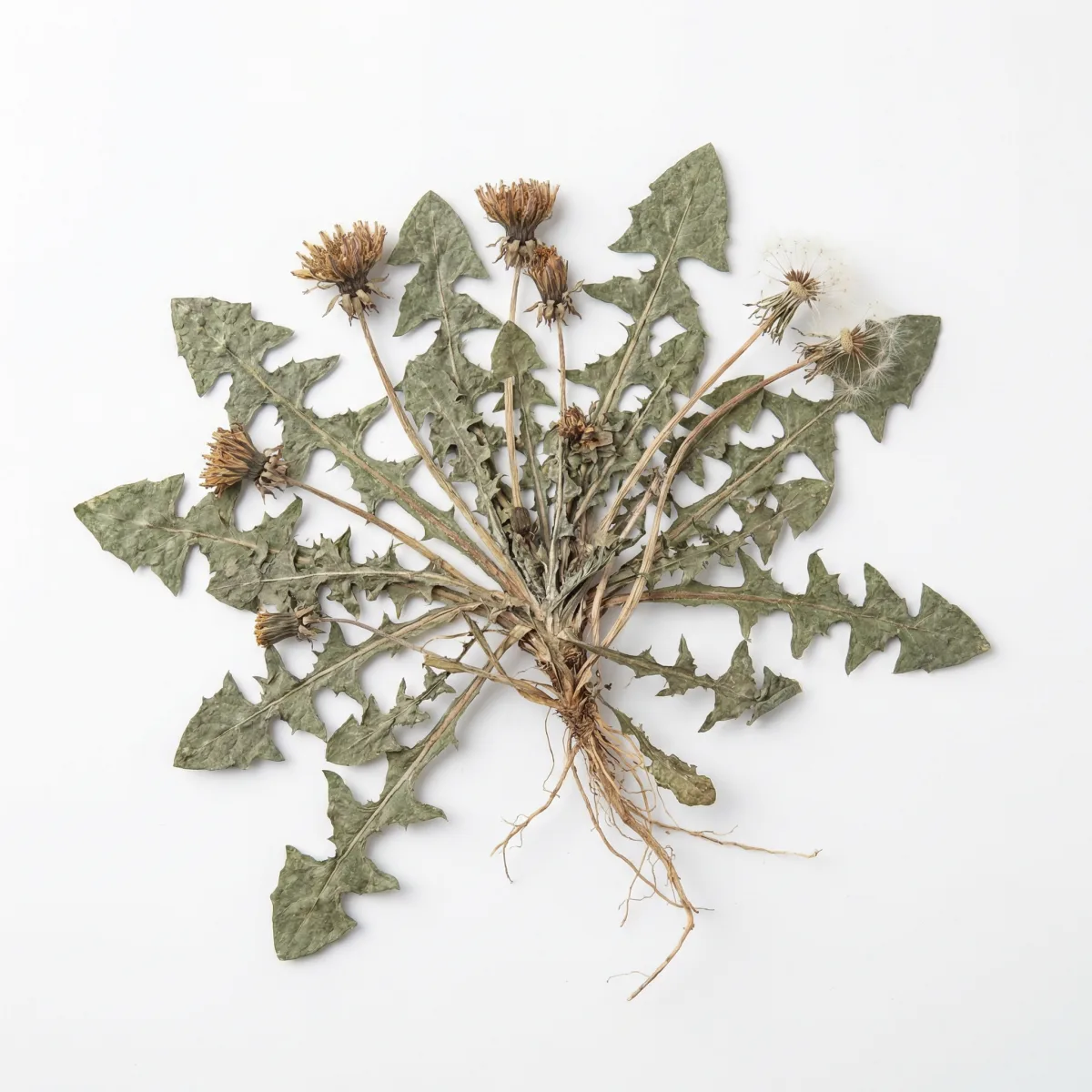
The processing of Pu Gong Ying depends on its intended use: To prepare it as a TCM herb, the entire plant is gently dried in the shade; for fresh juice and compresses, young plants are processed immediately after harvest. The quality of the medicinal herb depends crucially on careful sorting and gentle drying—sunlight and excessively high temperatures break down bitter compounds and flavonoids.
- Dried (dried herb — TCM standard)
- Wash freshly harvested greens thoroughly in warm water and remove any soil from the roots
- Shake off excess water; remove any wilted, yellowed, or damaged parts
- Spread the herbs loosely on sieve racks or drying racks—do not pile them up
- Dry in the shade with good air circulation (20–30 °C); avoid drying in direct sunlight
- Drying time: 5–10 days, depending on humidity; the herb is ready when the stems and roots are completely dry
- Store in airtight containers in a cool, dark place; shelf life: 1–2 years
- Fresh (Fresh juice — for external and internal use)
- Harvest young leaves and stems before flowering (March–April); use the roots as well, if desired
- Wash thoroughly; remove any debris and dry leaf tips
- Press or crush using a juicer or mortar; strain the juice through a fine sieve
- Use fresh juice immediately—it oxidizes quickly; do not store it for more than a few hours
- External poultice (捣敷 — freshly pounded)
- Wash the fresh greens (leaves and stems)
- Thoroughly crush in a mortar or with a knife until a moist paste forms
- Apply a poultice directly to the affected area where heat and toxins have accumulated, causing redness and swelling.
- Secure with a clean cloth; change the compress every 4–6 hours
Related herbs
Herbs with similar effects and related areas of application