







Mu Gua — Chinese Quince
Mu Gua — die Chinesische Quitte — ist ein bewährtes Mittel bei angespannten, verkürzten Sehnen und Feuchtigkeit in den Beinen. Die saure Frucht hat eine besondere Affinität zur Leber, die in der TCM die Sehnen und Muskeln regiert.
Mu Gua wird häufig bei Wind–Feuchtigkeit–Bi in den Waden und bei schwerem Gefühl in den Beinen eingesetzt. Die Frucht enthält organische Säuren und Triterpene, die das Lösen von Anspannung in den Sehnen und von Feuchtigkeit unterstützen.
Effect from a TCM perspective
- Relaxes the tendons, activates the meridians: Besonders wirkungsvoll in den unteren Extremitäten bei Steifigkeit und eingeschränkter Beweglichkeit.
- Wicks away wind and moisture: Löst Bi–Syndrom (Blockade der Leitbahnen) mit Schwere, Schwellung und Steifigkeit in den Gelenken.
- Balances the stomach: Durch seinen sauren Geschmack löst es Anspannung im Magen–Darm–Trakt und senkt gegenläufiges Magen–Qi ab.
- Transforms moisture: Wirkt bei wässrigem Stuhl mit Wadensteifigkeit — einem klassischen Zeichen für geschwächte Milz–Funktion.
Organzuordnung: Leber (regiert die Sehnen), Milz (transformiert Feuchtigkeit).
Application & dosage
Die Standarddosis von Mu Gua im Dekokt beträgt 6–12 g täglich. Bei ausgeprägter Feuchtigkeit mit angespannten Waden–Sehnen kann die Dosis auf bis zu 15 g erhöht werden. Als äußerliche Anwendung wird ein konzentriertes Dekokt für Fuß– und Teilbäder bei Feuchte–Bi in Gelenken und Muskeln eingesetzt.
In der klassischen chinesischen Medizin gilt die Einlage der Frucht in Reiswein (Yao Jiu) als bewährte Darreichungsform bei hartnäckigem Wind–Feuchte–Bi — die Kombination aus sauren Inhaltsstoffen und dem Alkohol fördert den Blutfluss in den betroffenen Regionen und erleichtert die Extraktion der Inhaltsstoffe.
Dosage forms
- Decoct: Standard preparation — Boil 6–12 g of fruit slices for 20–30 minutes; the treatment of choice for Bi syndrome with dampness and heaviness in the legs
- Granules: Ready-to-use extract for daily use; a convenient alternative to a decoction for long-term use
- Tablets / Pills: Fertigpräparat, häufig in klassischen Formeln gegen Wind–Feuchtigkeit–Bi kombiniert
- Rice Wine Infusion (Yao Jiu): Früchte 1–3 Monate in Reiswein einlegen; traditionell genutzt bei Wind–Feuchtigkeit–Bi der Gelenke und langdauerndem Bi–Syndrom
- External decoction: Konzentriertes Kochwasser als Fuß– oder Teilbad bei Anspannung der Waden, Fußschwellung und Feuchtigkeit–Bi in den Beinen (30–60 g auf 3–4 L Wasser, 15–20 Min.)
Dosage
- Standard dose (decoction): 6–12 g daily
- Increased dose: bis 15 g täglich bei ausgeprägter Feuchtigkeit mit angespannten Sehnen
- Granules: 3–6 g daily (equivalent to an approximately 1:5 extract)
- External use: 30–60 g for foot baths or partial baths, 15–20 min.
- Rice Wine Tincture: 10–20 ml of the prepared solution daily
Frequent combination partners
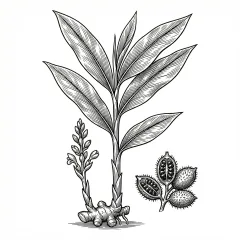
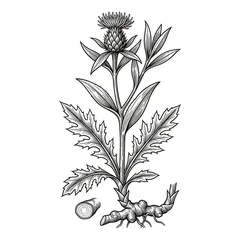
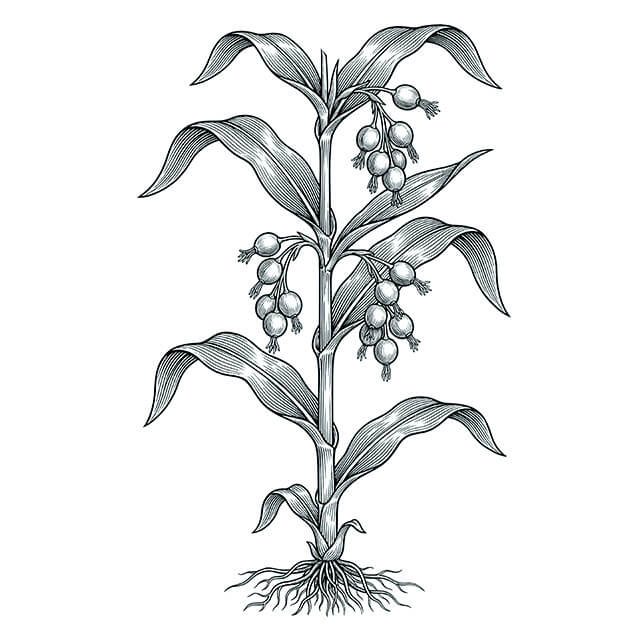
Mu Gua often does not reach its full potential until it is combined with other herbs
History & Tradition
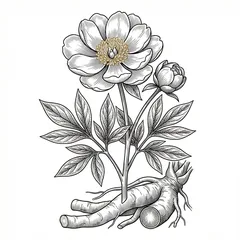
Mu Gua gehört zu den ältesten Kräutern gegen Sehnen– und Muskel–Bi–Syndrome in der chinesischen Medizin. Bereits im Shén Nóng Běn Cǎo Jīng wird die Frucht erwähnt, und im Míng Yī Bié Lù aus der Liang–Dynastie erhielt sie eine ausführliche Beschreibung. Li Shizhen widmete Mu Gua im Běn Cǎo Gāng Mù ein ganzes Kapitel und schrieb: „Mu Gua ist das Hauptmittel für die Sehnen — kein anderes Kraut entspannt sie so wirkungsvoll.“
The name Mù Guā (木瓜) bedeutet wörtlich „Holz–Melone“ und verweist auf die harte, holzige Konsistenz der reifen Frucht. In der Volksmedizin wurde Mu Gua auch als Tonikum für die Verdauung geschätzt — besonders bei rebellierendem Magen–Qi durch eine feuchte, geschwächte Mitte.
Eine berühmte Pulver–Rezeptur enthält Mu Gua als Hauptkraut gegen feuchtes Bi–Syndrom der Beine mit Schwellung und Spannungsgefühl. Der Brauch, das Pulver traditionell bei Morgengrauen einzunehmen, geht davon aus, dass die aufsteigende Yang–Energie des Tages die absteigende Wirkung der Rezeptur unterstützt.
In the Song Dynasty Mu Gua was also prized as a fragrant fruit. Scholars placed the aromatic fruit in their study rooms to perfume the space—a custom that was regarded in classical literature as a sign of refinement. To this day, Mu Gua remains one of the most important herbs for treating Bi syndrome characterized by dampness and tendon shortening.
Contraindications & caution
Nicht anwenden bei Yin–Mangel mit Leere–Hitze oder bei langanhaltender Verstopfung — der saure, zusammenziehende Geschmack kann die Symptome verschlimmern. Bei übermäßiger Magensäure oder Refluxerkrankung (GERD) mit Vorsicht verwenden, da die enthaltenen organischen Säuren die Schleimhaut zusätzlich reizen können. Mögliche Wechselwirkung mit Antazida und Protonenpumpenhemmern — die sauren Inhaltsstoffe können die Wirkung dieser Präparate abschwächen. Bei gleichzeitiger Einnahme von Muskelrelaxanzien ist eine ärztliche Rücksprache empfehlenswert, da sich die Wirkungen addieren könnten. Bei Schwangerschaft nur nach Rücksprache mit einem erfahrenen TCM–Praktiker und dem behandelnden Arzt einsetzen.
Botany
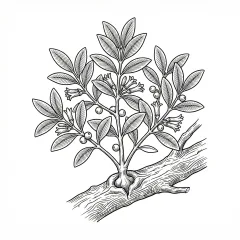
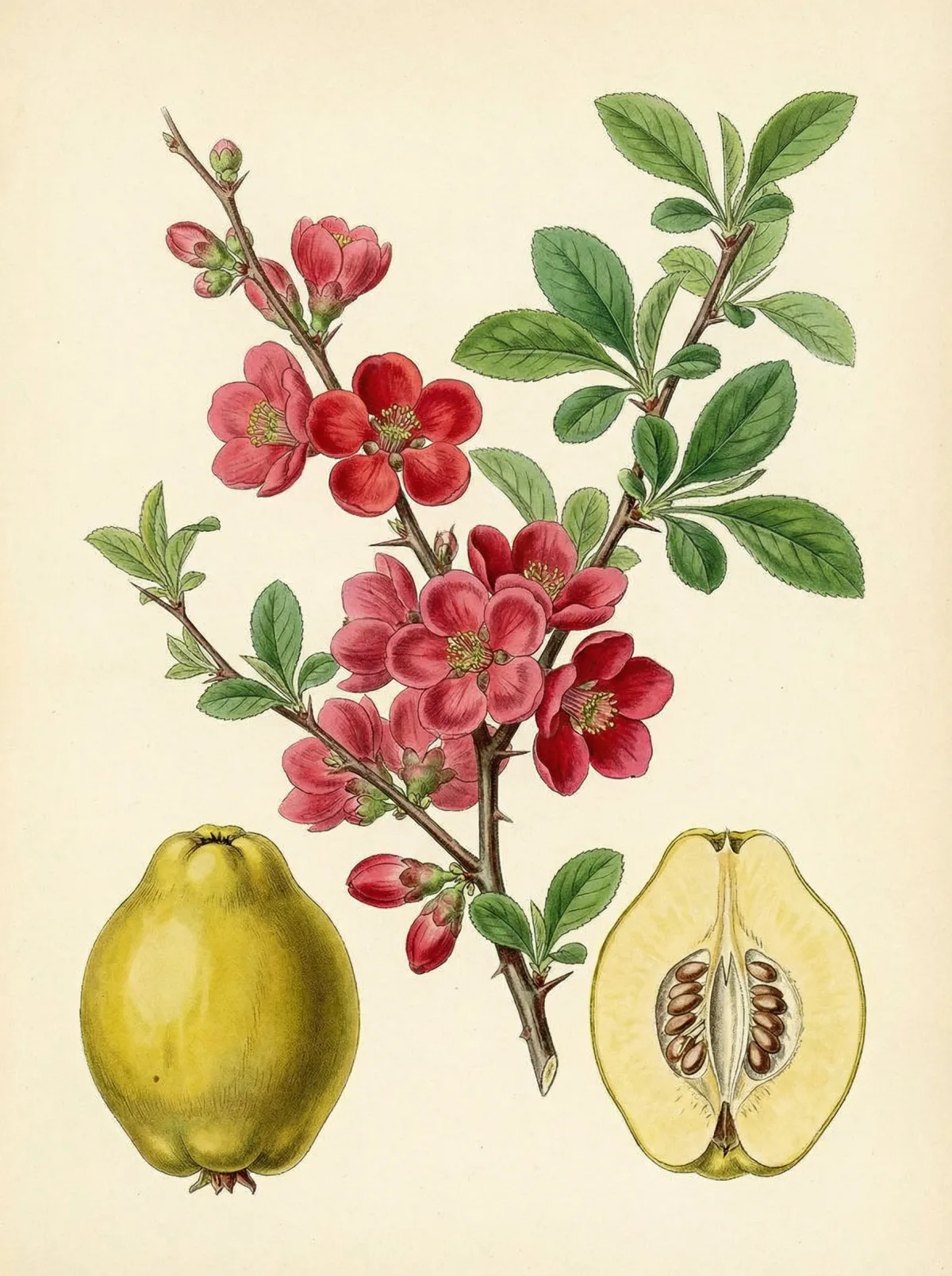
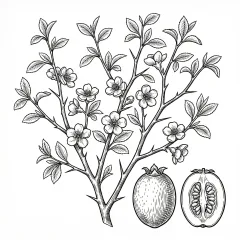
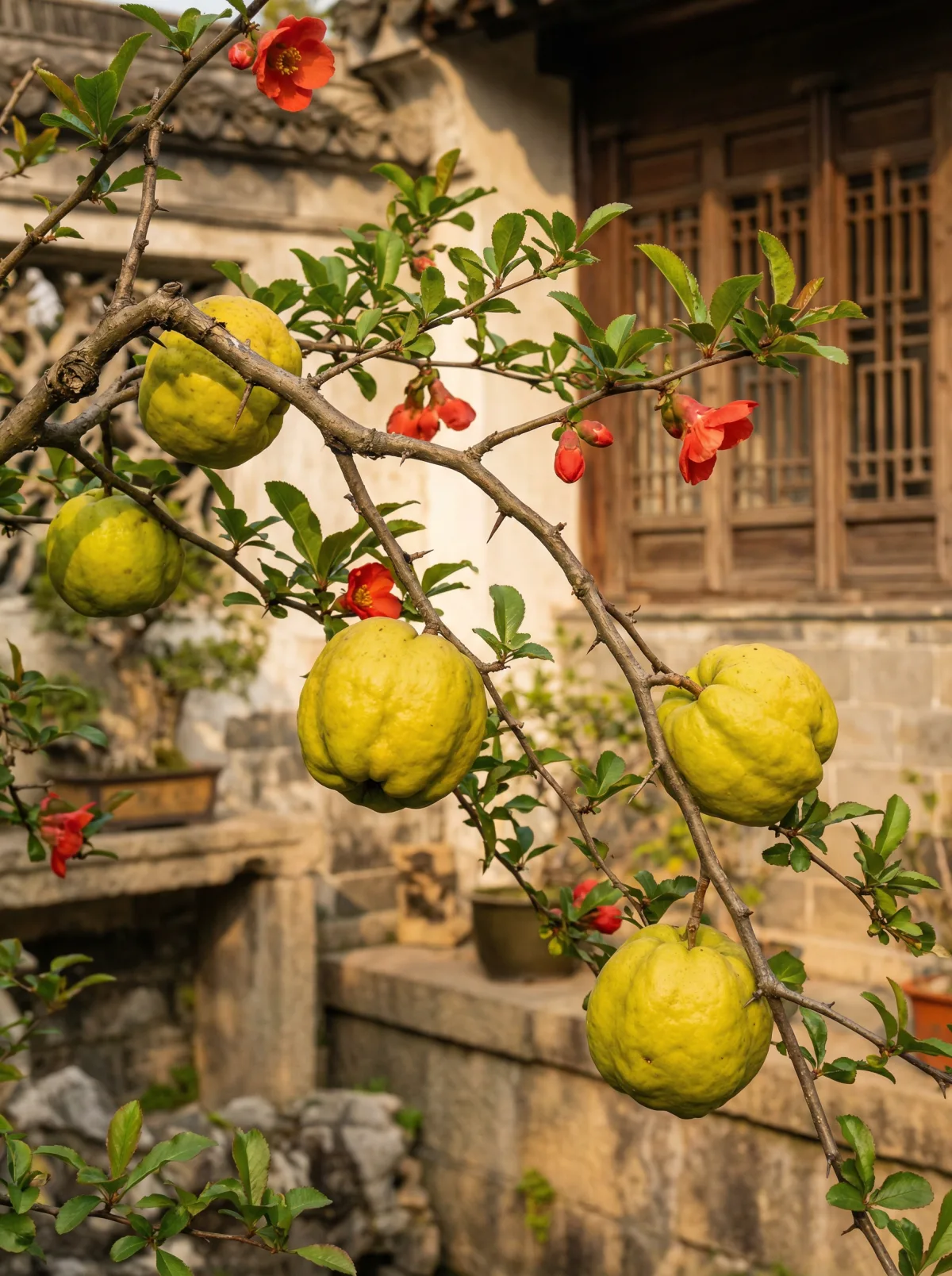
Chaenomeles speciosa ist ein sommergrüner, dorniger Strauch aus der Familie der Rosengewächse, der 2–3 m hoch wird. Die Blätter sind elliptisch bis verkehrt–eiförmig, fein gesägt und wechselständig angeordnet. Im Frühjahr erscheinen leuchtend rote bis karmesinrote Blüten vor dem Laubaustrieb — ein typisches Erkennungsmerkmal. Im Herbst reifen gelb–grüne, harte, äpfelartige Früchte von 8–12 cm Länge, die einen intensiv sauerartigen Geruch entwickeln.
Wichtig: Mu Gua (Chaenomeles speciosa) ist nicht identisch mit der tropischen Papaya (Carica papaya), obwohl im modernen Chinesisch beide als 木瓜 bezeichnet werden können — sie gehören zu völlig unterschiedlichen Pflanzenfamilien (Rosengewächse vs. Papayagewächse). Ebenfalls zu unterscheiden ist die verwandte Chaenomeles sinensis (Holzquitte), deren Früchte regional genutzt werden, jedoch nicht dem Pharmakopöe–Standard entsprechen.
Occurrence
- Central China: Hubei, Hunan, Sichuan — traditional major growing regions with a long history of cultivation.
- Eastern China: Anhui (especially Xuancheng), Zhejiang, Jiangsu — the „Xuan Mu Gua,“ considered to be of particularly high quality, is grown here.
- Zusätzliche Regionen: Guangxi, Yunnan, Guizhou — in warmer high-altitude areas up to about 1,200 m.
- Außerhalb Chinas: Japan und Korea (als Zierstrauch und Nutzpflanze); in Europa und Nordamerika als Ziergehölz verbreitet, pharmazeutisch jedoch nicht genutzt.
Harvest time
- Main harvest: September through November — when the fruit is fully ripe but still firm and yellow-green
- Harvest time: vor dem ersten Frost; überreife oder erfrorene Früchte verlieren Inhaltsstoffgehalt und Qualität
- Distinguishing features: The fruit falls easily from the branch, has an intense, tart-fruity aroma, and yields slightly when pressed gently
- Erntezyklus: Strauch trägt ab dem 3.–5. Standjahr zuverlässig; volle Ertragsreife ab ca. 5–7 Jahren
Processing
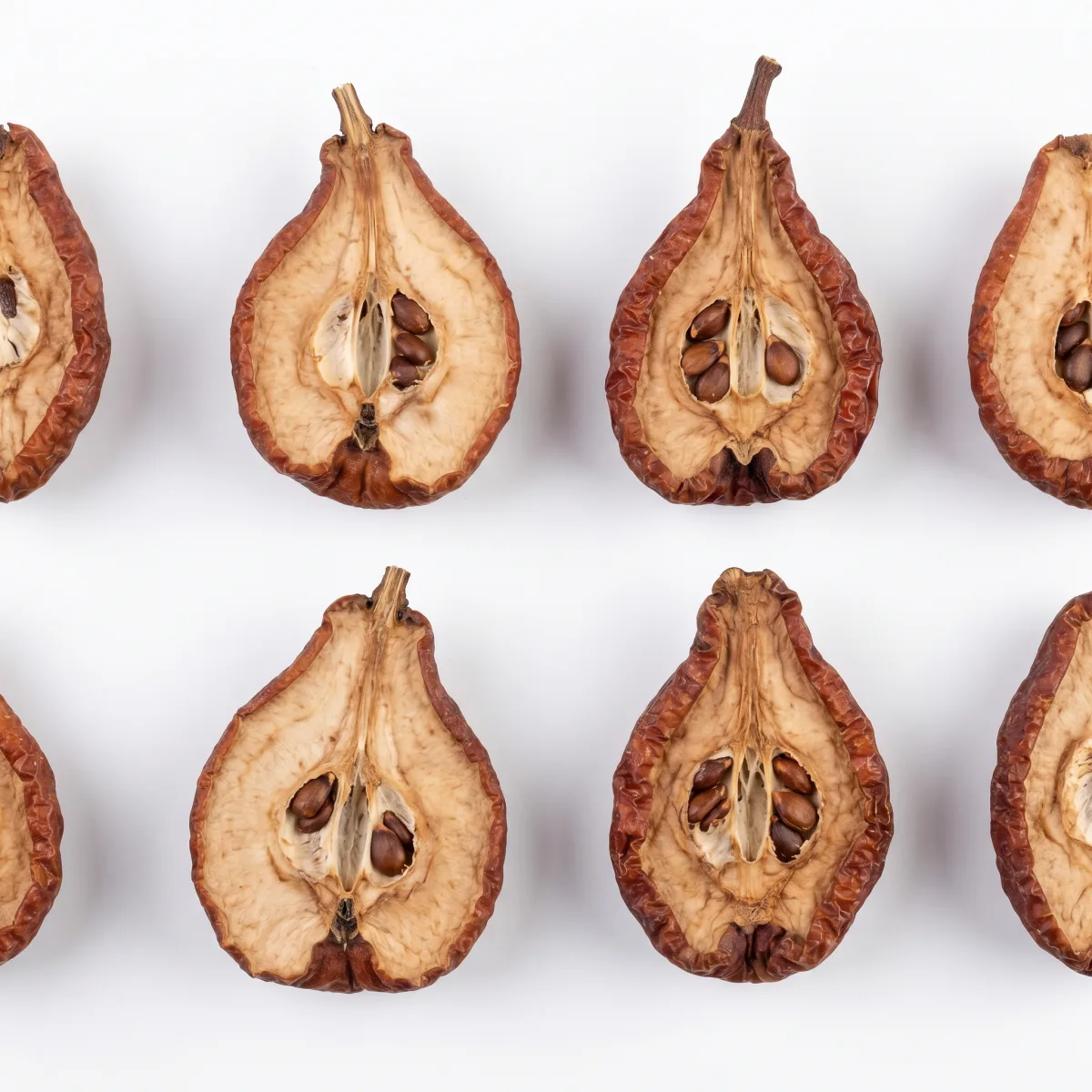
Die geernteten Früchte werden traditionell durch Dämpfen und Trocknen aufbereitet — dieser Prozess vertieft die Farbe, mildert die Adstringenz und erhöht die Lagerfähigkeit. Je nach Verwendungszweck kommen verschiedene Verarbeitungsstufen zum Einsatz.
- Raw Fruit (Xian Mu Gua):
- Wash the fruit and remove the stem and flower base
- Cut into 0.5–1 cm thick slices; remove the seeds
- Direkt für Dekokts verwenden oder zur späteren Verarbeitung einlagern
- Gedämpft und getrocknet — Chao Mu Gua (Standardverfahren der Pharmakopöe):
- Cut the fruit in half and slice it into even pieces
- Steam for 15–20 minutes, until the slices are tender and turn dark
- Dry in the sun or in the oven at 50–60 °C (8–12 hours)
- Fully dried slices are dark brown, leathery, and firm
- Store in airtight containers, in a dry place away from light
- Rice Wine Infusion (Jiu Zhi Mu Gua):
- Pour rice wine over the dried slices in a 1:5 ratio (by weight)
- Let it steep for 1–3 months in a sealed container
- Strain the tincture and store it in a cool, dark place
Related herbs
Herbs with similar effects and related areas of application