







Mu Zei — Winter horsetail
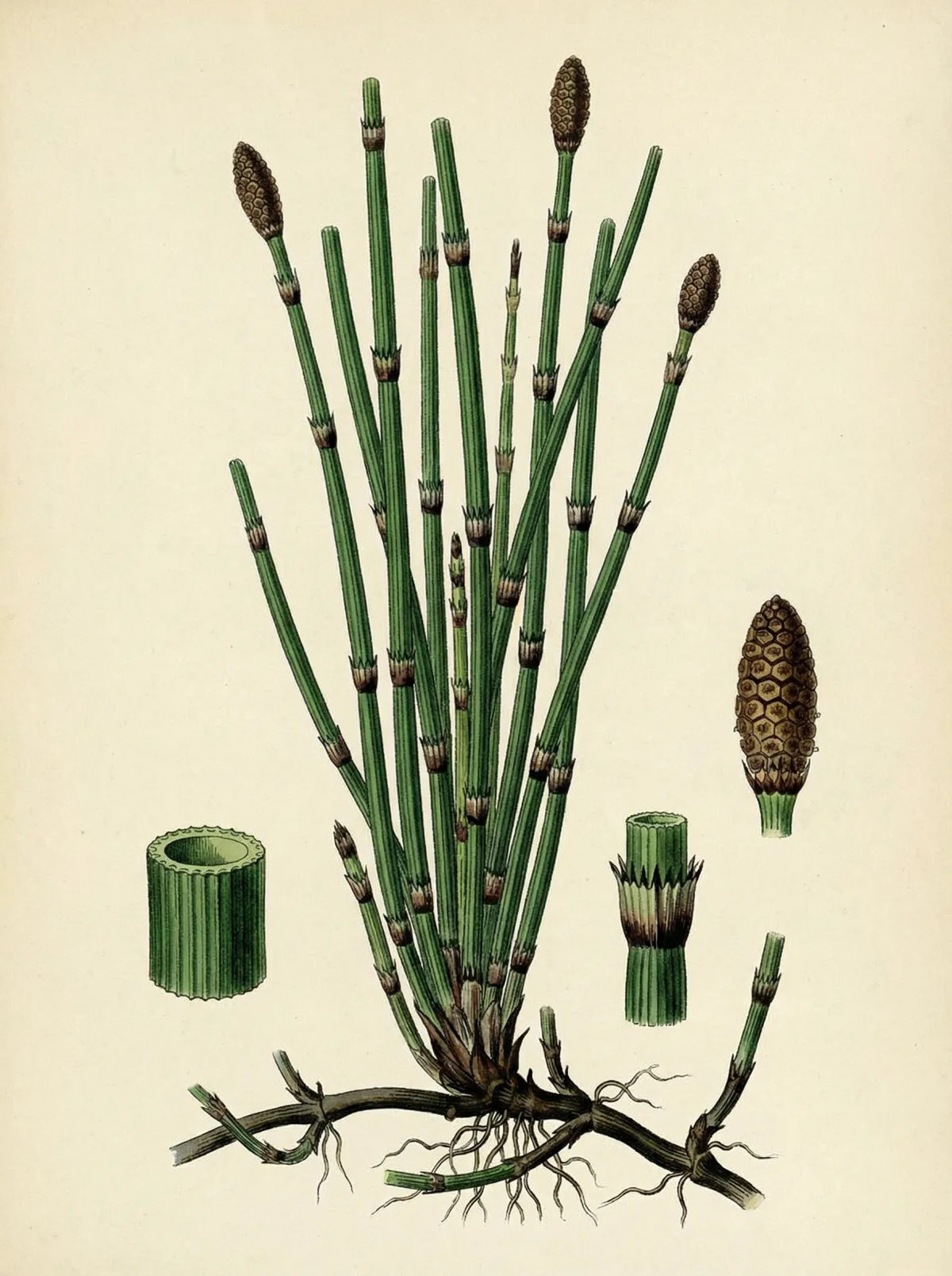
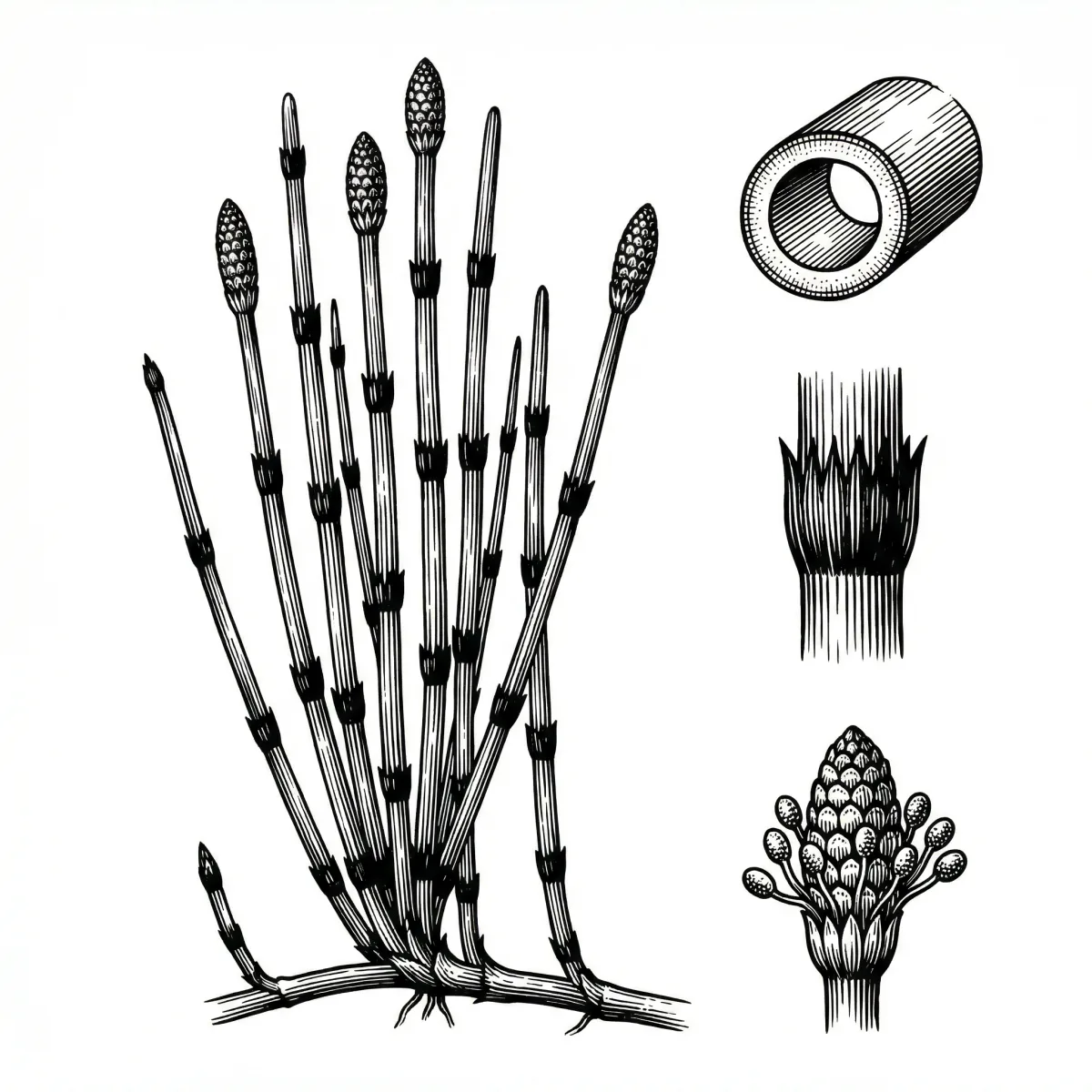
Mu Zei (Equisetum hiemale) is a living fossil—a horsetail without flowers or seeds that has existed virtually unchanged for over 300 million years. In TCM, the entire herb is used to clear wind-heat from the Liver meridian and to treat eye disorders.
Its high silica content also makes it interesting from a Western perspective: it strengthens connective tissue and the cornea. At the same time, its flavonoids alleviate redness and tearing—a rare convergence between traditional Chinese medicine (TCM) and modern phytochemistry.
Effect from a Western perspective
- High silicate content (similar to Equisetum arvense, but less thoroughly studied specifically for E. hiemale): Silicic acid strengthens collagen-dependent structures such as the cornea and connective tissue—a plausible mechanism of action that supports the TCM indication for eye opacities.
- Flavonoids and kaempferol glycosides: Evidence of antioxidant protection for eye tissue; in vitro, kaempferol derivatives exhibit anti-inflammatory effects on corneal epithelial cells.
- Inflammation inhibition: In animal studies, extracts from E. hiemale have been shown to inhibit inflammatory mediators in keratitis—however, the evidence is limited and has not yet been clinically validated.
- Diuretic effect: Confirmed in several studies on Equisetum species; supports the TCM indication for eliminating pathogenic dampness via the bladder.
- Antimicrobial Activity: Documented activity against Gram-positive bacteria and some fungi; clinical relevance for eye infections has not yet been established.
- Caution — Alkaloids (palustrine): Palustrin is found primarily in Equisetum palustre, where it is toxicologically significant; concentrations in E. hyemale are significantly lower, but long-term use in high doses is not recommended. Thiaminase activity (vitamin B1 degradation) is less pronounced in E. hyemale than in other species, but cannot be ruled out.
Effect from a TCM perspective
Mu Zei dispels wind-heat from the Liver meridian and clears the eyes. It is one of the most important herbs for treating superficial corneal opacities and redness of the eyes caused by rising Liver heat.- Dispels wind and heat and clears up cloudy vision
- Treats pterygium and superficial corneal opacities (cloudy cornea)
- Relieves redness, swelling, and excessive tearing caused by eye inflammation
- Clears blurred vision caused by wind and heat in the Liver Meridian
- Dispels rising liver heat from the eyes
- Helps the body eliminate moisture through the bladder
Application & dosage
In classical TCM, Mu Zei is primarily used as a decoction—the aqueous extraction optimally releases the water-soluble flavonoids and silicic acid compounds. The standard dose in a decoction is 3–10 g daily; for superficial eye complaints, the lower dose is often sufficient.
For external use—particularly eye rinses and compresses—a concentrated decoction is prepared and, after careful filtration, used to keep particles away from the sensitive mucous membrane of the eye. When in powder form (散, Sǎn), smaller amounts can be taken orally.
Dosage forms
- Decoction (boiled extract) — traditional preparation method; simmer 3–10 g in 600 ml of water for 20–30 minutes, reducing to 200–300 ml
- Granules — concentrated ready-to-use preparation; easy to dose, with the same effect as a decoction
- Eye wash / compress (external use) — filtered, cooled decoction for external use in cases of eye redness and conjunctivitis
- Powder (Sǎn) — dried, ground herb; 1–3 g per dose, taken with warm water
- Tea (light infusion version) — for mild eye discomfort; less concentrated than the decoction, primarily used as adjunctive therapy
Dosage
- Decoct: 3–10 g daily (traditional sources: 3–9 g; the modern pharmacopoeia allows up to 10 g)
- Granules: According to the manufacturer's instructions, usually 1.5–3 g daily (conversion factor ~1:5 relative to raw herb)
- Powder: 1–3 g per dose, 1–2 times a day
- External use (eye wash): Concentrated decoction made from 10–15 g in 300 ml, filtered and cooled to body temperature
Frequent combination partners
Mu Zei often does not reach its full potential until it is combined with other herbs
Combinations & formulas
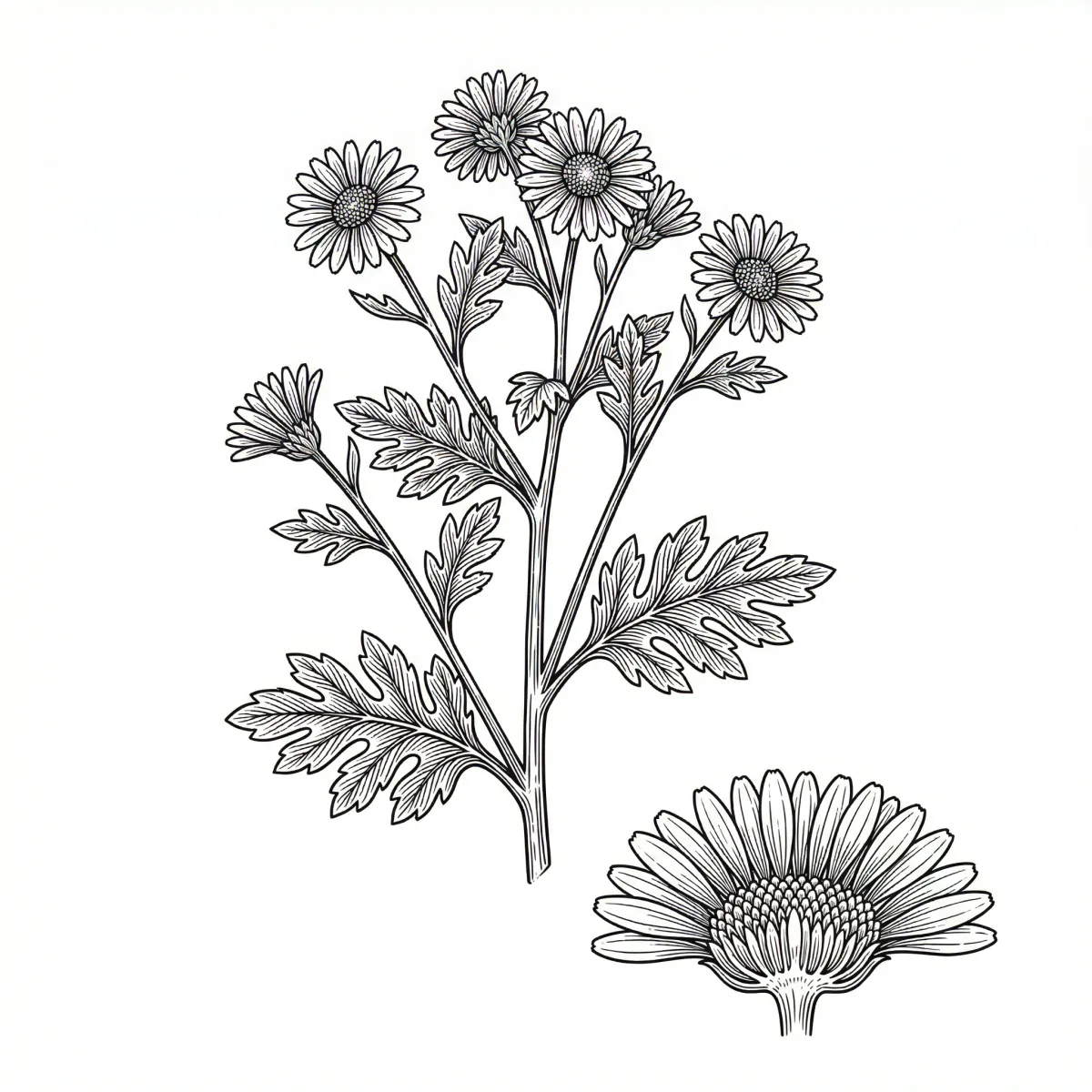
- Ju Hua (Chrysanthemum flower) — for red, watery eyes caused by wind and heat: Ju Hua also cools and clears the Liver meridian and enhances the eye-clearing effect.
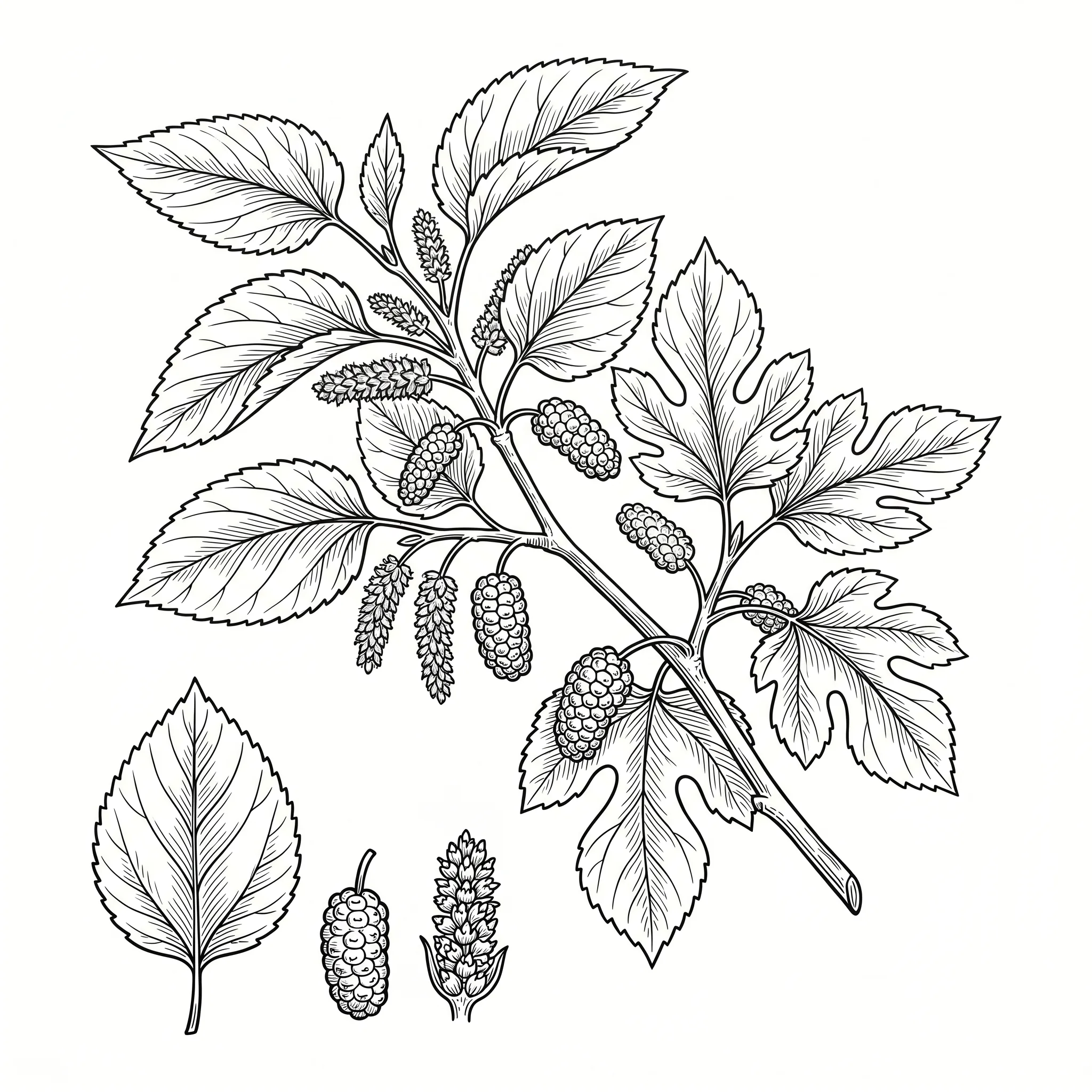
- Sang Ye (Mulberry leaf) — for burning eyes and sensitivity to light caused by wind-heat: Sang Ye dispels wind-heat from the Upper Burner and helps cool the eyes.
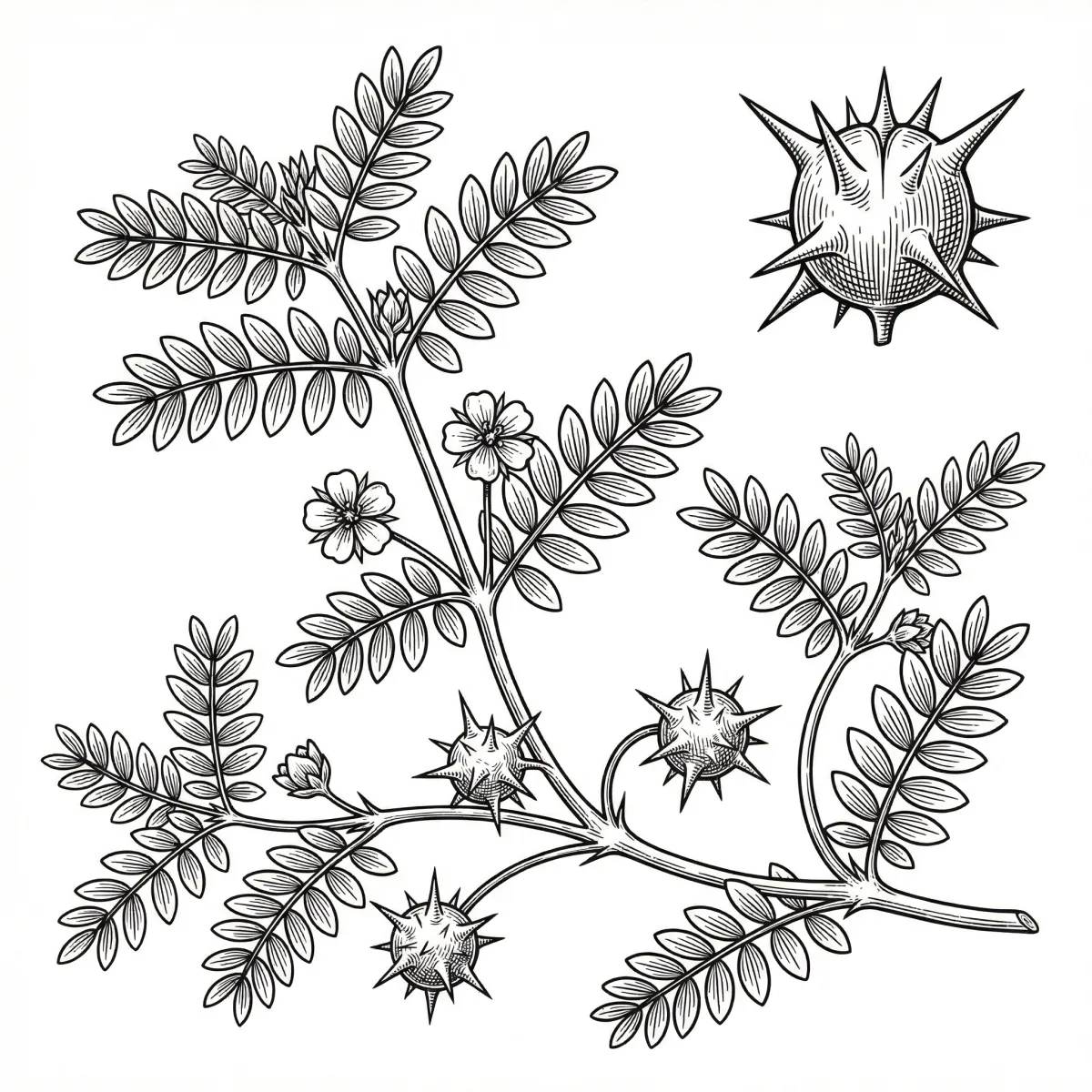
- Bai Ji Li (Field Speedwell fruits) — for blurred vision and corneal opacities: Bai Ji Li dispels liver wind and clears the vision while simultaneously promoting the rise of liver yang.
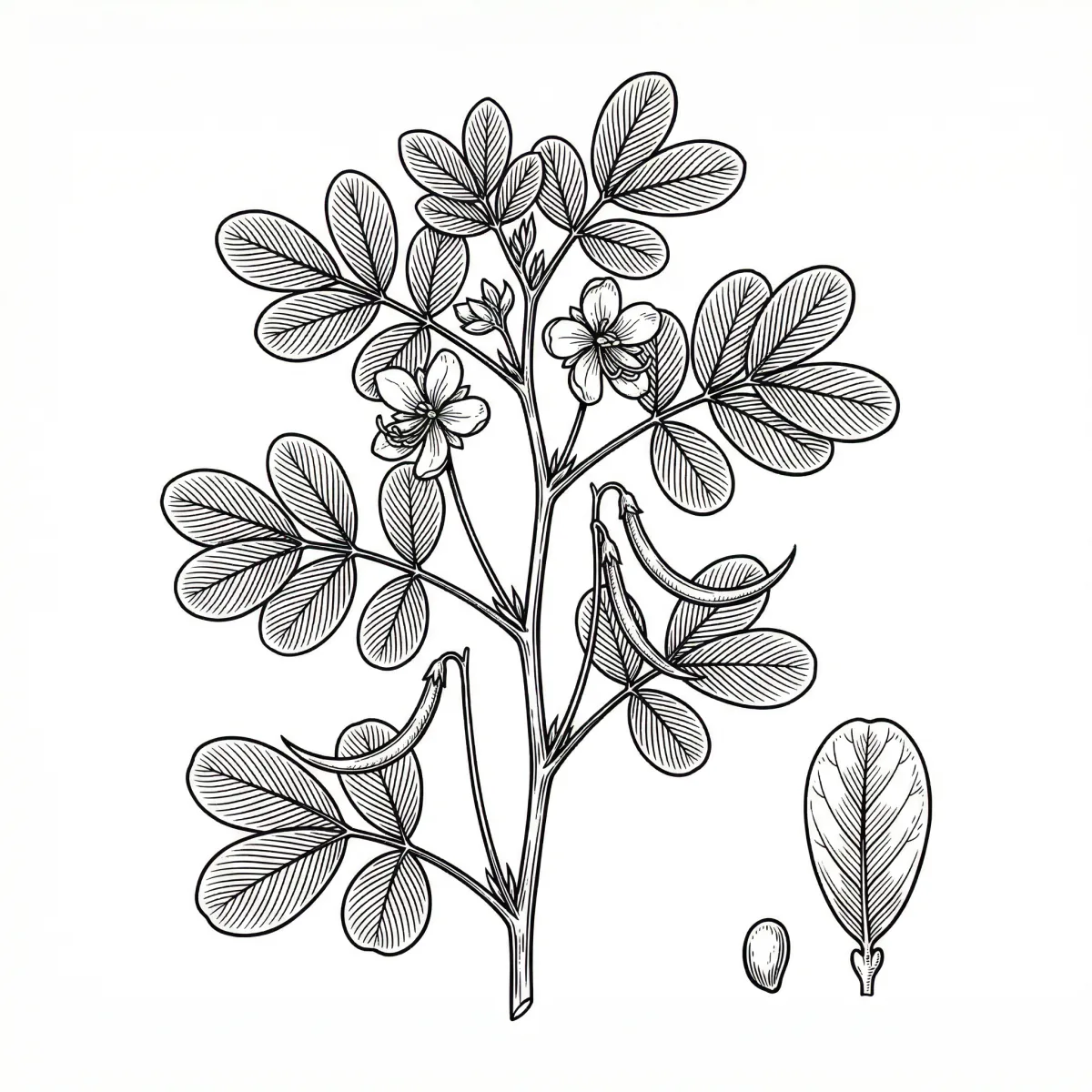
- Jue Ming Zi (Cassia seeds) — for chronically red eyes associated with liver heat and constipation: Jue Ming Zi nourishes the liver, calms the yang, and directs heat downward.
- Man Jing Zi (Keuschlamm–Fruits) — for headaches accompanied by eye discomfort caused by wind-heat: Man Jing Zi dispels wind-heat from the head and enhances the clearing effect on the eyes.
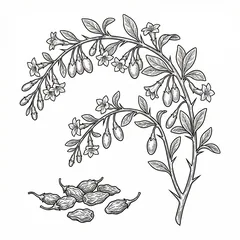
- Gou Qi Zi (Goji berry) — for Yin deficiency with blurred vision and a sensation of dryness in the eyes: Gou Qi Zi nourishes Liver Yin and balances the cooling effect of Mu Zei.
History & Tradition
Mu Zei — the Winter horsetail (Equisetum hiemale) — is one of the oldest vascular plants on Earth. The class Equisetopsida was already established over 300 million years ago in prehistoric times, when tree-sized relatives dominated the Carboniferous coal forests. What grows today as a delicate, knotty herb along the roadside is a living fossil—morphologically virtually unchanged since the Paleozoic Era. For ancient Chinese physicians, this consistency was no coincidence: a plant that survives for millions of years must possess a special inner strength.
In classical TCM literature, Mu Zei is primarily discussed in relation to the Liver meridian and the eyes. The Ben Cao Gang Mu Li Shizhen’s 16th-century *Bencao Gangmu* describes Mu Zei as a remedy for pterygium—those tissue growths on the cornea that cloud vision—as well as for redness, tearing, and sensitivity to light in the eyes. The plant was considered a „cleanser of the window of the eye,“ since in TCM the liver and the eyes form an inseparable pair: what harms the liver clouds the vision; what clears the liver restores the eyes’ radiance.
The Western name is particularly interesting: Horsetail or horsetail—named for its high silica content, which craftsmen used in the past to polish metal and sand wood. TCM practitioners understood this „sanding herb“ of the carpenters in exactly the same way: It “smooths away” the opacities of the cornea and restores clarity to the window of the eye. The parallel between Western folk medicine and the Eastern TCM tradition is unusually direct here—a rare testament to universal knowledge of plants across cultures.
In Japan, a related tradition of use is practiced under the name Tokusa (木賊), where horsetail grows as a sacred plant at temples and is used for purification rituals. In ancient China, Mu Zei was harvested in late summer, when the stems had reached their greatest strength and silica content—a rhythm that embodies the close connection between harvest time and medicinal efficacy in classical herbalism.
Contraindications & caution
Do not use in cases of Qi deficiency without signs of heat. Use with caution in cases of severe Yin deficiency, as Mu Zei has a drying effect and may further weaken existing Yin. Mu Zei is contraindicated in cases of blood deficiency with a sensation of dry eyes, blurred vision without signs of wind-heat, and impaired night vision—in these cases, the nourishing root is lacking, and a clearing herb would exacerbate the deficiency. For chronic eye conditions such as glaucoma, macular degeneration, or retinopathy, Mu Zei alone is not suitable—these conditions require nourishing and supportive therapies, not pure clearing. Pregnancy: Not recommended — there is insufficient safety data; use only after carefully weighing the benefits and risks and consulting with an experienced TCM practitioner. Renal insufficiency: Use with caution due to its diuretic effect and the potential for increased silica load in patients with impaired renal function; contraindicated in patients with advanced renal insufficiency. Thiaminase Note (Western): Equisetum hyemale has weaker thiaminase activity than, for example, E. arvense or E. palustre, but could theoretically affect vitamin B1 levels with long-term use or at high doses. If relevant risk factors are present (malnutrition, alcohol dependence), ensure an adequate intake of vitamin B1. Drug Interactions: May increase the effects of diuretic medications; consult a doctor if taking diuretics, lithium, or cardiac glycosides at the same time.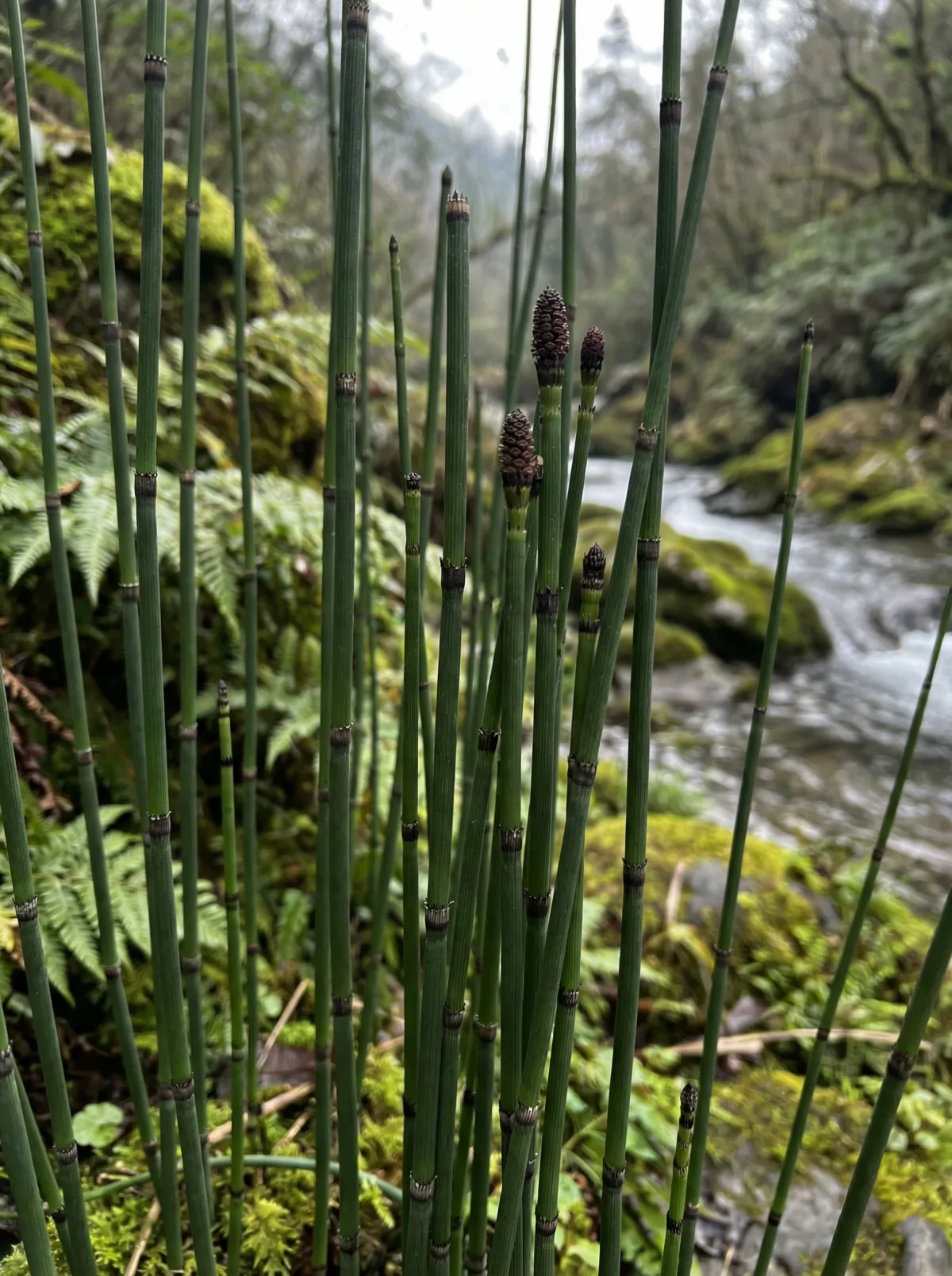
Botany
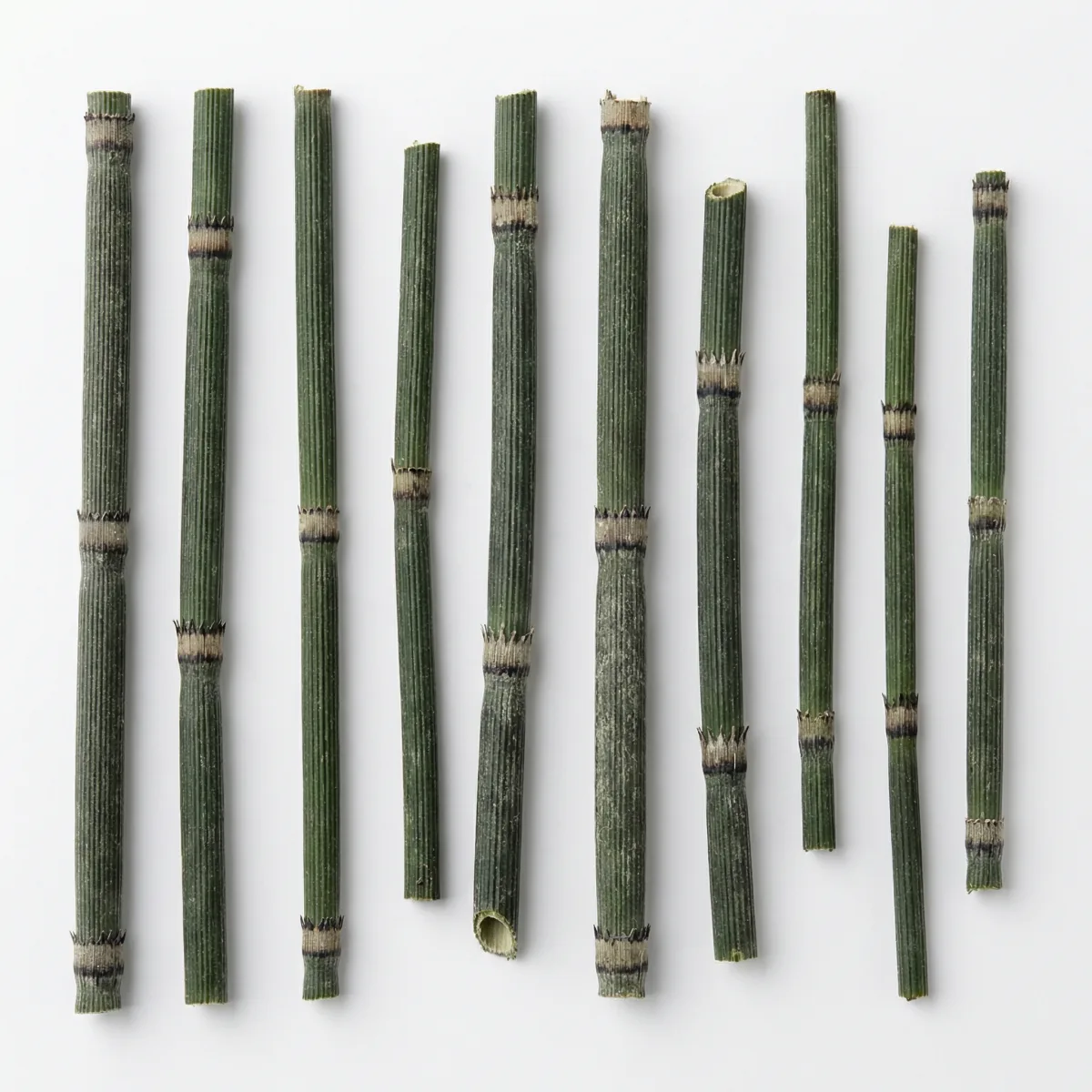
Equisetum hiemale (winter horsetail) belongs to the family Equisetaceae—an ancient lineage of plants that is the only surviving representative of the class Equisetopsida to this day. Unlike other horsetails, E. hiemale is evergreen: Its upright, unbranched stems, with their characteristic black nodes and prominent silica ribs, remain intact throughout the year and reach heights of 50–120 cm. The surface feels rough and sandpaper-like due to embedded silicate crystals—hence the old artisanal name „Scheuerkraut.“.
Reproduction occurs exclusively through vegetative means and via spores: In the spring, a fertile spore cone (strobilus) forms at the tip of the stem, which dries up once the spores have matured. True flowers and seeds are completely absent—a characteristic that identifies E. hiemale as a relative of the Devonian primitive plants. The dense, extensive rhizome system allows the plant to colonize moist, nutrient-poor sites and makes it highly resistant to disturbances.
Occurrence
- Temperate zones of the Northern Hemisphere — distributed throughout the Circumboreal region
- Europe: moist forests, stream banks, alder swamps; especially in Northern and Central Europe
- East Asia: China (the preferred region for harvesting this TCM herb), Japan (Tokusa), Korea
- North America: Riverbanks and wetlands from Canada to the southern United States
- Prefers shady, humus-rich, consistently moist sites with sandy-gravelly soil
- Collected in China, primarily in the provinces of Liaoning, Jilin, Hebei, and Shandong
Harvest time
- Can be harvested year-round — E. hiemale is evergreen and remains photosynthetically active even in winter; the stems retain their concentration of active compounds throughout the year
- Preferred harvest season: Summer (June–August) — At this stage, the silica content and flavonoid concentration are at their highest; the stems are firm and fully developed
- All above-ground parts — The upright, green stems are harvested; the underground rhizomes remain in the ground for vegetative regeneration
- Harvest Before Spore Formation — Harvesting before or during strobilus formation (spore cone) yields higher-quality material for medicinal purposes
Processing
The processing of Mu Zei follows traditional TCM drying principles: The goal is to preserve the silica structures and heat-sensitive flavonoids while reducing the moisture content to less than 12 %. For topical eye preparations, additional purification steps are essential to eliminate particles and microbial contamination.
- Standard drying (raw drug)
- Cut the stem just above the ground — leave the rhizome intact
- Wash thoroughly under clean running water; remove dirt and debris
- Bundle and dry in the shade (not in direct sunlight—this prevents flavonoid degradation); at 35–45 °C
- Dry to a residual moisture content of <12 %; the finished drug is stiff and breaks cleanly
- Store in airtight containers in a cool, dry place
- Preparation of an Eye Solution (Decoction for Eye Irrigation)
- Add 10–15 g of dried Mu Zei to 300–400 ml of water
- Simmer for 20–30 minutes (do not let it boil vigorously)
- Double filtration: first through a fine sieve, then through sterile gauze or a coffee filter—remove all particles!
- Allow to cool to body temperature (36–37 °C) before use
- Consume within 24 hours; do not store
Related herbs
Herbs with similar effects and related areas of application
Comparable western herbs
- Eyebright (Euphrasia officinalis) — The classic European eyebright. Similar to Mu Zei in cases of wind-heat, eyebright has anti-inflammatory and astringent effects on eye tissue; it has been used in folk medicine for centuries to treat red, watery, and irritated eyes. Astringent tannins and aucubin are its main active ingredients; initial clinical evidence suggests efficacy in treating allergic conjunctivitis.
- Cornflower (Centaurea cyanus) — Traditionally used as an eye wash for conjunctivitis and eye strain. The flower extracts contain anti-inflammatory flavonoids and anthocyanins that can protect the capillaries in the eyes. In Central European folk medicine, it is a direct counterpart to Mu Zei’s clarifying and cooling effect.
- Bilberry (Vaccinium myrtillus) — Rich in anthocyanins, which improve microcirculation in the retina and cornea; well-documented for supporting visual acuity and dark adaptation. Serves as a Western counterpart to Mu Zei in cases where eye symptoms are to be treated by improving blood circulation—complements Mu Zei’s dispersing effect.
- Marigold (Calendula officinalis) — Anti-inflammatory and antibacterial for eye irritation and superficial inflammation; used as an eye compress or rinsing solution. It shares with Mu Zei the clarifying and anti-inflammatory properties for external eye conditions, but has a more warming and drying effect and is less focused on wind-heat patterns.