







Fu Shen — Poria Spirit Core
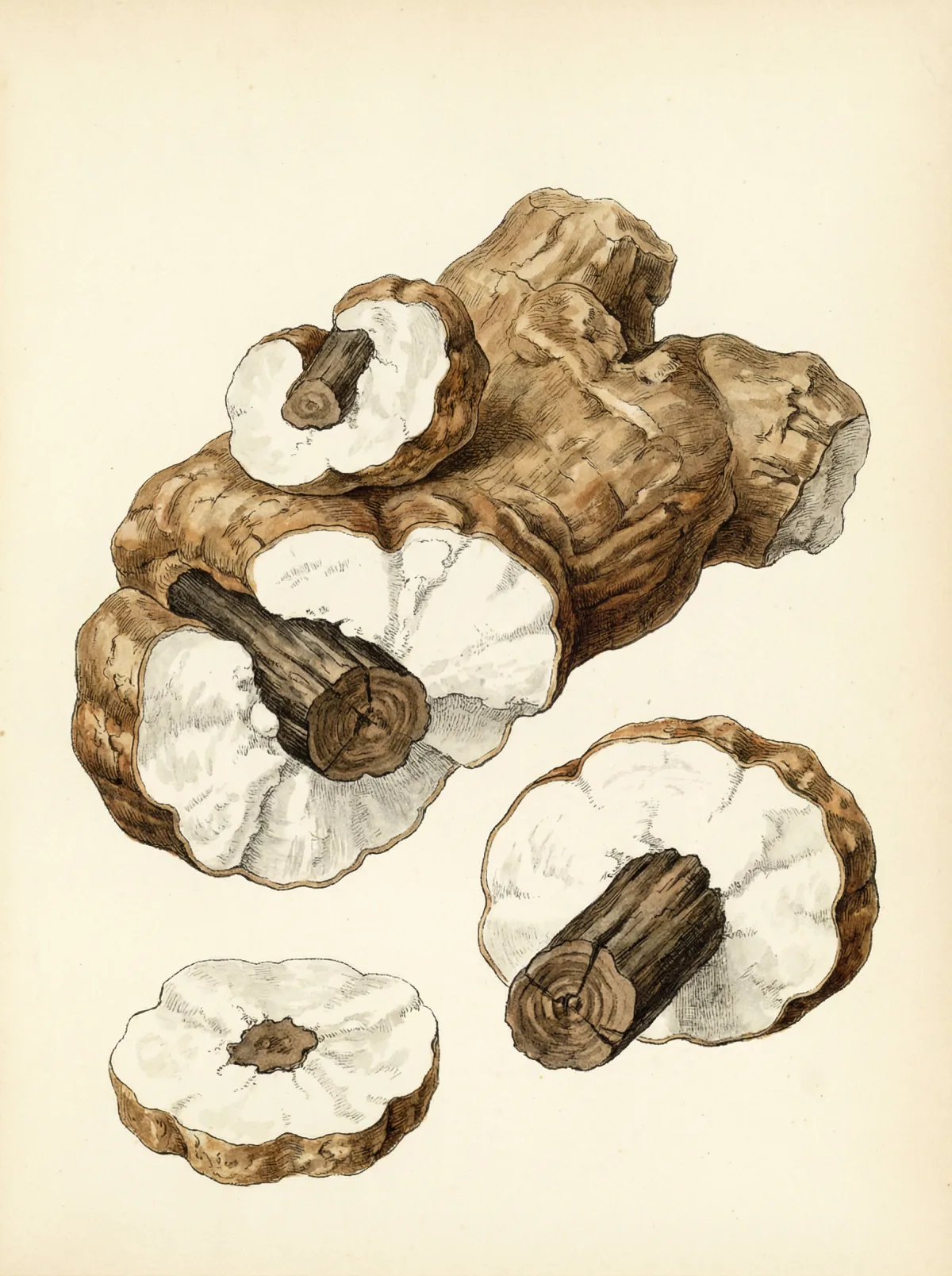
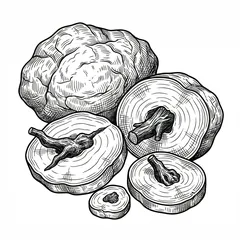
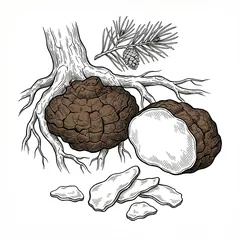
Fu Shen—the inner part of the Poria fungus that surrounds the pine root—is one of the gentlest calming herbs in TCM. While Fu Ling (the outer part of the same fungus) primarily drains dampness, Fu Shen has a particular affinity to the heart.
It belongs to the highest category of the *Shén Nóng Běn Cǎo Jīng* and is considered safe for long-term use. Its name—literally „Spirit–Poria“ — already reveals its main effect: to calm the spirit (Shen) and nourish the heart.
Effect from a TCM perspective
Fu Shen calms the heart and stabilizes the mind (Shen). It strengthens heart qi while gently dispelling dampness—a combination that makes it particularly valuable for treating restlessness associated with dampness.
- Calms the heart and stabilizes the mind (Ān Shén) in cases of restless sleep and restlessness of the Shen
- Strengthens the heart qi and soothes heart palpitations caused by qi and blood deficiency
- Gently removes moisture, which clouds the mind — in cases of drowsiness and difficulty concentrating
- Nourishes the heart and blood indirectly through strengthening the spleen
- A Special Affinity for the Heart — has a stronger Shen-calming effect than Fu Ling
Application & dosage
Fu Shen is usually prepared as a decoction. The standard dose is 9–15 g; in cases of severe Shen restlessness, the dose may be increased to up to 30 g. The enclosed pine root wood (Fu Shen Mu) is sometimes used separately as an additional sedative.
Because Fu Shen is mild and safe, it is also suitable for long-term use in cases of persistent Shen restlessness. It can be effectively combined with other calming herbs without increasing daytime drowsiness.
Dosage forms
- Decoction (boil for 15–20 minutes) — Standard Preparation
- Granules — 2–4 g daily
- Tablets — as an ingredient in ready-to-use preparations that strengthen the spleen and heart and nourish the blood
- Powder — 2–3 g per dose, taken in the evening with warm water
Dosage
- Decoct: 9–15 g (standard)
- In cases of severe agitation of the Shen: up to 30 g
- Granules: 2–4 g daily
- Powder: 2–3 g per dose
Frequent combination partners
Fu Shen often does not reach its full effectiveness until it is combined with other herbs
History & Tradition
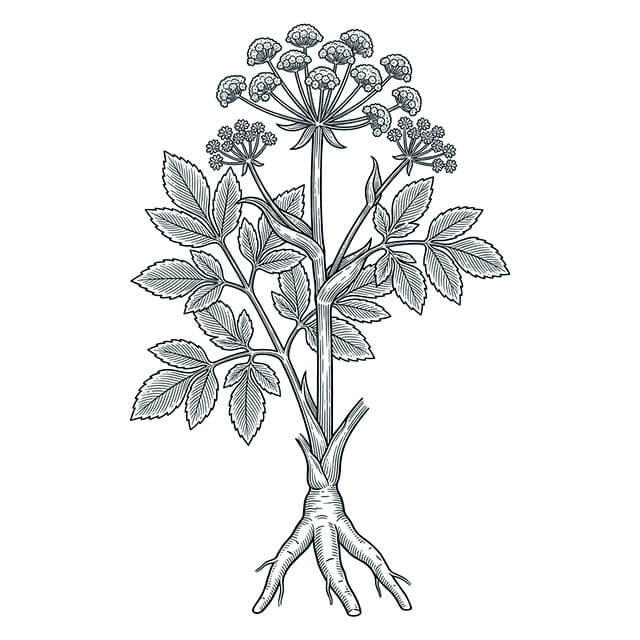
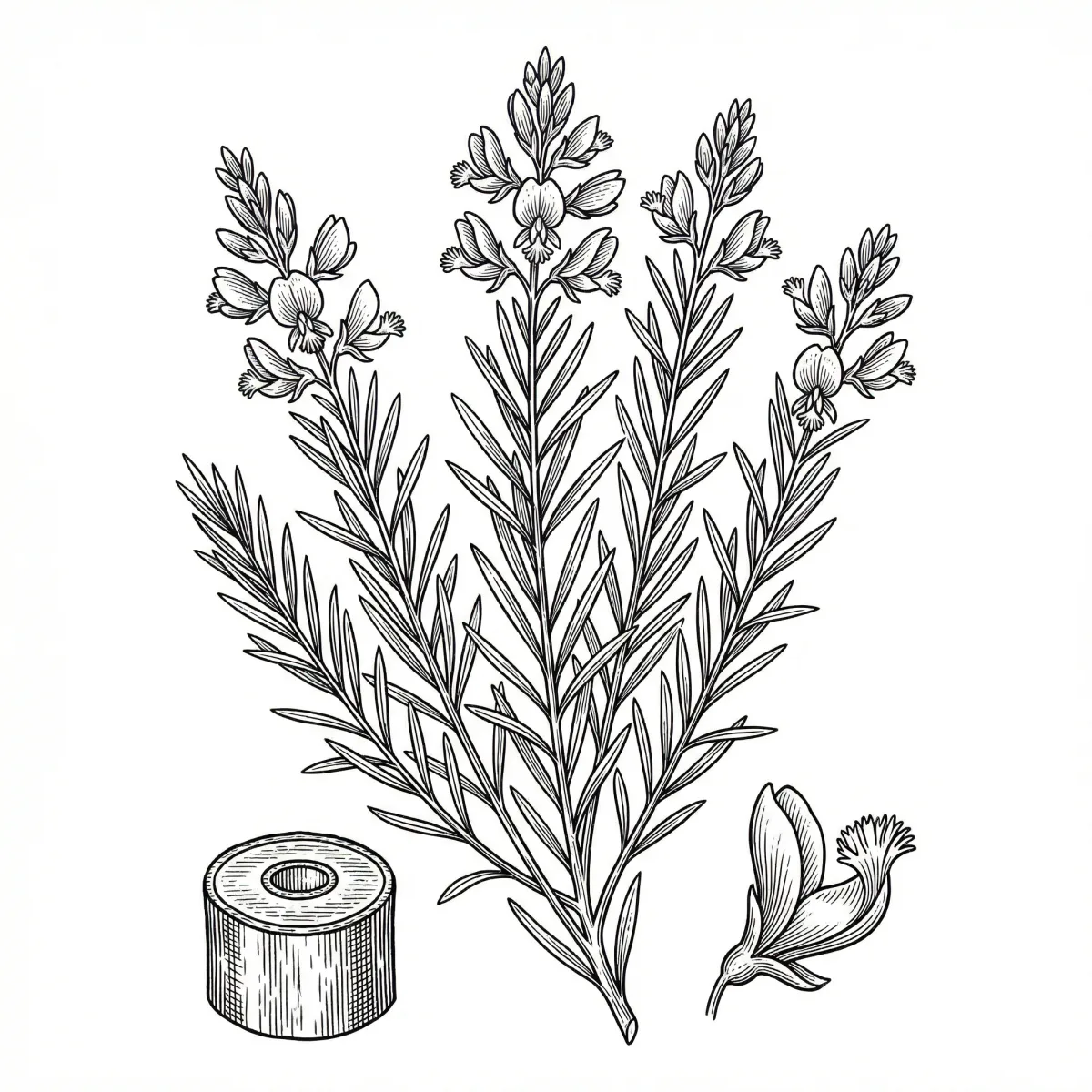
Fu Shen has been Han Dynasty (ca. 200 CE) in Chinese medicine. In the *Shén Nóng Běn Cǎo Jīng*, it is described as a variant of Fu Ling that specifically calms the mind and strengthens the heart—a distinction based on the careful observation of different therapeutic profiles within the same organism.
Li Shizhen The *Běn Cǎo Gāng Mù* (1578) clearly distinguishes between Fu Ling and Fu Shen: While Fu Ling strengthens the spleen and expels dampness, Fu Shen calms the heart-shen and promotes restful sleep. He wrote: „Fu Shen envelops the pine root, thereby absorbing the calming power of the pine wood.“
This idea—that proximity to the pine root gives the fungus a special Mind-calming quality — is a fascinating example of the TCM concept of the location-effect relationship. In Chinese culture, the jaw symbolizes longevity, steadfastness, and inner peace.
In the classic formula, which strengthens both the spleen and the heart, Fu Shen plays a central role as Heart Calmer in cases of Shen restlessness caused by blood and qi deficiency—a treatment that continues to be used unchanged in TCM practice to this day.
Contraindications & caution
No significant contraindications are known—Fu Shen is considered very safe and well tolerated.
- Be careful with severe dryness with yin deficiency, since it has a mild diuretic effect.
- When taken at the same time as Sleeping pills or sedatives (benzodiazepines, Z-drugs) It is recommended to consult a physician to avoid additive sedative effects.
Botany
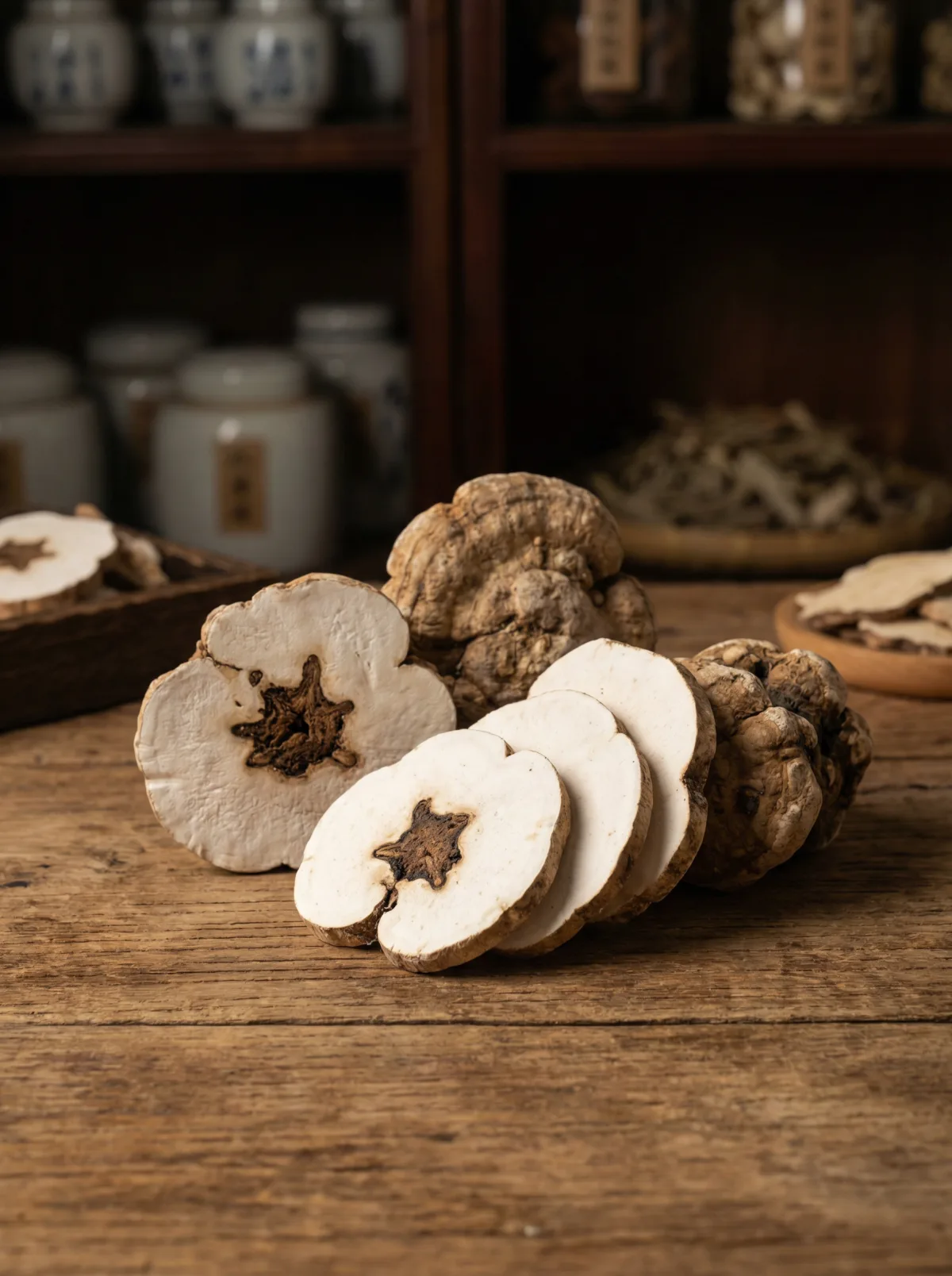
Fu Shen comes from the same organism as Fu Ling—the mushroom Wolfiporia extensa (syn. Poria cocos), which grows underground on pine roots. The difference lies in where it is harvested: Fu Shen is the part of the sclerotium that directly surrounds the pine root and encloses a piece of root wood.
This enclosed piece of wood—Fu Shen Mu—is sometimes used on its own and is considered standalone TCM drug with a particularly strong Shen-calming effect. The color of the Fu Shen tissue is usually slightly darker than the white core (Bai Fu Ling), as it is influenced by the pine root.
Occurrence
- The provinces of Yunnan, Anhui, Hubei, and Fujian in China — same locations as Fu Ling
- Mostly cultivated in pine plantations (Pinus massoniana)
- Per Pine Root Complex only a small amount of Fu Shen—less common than Fu Ling
- Found in the wild in pine forests at elevations of 600–1,000 meters
Harvest time
- Available year-round — predominantly cultivated
- Harvest together with Fu Ling — then careful separation the various mushroom components
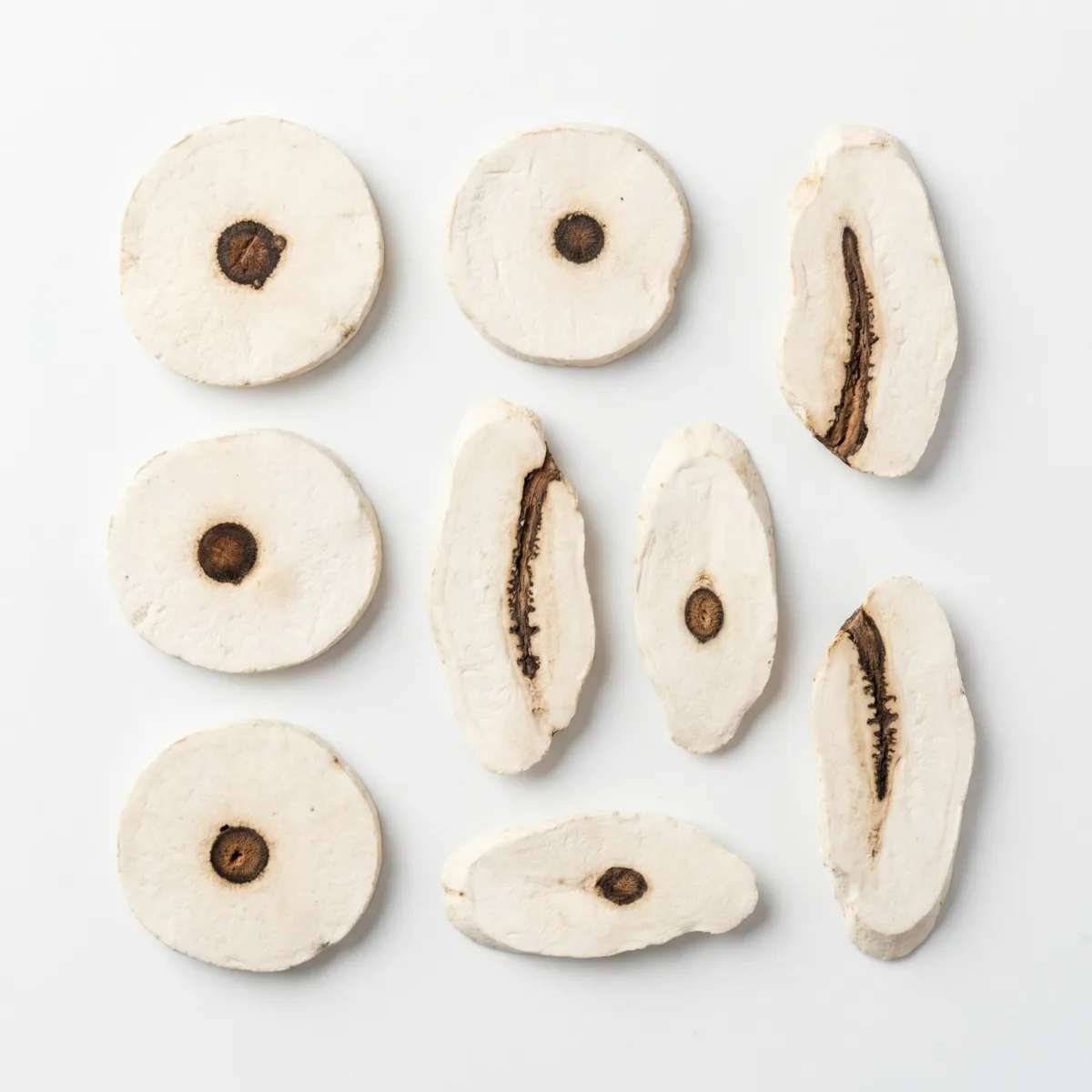
- Fu Shen is identified by the included pine root in the center
Processing
Processing Fu Shen requires careful separation from the outer Fu Ling tissue. The pine root core remains enclosed within the fungal tissue.
- Dried Fu Shen
- Sclerotium dug up and cleaned of soil
- Remove the outer layer of Fu Ling and the Fu Ling Pi
- Slice the core section, including the pine root, into slices
- Air-dry or dry at a low temperature
- Fu Shen Mu
The enclosed piece of pine wood is sometimes extracted separately and dried as a standalone medicinal substance.
Related herbs
Herbs with similar effects and related areas of application