







Fu Xiao Mai - Light wheat
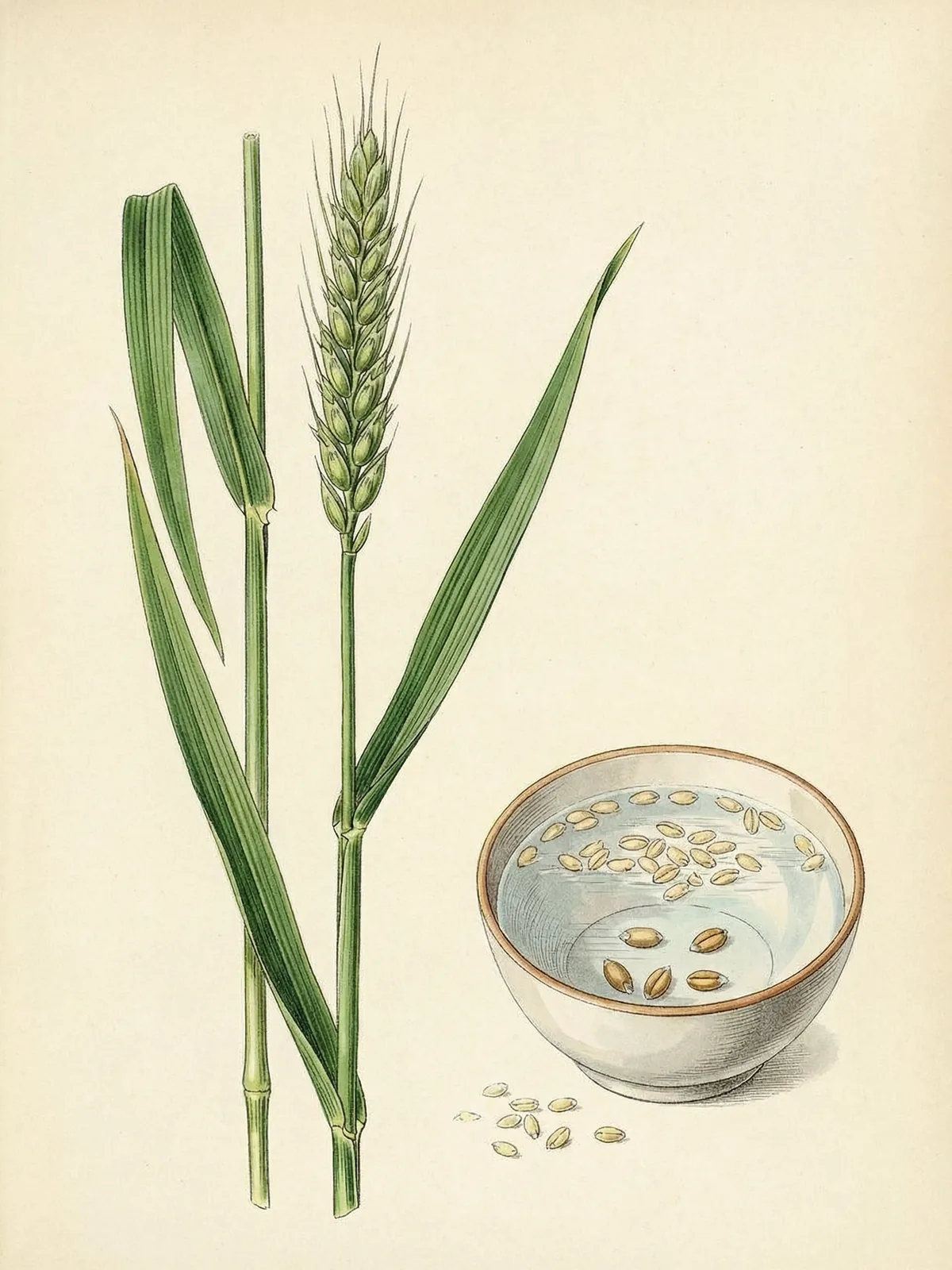
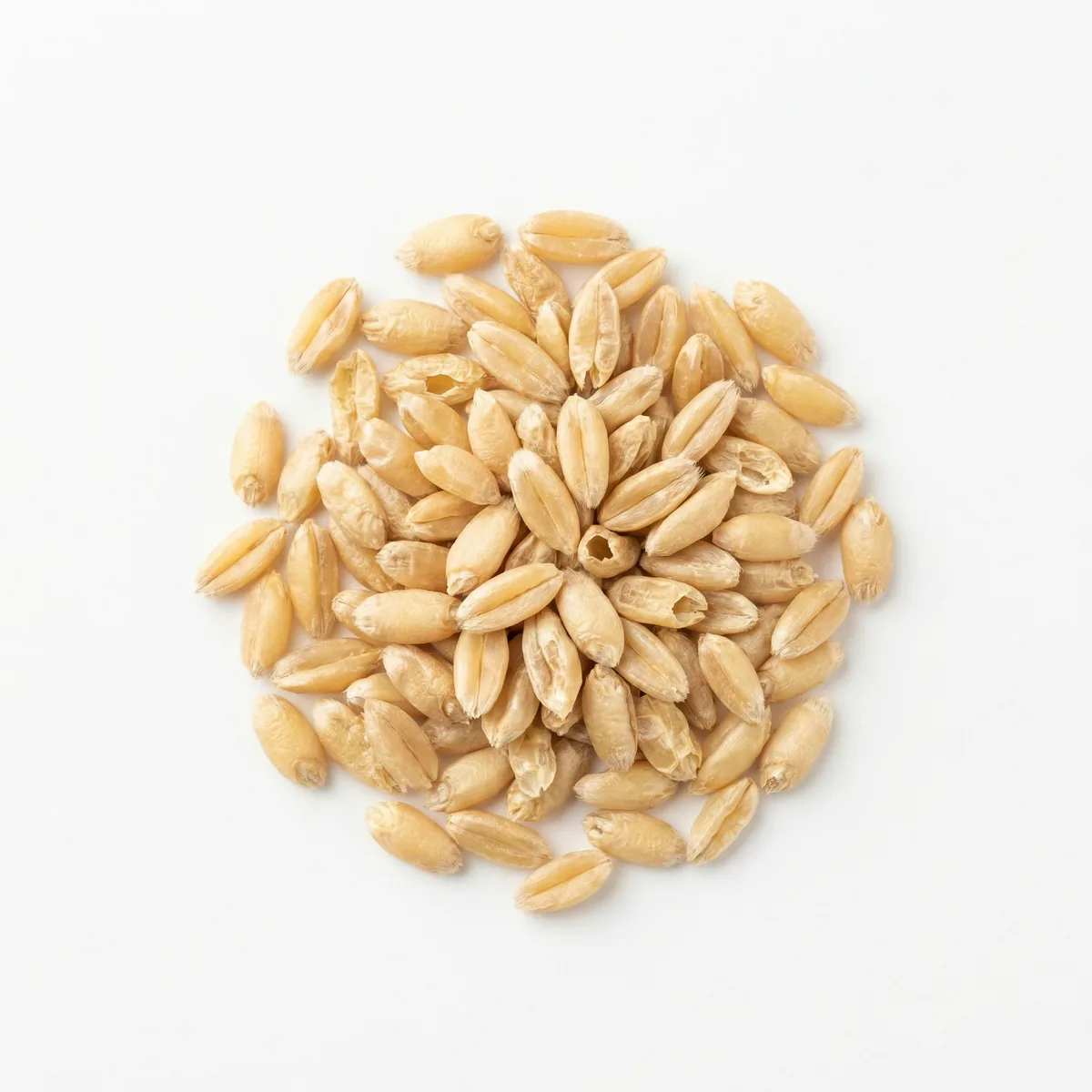
Fu Xiao Mai — der leichte, schwimmende Weizen — besteht aus unreifen oder leichten Weizenkörnern, die auf Wasser schwimmen. Gerade diese scheinbar minderwertigen Körner besitzen eine besondere Wirkung: Sie stabilisieren die Oberfläche und stoppen übermäßiges Schwitzen.
In der TCM gilt Fu Xiao Mai als das wichtigste Kraut gegen Nachtschweiß und spontanes Schwitzen. In einer klassischen Rezeptur wird es zusammen mit Gan Cao und Da Zao bei emotionaler Labilität und dem sogenannten Zangzao–Syndrom eingesetzt.
Effect from a TCM perspective
Fu Xiao Mai stabilizes the surface and inhibits sweating. It nourishes the heart qi and calms the mind - which is why it is used for palpitations, restlessness and emotional instability.
- Stabilisiert die Oberfläche und stoppt Nachtschweiß bei Yin–Mangel
- Hemmt spontanes Schwitzen bei Qi–Mangel und Wei–Qi–Schwäche
- Nährt das Herz–Qi und beruhigt den Geist bei Herzklopfen und Unruhe
- Harmonisiert das Zangzao–Muster mit unkontrolliertem Weinen und rastlosem Shén in der klassischen Rezeptur gegen dieses Muster
- Kühlt aufsteigende Hitze in den Wechseljahren und stoppt begleitenden Nachtschweiß
Application & dosage
Fu Xiao Mai wird in relativ hoher Dosis als Dekokt eingesetzt — die Standarddosis liegt bei 15-30 g. In der klassischen Rezeptur zur Beruhigung des Shen kann die Dosis sogar auf bis zu 60 g erhöht werden. Die milde, nahrungsmittelartige Natur erlaubt diese hohen Dosierungen.
Als Tee oder in Kongee (Reisbrei) kann Fu Xiao Mai auch als Nahrungsmittel bei leichter Unruhe des Shen eingesetzt werden. Die regelmäßige Einnahme über mehrere Wochen ist bei lang anhaltendem Nachtschweiß empfohlen.
Dosage forms
- Dekokt (20–30 Min. kochen) — Standardzubereitung, längere Kochzeit nötig
- Tea — Weizenkörner mit heißem Wasser aufgießen
- Kongee — Fu Xiao Mai in Reisbrei gekocht als Bestandteil der TCM–Ernährungslehre
- Klassische Kombinationsrezeptur, die Herz–Yin nährt und den Shen beruhigt — als Granulat erhältlich
Dosage
- Decoct: 15–30 g (Standard)
- In der klassischen Rezeptur zur Beruhigung des Shen: bis 60 g
- Als Tee oder Kongee: 10–20 g
Frequent combination partners
Fu Xiao Mai often only develops its full effect in combination with other herbs
History & Tradition
Fu Xiao Mai erscheint erstmals im Běn Cǎo Huì Yán als eigenständiges Mittel, obwohl Weizenprodukte schon in früheren Texten medizinisch eingesetzt wurden. Der Name „schwimmender Weizen“ (浮小麦) beschreibt das Auswahlverfahren: Weizenkörner werden in Wasser gegeben, und nur die schwimmenden (leichten, unreifen) Körner werden als Kraut verwendet.
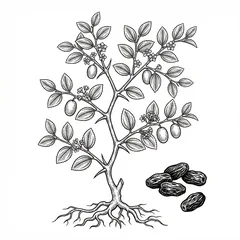
Die berühmteste Rezeptur mit Fu Xiao Mai stammt von Zhang Zhongjing aus dem Jīn Guì Yào Lüè (ca. 200 n. Chr.). Diese elegante Dreierformel aus Weizen, Süßholz und Jujuben wird bei dem sogenannten Zangzao–Syndrom eingesetzt — einem Zustand emotionaler Instabilität mit unkontrolliertem Weinen, Stimmungsschwankungen und Hysterie.
It is worth noting that Zhang Zhongjing's original recipe Xiao Mai (normalen Weizen) verwendete — die spätere Tradition bevorzugt Fu Xiao Mai (den leichten Weizen) wegen seiner stärkeren schweißhemmenden Wirkung. Diese Differenzierung zeigt, wie sich die Materia Medica der TCM über die Jahrhunderte verfeinert hat.
In der modernen TCM–Praxis wird diese Rezeptur bei Unruhe des Shen und Herz–Yin–Mangel in den Menopause erfolgreich eingesetzt — eine erstaunliche Aktualität für eine 1800 Jahre alte Formel.
Contraindications & caution
Fu Xiao Mai has a very mild effect profile and is considered largely harmless. It is one of the safest herbs in TCM.
- Be careful with Glutenunverträglichkeit (Zöliakie) oder Weizenallergie — Weizenkörner enthalten Gluten.
- Nicht als alleiniges Mittel bei schwerem Yin deficiency — hier muss das Yin direkt genährt werden (z. B. mit Shu Di Huang oder Mai Dong).
Botany
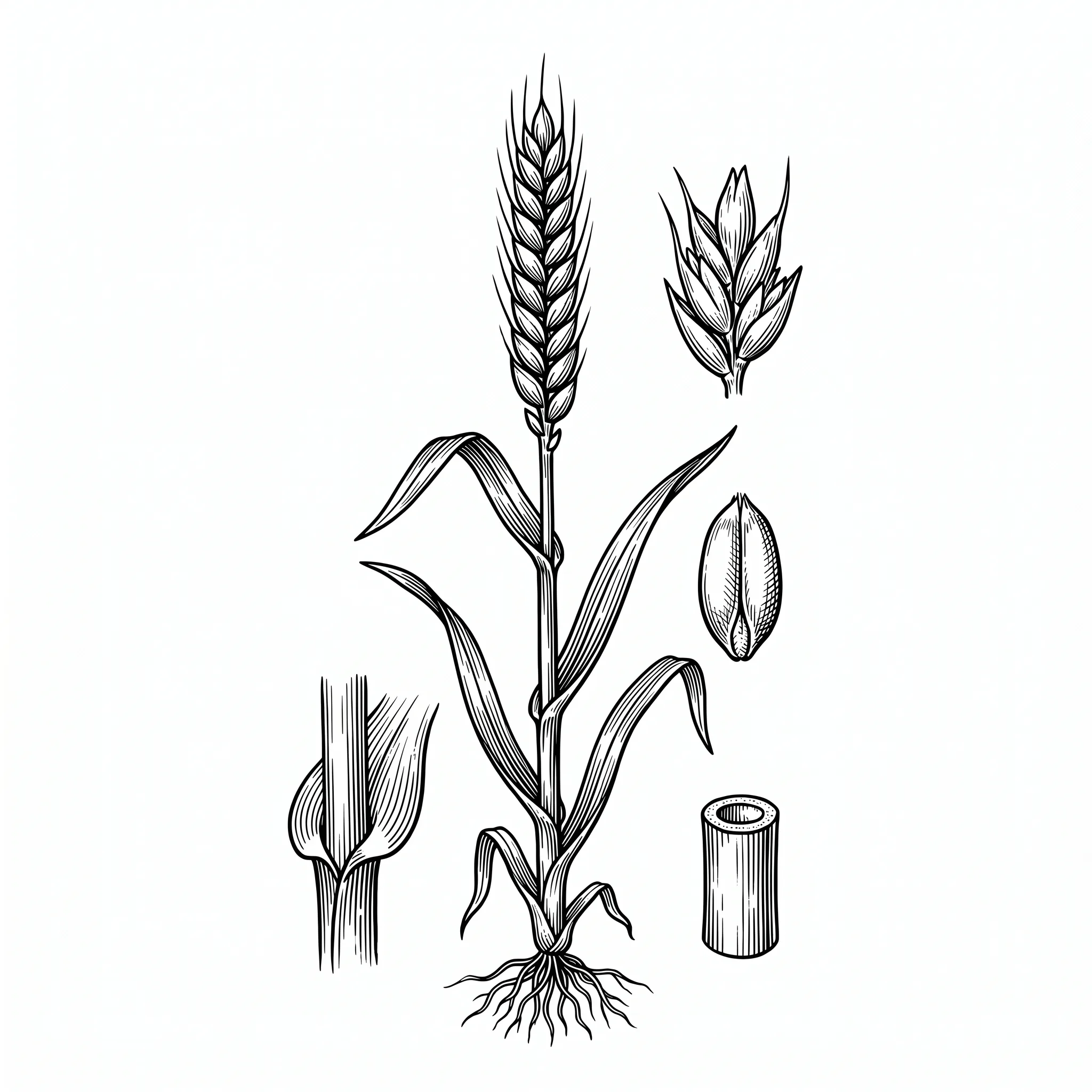
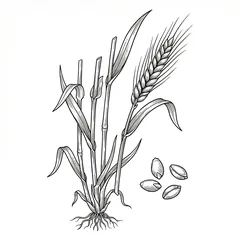
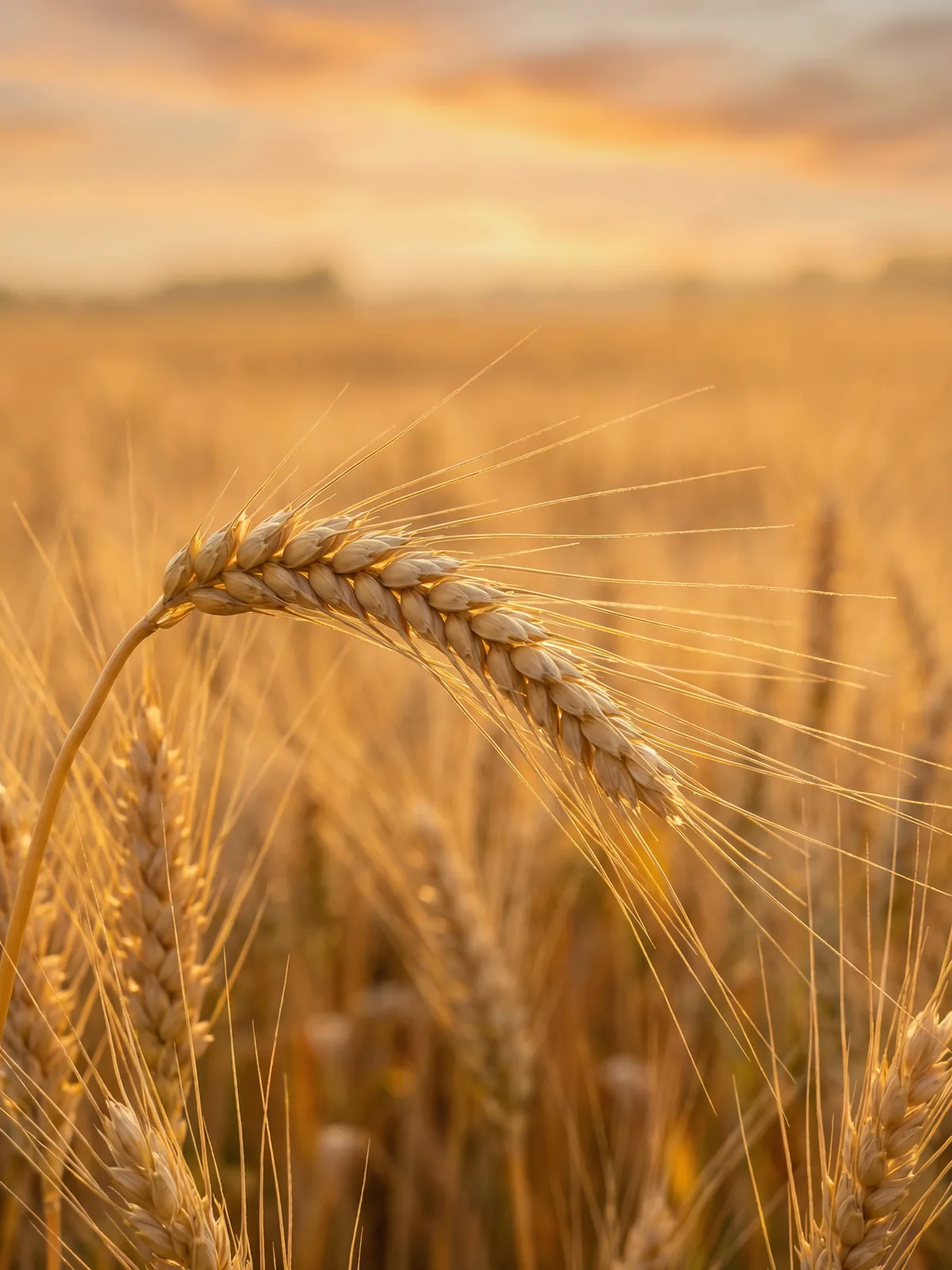
Triticum aestivum L. ist eine einjährige Graspflanze aus der Familie der Süßgräser (Poaceae) und die weltweit wichtigste Getreideart. Die Pflanze wird 60–120 cm hoch und bildet aufrechte Halme mit linearen Blättern. Die Ähren tragen 3–5 Blütchen pro Ährchen.
Für die medizinische Verwendung werden nur die leichten, unreifen Körner ausgewählt — das sogenannte „Floating method“: Weizenkörner werden in Wasser gegeben, und nur die schwimmenden Körner (mit geringerer Stärkedichte) werden getrocknet und als Fu Xiao Mai verwendet. Diese Körner enthalten relativ mehr Protein und Aminosäuren als die schweren, stärkereichen Körner.
Occurrence
- Cultivated worldwide - one of the most important crops of mankind
- Main growing areas in China: Héběi, Hénán, Shāndōng and Ānhuī
- Prefers temperate climate with sufficient precipitation
- Winter and spring wheat varieties available
- Fu Xiao Mai is obtained as a by-product of the normal wheat harvest
Harvest time
- Harvest in early summer (June to July) - together with the normal wheat harvest
- After threshing, the grains are placed in water - floating grains are skimmed off
- The floating (light) grains are dried and used as Fu Xiao Mai
- Winter wheat is harvested in June, spring wheat in July
Processing
The processing of Fu Xiao Mai is very simple - choosing the right grains is the crucial step.
- Floating method
- Place the threshed wheat grains in a basin of water
- Skim off floating (light) grains with a sieve
- Dry in the sun or at a low temperature
- Store in a dry and airy place - protect from moisture and pests
- Quality features
Good produce consists of evenly dried, light grains with intact shells. The grains should float when immersed in water again.
Related herbs
Herbs with similar effects and related areas of application