






Hou Tou Jun — Prickly Barrel
Hou Tou Jun—also known as lion’s mane—is an extraordinary medicinal mushroom that, in TCM, strengthens the spleen and stomach and calms the shen. With its sweet, neutral nature, it is gentle enough for long-term use and belongs to the highest class of TCM remedies.
Western science has identified two unique groups of active compounds in it: Hericenone from the fruiting body and Erinacine from the mycelium—both stimulate the synthesis of the nerve growth factor NGF, bringing this wild mushroom into the spotlight of neuroscience.
Effect from a Western perspective
- NGF stimulation via hericenone and erinacine: Hericenone (from the fruiting body) and erinacine (from the mycelium) are unique diterpenes that have been shown to stimulate the synthesis of nerve growth factor (NGF)—a mechanism that is crucial for the regeneration and growth of nerve cells.
- Cognition in mild cognitive impairment (MCI): A double-blind, placebo-controlled study (Mori et al., 2009) showed significant improvements in cognitive test scores after 16 weeks in adults with mild cognitive impairment—a promising, though still preliminary, finding.
- Nerve regeneration: In cell culture and animal models, erinacine accelerated remyelination and promoted the regeneration of peripheral nerves following injury; clinical studies in humans have yet to be conducted.
- Gut Health & Gastroprotection: Beta-glucans and polysaccharides have an immunomodulatory effect on the intestinal mucosa; animal studies have demonstrated gastroprotective effects in experimental gastritis and ulcer models—consistent with their traditional use in TCM.
- Anti-inflammatory effects: In cell models, the extracts inhibited the release of proinflammatory cytokines (TNF–α, IL–6); their clinical relevance in humans has not yet been conclusively demonstrated.
- Antioxidant effect: Evidence of free radical-scavenging effects from phenolic compounds; classification: preclinical data, no evidence of clinical efficacy in humans.
Effect from a TCM perspective
Hou Tou Jun tonifies the middle jiao, strengthens the spleen and stomach, and calms the shen—a rare mushroom that nourishes both body and mind.- Strengthens the spleen and nourishes the stomach in cases of Qi deficiency in the Middle Burner
- Supports the spleen's transformative and transport functions
- Supports digestion in cases of chronic gastritis and stomach ulcers
- Calms the Shen and promotes mental clarity
- Tones the heart qi in cases of nervous exhaustion and poor concentration
- Effective for loss of appetite, fatigue, and loose stools caused by spleen qi deficiency
Application & dosage
Hou Tou Jun is used in different dosages depending on the form of administration and the treatment goal. When used as intended, it is well tolerated even in higher doses as a food or dietary supplement—a gradual increase in dosage is recommended for those with sensitive stomachs.
In traditional Chinese medicine, the dried fruiting body is primarily prepared as a decoction. Concentrated extracts with high erinacin and hericenone content have proven effective for mental and nervous system support, as these active compounds are heat-sensitive and have limited bioavailability in raw powder form.
Dosage forms
- Fresh fruiting body: As an edible mushroom in soups, stews, or sautéed—very easy to digest and mild in flavor
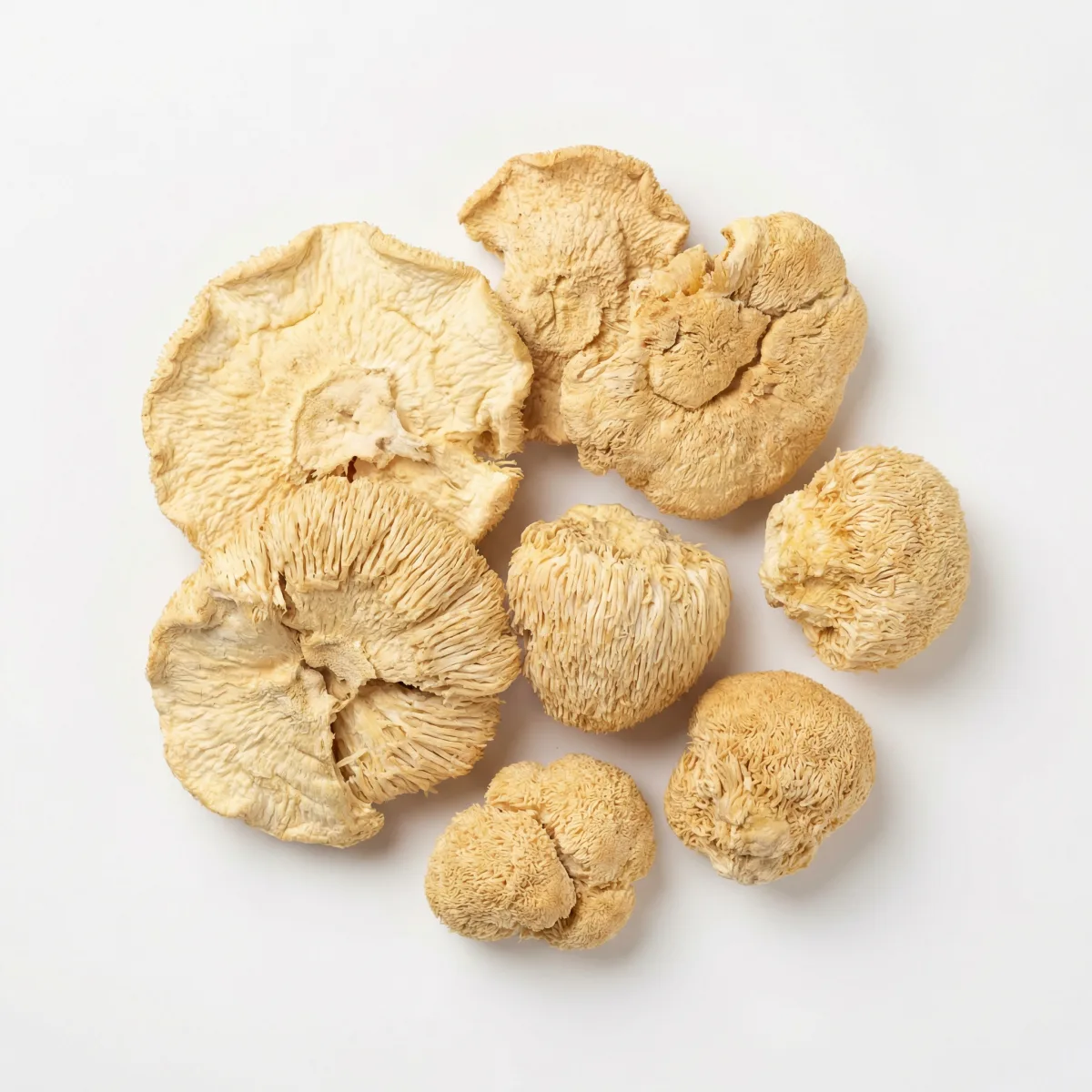
- Dried mushroom (whole cap): Traditional use in TCM: decoction; soaking recommended; cooking time: 30–45 minutes.
- Fruit body powder: Ground dried mushrooms, can be stirred into water, tea, or food; easy to use
- Concentrated extract (e.g., 8:1): Alcohol or hot water extraction; highest concentration of active compounds (hericenones, beta-glucans)
- Capsules / Tablets: Standardized dietary supplements with a defined content of polysaccharides or triterpenoids
- Granules (TCM Pharmacy): Concentrated granules for preparing tea or decoctions; a common form in modern TCM practice.
Dosage
- Fruit body powder (raw): 2–4 g daily; up to 9 g for therapeutic use in TCM.
- Concentrated extract (8:1): 500–1,000 mg daily (equivalent to approximately 4–8 g of fruiting bodies).
- Decoction (dried mushroom): 3–9 g daily; boil in 300–500 ml of water for 30–45 minutes.
- Fresh fruiting body (edible mushroom): 50–150 g daily with no restrictions on food use.
- Granules (TCM Pharmacy): 2–3 g daily, dissolved in hot water, according to the manufacturer's instructions.
Combinations & formulas
- Hou Tou Jun + Bai Zhu + Fu Ling — Traditional treatment to strengthen the spleen in cases of chronic digestive weakness accompanied by dampness and bloating
- Hou Tou Jun + Huang Qi + Ren Shen — in cases of severe qi deficiency with profound exhaustion and a weakened immune system
- Hou Tou Jun + Yuan Zhi + Gou Qi Zi — nourishes the heart and mind, sharpens cognitive function in cases of mental fatigue and memory loss
- Hou Tou Jun + Shan Yao — Harmonizes the spleen and stomach; strengthens the body in cases of qi deficiency accompanied by watery stools and loss of appetite
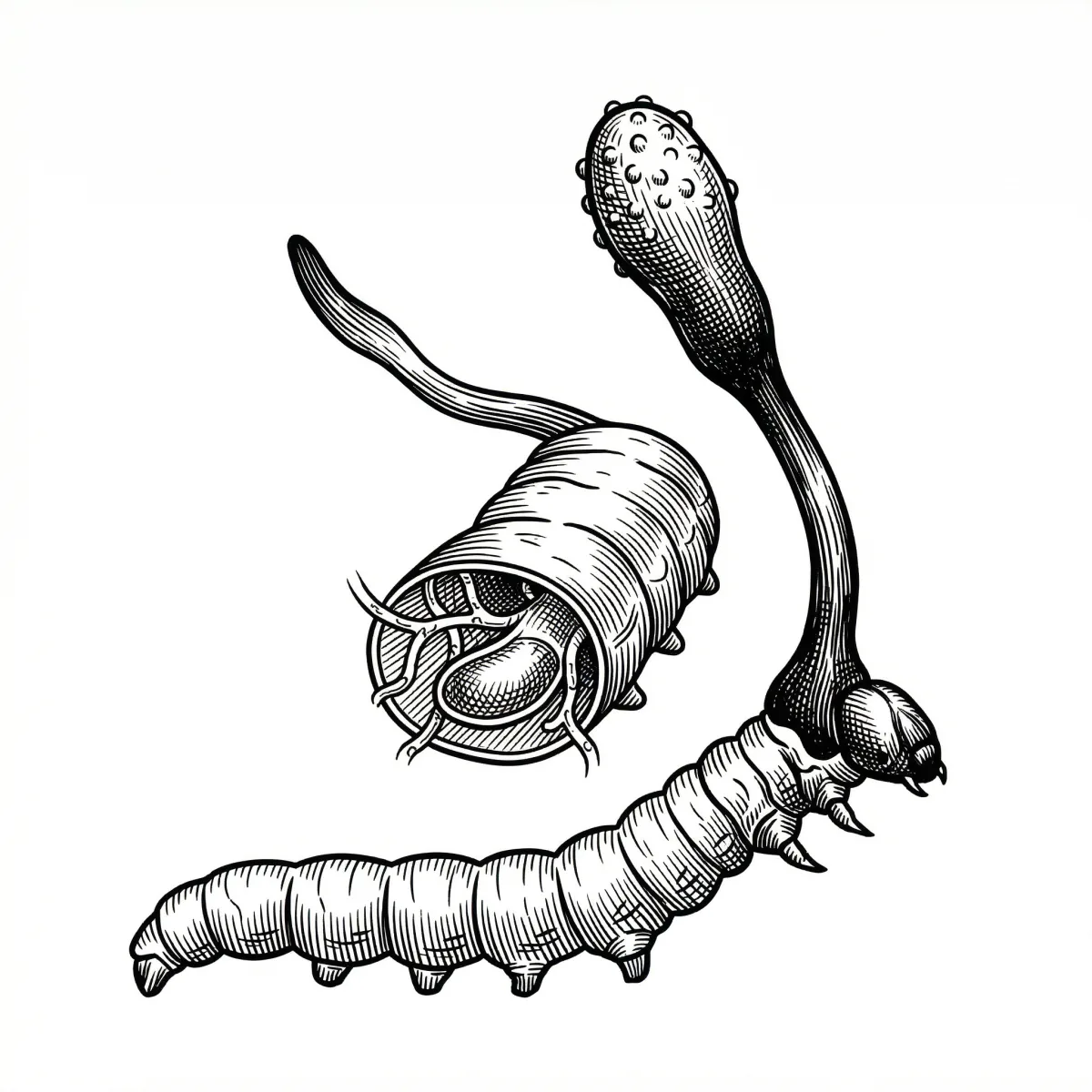
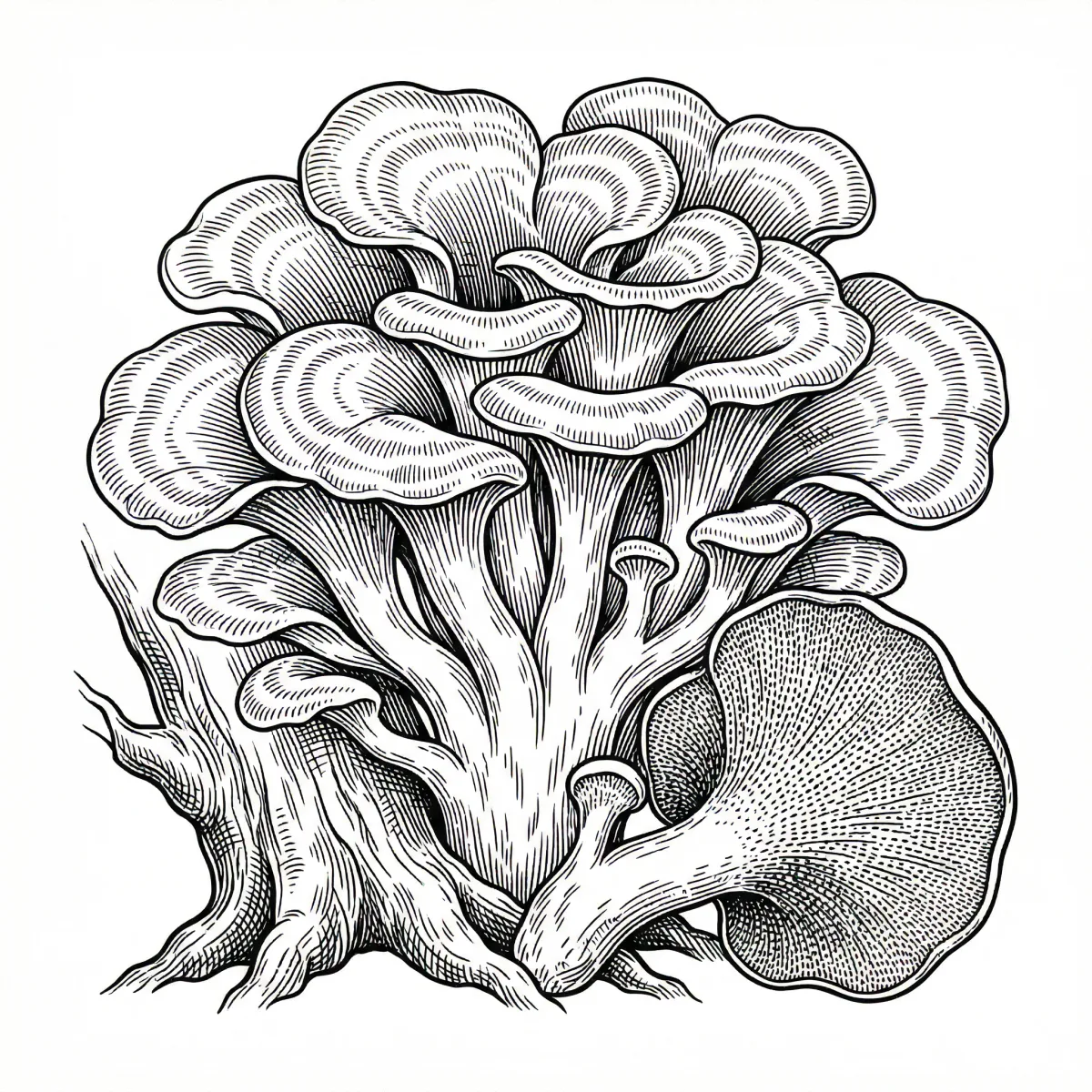
- Hou Tou Jun + Ling Zhi + Dong Chong Xia Cao — A potent combination of medicinal mushrooms to boost immunity, vitality, and longevity
History & Tradition
In the old records of the Shan Fu Zun — one of the oldest Chinese works on edible and medicinal mushrooms — lists Hou Tou Jun (猴头菌), the „monkey head mushroom," among China’s most precious natural treasures. Its strange-sounding name derives from its shape: the long, white spikes resemble the head of a gibbon—that intelligent forest spirit considered in Chinese poetry a symbol of mental vitality. Since at least the Tang Dynasty (618–907 AD) it appears on the emperors’ banquet tables, and tradition holds that those who eat it regularly will retain a clear mind and a steady step well into old age.
In TCM, Hou Tou Jun was recognized early on as Top-quality herb classified as a remedy that is not only taken when ill, but enjoyed daily to maintain good health. Imperial cookbooks from the Song Dynasty describe it as a delicacy that, when braised with ginger and rice wine, warms the core and clears the mind. Buddhist monks in the monasteries of Wutai Shan held it in particularly high regard: as a meat substitute, it prepared the soul for hours of meditation, strengthened concentration, and kept the heart calm. It was therefore referred to as the „mushroom of wisdom" (Smart Mushroom, Zhìhuì Gū).
According to popular belief, the monkey head mushroom is one of the „Four Great Gifts of the Forest"—alongside shiitake, enoki, and morels—a distinction that underscores its deep-rooted place in Chinese culinary and medicinal traditions. In the 20th century, research into its unique group of active compounds brought it to the forefront of Hericenone and Erinacine once again in the global spotlight: Scientists have discovered what monks and scholars have known for a long time—this mushroom holds the secret to a clear, alert mind.
Contraindications & caution
- Mushroom allergy: If you have a known allergy to mushrooms (especially basidiomycetes such as button mushrooms and shiitake mushrooms), caution is advised—cross-reactions are possible, and allergic skin reactions have been reported in isolated cases.
- Tendency to bleed: Hericium extracts may have antiplatelet effects; if you have an increased risk of bleeding or are taking anticoagulants (e.g., warfarin, Marcumar, aspirin), consult a doctor before use.
- Stomach problems: Mild stomach discomfort or nausea may occasionally occur when taking this medication for the first time—start with a low dose and gradually increase it.
- Autoimmune diseases: Consultation with a physician is recommended (e.g., lupus, multiple sclerosis), as the immunomodulatory effect could theoretically affect the condition.
- Pregnancy and breastfeeding: Use with caution due to a lack of sufficient research; consult a doctor.
- There are no known serious contraindications when used as intended as a food or dietary supplement.
Botany
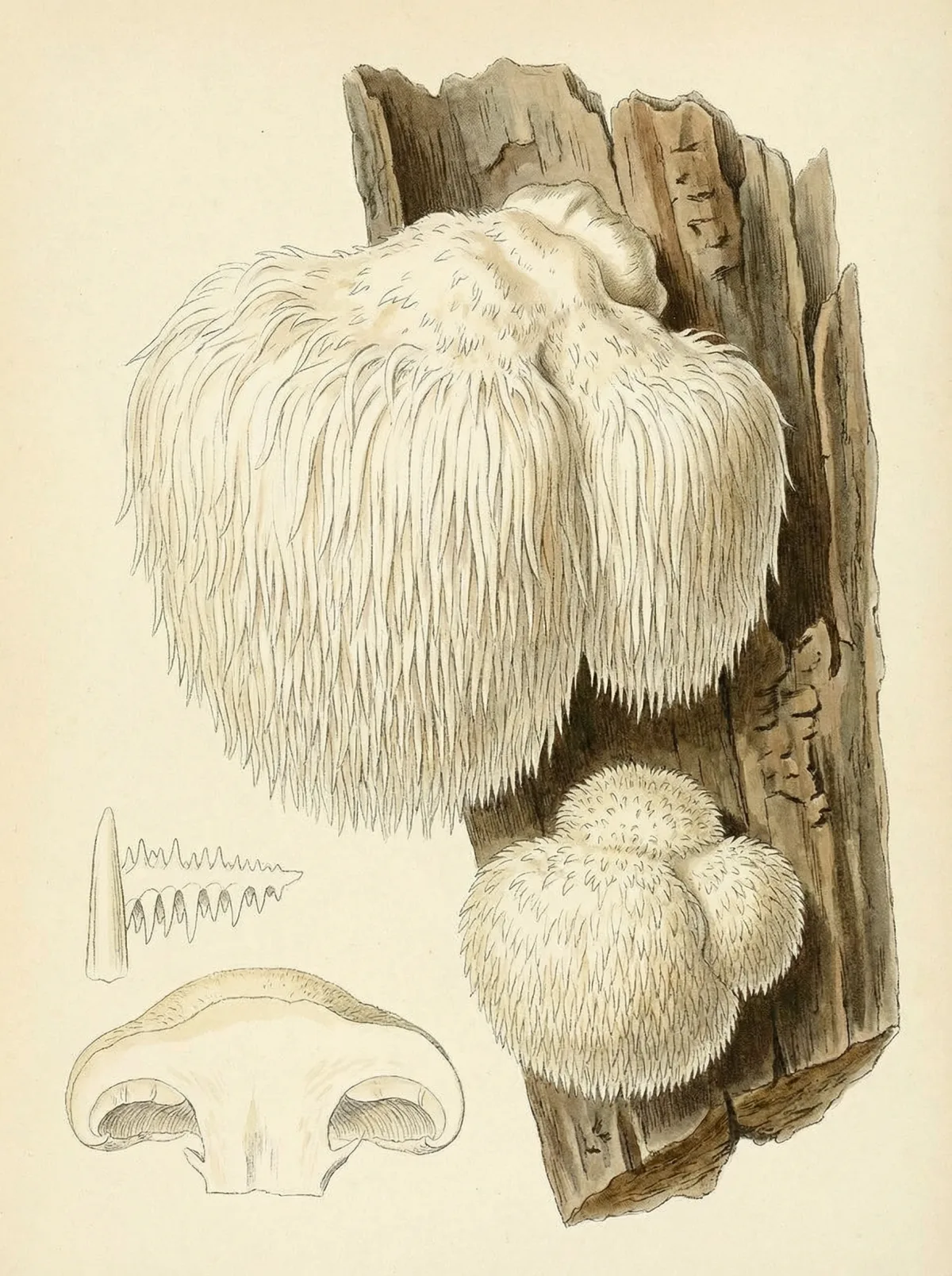
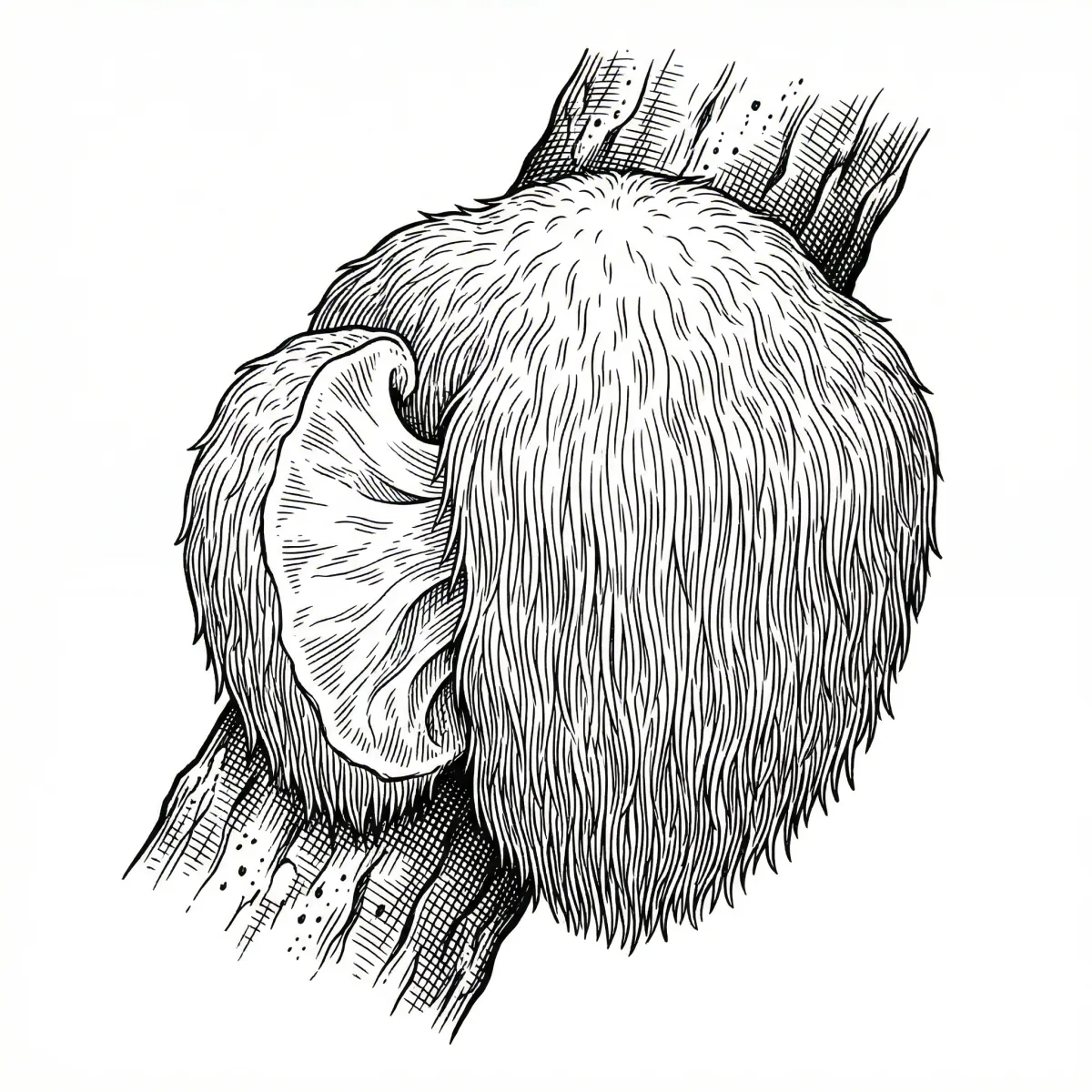
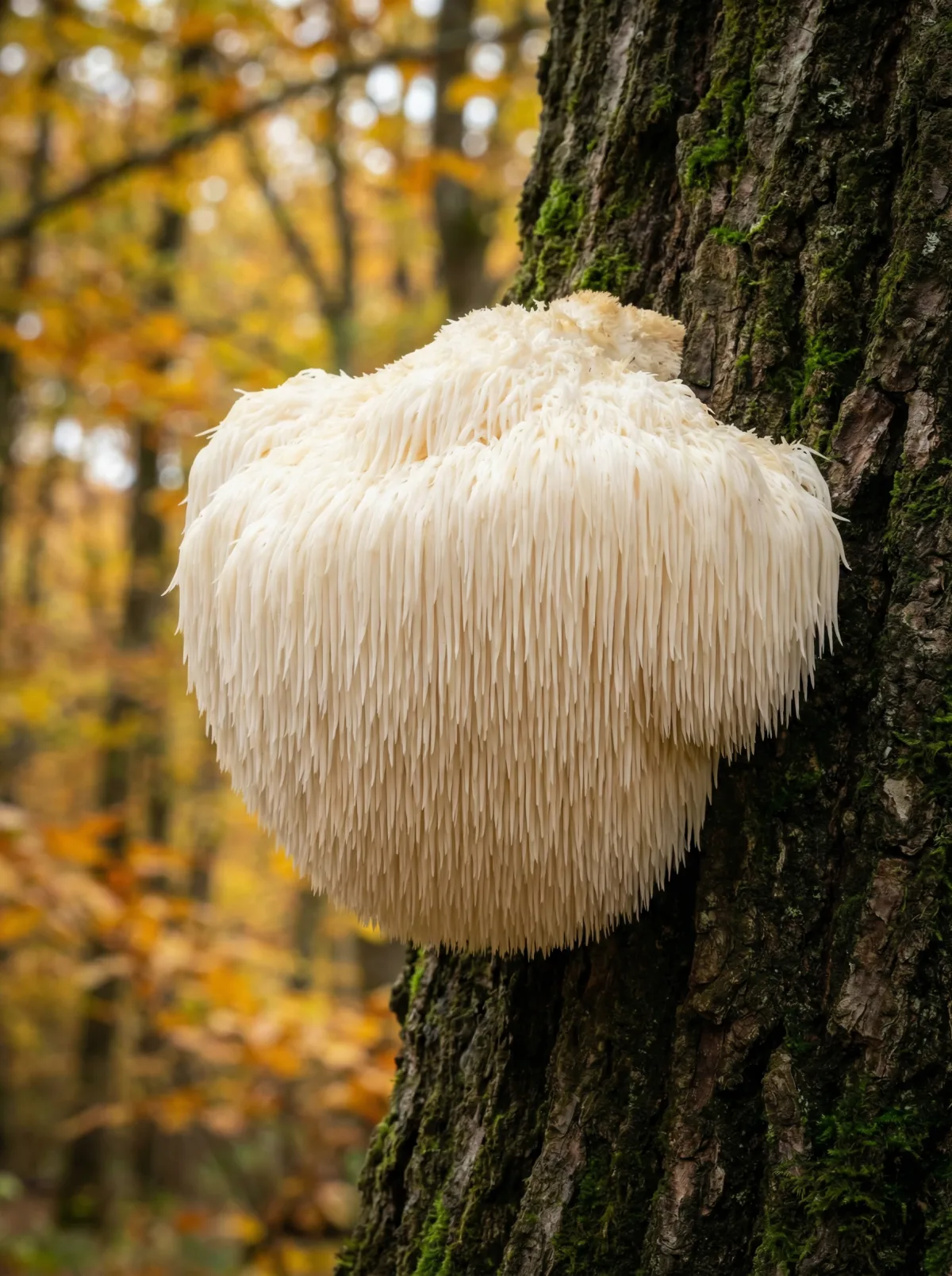
Hericium erinaceus belongs to the family of Hericiaceae within the Basidiomycota (basidiomycetes). The fruiting body is unmistakable: a white to cream-colored structure that turns slightly yellow with age, lacking a cap and stem — instead, densely packed, soft spines 1–5 cm long hang down, giving the mushroom its characteristic appearance and resembling a lion’s mane or the head of a porcupine. The fruiting body can reach a diameter of 5–40 cm and is juicy and fleshy with a pleasantly mild odor.
The fungus is a saprophyte—it lives on dead or weakened hardwood, preferring old beech, oak, walnut, and chestnut trees. It usually grows singly, less often in small groups, on the trunks, broken branches, or wounds of living trees. Sporulation occurs via the spiny surface; the spores are smooth, hyaline, and elliptical. In Europe, it is considered endangered and is listed on the Red List in several countries.
Occurrence
- East Asia: Its natural range includes China, Japan, Korea, and the Russian Far East—where it grows in beech and oak forests in mountainous regions.
- Europe: Rare and critically endangered; found in old-growth deciduous forests (beech, oak) in Germany, Austria, Switzerland, and France — listed on Germany’s Red List (vulnerable to critically endangered).
- North America: Widespread in the eastern deciduous forests of the United States and Canada, where it is more common than in Europe.
- Cultivation: Commercially cultivated worldwide on substrates made from hardwood sawdust, wheat bran, or straw; significant agricultural production in China, Japan, and Korea.
- Wild collections: Not recommended in Europe—be aware of conservation status; use only cultivated plants for commercial purposes.
Harvest time
- Wild populations (fall): Natural fruiting bodies ripen from September through November — when temperatures drop and humidity rises; harvest when the fruiting body is fully developed but still white, before it begins to turn yellow
- Key identifying feature for harvest: Harvest the fruiting bodies before the spines start to turn yellowish—at this stage, the aroma and active ingredient content are at their highest
- Substrate culture (year-round): On a hardwood sawdust substrate mixed with wheat bran, the fruiting body matures after 3–4 months of incubation at 15–22 °C; the first harvest takes place as soon as the spines reach a length of 1–2 cm.
- Harvest frequency (crop): Each substrate block can yield 2–3 harvests; allow a 1–2 week break between harvests to allow the mycelium to regenerate.
- Conservation status (Europe): Wild populations in Germany and Switzerland are protected by law—commercial harvesting is limited exclusively to cultivated plants; no wild harvesting is permitted.
Processing
The hedgehog mushroom is one of the few medicinal mushrooms in Traditional Chinese Medicine (TCM) that serves both as a remedy and a delicacy. When fresh, it has a juicy, meaty texture with a mild, slightly sweet aroma; when dried, its active compounds become concentrated, and the mushroom can be stored for months. For therapeutic applications—particularly for extracting the heat-sensitive erinacine—a gentle cold-water extraction or a two-step extraction method (hot water + alcohol) is recommended.
- Fresh consumption (cooking):
- Clean the fruiting body with a soft brush or cloth while it is dry—do not wash it (it absorbs water).
- Cut into slices 1–2 cm thick.
- Cook in a pan with oil or butter over medium heat for 3–5 minutes per side, until golden brown.
- Season with salt, ginger, and a splash of rice wine — traditionally braised in bone broth.
- Drying for decoctions or powders:
- Cut the fruiting body into thin slices, about 3–5 mm thick.
- Place them on a drying rack or on a sheet of parchment paper—do not let the pieces overlap.
- Dry in a dehydrator or oven at 40–50 °C for 6–10 hours (low temperatures preserve the polysaccharides and erinacine).
- Dry to a residual moisture content of less than 10%; when broken, the piece should snap cleanly, not bend.
- Store in airtight jars or vacuum-sealed bags—in a cool, dark, dry place; will keep for 12–24 months.
- Hot-water extraction (TCM decoction):
- Soak 3–9 g of dried mushrooms in 500 ml of cold water for 30 minutes.
- Bring to a boil, then simmer over low heat for 30–45 minutes.
- Strain the infusion; drink it as warm tea—1–2 cups a day.
- Double extraction (for a comprehensive spectrum of active compounds):
Beta-glucans are water-soluble and are obtained through hot-water extraction; hericenones and erinacines are alcohol-soluble. A two-step extraction process (first hot water, then alcohol) captures both groups of active compounds.
Related herbs
Herbs with similar effects and related areas of application
Comparable western herbs
- Ginkgo (Ginkgo biloba): The best-known Western herbal remedy for supporting cognitive function. Standardized extracts (EGb 761) improve cerebral blood flow and have a neuroprotective effect through antioxidant flavonoids and ginkgolides. Comparable to Hou Tou Jun in terms of its approach to supporting brain function and memory—though via a completely different mechanism of action (blood flow rather than NGF).
- Rosemary (Salvia rosmarinus, syn. Rosmarinus officinalis): Traditionally known as the „herb of memory." Carnosic acid and 1,8-cineole inhibit the breakdown of acetylcholine in the central nervous system; recent studies suggest neuroprotective and cognitive-enhancing effects. As an aromatic plant, simply inhaling its compounds affects concentration and alertness—a Western counterpart to the mind-clarifying effect of Hedychium tectorum in TCM.
- Brahmi / Indian pennywort (Bacopa monnieri): Used for centuries in Ayurvedic medicine to strengthen memory and mental clarity—and well-supported by modern studies. Bacoside A promotes synaptic plasticity and protects neurons from oxidative stress. Like Hou Tou Jun, Brahmi has an adaptogenic effect on the nervous system and has been shown to improve learning and memory performance with long-term use.
- Dandelion (Taraxacum officinale): A Western counterpart to the „strengthening the center" aspect of hedgehog's beard: dandelion promotes bile production, stimulates the liver and digestion, and contains prebiotic inulin—a common European herb that also supports digestion, the stomach, and appetite, and thus reflects the “spleen and stomach qi-tonifying” aspect of Hou Tou Jun in TCM.