







On this page, you will learn:
- What this pattern means from the perspective of TCM and Western medicine
- Where your symptoms come from and how they are connected
- Which specific treatment methods can help you now
- How to Nourish Your Kidney and Heart Yin and Regain Inner Peace Through TCM Herbs, Acupressure, Qigong, and Nutrition
The good news: A deficiency of kidney yin and heart yin can be treated very effectively with the right measures. With a yin-nourishing diet, soothing acupressure, gentle qigong, and time-tested TCM herbs, you can restore your yin and calm your mind.
Take your time, Get to know the different treatment approaches—you don't have to implement everything at once. Choose what feels right for you and what you can easily integrate into your everyday life.
Your treatment at a glance:
Which TCM pattern is really behind your complaints?
Degree of
imbalance

Moderate to Significant
Typical
treatment duration

3-6 months
self-treatment
Possible

Can be treated yourself with instructions
Treatment–
scope

2–3 methods
Proposed
methods

Extensive range
Our free TCM analysis shows you your personal TCM pattern in just 10 minutes.
What is a deficiency of kidney yin and heart yin?

When the cooling fluids of the kidneys and heart are depleted
The TCM Perspective: The Heart-Kidney Axis
In Traditional Chinese Medicine, the heart and kidneys form one of the most important pairs in the body. This connection is called „Xin Shen Xiang Jiao“—the mutual connection between the heart and kidneys. The heart belongs to the Fire element and is located above, while the kidneys belong to the Water element and are located below. In a healthy state, the cool Water of the kidneys rises to cool the Fire of the heart, while the warm Fire of the heart sinks downward to warm the kidneys.
Kidney Yin is the root of all Yin in the body—the deepest, coolest, most nourishing, and most moisturizing substance. It nourishes the marrow, bones, brain, and ears. Heart Yin is the cooling, calming substrate that nourishes and anchors the Shen (spirit). When both are depleted, the entire heart-kidney axis becomes unbalanced.
In cases of combined Kidney-Yin and Heart-Yin deficiency, Kidney-Water can no longer rise to cool the Heart. Heart-fire blazes uncontrollably upward—resulting in empty heat. The Shen (spirit) loses its anchor in Heart-Yin and becomes restless. The result is a condition that TCM calls „Xin Shen Bu Jiao“—the heart and kidneys no longer communicate.
The consequence of this dual Yin deficiency: The body loses its cooling, moisturizing substance on several levels at once. Empty heat rises and manifests as hot flashes, night sweats, and flushing. The mind cannot find peace—resulting in insomnia, palpitations, and anxiety. The kidneys suffer from back pain, tinnitus, and dizziness.
The typical signs of kidney yin and heart yin deficiency:
- Insomnia — trouble falling asleep and staying asleep, vivid dreams
- Heart palpitations and restlessness—especially in the evening and at night
- Night sweats—the body sweats while sleeping and then cools down. If these are accompanied by a fever, weight loss, or swollen lymph nodes, you should see a doctor first—this is not a yin deficiency.
- Hot flashes—especially in the afternoon and evening, hot palms and soles of the feet
- Tinnitus — ringing in the ears, often high-pitched and affecting both ears. Sudden-onset or unilateral tinnitus, especially when accompanied by hearing loss, requires immediate consultation with an ENT specialist — there is something else underlying it besides a yin deficiency
- Dizziness and Forgetfulness
- Pain in the lower back and knees
- Dry mouth and throat, especially at night
- A dry mouth accompanied by a desire to take small sips—persistent, intense thirst should be evaluated by a doctor before you take herbs for weeks on end
The good news: The heart-kidney axis can be brought back into balance with the right measures. Through a Yin-nourishing diet, soothing acupressure, gentle qigong, and specific TCM herbs, you can rebuild the cool Yin and restore communication between the heart and kidneys.
The Western Perspective: Neuroendocrine Imbalance
From a Western perspective, the combined deficiency of kidney yin and heart yin corresponds to a condition that affects several bodily systems simultaneously: the autonomic nervous system, the endocrine system, and fluid and electrolyte balance. This involves chronic overactivation of the sympathetic nervous system accompanied by exhaustion of the body’s own regulatory mechanisms.
Imagine your nervous system as a thermostat: the parasympathetic nervous system (the „cooling system“) and the sympathetic nervous system (the „heating system“) normally work in balance. With a Yin deficiency, the cooling system is exhausted—the body can no longer calm down, cool down, and regenerate sufficiently. The „heating system“ runs constantly hot—you’re constantly in a state of heightened alertness and tension.
At the kidney level, this manifests as impaired adrenal function: The adrenal glands, which in TCM are closely linked to kidney energy, consistently produce too much cortisol. At the heart level, the deficiency manifests as impaired heart rate variability—the heart loses its ability to respond flexibly to stress. Melatonin production is disrupted, which explains the sleep problems.
What does modern medicine show?
- Chronic Stress and Adrenal Fatigue: Elevated Cortisol Disrupts the Day-Night Rhythm
- Autonomic Dysregulation: Overactive Sympathetic Nervous System, Exhausted Parasympathetic Nervous System
- Sleep Architecture Disorder: Reduced Deep Sleep and REM Sleep
- Hormonal changes: Especially during menopause (decrease in estrogen and progesterone)
- Reduced Melatonin Production: Explains Difficulty Falling Asleep
- Chronic Dehydration: Dryness of the Mucous Membranes Due to Impaired Water Balance
Modern research confirms: The TCM pattern „Heart-Kidney Disharmony“ correlates strongly with measurable parameters such as elevated cortisol, reduced heart rate variability, and disrupted melatonin secretion. Studies show that TCM formulas such as Tian Wang Bu Xin Dan have positive effects on sleep quality, heart rate variability, and stress hormones.
This is exactly where TCM treatment comes in: It nourishes the depleted Yin on multiple levels simultaneously, calms the overactive nervous system, and restores communication between „above“ (heart/brain) and „below“ (kidneys/adrenal glands)—in a profound, lasting, and gentle way.

The Yellow Emperor's team explains your pattern
Qi Bo | The Yellow Emperor | Dr. Lisa Weber
MASTER OF THE HEALING ARTS | TCM FOUNDER | MODERN PHYSICIAN
What happens when the legendary Yellow Emperor of Traditional Chinese Medicine sits down with his advisor Qi Bo and a modern doctor? They discuss your pattern—using 4,000-year-old knowledge AND the latest science.
Kidney Yin Deficiency + Heart Yin Deficiency — When the cooling fluids of the kidneys and heart are depleted, leading to internal heat, insomnia, and restlessness
The Yellow Emperor: „Qi Bo, in my kingdom I see people who cannot sleep at night and are exhausted during the day. They complain of heart palpitations, night sweats, and a sensation of internal heat, even though they do not have a fever. Some hear ringing in their ears and have lower back pain. What is the cause of this complex condition?“
Qi Bo: „Your Majesty, these people are suffering from one of the most profound imbalances in TCM—a combined deficiency of kidney yin and heart yin. This condition is also known as ‚Xin Shen Bu Jiao‘—the heart and kidneys are no longer communicating. In a healthy body, the heart and kidneys form an axis: the cool kidney water rises and cools the heart fire. The warm heart fire descends and warms the kidneys. A constant exchange—like heaven and earth, which nourish one another. When Kidney Yin is depleted, it can no longer rise. The heart fire is not cooled and blazes uncontrollably—resulting in empty heat. At the same time, the heart yin lacks the nourishing substance needed to anchor the shen. The mind becomes restless and can no longer find peace.“
Dr. Weber: „That is a remarkably precise description of what we in modern medicine know as neuroendocrine imbalance! The ‚heart–kidney axis‘ of TCM correlates remarkably well with the hypothalamic–pituitary–adrenal axis (HPA axis) of Western medicine. In cases of chronic stress or exhaustion, this axis is overactivated—the adrenal glands produce too much cortisol, and the sympathetic nervous system is constantly activated. This explains the sleep disturbances, heart palpitations, and inner restlessness. Hot flashes and night sweats result from impaired thermoregulation—the body can no longer regulate its temperature properly, especially at night.“
The Yellow Emperor: „Why are both—the kidney and the heart—affected at the same time?“
Qi Bo: „Your Majesty, the kidneys and the heart are inseparably connected through the Yin axis. Kidney Yin is the root of all Yin in the body. When the kidneys are exhausted, they can no longer nourish the heart yin—for the heart yin is nourished by the kidney yin. It is like an underground river that feeds a lake: when the river runs dry, the lake dries up as well. Conversely, weakened heart yin can no longer warm the kidneys, since the heart fire is also meant to sink downward. This creates a vicious cycle: the kidney water no longer cools, the heart fire blazes, and the two organs exhaust each other.“
Dr. Weber: „We know this vicious cycle all too well! In stress medicine, we refer to it as the ‚allostatic load‘—the chronic overload of the body’s regulatory systems. The adrenal glands (TCM: kidney) and the autonomic nervous system (TCM: heart) influence each other. Chronically elevated cortisol disrupts sleep, and disrupted sleep further increases cortisol levels. Heart rate variability decreases—the heart loses its flexibility. Melatonin production declines, which worsens sleep even further. It’s a classic downward spiral that feeds on itself.“
The Yellow Emperor: „What are the most common causes of this disharmony?“
Qi Bo: „Your Majesty, there are many causes. First: Chronic emotional stress—excessive worry, anxiety, and brooding deplete Heart Yin and exhaust the Kidneys. Second: Excessive mental work—prolonged thinking and studying deplete the Shen and consume Heart Blood and Heart Yin. Third: Chronic sleep deprivation—Yin regenerates during sleep. Those who chronically lack sleep systematically deplete their yin. Fourth: Natural aging—from the ages of 35 to 40, kidney yin physiologically declines. Fifth: Excessive consumption of heating substances—coffee, alcohol, and hot spices deplete Yin. And sixth: Chronic illnesses—long-term illnesses drain the Yin of both organs.“
Dr. Weber: „This aligns perfectly with our findings! Chronic stress is the main factor contributing to HPA axis exhaustion. Sleep deprivation is one of the most common causes of neuroendocrine disorders—regeneration occurs primarily during deep sleep. The age-related decline in hormones—especially during perimenopause and menopause—explains why women over 40 are particularly affected. Coffee and stimulants activate the sympathetic nervous system and deplete energy reserves. TCM accurately identified these connections—long before we were able to measure cortisol or melatonin!“
The Yellow Emperor: „How does this condition manifest itself on the tongue and in the pulse?“
Qi Bo: „The signs are very clear, Your Majesty. The tongue is red—indicating empty heat, especially at the tip of the tongue, which corresponds to the heart. It is dry—the yin is no longer providing moisture. It has little or no coating—the substance is lacking. Cracks often appear in the center of the tongue—a sign of Yin deficiency. The pulse is thin—Xi Mai—substance is diminished. It is rapid—Shuo Mai—empty heat accelerates the pulse. It is particularly weak at the left Chi position, corresponding to the kidney, and at the left Cun position, corresponding to the heart.“
Dr. Weber: „A red, dry tongue correlates with dehydration of the mucous membranes in cases of chronic yin deficiency. A rapid pulse corresponds to an elevated heart rate caused by sympathetic overactivity. The diminished pulse quality at certain positions can be interpreted as an indication of reduced blood flow and decreased heart rate variability. It’s fascinating how TCM pulse diagnosis identifies functional states that we can confirm with modern equipment!“
The Yellow Emperor: „Now let’s talk about the treatment. How can we restore harmony between the heart and the kidneys?“
Qi Bo: „Your Majesty, the principle of treatment is: Zi Yin Jiang Huo, Jiao Tong Xin Shen—nourish Yin, clear empty heat, and restore the connection between the heart and the kidneys. This is achieved through several methods simultaneously. First: Nourish the kidney yin as the root—with black sesame, goji berries, mulberries, and cooling foods. Second: Nourish Heart Yin and calm the Shen—with lotus seeds, wheat, and calming herbs such as Suan Zao Ren. Third: Clear empty heat—by avoiding spicy, heating foods and stimulants. Fourth: Harmonize the heart–kidney axis—through meditation, soothing acupressure on He 07 and Ni 03, and getting enough sleep before 11 p.m.“
Dr. Weber: „The dietary recommendations are scientifically sound! Black sesame contains calcium, magnesium, and zinc—minerals that calm the nervous system. Goji berries are rich in antioxidants and support adrenal function. Lotus seeds contain alkaloids that have been shown to have a calming effect and improve sleep. And what about going to bed early, before 11 p.m.? Melatonin release begins between 9 and 11 p.m.—those who take advantage of this phase benefit from optimal deep sleep and better recovery!“
The Yellow Emperor: „Which herbal formula helps with this imbalance?“
Qi Bo: „Your Majesty, the classic formula for this condition is Tian Wang Bu Xin Dan—the Heavenly Emperor’s Pill for Strengthening the Heart. This ingenious formula simultaneously nourishes kidney yin and heart yin and restores the connection between the two. Sheng Di Huang, as the imperial herb, deeply nourishes Yin and cools empty heat. Suan Zao Ren and Bai Zi Ren calm the Shen and promote sleep. Tian Men Dong and Mai Men Dong nourish the Yin of the lungs and kidneys and moisten the body. And Dang Gui nourishes the blood, which provides the substance for the Yin. In cases of severe kidney Yin deficiency, Liu Wei Di Huang Wan—the Six-Ingredient Pill with Rehmannia—can be added to directly strengthen the kidneys.“
Dr. Weber: „Tian Wang Bu Xin Dan ist eine der am besten erforschten TCM–Formeln für Schlafstörungen und Angst! Studien zeigen signifikante Verbesserungen der Schlafqualität, vergleichbar mit Benzodiazepinen, aber ohne deren Nebenwirkungen und Abhängigkeitspotential. Die Kombination wirkt auf multiple Neurotransmitter–Systeme: Suan Zao Ren beeinflusst GABA–Rezeptoren und hat anxiolytische Eigenschaften. Wu Wei Zi moduliert den Cortisol–Spiegel. Und Sheng Di Huang hat nachweislich entzündungshemmende und nierenschützende Eigenschaften. Eine 1000 Jahre alte Formel mit moderner Evidenz!“
The Yellow Emperor: „Wonderful! Let's turn this wisdom into a practical plan.“
DIE 3–WEISEN–METHODE BEI NIEREN–YIN UND HERZ–YIN MANGEL
MORGEN–PROTOKOLL (Yin schützen):
- TCM: Sanft aufstehen und nicht hetzen — der Yin–Mangel–Körper braucht morgens besondere Schonung
- Science: Das Cortisol ist morgens am höchsten. Sanftes Aufwachen verhindert eine weitere Stressspitze
- Practical: 10 Minuten früher aufstehen, langsam strecken, ein Glas warmes Wasser mit Goji–Beeren trinken
- TCM: Warmes, nährendes Frühstück — die Milz muss gestärkt werden, damit sie Yin produzieren kann
- Science: Ein warmes Frühstück stabilisiert den Blutzucker und bremst die Cortisol–Ausschüttung
- Practical: Warmer Haferbrei mit schwarzem Sesam und Goji–Beeren, oder Congee mit Lotus–Samen
- TCM: Kein Kaffee! — Kaffee verbraucht Yin und erhitzt das Herz–Feuer weiter
- Science: Koffein aktiviert den Sympathikus und erhöht Cortisol — beides verschlimmert den Yin–Mangel
- Practical: Stattdessen Chrysanthemen–Tee oder Goji–Tee — kühlend und Yin–nährend
TAGS–STRATEGIE (Yin bewahren):
- TCM: Akupressur auf Ni 03 (Großer Bach) — nährt das Nieren–Yin direkt an der Quelle
- Science: Studien zeigen, dass Stimulation dieses Punktes den Cortisol–Spiegel senken kann
- Practical: Zwischen Innenknöchel und Achillessehne. 3 Min. pro Seite mit sanftem Druck kreisend massieren
- TCM: Mittagsruhe einhalten — zwischen 11 und 13 Uhr ist Herz–Zeit, ideal für kurze Regeneration
- Science: Ein kurzes Nickerchen von 10–20 Min. aktiviert den Parasympathikus und senkt den Blutdruck
- Practical: 10–20 Minuten Augen schließen, tief atmen oder eine geführte Meditation hören
- TCM: Überarbeitung vermeiden — jede Erschöpfung verbraucht Yin, das nur schwer wieder aufgebaut wird
- Science: Chronische Überarbeitung erhöht Cortisol und senkt die Melatonin–Produktion dauerhaft
- Practical: Alle 90 Minuten Pause, keine Arbeit nach 20 Uhr, Bildschirmzeit am Abend reduzieren
EVENING RITUAL (Yin regeneration):
- TCM: Akupressur auf He 07 (Tor des Geistes) — beruhigt den Shen und fördert den Schlaf
- Science: Dieser Punkt liegt über dem N. ulnaris. Stimulation aktiviert den Parasympathikus messbar
- Practical: An der Handgelenksfalte, kleine Sehne Richtung kleinen Finger. 3 Min. pro Seite vor dem Schlafengehen
- TCM: Fußbad mit warmem Wasser — leitet die aufsteigende Hitze nach unten und verbindet Herz und Niere
- Science: Warme Fußbäder senken nachweislich den Blutdruck und verbessern die Einschlafzeit
- Practical: 15–20 Minuten Fußbad (ca. 38–40 Grad) vor dem Schlafengehen — Temperatur vorher mit dem Handgelenk prüfen, besonders bei tauben Füßen. Optional mit Chrysanthemen oder Safran
- TCM: Vor 23 Uhr im Bett — zwischen 23 und 1 Uhr beginnt die Gallenblasen–Zeit, das Yin regeneriert sich
- Science: Die Melatonin–Ausschüttung ist zwischen 22 und 2 Uhr am höchsten. Wer spät schläft, verpasst die beste Regenerationsphase
- Practical: Ab 21 Uhr keine Bildschirme, gedämpftes Licht, beruhigende Musik oder Lektüre
The Yellow Emperor: „Qi Bo, wie lange dauert es, bis Herz und Niere wieder harmonieren?“
Qi Bo: „Majestät, das Yin aufzubauen braucht mehr Geduld als das Qi. Das Yin ist eine dichte, substantielle Energie — es regeneriert sich langsamer. Nach 2–3 Wochen konsequenter Praxis bemerken die meisten: Ruhigerer Schlaf, weniger Nachtschweiß, weniger Herzklopfen. Nach 6–8 Wochen werden die Verbesserungen deutlicher: Weniger Tinnitus, weniger Hitzewallungen, mehr innere Ruhe. Nach 3–6 Monaten kann das Yin spürbar aufgebaut sein — die Herz–Nieren–Achse harmoniert wieder, der Geist findet Frieden und der Körper fühlt sich gekühlt und genährt an.“
Dr. Weber: „Das stimmt gut mit unseren klinischen Erfahrungen überein! Die Normalisierung der HPA–Achse dauert typischerweise 3–6 Monate bei konsequenter Lebensstiländerung. Erste Verbesserungen der Schlafqualität sehen wir oft nach 2–3 Wochen. Die Herzratenvariabilität bessert sich nach 4–8 Wochen regelmäßiger Entspannungsübungen. Und die vollständige Normalisierung der Cortisol–Tagesrhythmik kann 3–6 Monate dauern. Die TCM–Zeitangaben sind also erstaunlich realistisch!“
The Yellow Emperor: „What must be avoided at all costs?“
Qi Bo: „Majestät, bei dieser Disharmonie ist Vermeidung besonders wichtig! Erstens: Kein Kaffee und keine Stimulanzien — sie verbrauchen Yin direkt und erhitzen das Herz–Feuer. Zweitens: Keine scharfen und erhitzenden Speisen — Chili, Knoblauch in großen Mengen, Lammfleisch und gegrilltes Fleisch erzeugen innere Hitze. Drittens: Kein Alkohol — er trocknet das Yin aus und stört den Schlaf. Viertens: Kein spätes Schlafengehen — jede Stunde nach 23 Uhr verbraucht Yin. Fünftens: Keine emotionale Überbelastung — Stress und Sorgen erschöpfen das Herz–Yin. Und sechstens: Keine übermäßige körperliche Anstrengung — intensiver Sport erzeugt Hitze und verbraucht Yin.“
Dr. Weber: „Alles wissenschaftlich nachvollziehbar! Koffein hat eine Halbwertszeit von 5–6 Stunden und stört den Schlaf selbst bei Kaffeekonsum am Morgen. Alkohol unterdrückt den REM–Schlaf und verschlechtert die Schlafqualität massiv. Scharfe Speisen erhöhen die Körpertemperatur und können Hitzewallungen auslösen. Spätes Schlafengehen verschiebt den Cortisol–Rhythmus und reduziert die Regenerationszeit. Und intensiver Sport am Abend aktiviert den Sympathikus und erschwert das Einschlafen. Die TCM–Empfehlungen sind alle evidenzbasiert!“
The Yellow Emperor: „Dann ist die Botschaft klar: Herz und Niere sind wie Feuer und Wasser — sie müssen in ständigem Austausch sein. Wenn das kühlende Yin erschöpft ist, lodert das Feuer und der Geist findet keine Ruhe. Mit Geduld, nährender Pflege und der Weisheit der alten Meister können wir die Harmonie wiederherstellen.“
Qi Bo: [smiles] „So ist es, Majestät. Die Heilung des Yin gleicht dem Füllen eines tiefen Brunnens — Tropfen für Tropfen, Tag für Tag. Man sieht den Fortschritt nicht sofort, aber eines Tages ist der Brunnen wieder voll und das klare, kühle Wasser steigt auf und nährt den ganzen Körper. Dann kehrt Ruhe in den Geist, Kühle in den Körper und Frieden ins Herz zurück.“
About our „3 Wise Men“ story
Who are the Yellow Emperor and Qi Bo?
The Yellow Emperor (Huangdi) is said to have lived around 2600 BC and is considered the mythical founder of Chinese culture and medicine. Qi Bo was his most important advisor and personal physician. Their discussions about health, illness, and human nature were recorded in the most important fundamental work of TCM.
The book: Huangdi Neijing
The Huangdi Neijing, also known as The Yellow Emperor's Classic of Internal Medicine, was probably written between 200 BC and 200 AD. It is the oldest surviving work on Chinese medicine and consists of dialogues between the Yellow Emperor and his advisors, mainly Qi Bo.
This work is to TCM what the Bible is to Christianity: the absolute foundation. All the important concepts - yin and yang, the 5 elements, qi, meridians and acupuncture points - are systematically described here for the first time.
Our modern approach: The 3 wise men
In our series „The Three Sages,“ we bring together the Yellow Emperor and Qi Bo with the fictional modern doctor and microbiologist Dr. Weber.
Important note: All three characters and their conversations are purely fictitious and invented by us.
We use this narrative form, similar to the dialogue form in the book Huangdi Neijing, to convey the often complex interrelationships of TCM in an understandable and entertaining way. When the 4,000-year-old emperor is confronted with modern science, enlightening „aha moments“ arise that show that ancient wisdom and new research often speak the same language — just in different words.
This makes TCM lively, understandable and practically applicable for your everyday life.
The dialogs are creative interpretations - not historical documents. For medical questions, please consult a qualified TCM therapist or doctor.
Your treatment options
Ein Nieren–Yin und Herz–Yin Mangel ist sehr gut behandelbar! Die TCM bietet dir eine Vielzahl wirksamer Methoden, um dein Yin wieder aufzubauen und die Harmonie zwischen Herz und Niere wiederherzustellen. Du musst nicht alles auf einmal machen — wähle die Methoden aus, die zu dir und deinem Alltag passen.
Here you will find specific treatment approaches that have been proven effective in TCM for thousands of years and that you can largely apply yourself.
TCM herbs
Herbal medicine (or, in modern terms, phytotherapy) is the MOST IMPORTANT tool of TCM. It is an integral part of every traditional TCM treatment. Today, there is a suitable herbal blend for every TCM pattern.

Here's how to find the right herbal blend for you
- Search online. Enter Nieren–Yin Mangel + Herz–Yin Mangel "TCM Kräutermischung" — including the quotation marks — into the search engine of your choice. If you wish, add the following to the search term: Compressed pieces — in our experience, the easiest to take — or Granules. This way, you'll see several providers and can compare them at your leisure.
- Our Therapist Directory. In the TCM Therapist Directory You can find TCM practitioners in your area who will tailor a TCM herbal blend to your individual constitution.
- Your TCM Pharmacy. Some pharmacies carry TCM herbal blends or can order them for you. Tell them what you're looking for—or show them this page.
In any case, pay attention to the quality of the TCM herbal blend, not the price—it’s worth taking a look at the list of ingredients.
Not sure which herbal blend is right for your TCM pattern? Write to us. We'll tell you which classic recipe traditionally goes with this pattern and what you should look for when choosing one.
Request a tip on herbal blends
TCM uses many different methods. Which ones are right for you is the question we hear most often. And it’s not something that can be answered offhand.
That’s why we offer our personalized TCM support. It begins with a free, no-obligation ONLINE initial consultation with Wolfgang.
After that, you’ll receive a personalized support plan outlining all the components and costs as a proposal. If it works for you, we’ll get started: In a second online session (about 30 minutes), Wolfgang will discuss your path with you.
Acupressure
Acupressure is acupuncture without needles. — du kannst sie jederzeit selbst anwenden. Durch sanften Druck auf bestimmte Punkte nährst du das Yin von Niere und Herz und beruhigst den Geist.
Diese drei Punkte bilden eine wirkungsvolle Kombination zur Nährung des Nieren– und Herz–Yin und zur Beruhigung des Geistes. Regelmäßige, sanfte Stimulation ist entscheidend — geduldige Pflege baut das Yin Schritt für Schritt wieder auf und stellt die Verbindung zwischen Herz und Niere wieder her.
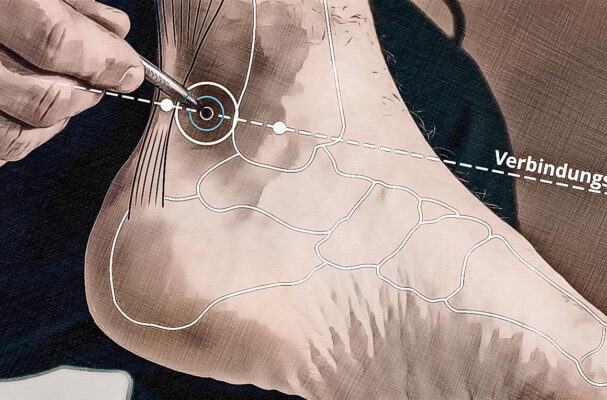
ACUPUNCTURE POINT: Ni 03
Kidney 03
Large stream - Tai Xi
- Wichtigster Punkt zur Nährung des Nieren–Yin
- Stärkt das Jing (Essenz) und kühlt Leere–Hitze
- Hilft bei Tinnitus, Nachtschweiß und Schwindelgefühl
- Strengthens the lower back and knees
- Stellt die Nieren–Wurzel für die Herz–Nieren–Achse wieder her
Location: In the hollow between the highest point of the inner ankle and the Achilles tendon.
Application:
2x täglich für 2–3 Min. pro Seite mit sanftem Druck kreisend massieren. Ideal abends vor dem Schlafengehen, um das Yin für die Nacht zu nähren.
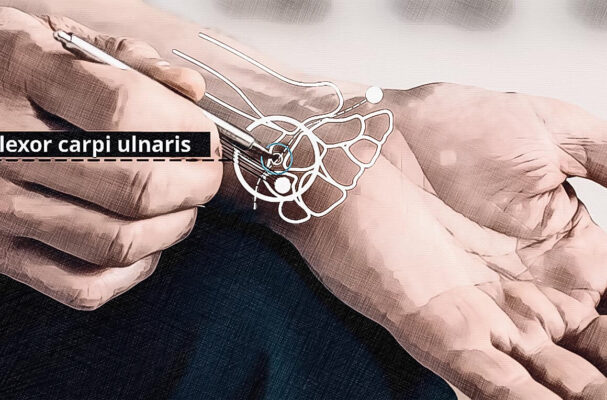
ACUPUNCTURE POINT: He 07
Heart 07
Gate of the Spirit — Shen Men
- Hauptpunkt zur Beruhigung des Shen (Geist)
- Promotes deep, restful sleep
- Lindert Herzklopfen, Unruhe und Ängstlichkeit
- Verankert den Geist und klärt das Herz
- Kühlt Herz–Feuer, das durch Yin–Mangel entsteht
Location: An der Handgelenksbeugefalte auf der Kleinfingerseite, in der Vertiefung neben der Sehne des Musculus flexor carpi ulnaris.
Application:
2x täglich für 2–3 Min. pro Seite mit sanftem Druck massieren. Besonders wirksam bei innerer Unruhe — abends vor dem Schlafengehen anwenden. Herzklopfen, das neu auftritt, mit Druck auf der Brust, Atemnot oder Schwindel einhergeht oder nicht wieder aufhört, gehört zuerst ärztlich abgeklärt — nicht wegmassiert.
ACUPUNCTURE POINT: MP 06
Spleen-Pancreas 06
Meeting place of the three Yin - San Yin Jiao
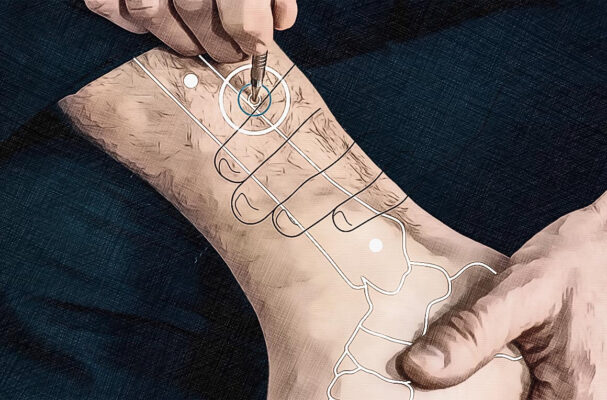
- Meeting point of the three Yin meridians (spleen, liver, kidney)
- Nährt Yin und Blut gleichzeitig
- Stärkt die Verbindung zwischen Niere und Herz
- Calms the mind and promotes sleep
- NICHT während der Schwangerschaft anwenden!
Location: Four finger widths above the highest point of the inner ankle, directly behind the shin.
Application:
2x täglich für 2–3 Min. pro Seite mit mittlerem Druck kreisend massieren. Ideal in Kombination mit Ni 03, um das Yin von Niere, Leber und Milz gleichzeitig zu nähren.
Our App Recommendation
Atemraum: Your App for Mindful Breathing


Breathing is the foundation of physical and mental well-being—and is usually COMPLETELY underestimated in everyday life. Yet hardly anything has such a direct impact: the way we breathe shapes the way we feel.
That's why we created Atemraum: an app with guided breathing exercises that you can take with you anywhere. Wolfgang put together these exercises—along with a 35-day course, quick tips for the moment, and breathing tests that let you track your progress.
Just a few minutes a day is enough. And anyone who uses our personal support If you use it, it already comes with breathing space.


You can try the app for free for 7 days.
Qi Gong
Qi Gong is moving meditation — sanfte, fließende Übungen, die deinen Energiefluss harmonisieren und dein Yin nähren. Bei einem Nieren–Yin und Herz–Yin Mangel helfen diese Übungen, die gestörte Herz–Nieren–Achse wieder ins Gleichgewicht zu bringen, leere Hitze abzusenken und deinen Geist (Shen) zu beruhigen.
Regelmäßiges Praktizieren von Qi Gong (schon 10–15 Min. täglich) zeigt nachweislich positive Effekte auf den Schlaf, die innere Ruhe und die Regeneration deiner Yin–Reserven.
QI GONG: Exercise 1
Open heart
Calms the Shen, opens the chest
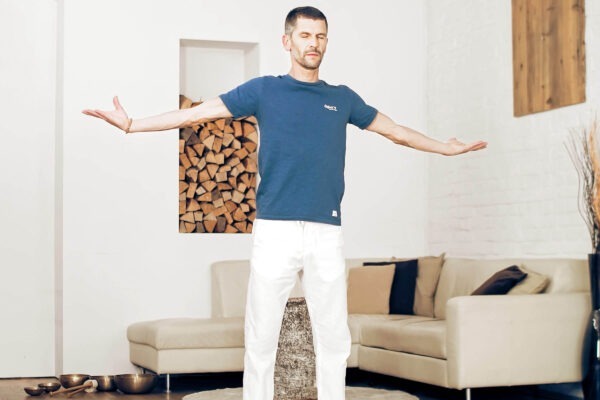
Particularly helpful for:
- Palpitations and inner restlessness
- Schlaflosigkeit und nächtlichem Erwachen
- Tightness in the chest
- Rastlosigkeit und Ängstlichkeit
Effect:
Diese Übung weitet den Brustkorb und öffnet den Herz–Meridian. Bei einem Herz–Yin Mangel verliert der Shen seine Verankerung — diese Übung hilft, den Geist wieder im Herzen zu verankern und leere Hitze aus dem Oberen Erwärmer abzusenken. Besonders wirksam abends vor dem Schlafengehen.
QI GONG: Exercise 2
Collect Qi
Sammelt Lebensenergie, beruhigt den Geist
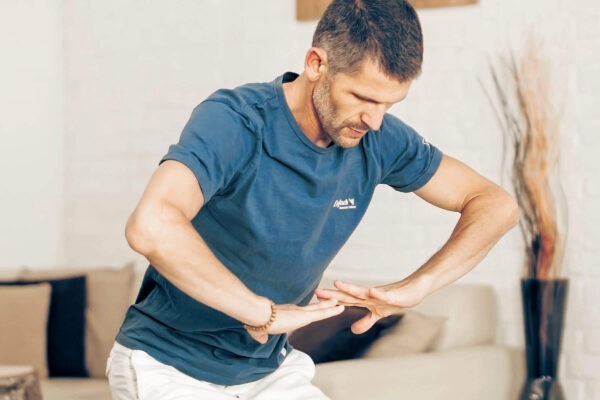
Particularly helpful for:
- Exhaustion and lack of energy
- Inner restlessness and nervousness
- Nachtschweiß und leerer Hitze
- Allgemeiner Yin–Schwäche
Effect:
Diese Übung sammelt vitale Energie aus allen Richtungen und leitet sie ins Untere Dantian — den Sitz des Nieren–Yin. Das gesammelte Qi unterstützt die Regeneration der Yin–Reserven und hilft, die Verbindung zwischen Niere und Herz wiederherzustellen. Ideal morgens, um mit ruhiger Energie in den Tag zu starten.
QI GONG: Exercise 3
Look backwards
Dehnt den Leber–Meridian, fördert den Qi–Fluss

Particularly helpful for:
- Tension in the neck and shoulder area
- Müden, trockenen Augen
- Qi–Stagnation und emotionaler Anspannung
- Schwindel und Tinnitus
Effect:
Diese Übung dehnt sanft den Leber–Meridian und fördert den freien Qi–Fluss im gesamten Körper. Bei einem Yin Mangel stagniert das Qi häufig — besonders im Schulter– und Nackenbereich. Durch die sanfte Drehbewegung werden Blockaden gelöst, die Augen (das Sinnesorgan der Leber) erfrischt und aufsteigende Hitze kann besser absinken.
These Qi Gong exercises sind speziell für die Nährung des Nieren– und Herz–Yin ausgewählt. Sie beruhigen den Shen, stärken die Herz–Nieren–Achse und helfen, leere Hitze abzusenken.
Praktiziere „Herz öffnen“ am besten abends vor dem Schlafengehen — so beruhigst du deinen Geist und bereitest dich auf einen erholsamen Schlaf vor. „Qi sammeln“ eignet sich ideal für den Morgen, um ruhige Energie für den Tag zu tanken. „Nach hinten schauen“ kannst du jederzeit einsetzen, besonders bei Verspannungen oder müden Augen.
QI GONG:
When and how often?
Abends vor dem Schlafengehen (ideal):
- „Herz öffnen“ als Einschlaf–Ritual: ca. 5–10 Min.
- Beruhigt den Shen und senkt leere Hitze ab
- Am besten zwischen 19 und 21 Uhr (Herzbeutel–Zeit)
Morgens für ruhige Energie:
- „Qi sammeln“ und „Nach hinten schauen“ als Morgenroutine: ca. 10–15 Min.
- Baut Yin–stützende Energie auf, ohne zu erschöpfen
Regularity is more important than duration:
- It is better to exercise for 10 minutes every day than for 60 minutes once a week.
- Nach 2–3 Wochen merkst du erste Veränderungen beim Schlaf
- Nach 2–3 Monaten regelmäßiger Praxis: deutlich mehr innere Ruhe und weniger Hitzesymptome
Pro tip: Bei einem Yin Mangel sind besonders sanfte, langsame Bewegungen wichtig. Vermeide intensive körperliche Anstrengung und starkes Schwitzen — das verbraucht Yin und trocknet deinen Körper weiter aus. Qi Gong ist ideal, weil es Energie aufbaut, ohne sie zu verbrauchen. Achte darauf, die Übungen bewusst langsam und mit ruhiger Atmung auszuführen.
LIVE EVERY MONDAY: QI GONG WITH WOLFGANG
Every Monday at 6:00 p.m. Let's practice together live on YouTube. Among other things, Wolfgang will guide you through a complete qigong sequence — free of charge and suitable for all levels.
Why participate live? ✓ Working out together keeps you motivated ✓ Wolfgang explains the exercises in detail ✓ You can ask questions in the live chat ✓ A set time helps keep your routine on track
More about Qi Gong LiveMeridian Yoga — The Yoga of TCM
Meridian Yoga combines yoga with traditional Chinese medicine. The result is a holistic exercise concept for better health and more energy.
Die folgenden Übungen aktivieren gezielt den Herz–Meridian — denn wenn sowohl Nieren–Yin als auch Herz–Yin erschöpft sind, verliert der Shen (Geist) seine Verankerung und die Verbindung zwischen Herz und Niere wird gestört. Sanfte Brustöffnungen und Dehnungen entlang der Arminnenseite helfen, den Herz–Meridian durchlässig zu machen, den Shen zu beruhigen und die Herz–Nieren–Achse wieder zu harmonisieren.
MERIDIAN YOGA: Exercise 1
Open heart for the heart meridian
Öffnet den Brustraum, beruhigt den Shen

Particularly helpful for:
- Schlaflosigkeit und nächtlicher Unruhe
- Palpitations and a racing heart
- Night sweats and hot flushes
- Innerer Anspannung und Rastlosigkeit
Effect:
Diese Übung öffnet den Herz–Meridian, der an der Innenseite des Arms verläuft, und weitet den Brustkorb sanft. Durch das Öffnen des Brustraums wird die Verbindung zwischen Herz und Niere gestärkt — das kühle Nieren–Wasser kann wieder zum Herz–Feuer aufsteigen. So findet der Shen zurück in seine Verankerung und innere Ruhe kehrt ein.
MERIDIAN YOGA: Exercise 2
Shell stretch for the heart meridian
Stretches the heart meridian gently while lying down
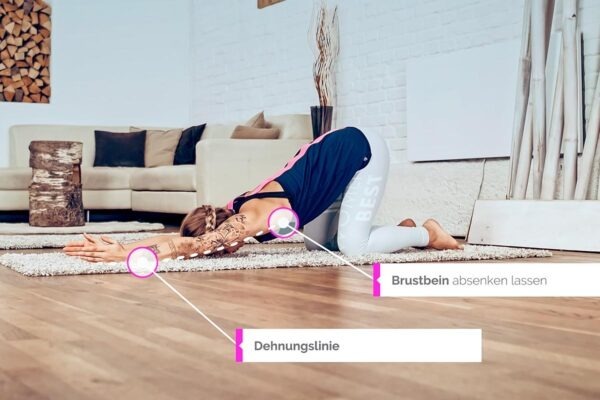
Particularly helpful for:
- Schlaflosigkeit und Durchschlafproblemen
- Nachtschweiß und leerer Hitze
- Palpitations and inner restlessness
- Erschöpfung mit gleichzeitiger Rastlosigkeit
Effect:
Der Shell Stretch ist eine besonders sanfte, regenerierende Übung, die den Herz–Meridian im Liegen dehnt. Die liegende Position ist ideal bei Nieren–Yin und Herz–Yin Mangel — sie schont die Substanz und wirkt kühlend. Diese Übung beruhigt das Nervensystem, senkt aufsteigende leere Hitze ab und hilft dem Shen, zur Ruhe zu kommen.
Beide Übungen aktivieren den Herz–Meridian, der an der Innenseite des Arms verläuft und direkt mit dem Herzen verbunden ist. Bei einem kombinierten Nieren–Yin und Herz–Yin Mangel ist es besonders wichtig, den Herz–Meridian sanft und ohne Überanstrengung zu öffnen — so kann die Herz–Nieren–Achse sich wieder harmonisieren und der Geist findet zurück in seinen ruhigen Ankerplatz.
Particularly effective: Halte jede Position für 3–5 Atemzüge und stelle dir dabei kühles, klares Wasser vor, das von den Nieren sanft zum Herzen aufsteigt und das innere Feuer beruhigt.
MERIDIAN YOGA:
When and how often?
Best time:
- Midday between 11 a.m. and 1 p.m. (heart time)
- Oder abends vor dem Schlafengehen — ideal bei Schlaflosigkeit und Nachtschweiß
Duration:
- Hold each position for 3–5 breaths.
- Complete sequence: 10–15 minutes
- 3–5 times per week for best results
Important:
- Übe in einer ruhigen, kühlen Atmosphäre — Hitze verschlimmert den Yin Mangel
- Atme während der Positionen tief, langsam und gleichmäßig
- Dehnung sollte angenehm und sanft sein, niemals schmerzhaft oder anstrengend
Pro tip: Kombiniere Meridian Yoga mit den Qi Gong–Übungen „Herz öffnen“ und „Qi sammeln“. Bei Nieren–Yin und Herz–Yin Mangel ist Schonung besonders wichtig — vermeide anstrengende, erhitzende Yoga–Stile wie Hot Yoga oder Power Yoga und bevorzuge sanfte, kühlende, regenerierende Praktiken.
Nutrition according to TCM
„Let food be your medicine.“ — dieser Grundsatz gilt in der TCM seit Jahrtausenden. Bei einem Nieren–Yin und Herz–Yin Mangel ist die richtige Ernährung entscheidend, um dein Yin wieder aufzubauen und die innere Hitze zu beruhigen.
Das Yin gehört zu den Elementen Water (kidney) and fire (heart) and needs kühle bis neutrale, befeuchtende und nährende Nahrung, um regeneriert zu werden. Schwarze Lebensmittel nähren dabei die Niere, beruhigende Nahrung stützt das Herz.
What you eat, HOW you eat and WHEN du isst — all das beeinflusst dein Yin und deinen Geist.
Die goldenen Regeln für starkes Yin
What is good for you:
Yin–nährende kühle Lebensmittel
- Birnen — kühlen und befeuchten die Lunge und Niere
- Melonen — erfrischen und nähren die Säfte
- Gurken und Tomaten — kühlen sanft
- Spargel, Zucchini, Sellerie
Kühle Nahrung gleicht die innere Hitze aus!
Schwarze Lebensmittel (Nieren–Yin)
- Schwarzer Sesam — klassisches Nieren–Yin–Tonikum
- Schwarze Bohnen — nähren Niere und Essenz
- Schwarzer Reis — stärkt Niere und Blut
- Maulbeeren — nähren Yin und Blut
Schwarz ist die Farbe der Niere — schwarze Nahrung nährt das Nieren–Yin!
Herz–beruhigende Lebensmittel
- Lotus–Samen — beruhigen den Geist (Shen)
- Weizen — kühlt und nährt das Herz
- Maulbeeren und Longan — nähren Herz–Blut
- Lilienzwiebeln (Bai He) — befeuchten und beruhigen
Ein genährtes Herz findet zurück zur Ruhe
Foods That Help Keep You Hydrated
- Ente — kühlt und nährt das Yin
- Schweinefleisch — befeuchtet und baut Säfte auf
- Tofu und Sojamilch — sanft kühlendes Eiweiß
- Goji–Beeren, Walnüsse, Honig
Feuchtigkeit und Säfte sind die Grundlage des Yin
What you should avoid:
Hot spices
- Chili and hot peppers
- Ginger in large quantities
- Knoblauch (roh und in Übermaß)
- Pfeffer, Zimt, Nelken
Schärfe trocknet das Yin aus und verstärkt die innere Hitze!
Alkohol und Koffein
- Alcohol in any form
- Coffee — it heats up and dries out
- Energydrinks — extrem erhitzend
- Black tea in large quantities
Alkohol und Koffein verbrennen dein Yin!
Fried and grilled food
- All kinds of fried foods
- Stark gegrilltes Fleisch
- Potato chips and salty snacks
- Gebackenes mit viel Fett
Heiße Zubereitungsarten erzeugen innere Hitze!
Erhitzende und trocknende Lebensmittel
- Lammfleisch — zu erhitzend
- Wild und Rehfleisch
- Trockenobst in Übermaß
- Geröstete Nüsse (stark erhitzend)
Erhitzende Nahrung verstärkt den Yin–Mangel!
HOW YOU SHOULD EAT:
Sanft gekocht und befeuchtet
- Suppen, Eintöpfe und Congees bevorzugen
- Gemüse dämpfen oder sanft kochen
- Schonende Zubereitungsarten wählen
- Nicht zu heiß und nicht zu kalt essen
Regularly and at rest
- 3 fixed meals a day
- Biggest meal at lunchtime
- Light and early in the evening (before 7 pm)
- In Ruhe essen, gut kauen — Hektik trocknet das Yin aus
Dein Körper baut Yin am besten in Ruhe auf!
Drink properly
- Warmes Wasser — nicht kalt: die leere Hitze weicht dem genährten Yin, nicht der Kälte
- Chrysanthementee — kühlt und beruhigt
- Goji–Beeren–Tee (Beeren mitessen!)
- Do not drink with meals
Ausreichend trinken nährt die Säfte und das Yin
IDEAL MENU FOR ONE DAY:
Breakfast (7–9 a.m.):
- Schwarzer–Sesam–Congee mit Goji–Beeren und Honig
- In addition: Chrysanthemum tea or warm water
Lunch (12–1 p.m.):
- Ente mit gedämpftem Gemüse und schwarzem Reis
- In addition: Gurken– oder Tomatensalat
- Or: Tofu and vegetable soup with lotus seeds
Dinner (6–7 p.m.):
- Weizengraupe–Suppe mit Lilienzwiebeln
- Or: Steamed fish with spinach
- In addition: Small portion of rice
Snack if needed:
- 1 Birne (gedämpft oder roh)
- Or: Handful of goji berries and walnuts
- Or: Maulbeeren mit Honig
The most important rule when changing your diet is:
Start with ONE step!
Don't change everything at once.
Our suggestion for getting started:
- Kaffee und Alkohol reduzieren, mehr Wasser und Tee trinken — 2 Wochen
- Täglich schwarzen Sesam und Goji–Beeren in deine Mahlzeiten einbauen — 2 Wochen
- Scharfe Gewürze und Frittiertes weglassen — 2 Wochen
Schritt für Schritt wirst du merken, wie dein Yin wieder aufgebaut wird, dein Schlaf sich verbessert und die innere Hitze nachlässt.
Your yin will thank you!
REZEPT: SCHWARZER–SESAM–CONGEE MIT GOJI
Ingredients:
For 2-3 portions
- 80 g Reis (Rundkorn oder Jasminreis)
- 3 tbsp black sesame seeds (roasted)
- 2 tbsp goji berries
- 1 tbsp honey
- 800 ml water
- 1 pinch of salt
- Optional: 1 EL Walnusskerne, gehackt
Preparation:
- Reis waschen und mit dem Wasser in einen Topf geben
- Zum Kochen bringen, dann Hitze reduzieren
- Schwarzen Sesam im Mörser leicht anstoßen oder im Mixer grob zerkleinern
- Sesam nach 30 Min. zum Reis geben, weitere 15–20 Min. köcheln lassen
- Goji–Beeren 5 Min. vor Ende hinzufügen
- Season to taste with honey and a pinch of salt
- Optional: Mit gehackten Walnüssen bestreuen
Effect:
Nourishes the kidney yin and the essence (jing)
Befeuchtet Haut, Haare und Schleimhäute
Beruhigt den Geist und fördert guten Schlaf
3–4x pro Woche als Frühstück — ideal für den Yin–Aufbau!
REZEPT: BIRNEN–LOTUS–SUPPE
Ingredients:
Für 3–4 Portionen
- 3 reife Birnen (geschält, entkernt)
- 30 g Lotus–Samen (getrocknet, eingeweicht)
- 15 g Lilienzwiebeln (Bai He, getrocknet)
- 2 tbsp goji berries
- 2 EL Honig oder Kandiszucker
- 1 L water
- Optional: 5 red dates (pitted)
Preparation:
- Lotus–Samen über Nacht einweichen, grünen Keim entfernen
- Lilienzwiebeln 30 Min. in warmem Wasser einweichen
- Birnen in große Stücke schneiden
- Wasser zum Kochen bringen, Lotus–Samen hinzufügen
- 20 Min. köcheln, dann Birnen und Lilienzwiebeln dazugeben
- Weitere 15–20 Min. sanft köcheln lassen
- Goji–Beeren 5 Min. vor Ende hinzufügen, mit Honig abschmecken
Effect:
Kühlt leere Hitze und nährt das Yin von Niere und Herz
Beruhigt den Geist (Shen) und fördert erholsamen Schlaf
Befeuchtet trockene Schleimhäute und lindert Hitzewallungen
2–3x pro Woche als Dessert oder Abendsnack — kühlt und beruhigt!
Breathing
Breathing is the bridge between body and mind. In TCM, it is said: „The lungs govern the qi“—according to this concept, through conscious breathing you can directly influence your qi flow and find a deeper sense of calm.
Breathe calmly and slowly: Deep abdominal breathing noticeably calms many people—their breathing becomes deeper, their shoulders relax, and their minds become clearer. The good news: Just 5–10 minutes a day can make a difference in your well-being.
Recommended breathing techniques
ABDOMINAL BREATHING — The basis for every breathing technique
Natural breathing
Abdominal breathing is the most natural and calm form of breathing. According to the teachings of TCM, with every breath you bring qi into your body’s center (Dantian).
Wolfgang shows you step by step, How to learn abdominal breathing correctly—lying down to start with, then later also sitting and standing.
Duration: 9 minutes

4–7–8 BREATHING — Find Peace
Calm Breathing for the Evening
With the 4–7–8 breathing technique, you inhale for 4 seconds, hold your breath for 7 seconds, and exhale for 8 seconds. This steady rhythm helps many people wind down in the evening—ideal when your mind won’t shut off at night.
Perfect for the evening or whenever you want to calm down quickly.
Duration: 9 minutes
To the interactive videoBOX BREATHING — For inner coherence
Professional breathing for focus and calmness
Box Breathing (4 seconds on, 4 seconds hold, 4 seconds off, 4 seconds hold) combines activation and relaxation in perfect balance. This method is used by elite soldiers, athletes, and executives to remain calm and focused even in extremely stressful situations.
A steady 4–4–4–4 rhythm A balance of activity and stillness—many people find it clarifying and grounding.
Duration: 9 minutes
To the interactive videoCOHERENT BREATHING — Brings Body and Mind into Harmony
Calm Breathing for Balance
With coherent breathing Breathe in for 5.5 seconds and out for 5.5 seconds. This rhythm brings your heart and breathing into a steady rhythm—a state known as „coherence.“ Many people use it as a regular breathing break in their daily lives.
A nice side effect: The heart and breath settle into a calm, synchronized rhythm.
Duration: 14 minutes
To the interactive video
COHERENT BREATHING Around the clock
Our 24/7 livestream on coherent breathing runs non-stop. You can tune in at any time and join in right away.
Perfect for:
✓ Spontaneous breaks to catch your breath in between
✓ If you'd like some gentle breathing guidance
✓ As background while working
✓ For the evening and to wind down
✓ For regular daily practice
relaxation
When your body is relaxed, Things tend to flow more easily. Persistent tension keeps you in a constant state of stress. By using specific relaxation techniques, you signal to your body to calm down and recharge.
Progressive muscle relaxation It is one of the best-known relaxation methods and has been practiced for over 100 years. It helps you become aware of tension, actively let go of it, and achieve a state of deep relaxation—whenever you want.
Recommended relaxation technique
PROGRESSIVE MUSCLE RELAXATION (PMR)
The Classic Relaxation Method
Progressive muscle relaxation according to Jacobson is one of the best-known relaxation techniques worldwide. By deliberately tensing and relaxing individual muscle groups, you learn to consciously recognize tension and release it.
That's what it feels like:
Step by step, the body becomes heavier and calmer, and the breathing more even. Many people make this a regular part of their evening routine to help them fall asleep easily.
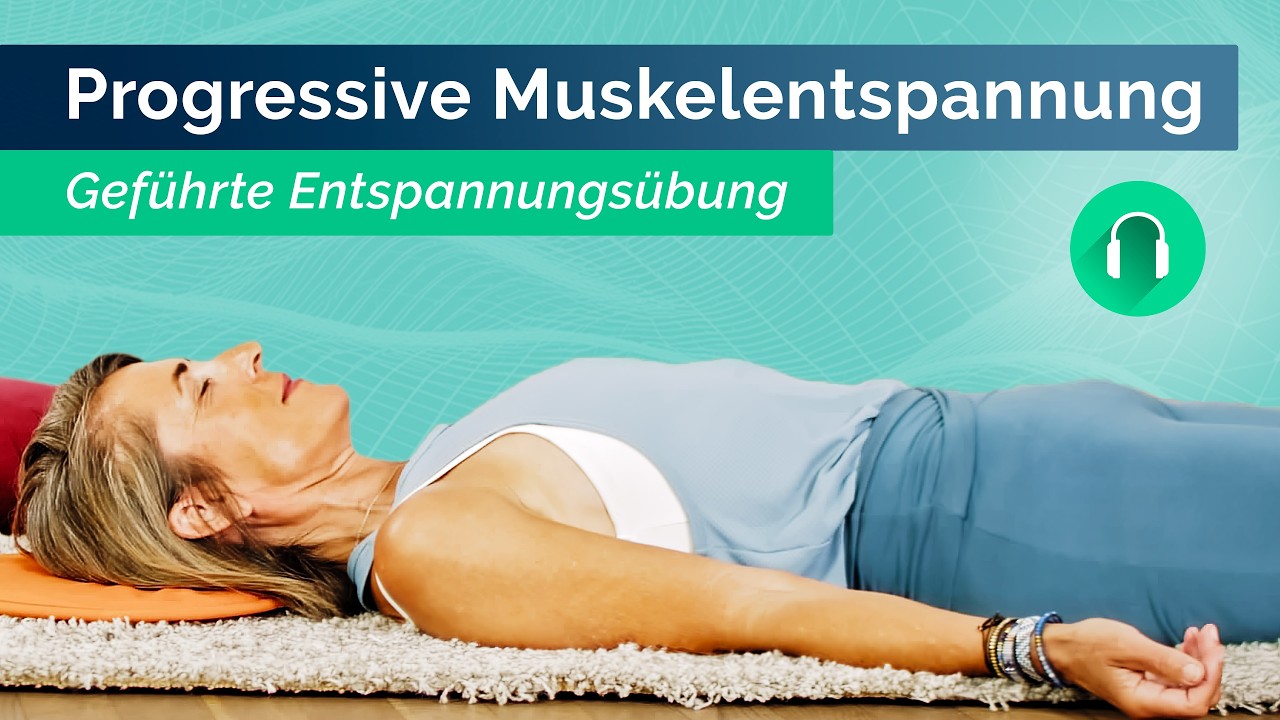
Maria guides you step by step through the entire exercise—perfect for beginners and advanced practitioners alike.
Duration: 23-minute complete guide
To the guided PMRMeditation
Meditation calms the mind — and a calm mind is good for your whole being. In TCM, it is said that every emotion affects a specific organ. Through regular meditation, you’ll learn to step away from racing thoughts, find emotional balance, and strengthen your inner center.
Just 10 minutes a day can do a lot to help you find inner peace. As a result, many people find that their daily lives become more relaxed and clear.
Recommended meditations
GUIDED MEDITATIONS FOR EVERY DAY
Your personal meditation library
We have a complete Playlist with over 60 guided meditations, breathing exercises, and relaxation techniques—from short 5-minute meditations for in between to deep 30-minute sessions for intensive practice.
In the playlist you will find:
- Morning meditations for a mindful start to the day
- Meditations for restful sleep
- Breathing meditations for inner peace
- Meditations for Moments of Calm Amid Stress and Worry
- TCM standing meditations for all 5 elements
- Body scan and body journeys
- Meditations for Peace of Mind and Body
- Special breathing techniques (4–7–8, coherent breathing, bee breathing)
Perfect for beginners and advanced practitioners. Choose the right meditation for you depending on your time, the time of day, and your needs.
To the meditation playlistDie Niere ist die Wurzel des Lebens, das Herz der Kaiser aller Organe.
Wenn Nieren–Yin und Herz–Yin im Gleichgewicht sind, kühlt das Wasser das Feuer und der Geist findet Ruhe. Harmonie zwischen Herz und Niere ist die Grundlage inneren Friedens.
- Loosely based on the HUANG DI NEI JING
(The Yellow Emperor's Classic of Internal Medicine)
More tips for your everyday life
In addition to traditional TCM treatment methods gibt es viele kleine Alltagsgewohnheiten, die dein Nieren– und Herz–Yin stärken können. Das Yin ist in der TCM die kühlende, nährende und befeuchtende Substanz des Körpers — mit den richtigen Gewohnheiten kannst du es wirksam aufbauen und die Harmonie zwischen Herz und Niere wiederherstellen.
Sleep and rest
Sufficient sleep
Im Schlaf regeneriert sich das Yin:
- 7–8 hours of sleep per night is ideal
- Vor 23 Uhr ins Bett — das Yin regeneriert sich in den Nachtstunden am stärksten
- Die Zeit zwischen 23 und 1 Uhr gehört der Gallenblase, zwischen 1 und 3 Uhr der Leber — beide Phasen nähren das Yin
- Ein kühler, dunkler Raum fördert tiefen Schlaf und reduziert Nachtschweiß
- Bei Einschlafproblemen: Akupressur auf He 07 und Ni 03 vor dem Schlafengehen
Midday rest
Kurze Erholung am Tag unterstützt die Yin–Regeneration:
- 10-20 minutes midday rest is ideal
- Die Herz–Zeit liegt zwischen 11 und 13 Uhr — perfekt für eine kleine Pause
- Auch nur Augen schließen und bewusst atmen hilft dem Herz–Yin
- No longer than 30 minutes - otherwise your night's sleep will be disturbed
Avoid revision
Erschöpfung zehrt am Yin:
- Lange Arbeitszeiten und chronischer Stress erschöpfen das Nieren–Yin
- Schedule regular breaks — every 90 minutes
- Nachtarbeit unbedingt vermeiden — sie verbraucht das Yin besonders stark
- Bei Yin–Mangel gilt: lieber weniger tun, aber konsequent
- Plan sufficient vacation and relaxation
Die Herz–Nieren–Achse stärken
Fußbad am Abend
Verbindet Herz und Niere und zieht die Wärme nach unten:
- Täglich 15–20 Minuten warmes Fußbad (ca. 38–40 Grad) — bei Diabetes, tauben Füßen oder Durchblutungsstörungen die Temperatur vorher mit dem Handgelenk oder einem Thermometer prüfen: Wer die Wärme nicht mehr spürt, verbrüht sich, ohne es zu merken
- Leitet überschüssige Hitze vom Kopf und Herzen nach unten ab
- Fördert die Verbindung zwischen Feuer (Herz) und Wasser (Niere)
- Ideal vor dem Schlafengehen — beruhigt den Geist und fördert den Schlaf
- Optional: Salz oder Chrysanthemenblüten ins Wasser geben
Meditation and Mindfulness
Beruhigt den Shen (Geist) und nährt das Herz–Yin:
- Täglich 10–15 Minuten stille Meditation
- Atemmeditation: langsam einatmen, länger ausatmen — beruhigt das Herz–Feuer
- Den Atem bewusst in den Unterbauch (Dantian) lenken — stärkt die Niere
- Achtsamkeitsübungen im Alltag: bewusst essen, bewusst gehen
- Abends Bildschirmzeit reduzieren — blaues Licht erregt den Geist
Emotional balance
Übermäßige Emotionen schädigen das Herz–Yin:
- Ständige Aufregung und emotionaler Stress erschöpfen das Herz–Yin
- Angst und Furcht schwächt die Niere — einen ruhigen Umgang damit finden
- Übermäßige Freude und Begeisterung zerstreuen den Shen
- Gelassenheit üben — nicht jede Situation braucht eine sofortige Reaktion
- Soziale Kontakte pflegen, aber auch Stille und Alleinsein genießen
Sanfte Bewegung — kühlend und beruhigend
The right intensity
Bei Yin–Mangel ist sanfte Bewegung entscheidend:
- Sanfte, regelmäßige Bewegung ist ideal — nicht zu viel, nicht zu wenig
- Spaziergänge an der frischen Luft, besonders am Morgen und Abend
- Qi Gong und Tai Chi — bewegen ohne zu erschöpfen, ideal für Yin–Aufbau
- Schwimmen in mäßig temperiertem Wasser — bewegt, ohne zu erhitzen; kaltes Wasser meiden
- Gentle yoga without overexertion
What you should avoid
Intensiver Sport verbraucht das Yin:
- Intensiver Ausdauersport (Marathon, HIIT) erschöpft das Yin stark
- Starkes Schwitzen verbraucht die Körperflüssigkeiten — und damit das Yin!
- Heißes Bikram–Yoga oder Sport in der Mittagshitze meiden
- Strength training to exhaustion
- Sport bei Hitzewallungen, Nachtschweiß oder starker Müdigkeit pausieren
Exercise after eating
A short walk aids digestion:
- 10-15 minutes of slow walking after eating
- Hilft der Milz bei der Transformation der Nahrung in Yin und Blut
- Do not lie down immediately after eating
- Light housework is also good
Leere Hitze kühlen
Cooling drinks
Sanft kühlen ohne die Mitte zu schwächen:
- Chrysanthementee — ein Klassiker der TCM bei aufsteigender Hitze
- Pfefferminztee — kühlt und beruhigt, ideal am Nachmittag
- Gurkenwasser — leicht kühlend und befeuchtend
- Grüner Tee höchstens vormittags und in kleinen Mengen — er kühlt sanft, bringt aber Koffein mit, und das hält bei diesem Muster abends wach
- Birnengetränke — nähren das Yin und befeuchten die Trockenheit
Kühlende Umschläge bei Hitzewallungen
Schnelle Hilfe bei akuter leerer Hitze:
- Kühles (nicht eiskaltes) Tuch auf Stirn, Nacken oder Handgelenke
- Hitzewallungen nicht mit Eis oder eiskalten Getränken bekämpfen — das schadet der Mitte
- Für Getränke gilt auch in der Wallung: warm statt kalt — außen darf gekühlt werden, innen nicht
- Fußbad zieht die Hitze nach unten — warm (ca. 38–40 Grad), in der akuten Wallung ein paar Grad kühler, aber nie kalt: Es ist die Wärme an den Füßen, die das Feuer nach unten holt
Raumklima
Die richtige Umgebung unterstützt die Kühlung:
- Raumtemperatur nicht zu warm halten — frische, kühlere Luft ist angenehmer
- Regelmäßig lüften, besonders vor dem Schlafengehen
- Leichte, atmungsaktive Kleidung und Bettwäsche aus Naturfasern
- Direkte Sonneneinstrahlung und überheizte Räume meiden
- Luftbefeuchter bei trockener Heizungsluft — Trockenheit verstärkt den Yin–Mangel
Important to know
Der Aufbau des Yin braucht Zeit und Geduld. Das Yin zu nähren ist wie das langsame Füllen eines tiefen Brunnens — es geschieht Tropfen für Tropfen. Achte auf die Signale deines Körpers: Schlaflosigkeit, innere Unruhe, Nachtschweiß und Hitzewallungen zeigen, dass du mehr Ruhe, Kühlung und Nährung brauchst. Mit konsequenter Pflege wirst du spüren, wie innere Ruhe und Gelassenheit zurückkehren.
When to see a doctor? Bei anhaltendem Herzklopfen, starkem Nachtschweiß, ausgeprägter Schlaflosigkeit, Schwindel oder anderen besorgniserregenden Symptomen solltest du einen Arzt aufsuchen. Insbesondere Herzklopfen und Herzrasen sollten ärztlich abgeklärt werden. Auch Schilddrüsenwerte und Hormonstatus können relevant sein. TCM und westliche Medizin ergänzen sich hier optimal.
For optimal treatment progress
TCM is not a quick fix for symptoms., but rather a holistic healing process. You will achieve the best results if you consistently integrate the treatment into your daily routine and give your body time to regenerate.
Integration into everyday life
Start with ONE step
Don't try to change everything at once! That's overwhelming and leads to
usually leads to you giving up. Instead:
- Woche 1–2: Koffein und erhitzende Speisen reduzieren, früh schlafen (vor 23 Uhr) — und mit deiner TCM–Kräutermischung beginnen
- Woche 3–4: Yin–nährende Lebensmittel integrieren (schwarzer Sesam, Goji, Maulbeeren)
- Week 5-6: Qi Gong „Open heart“ and „Collect Qi“ 10 min. daily.
- Woche 7–8: Akupressur Ni 03 und He 07 täglich vor dem Schlafengehen
- From week 9: Add further methods as required
Realistic expectations
After 2–3 weeks: First improvements noticeable
- Ruhigerer Schlaf und weniger Nachtschweiß
- Weniger Herzklopfen und innere Unruhe
- Fewer hot flushes
After 6–8 weeks: Significant improvements
- Deutlich besserer Schlaf
- Weniger Tinnitus und Schwindel
- Mehr innere Ruhe und Ausgeglichenheit
After 3–6 months: Sustainable healing
- Nieren– und Herz–Yin spürbar gestärkt
- Body feels moisturized and cooled
- Der Geist findet leicht zur Ruhe, emotionale Stabilität ist zurück
TCM vs. Western medicine
TCM and Western medicine are not mutually exclusive—they complement each other!
When Western medicine is important:
- In acute emergencies
- In case of structural damage
- In case of infections
- For accurate diagnoses (laboratory, imaging)
Where TCM has its strengths:
- In case of functional disorders
- For chronic complaints
- For prevention
- For holistic healing
Ideal: Combine both systems! Use Western medicine for
Acute treatment and accurate diagnosis, TCM for lasting healing
and strengthening the body's self-healing powers.
Important: Never stop taking prescribed medication without consulting your doctor first!
Talk to your doctor when you start TCM treatment.
Do you have any questions?

Wolfgang from meine-tcm.com
TCM is a broad field. Much of it sounds unfamiliar at first glance, and often the real question doesn't arise until you start putting some of it into practice in your daily life.
That's exactly what I'm here for. Write to me—no matter how big or small your question is, whether it’s related to this page or to something else entirely in TCM. I read every message myself and will get back to you. Calmly, clearly, and without any sales pitch.
P.S.: There are no stupid questions. So write to me.
Ask your questionEvery step counts
Your body strives for balance—you just need to create the right conditions for it.
Remember:
👣 Every little step counts
You don't have to be perfect. Even one warm meal a day is better than none. Even 5 minutes of qigong is better than no exercise at all.
⏳ Patience pays off
It took your body years to get to this point. Give it time to regain its balance. Change takes time, but it will happen.
🎯 Focus on what you can DO
Don't concentrate on what you are doing „wrong". Focus on every positive step you take.
💚 Be good to yourself
Perfection does not exist. It is acceptable to have an off day occasionally. Tomorrow is a new day when you can continue.
🤝 You are not alone
Thousands of people are walking this path with you. For over 2,000 years, TCM has been guiding people like you on their journey toward greater well-being.
Track Your Progress

To track your progress, we recommend that you repeat the TCM analysis after about 3 months.
Why does this make sense?
- You can see how your pattern has changed
- You can adjust your group as needed
- It motivates you to keep going
- You'll figure out which steps work best for you
⚠️ Important: Your answers from today will be stored in encrypted form using a code that you received via email. ONLY with this code will you be able to track your progress later. Be sure to keep the email in a safe place!
🔒 YOUR DATA IS SAFE
We store:
✓ Only your email address for reminders
✓ The date for shipping
We do NOT store:
✗ Your analysis results
✗ Your personal information
✗ The connection between email and the sample
All analysis data is completely anonymous and is not linked to your email address.
Newsletter
Stay up to date with our newsletter. Besides useful tips and tricks for training and your everyday life, you won't miss any of our new releases.