






On this page you will learn:
- What this pattern means from the perspective of TCM and Western medicine
- Where your complaints come from and how they are connected
- Which specific treatment methods may help you now
- How you can use TCM herbs, acupressure, Qi Gong and diet to dissolve phlegm, drain dampness and clear your lungs again
The good news: Phlegm-Dampness in the lungs can be treated well with the right measures. With a phlegm-loosening diet, targeted acupressure, breathing exercises and time-tested TCM herbs, you can clear your lungs and breathe freely again.
Take your time, getting to know the different treatment approaches — you don't have to put everything into practice at once. Choose what feels right to you and what you can easily fit into your daily life.
Your treatment at a glance:
Which TCM pattern is really behind your complaints?
Degree of the
imbalance

Mild to moderate
Typical
Treatment duration

2–4 months
Self-treatment
Possible

Easy to treat yourself
Treatment
scope

2–3 methods
Suggested
methods

Extensive selection
Our free TCM Analysis shows you your personal TCM pattern in just 10 minutes.
What is Phlegm-Dampness in the Lung?
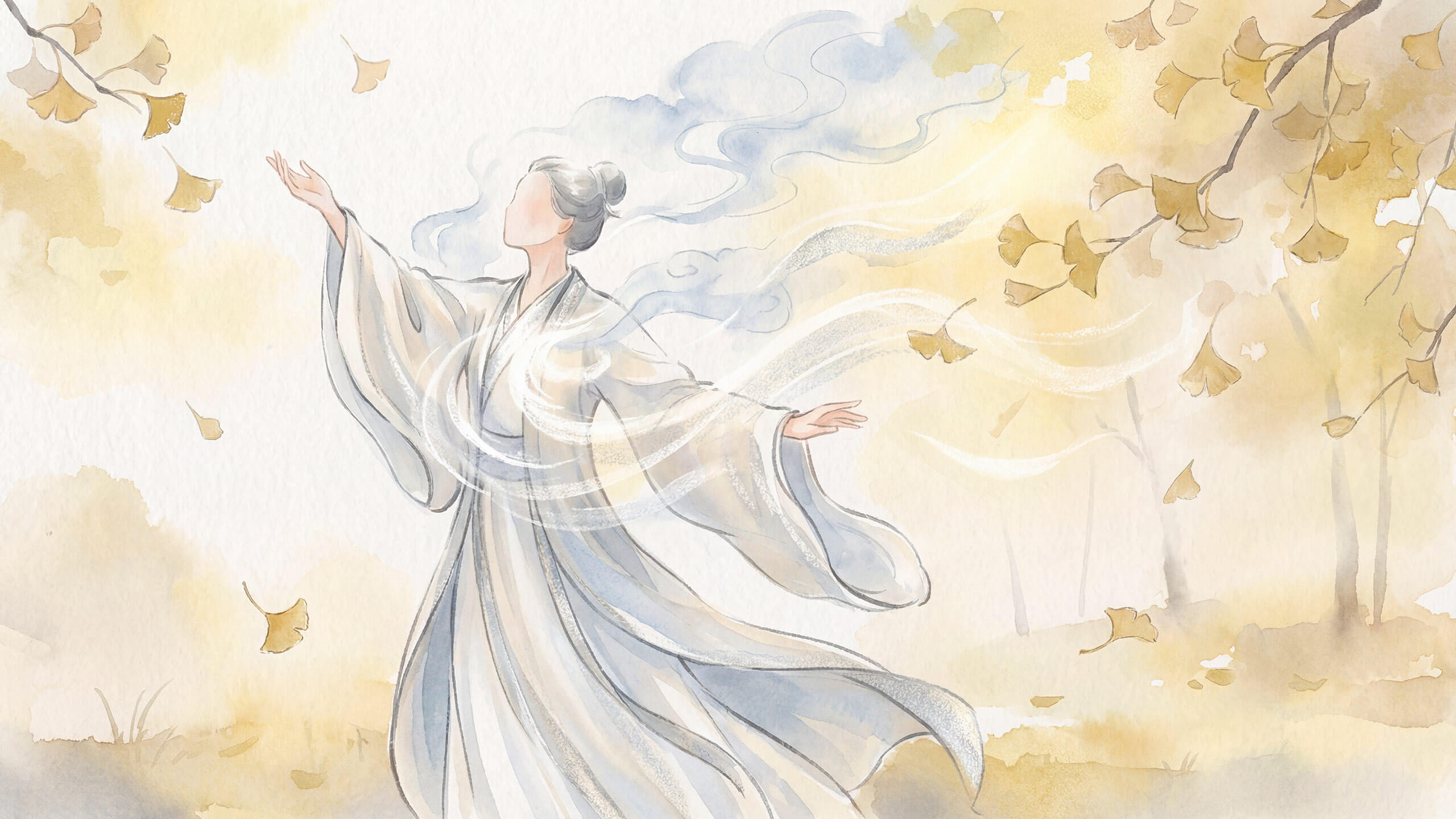
When phlegm and dampness weigh on the lungs
The TCM Perspective: The Lung in a Web of Phlegm and Dampness
In Traditional Chinese Medicine, the lung is called "the canopy" (Hua Gai), because as the uppermost organ it sits protectively over all the others, and "the delicate organ" (Jiao Zang), because it is the most sensitive and is the first to react to external influences. The lung governs Qi and breath, distributes body fluids throughout the body and communicates with the surface of the skin.
Phlegm-Dampness in the lung (Tan Shi Zu Fei) arises when body fluids are no longer transformed properly. The cause usually lies in a weakened Spleen: when the Spleen cannot fulfill its transforming function, dampness collects. Over time, this dampness condenses into phlegm (Tan), which settles in the lung.
In TCM, it is therefore said: "The Spleen is the source of phlegm, the lung is the storehouse of phlegm." This means that the cause often lies in the Center (Spleen), but the symptoms appear in the lung.
What happens when phlegm blocks the lung? Phlegm blocks the airways and interferes with the lung's essential functions: Lung Qi can no longer descend and disperse freely. This leads to coughing, mucus, a feeling of tightness in the chest, and shortness of breath. Phlegm is like a thick, sticky net wrapping around the lungs and preventing them from breathing freely.
Typical signs of Phlegm-Dampness in the Lung:
- Productive cough with white or clear, sticky phlegm
- Fullness and tightness in the chest
- Shortness of breath, especially with exertion
- Rattling sounds when breathing
- Nausea and reduced appetite
- Heaviness and fatigue throughout the body
- Worsens in damp weather or cold
- Greasy, thick tongue coating
The good news: Phlegm-Dampness can be dissolved and expelled well with the right methods. Through a mucus-loosening diet, TCM herbs, breathing exercises and strengthening the Spleen, you can clear your Lungs and breathe freely again.
The Western Perspective: Mucus Buildup and Chronic Respiratory Conditions
From a Western point of view, Phlegm-Dampness in the Lung corresponds to a state of excessive mucus production in the airways. The body normally produces a thin layer of mucus in the bronchi, which serves as a protective barrier and traps foreign particles. When something is disrupted, however, this mucus is overproduced, thickens and blocks the airways.
Picture your lungs as a tree: the bronchi are the branches through which air flows like the wind. When thick mucus builds up in the branches, the wind can no longer blow through freely. The branches become heavy and sluggish, and that is exactly how a congested lung feels: heavy, tight and labored when you breathe.
Common Western diagnoses that correlate with Phlegm-Dampness include chronic bronchitis, COPD (chronic obstructive pulmonary disease), bronchial asthma and chronic sinusitis. Food intolerances, especially to dairy products, can also promote mucus production.
What does modern medicine show?
- Chronic bronchitis: Overproduction of bronchial mucus over a longer period
- Dairy products: May increase mucus production in sensitive people
- Damp environment: Mold spores and moisture burden the airways
- Lack of exercise: Reduces lymphatic drainage and the lungs' self-cleaning
- Diet: Too much sugar and processed foods promote inflammation
- Gut Health: The Gut–Lung Axis Influences the Immune Function of the Airways
Modern research confirms: The TCM theory of the Spleen–Lung connection finds its counterpart in the modern gut–lung axis. Studies show that a disturbed gut flora may promote inflammatory reactions in the airways. Phlegm-dissolving TCM herbs such as Zi Su Zi (Perilla Seed) and Lai Fu Zi (Radish Seed) — the main herbs of the classic formula San Zi Yang Qin Tang — are associated in studies with phlegm-dissolving and anti-inflammatory properties.
TCM care starts right here: it dissolves phlegm, dries dampness, strengthens the Spleen as the root of the problem, and frees the Lung — holistic, lasting and gentle.

The Yellow Emperor's team explains your pattern
Qi Bo | The Yellow Emperor | Dr. Lisa Weber
MASTER OF THE HEALING ARTS | FOUNDER OF TCM | MODERN PHYSICIAN
What happens when the legendary Yellow Emperor of Traditional Chinese Medicine sits down with his advisor Qi Bo and a modern doctor? They discuss your pattern—using 4,000-year-old knowledge AND the latest science.
Phlegm-Dampness in the Lung — When phlegm and dampness weigh on the lungs and breathing becomes difficult
The Yellow Emperor: "Qi Bo, in my realm I see people who cough constantly and bring up thick phlegm. Their chest feels tight, breathing is hard for them, and the symptoms worsen in damp weather. What is the cause of this suffering?"
Qi Bo: "Majesty, these people suffer from Phlegm-Dampness in the Lung, called Tan Shi Zu Fei. The Lung is the most delicate organ of the body. We call it the 'delicate canopy' (Hua Gai). It governs Qi and breath and distributes the body fluids throughout the body. When phlegm and dampness accumulate in the Lung, this distributing function is blocked. The phlegm is like a sticky net enveloping the Lung — the Qi can no longer descend and disperse freely, and the breath stagnates."
Dr. Weber: "That is a very apt description! In Western medicine we know the phenomenon of excessive mucus production in the airways. Normally the bronchi produce a thin layer of mucus as a protective barrier — it traps dust, bacteria and allergens. But when this system is disturbed, the mucus thickens and is overproduced. The bronchi narrow, and gas exchange is hindered. The result: coughing, shortness of breath and the typical tightness in the chest."
The Yellow Emperor: "Where does the phlegm come from? Does it arise in the Lung itself?"
Qi Bo: "Majesty, that is a crucial question! In TCM we say: 'The Spleen is the source of phlegm, the Lung is the storehouse of phlegm.' This means the root of the problem usually lies in the Spleen. The Spleen is responsible for transforming the body fluids. When it is weakened — through improper diet, excessive worry or external dampness — it can no longer transform the fluids properly. Dampness (Shi) arises, which over time condenses into phlegm (Tan). This phlegm rises and settles in the Lung. That is why, when there is phlegm in the Lung, we always treat the Spleen as well!"
Dr. Weber: "That is fascinating! Modern research has discovered the so-called gut–lung axis — a bidirectional communication between the digestive tract and the airways via the immune system. When gut health is disturbed — through poor diet, dysbiosis or inflammation — it can directly influence the immune function of the lungs and promote respiratory illnesses. The TCM idea that the Spleen is the root and the Lung the storehouse therefore has a fascinating scientific basis!"
The Yellow Emperor: „What causes the weakness of the Spleen that leads to Phlegm?“
Qi Bo: „Several factors, Your Majesty. First: cold and raw food — it weakens Spleen energy and hinders transformation. Second: dairy products and sweets — they directly generate Dampness in the body. Third: excessive brooding — the Spleen is connected with the emotion of worry, and brooding weakens it. Fourth: external Dampness — living in damp environments burdens the Spleen. Fifth: lack of movement — without exercise, the fluid circulation stagnates. And sixth: chronic illnesses — over time, they exhaust the Spleen Qi.“
Dr. Weber: „These factors correlate remarkably well with the risk factors for chronic respiratory diseases in Western medicine! A diet rich in sugar and processed foods promotes inflammation and dysbiosis of the gut microbiome. Dairy products can indeed increase mucus production in sensitive people — the A1 casein in cow’s milk may promote inflammatory reactions in some people. Chronic stress raises the cortisol level and weakens immune defenses. And damp environments encourage mold growth, which directly burdens the airways.“
The Yellow Emperor: „How do you distinguish the different kinds of Phlegm?“
Qi Bo: „Your Majesty, Phlegm shows its nature through its appearance. White, clear and thin Phlegm points to Cold Phlegm — here the Spleen is cold and weak. Yellow, thick and sticky Phlegm indicates Heat Phlegm — here the Phlegm has combined with Heat, often during infections. Gray or greenish Phlegm points to deep-seated Damp-Heat. And frothy Phlegm indicates Wind Phlegm. With Phlegm-Dampness in the Lung, we typically see white to clear, abundant and sticky Phlegm — a sign of Cold and Dampness.“
Dr. Weber: „That is very relevant clinically! In Western medicine, we assess the color and consistency of sputum in the same way. Clear or white sputum points to non-infectious causes, such as allergies or chronic bronchitis. Yellow or green sputum often contains neutrophils and points to bacterial infections. Bloody sputum requires immediate evaluation. So the TCM differentiation by Phlegm quality is a valuable diagnostic tool!“
The Yellow Emperor: „Which signs on the tongue and pulse reveal Phlegm-Dampness in the Lung?“
Qi Bo: „The tongue is swollen and moist — a sign of accumulated Dampness. The tongue coating is thick, white and sticky — the visible expression of the Phlegm. Sometimes tooth marks are visible, because the swollen tongue presses against the teeth — a classic sign of Spleen weakness and Dampness. The pulse is slippery (Hua Mai) — it feels smooth and rolling, like a pearl gliding across a dish. This is the characteristic Phlegm pulse.“
Dr. Weber: „The swollen tongue with tooth marks does indeed often correlate with a weakened immune status and an altered fluid balance in the body. Western doctors also notice this in certain patients. The ‚slippery pulse‘ could be related to altered blood viscosity — in chronic inflammation and mucus production, the composition of the blood is often altered.“
The Yellow Emperor: „How do we treat Phlegm-Dampness in the Lung?“
Qi Bo: „The treatment principle is: Hua Tan Zao Shi, Xuan Fei Zhi Ke — transform Phlegm, dry Dampness, open the Lung and stop coughing. First: strengthen the Spleen, because it is the root of Phlegm. Only when the Spleen transforms strongly again does Phlegm production stop. Second: transform Phlegm — with herbs such as Ban Xia (Pinellia) and Chen Pi (tangerine peel), which dissolve Phlegm directly. Third: dry Dampness — with herbs such as Fu Ling (Poria) and Bai Zhu (Atractylodes), which drain Dampness. Fourth: open the Lung — so that Qi can flow freely again and the Phlegm can be coughed up. Fifth: adjust the diet — avoid Phlegm-forming foods and favor drying, warming foods.“
Dr. Weber: „Fascinating! Ban Xia (Pinellia ternata) does show mucolytic properties in studies — it thins mucus and makes it easier to cough up. Chen Pi (Citrus reticulata) contains essential oils with anti-inflammatory and bronchodilating properties. Fu Ling (Poria cocos) is a medicinal mushroom with immunomodulating and diuretic effects. The classic formula Er Chen Tang combines these herbs synergistically — an elegant pharmacological combination that addresses several mechanisms of action at once!“
The Yellow Emperor: „What can you do about your diet?“
Qi Bo: „Diet is decisive for Phlegm-Dampness, Your Majesty! Dairy products are the first thing that must be reduced — they directly generate Dampness and Phlegm. Sugar and sweets likewise. Instead: radish — it dissolves Phlegm and opens the Lung. Ginger — it warms the Spleen and dries Dampness. Thyme — it clears the airways. Pear, gently stewed with a little honey — it moistens the Lung without forming Phlegm. Warm soups and congee strengthen the Spleen. And spices such as cardamom and mustard dissolve Phlegm.“
Dr. Weber: „Nutritionally well founded! Radish contains sulfur compounds and mustard oils that act as mucolytics — they thin the mucus. Ginger contains gingerols and shogaols with strong anti-inflammatory properties. Thyme contains thymol, which is indeed used as an active ingredient in many cough syrups — it acts as a bronchospasmolytic and expectorant. The recommendation to reduce dairy products is supported by many studies, especially in people with chronic respiratory conditions.“
The Yellow Emperor: „Then let us put this wisdom into a practical plan.“
THE 3 SAGES METHOD FOR PHLEGM-DAMPNESS IN THE LUNG
MORNING PROTOCOL (Dissolving Phlegm):
- TCM: Warm ginger water on an empty stomach — warms the Center and dissolves Phlegm
- Science: Ginger contains gingerols, which act as mucolytic and anti-inflammatory agents
- Practical: Steep 3 slices of fresh ginger in hot water for 5 min.
- TCM: Qi Gong "Drawing the Bow" — opens the Lung and strengthens the Metal element
- Science: Deep breathing exercises improve lung function and help move phlegm
- Practical: 10 min. in the morning, breathing deeply and slowly with awareness
- TCM: A warm breakfast of congee or oatmeal — strengthens the Spleen, the root of phlegm
- Science: A warm breakfast gets your metabolism going and is easier to digest
- Practical: Oatmeal with cardamom and a little cinnamon, do NOT use milk
DAYTIME STRATEGY (to drain dampness):
- TCM: Eat light, warm meals at midday — the Spleen needs easily digestible food
- Science: Light food eases the digestive system and reduces inflammatory markers
- Practical: Vegetable soup with radish and ginger, no dairy products
- TCM: Acupressure on Lung 9 (Tai Yuan) — strengthens Lung Qi and resolves Phlegm
- Science: Stimulating this point activates the Lung meridian and may support the airways
- Practical: Massage in circles for 3 min. per side, on the thumb side of the wrist crease
- TCM: Movement in fresh air — fresh air strengthens Lung Qi
- Science: Moderate exercise improves lung function and promotes lymph flow
- Practical: 20–30 minutes of brisk walking in dry weather
EVENING RITUAL (Clear the Lungs):
- TCM: Steam inhalation with thyme — opens the airways and loosens phlegm
- Science: Thymol acts as a bronchospasmolytic and mucolytic
- Practical: Hot water with fresh thyme, inhale for 5–10 min.
- TCM: Acupressure on Lung 7 (Lie Que) — frees the Lung and stops the cough
- Science: This point lies over the radial nerve and may reflexively influence the bronchi
- Practical: Above the wrist on the thumb side, press gently for 3 min. per side
- TCM: Eat a light dinner early — the Spleen needs rest at night
- Science: Eating late burdens digestion and promotes inflammatory processes
- Practical: Light vegetable soup before 7 p.m., no heavy or fatty foods
The Yellow Emperor: "Qi Bo, how long does it take until the phlegm is dissolved?"
Qi Bo: "Your Majesty, that depends on how long the phlegm has already been accumulating. Fresh phlegm dissolves faster than old, deep-seated phlegm. After 2–3 weeks of consistent practice, most people notice less mucus, easier breathing and less coughing. After 6–8 weeks, the improvements become clear: freer breathing, more energy, less susceptibility. After 2–4 months, the phlegm may be dissolved for good — provided the diet has been adjusted and the Spleen strengthened. Without a change in diet, the phlegm keeps coming back."
Dr. Weber: "That agrees well with our clinical experience! The mucous membrane of the bronchi renews itself every few weeks. When the triggering factors — diet, environment, stress — are removed, the mucous membrane can regenerate. The recommendation to treat consistently for 2–4 months is medically very sensible. Dietary change is especially important: without it, one only fights the symptoms, not the cause."
The Yellow Emperor: "What must absolutely be avoided with Phlegm-Dampness?"
Qi Bo: "First: dairy products. They are the biggest phlegm producers! Second: sugar and sweets. They feed Dampness. Third: cold and raw food. It weakens the Spleen. Fourth: greasy and fried foods. They create Damp-Heat. Fifth: white flour products. They burden the Spleen. Sixth: bananas. In TCM they are very damp-forming and phlegm-producing. And seventh: damp surroundings. Keep your living spaces dry and well ventilated."
Dr. Weber: "All of these recommendations have a scientific basis! Casein A1 from cow's milk stimulates mucus production in sensitive people. Refined sugar promotes systemic inflammation by raising inflammatory markers such as CRP and IL-6. Highly processed carbohydrates can negatively affect the gut flora, and via the gut–lung axis they may burden the airways. So TCM dietary recommendations are not just traditional knowledge, but scientifically grounded in nutrition!"
The Yellow Emperor: "So the message is clear: phlegm in the Lung arises in the Spleen and settles in the Lung. Treatment must address both places: strengthen the Spleen and clear the Lung. With the right diet, phlegm-dissolving herbs and gentle movement, we can dissolve the phlegm and restore free breathing."
Qi Bo: [smiles] "Indeed, Your Majesty. The Lung is like a clear autumn sky: when the clouds dissolve, the sun shines through again. With patience, the right food and the wisdom of ancient healing, we can drive out the phlegm and let the Lung breathe again, free, clear and open like a cloudless day."
About our "3 Sages" story
Who are the Yellow Emperor and Qi Bo?
The Yellow Emperor (Huangdi) is said to have lived around 2600 BCE and is regarded as the mythical founder of Chinese culture and medicine. Qi Bo was his most important advisor and personal physician. Their conversations about health, illness, and the nature of human beings were recorded in the most important foundational work of TCM.
The book: Huangdi Neijing
The "Huangdi Neijing," also known as "The Yellow Emperor — The Foundational Work of Traditional Chinese Medicine," was probably written between 200 BCE and 200 CE. It is the oldest surviving work of Chinese medicine and consists of dialogues between the Yellow Emperor and his advisors — mainly Qi Bo.
For TCM, this work is what the Bible is for Christianity: the absolute foundation. All the key concepts — Yin and Yang, the 5 Elements, Qi, meridians, and acupuncture points — are described systematically here for the first time.
Our modern approach: The 3 Sages
In our series "The 3 Sages," we bring the Yellow Emperor and Qi Bo together with the fictional modern physician and microbiologist Dr. Weber.
Important note: All three characters and their conversations are purely fictional and invented by us.
We use this narrative style, similar to the dialogue form in the Huangdi Neijing, to explain the often complex connections within TCM in a way that is easy to follow and entertaining. When the 4,000-year-old emperor is confronted with modern science, illuminating "aha moments" arise that show: ancient wisdom and new research often speak the same language — just in different words.
This is how TCM comes alive, becomes easy to understand, and can be put into practice in your everyday life.
The dialogues are creative interpretations — not historical documents. For medical questions, please consult a qualified TCM practitioner or physician.
Your treatment options
Phlegm-Dampness in the Lung is very treatable! TCM offers you a variety of effective methods to dissolve phlegm, drain Dampness and clear your Lung. You don't have to do everything at once. Choose the methods that suit you and your everyday life.
Here you will find specific treatment approaches that have proven themselves in TCM over thousands of years and that you can mostly do yourself.
TCM Herbs
Herbal medicine (or, in modern terms, phytotherapy) is the MOST IMPORTANT tool of TCM. It is part of every classical TCM treatment. Today there is a suitable herbal blend for every TCM Pattern.

How to get your matching herbal blend
- Search online. Enter Phlegm-Dampness in the Lung "TCM herbal blend" — with the quotation marks — into the search engine of your choice. If you like, add the form: Pressed tablets — in our experience the easiest to take — or Granules. That way you'll see several providers and can compare at your leisure.
- Our therapist directory. In TCM Therapist Directory you'll find TCM therapists near you who tailor a TCM herbal blend to your personal pattern.
- Your TCM pharmacy. Some pharmacies carry TCM herbal blends or will order them for you. Tell them your pattern — or show them this page.
In any case, pay attention to the quality of the TCM herbal blend, not the price — it's worth taking a look at the ingredient list.
Not sure which herbal blend fits your TCM pattern? Write to us. We'll tell you which classical formula traditionally belongs to this pattern and what to look for when choosing.
Request a herbal blend tip
TCM uses many tools. Which of them suit you is the question we hear most often. And it can't be answered in passing.
That's why we offer personal TCM guidance. It begins with a free, no-obligation ONLINE initial consultation with Wolfgang.
After that, you'll receive your personal guidance plan with all of its components and the costs as a proposal. If it feels right for you, we get started: in a second online session (about 30 minutes), Wolfgang goes over your path with you.
Acupressure
Acupressure is acupuncture without needles — you can apply them yourself at any time. Through targeted pressure on certain points, you dissolve phlegm, strengthen Lung Qi and support the Spleen as the root of phlegm formation.
These three points form an effective combination for Phlegm-Dampness in the Lung. Regular stimulation helps dissolve phlegm and clear the airways — geduldige Pflege bringt die Lunge Schritt für Schritt wieder ins Gleichgewicht.
ACUPUNCTURE POINT: Lu 09
Lung 09
Great Abyss — Tai Yuan
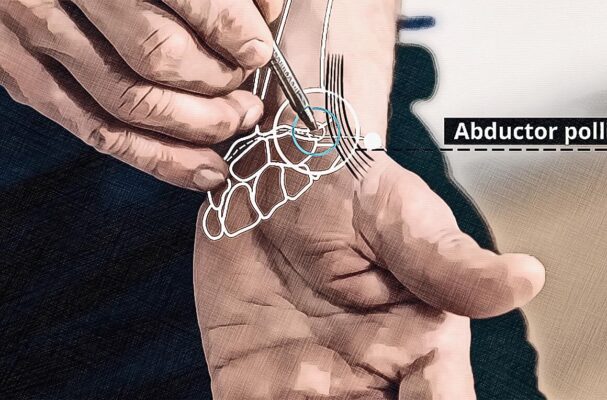
- Stärkt das Lungen–Qi und nährt das Lungen–Yin
- Dissolves mucus and clears the airways
- Master point of the blood vessels
- Wandelt Feuchtigkeit um und stärkt die Abwehrkraft
- Hilft bei Husten mit zähflüssigem Schleim
Location: In der Handgelenkfalte an der Daumenseite, in der Vertiefung neben der Arterie.
Use:
Massage in circles with medium pressure, 2 times daily for 2–3 minutes per side. Ideally in the morning and evening.
ACUPUNCTURE POINT: Lu 07
Lung 07
Broken Sequence — Lie Que
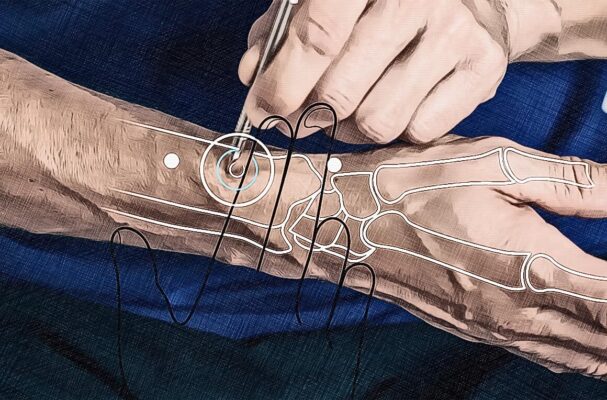
- Befreit die Lunge und öffnet die Atemwege
- Stillt Husten und leitet Schleim aus
- Vertreibt äußeren Wind und Kälte
- Öffnet den Konzeptionsgefäß–Meridian
- Hilft bei verstopfter Nase und Kopfschmerzen
Location: Oberhalb des Handgelenks, ca. 1,5 Cun über Lu 09, an der Daumenseite des Unterarms.
Use:
2x täglich für 2–3 Min. pro Seite mit sanftem Druck massieren. Besonders wirksam zusammen mit Lu 09.
ACUPUNCTURE POINT: St 36
Stomach 36
Three Miles of the Leg — Zu San Li
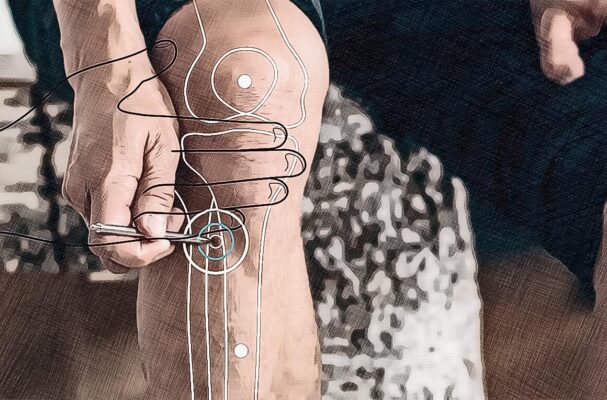
- Stärkt Milz und Magen — die Wurzel der Schleim–Bildung
- Promotes the transformation of moisture
- Stärkt das Qi und hebt die klare Energie
- Gives energy and stamina
- Strengthens the immune system
Location: One hand's width below the kneecap, one thumb's width outward from the edge of the shinbone.
Use:
2x täglich für 2–3 Min. pro Seite kräftig drücken oder kreisend massieren. Kann auch mit Moxibustion gewärmt werden (besonders bei Kälte–Zeichen).
Our app recommendation
Atemraum: your app for mindful breathing


Breathing is the foundation for physical and mental well-being — and in everyday life it is usually COMPLETELY underestimated. Yet hardly anything is as immediate: how we breathe shapes how we feel.
That's why we built Atemraum: an app with guided breathing exercises that you can take with you anywhere. Wolfgang put the exercises together — plus a 35-day course, quick help for the moment, and breath tests that let you see your progress.
A few minutes a day are enough. And if you use our personal guidance you already have Atemraum included.


You can try the app free for 7 days.
Qi Gong
Qi Gong is moving meditation — sanfte, fließende Übungen, die deine Lunge öffnen, tiefes Atmen fördern und den Schleim lösen. Bei Schleim–Feuchtigkeit in der Lunge helfen diese Übungen, das Lungen–Qi zu stärken, den Brustkorb zu weiten und gleichzeitig die Milz zu kräftigen — denn eine starke Milz ist der Schlüssel, um die Schleimproduktion an der Wurzel zu stoppen.
Regelmäßiges Praktizieren von Qi Gong (schon 10–15 Min. täglich) zeigt nachweislich positive Effekte auf die Atemtiefe, Schleimreduktion und allgemeines Wohlbefinden.
QI GONG: Exercise 1
Drawing the Bow
Opens the chest, strengthens the Lung
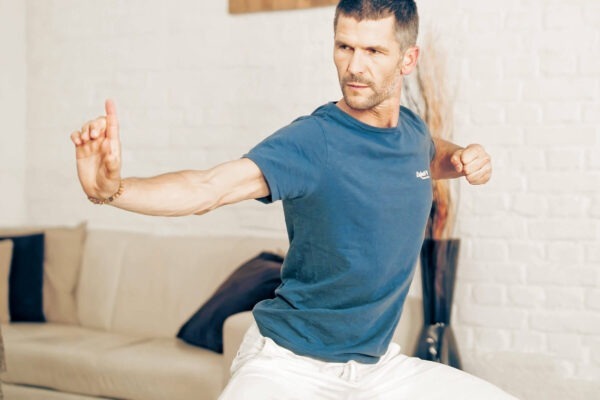
Especially helpful for:
- Feeling of tightness in the chest
- Shortness of breath
- Mucus
- Schwachem Lungen–Qi
Effect:
Diese Metall–Element–Übung öffnet gezielt den Brustkorb und stärkt die Lunge. Durch das weite Öffnen der Arme wird der Brustraum gedehnt, die Lunge kann sich voll entfalten und tiefes Atmen wird gefördert. Ideal um Schleim zu lösen und das Lungen–Qi zu stärken.
QI GONG: Exercise 2
Regulating Qi
Reguliert den Qi–Fluss, harmonisiert die Atmung

Especially helpful for:
- Stagnation und Energielosigkeit
- Unruhigem Qi
- Shallow breathing
- Schlechter Verteilung des Lungen–Qi
Effect:
Diese Übung reguliert den Qi–Fluss im gesamten Körper und harmonisiert die Atmung. Bei Schleim–Feuchtigkeit in der Lunge ist die Verteilungsfunktion des Lungen–Qi gestört — diese Übung hilft, das Qi wieder frei fließen zu lassen und die Atemtiefe zu verbessern.
QI GONG: Exercise 3
Warming the Center
Stärkt die Milz, stoppt die Schleimbildung

Especially helpful for:
- Weak digestion
- Feuchtigkeit und Schleimbildung
- Müdigkeit und Appetitlosigkeit
- Feeling of cold in the abdomen
Effect:
Diese Erde–Element–Übung stärkt gezielt die Milz — die Wurzel der Schleimbildung. In der TCM heißt es: „Die Milz erzeugt den Schleim, die Lunge speichert ihn.“ Durch die sanften, kreisenden Bewegungen wird die Transformationsfunktion der Milz aktiviert und die Schleimproduktion an der Quelle gestoppt.
These Qi Gong exercises sind speziell für die Befreiung der Lunge von Schleim–Feuchtigkeit ausgewählt. Sie öffnen den Brustkorb, stärken das Lungen–Qi und kräftigen die Milz, um die Schleimproduktion zu stoppen.
Die Kombination aus Atemübungen und Qi Gong ist bei Lungen–Beschwerden besonders wirkungsvoll. Wenn das Wetter es erlaubt, praktiziere die Übungen draußen an der frischen Luft — das verstärkt die positive Wirkung auf die Lunge.
QI GONG:
When and how often?
Früh morgens oder vormittags (ideal):
- All 3 exercises as a sequence: approx. 15–20 min.
- Or just 1–2 exercises: approx. 5–10 min.
- Beste Zeit: 3–5 Uhr morgens (Lungen–Zeit) oder 7–9 Uhr (Magen–Zeit)
Throughout the day:
- Individual exercises as needed (e.g., for a feeling of tightness in the chest)
- „Den Bogen spannen“ für schnelle Befreiung der Lunge
Consistency matters more than duration:
- It is better to exercise for 10 minutes every day than for 60 minutes once a week.
- After 2–3 weeks, you will notice your first changes
- Nach 2–3 Monaten regelmäßiger Praxis: deutlich weniger Schleim
Pro tip: Bei Schleim–Feuchtigkeit in der Lunge sind Übungen mit weiten Brustkorb–Öffnungen und bewusstem Ausatmen besonders hilfreich. Atme beim Üben betont lang aus — das fördert die Absenkungsfunktion der Lunge und hilft, Schleim nach unten abzuleiten.
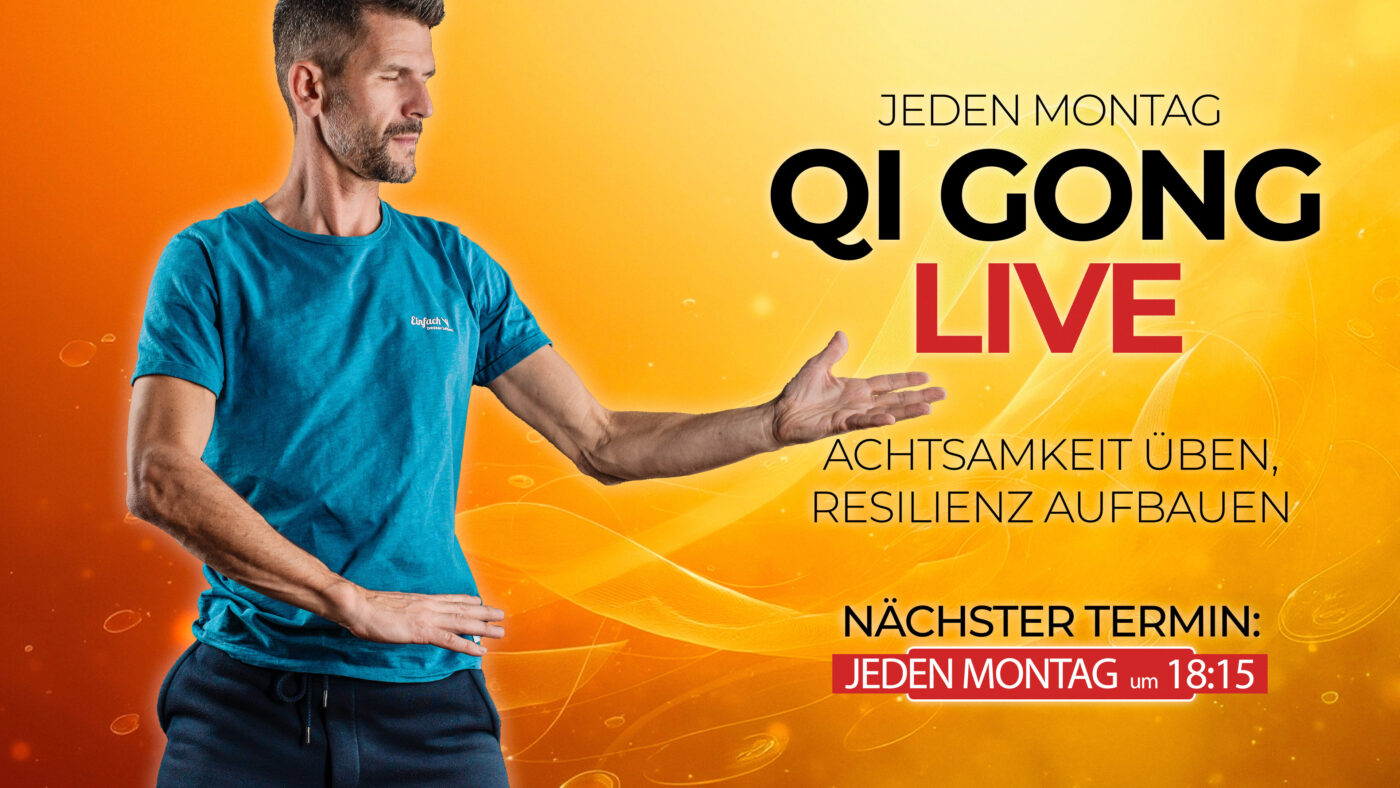
EVERY MONDAY LIVE: QI GONG WITH WOLFGANG
Every Monday at 6:00 p.m. we practice together live on YouTube. Among other things, Wolfgang guides you through a complete Qi Gong sequence — free of charge and suitable for all levels.
Why join live? ✓ Practicing together is motivating ✓ Wolfgang explains the exercises in detail ✓ You can ask questions in the live chat ✓ A fixed time gives your routine structure
More about Qi Gong LiveMeridian Yoga — The Yoga of TCM
Meridian Yoga combines yoga with Traditional Chinese Medicine. The result is a holistic movement concept for more health and energy.
Die folgenden Übungen aktivieren gezielt den Lungen–Meridian — denn die Lunge verteilt das Qi und reguliert die Atmung. Der Lungen–Meridian verläuft an der Innenseite des Arms. Diese Übungen öffnen den Brustkorb, vertiefen die Atmung und helfen, Schleim aufzulösen, indem sie den Qi–Fluss der Lunge aktivieren.
MERIDIAN YOGA: Exercise 1
Makko Ho lung stretch for the lung meridian
Öffnet den Brustkorb, vertieft die Atmung

Especially helpful for:
- breathing problems
- Feeling of tightness in the chest
- Shortness of breath
- Sadness
Effect:
Klassische Makko Ho Übung, die den Lungen–Meridian gezielt dehnt. Sie öffnet den Brustkorb und vertieft die Atmung. Bei Schleim–Feuchtigkeit in der Lunge hilft sie, das Lungen–Qi zu aktivieren und die Atemwege frei zu machen.
MERIDIAN YOGA: Exercise 2
Lung stretch for the lung meridian
Dehnt den Lungen–Meridian, öffnet Brust und Schultern

Especially helpful for:
- breathing problems
- Verspannungen im Brustbereich
- Schwachem Lungen–Qi
- Sadness
Effect:
Diese Übung dehnt den Lungen–Meridian an der Innenseite des Arms und öffnet Brust und Schultern. Bei Schleim–Feuchtigkeit in der Lunge fördert sie den freien Qi–Fluss und unterstützt die Lunge dabei, Schleim abzutransportieren und die Atemwege zu befreien.
Beide Übungen aktivieren den Lungen–Meridian, der an der Innenseite des Arms verläuft und mit der Lunge verbunden ist. Die Lunge regiert das Qi und die Atmung — durch die Aktivierung dieses Meridians unterstützt du sowohl die Atemfunktion als auch die Auflösung von Schleim.
Especially effective: Halte jede Position für 3–5 Atemzüge und visualisiere dabei frische, weiße Energie, die deine Lungen reinigt und den Schleim sanft auflöst.
MERIDIAN YOGA:
When and how often?
Best time:
- Morgens zwischen 3 und 5 Uhr (Lungen–Zeit in der Organuhr) — oder frühmorgens nach dem Aufstehen
- Oder morgens allgemein, um die Lunge für den Tag zu aktivieren
Duration:
- Hold each position for 3–5 breaths
- Complete sequence: 10–15 minutes
- 3–5x per week for best results
Important:
- Practice in a quiet, well-ventilated atmosphere
- Atme während der Positionen tief und langsam — besonders die Ausatmung verlängern
- Stretching should feel comfortable, never painful
Pro tip: Kombiniere Meridian Yoga mit Qi Gong–Übungen wie „Die Mitte wärmen“ oder „Qi sammeln“. Bei Schleim–Feuchtigkeit ist es besonders wichtig, die Atmung zu vertiefen und bewusst auszuatmen — das unterstützt die Lunge beim Abtransport von Schleim.
Nutrition according to TCM
"Let food be your medicine" — dieser Grundsatz gilt in der TCM seit Jahrtausenden. Bei Schleim–Feuchtigkeit in der Lunge ist die richtige Ernährung der wichtigste Schlüssel zur Heilung.
In der TCM gilt: Die Milz ist die Wurzel des Schleims, die Lunge ist der Speicher. Deshalb muss die Ernährung beides ansprechen — die Milz stärken und den Schleim in der Lunge auflösen. Die Elemente Metall (Lunge) und Erde (Milz) brauchen warme, trocknende und schleimlösende Nahrung.
What you eat, HOW you eat, and WHEN du isst — all das entscheidet darüber, ob dein Körper Schleim bildet oder auflöst.
Die goldenen Regeln gegen Schleim und Feuchtigkeit
What does you good:
Schleimlösende Gemüse
- Radish (top expectorant!)
- Frühlingszwiebeln — öffnen die Lunge
- Knoblauch — wärmt und löst Schleim
- Celery - removes moisture
Rettich ist das wichtigste Gemüse gegen Schleim in der Lunge!
Warming Spices
- Ingwer — wärmt die Mitte, löst Schleim
- Kardamom — trocknet Feuchtigkeit
- Senf und Thymian — öffnen die Atemwege
- Zimt und Koriander — stärken die Milz
Gewürze sind deine stärksten Verbündeten gegen Schleim!
Grains and legumes
- Hirse — trocknet Feuchtigkeit, stärkt die Milz
- Reis — leicht verdaulich, stützt die Mitte
- Buchweizen — wärmt und trocknet
- Adzuki–Bohnen — leiten Feuchtigkeit aus
Hirse ist das ideale Getreide bei Feuchtigkeit und Schleim
Schleimlösende Tees
- Ingwertee — wärmt und löst Schleim
- Thymiantee — öffnet die Atemwege
- Pfefferminztee — kühlt leicht, löst Schleim
- Warm water with lemon
Warme Getränke helfen der Lunge, Schleim zu transportieren
What you should avoid:
Milchprodukte (größter Schleimbildner!)
- Milch — erzeugt massiv Schleim
- Cheese (especially soft cheese)
- Yogurt and quark
- Cream and sour cream
Milchprodukte sind der Schleimbildner Nr. 1 — konsequent meiden!
Sugar and Sweets
- White sugar
- Sweets and cakes
- Soft drinks and juices
- Chocolate
Zucker füttert den Schleim und schwächt die Milz!
Feuchtende Nahrungsmittel
- Bananen — sehr feuchtend und verschleimend
- Weißmehlprodukte — belasten die Milz
- Fatty and fried foods
- Erdnüsse und Erdnussbutter
Alles was klebt und schwer im Magen liegt, erzeugt Schleim!
Cold drinks and raw foods
- Iced drinks and ice cream
- Cold water from the refrigerator
- Salads as a main meal
- Smoothies with raw fruit
Kälte lähmt die Milz — und eine schwache Milz produziert Schleim!
HOW YOU SHOULD EAT:
Warm, gekocht und regelmäßig
- Prefer warm meals — always!
- Soups and stews are ideal
- Steamed or cooked vegetables
- Hot breakfast, too (congee!)
Regularly and in peace
- 3 regular meals a day
- Make lunch your biggest meal
- Light and early in the evening (before 7 pm)
- Eat slowly and chew well
The Spleen loves regularity and warmth!
Drinking the right way
- Warm water
- Ginger tea throughout the day
- Thymiantee bei Verschleimung
- Keine kalten Getränke zu den Mahlzeiten
Warme Getränke lösen Schleim — kalte verfestigen ihn!
IDEAL MENU FOR ONE DAY:
Breakfast (7–9 a.m.):
- Hirse–Congee mit Ingwer und Kardamom
- Along with it: Ginger tea or warm water
Lunch (12–1 p.m.):
- Gemüsesuppe mit Rettich und Frühlingszwiebeln
- Along with it: Reis oder Buchweizen
- Or: Hühnerbouillon mit Ingwer und Thymian
Dinner (6–7 p.m.):
- Leichte Gemüse–Pfanne mit Reis
- Or: Warme Suppe mit Sellerie und Karotten
- Along with it: Kleine Portion Hirse
Snack if needed:
- Tasse Ingwertee mit frischem Ingwer
- Or: Handvoll Kürbiskerne
- Or: Gedämpftes Obst mit Zimt
The most important rule when changing your diet is:
Start with ONE step!
Don't change everything at once.
Our suggestion for getting started:
- Milchprodukte konsequent reduzieren — 2 Wochen
- Warmes Frühstück (Hirse–Congee) einführen — 2 Wochen
- Täglich Ingwertee trinken und mit Rettich kochen — 2 Wochen
Schritt für Schritt wirst du merken, wie der Schleim sich löst, die Atmung freier wird und du mehr Energie bekommst.
Your Lung will thank you!
REZEPT: RETTICH–INGWER–SUPPE
Ingredients:
Serves 4
- 500 g weißer Rettich (Daikon)
- 1 Stück frischer Ingwer (ca. 30 g)
- 3 Frühlingszwiebeln
- 1 L Hühnerbrühe oder Gemüsebrühe
- 2 EL Sesamöl oder Olivenöl
- Salz, weißer Pfeffer, frischer Thymian
- Optional: 1 Karotte, 1 Stück Sellerie
Preparation:
- Peel and dice the radish
- Finely chop the ginger and cut the scallions into rings
- Öl in einem Topf erhitzen, Ingwer und Frühlingszwiebeln anschwitzen
- Rettich dazugeben, kurz mitschwitzen lassen
- Add the broth and simmer for 25–30 min.
- Mit Salz, Pfeffer und frischem Thymian abschmecken
- Halb pürieren für eine cremige Konsistenz
Effect:
Resolves Phlegm and frees the Lung
Wärmt die Mitte und stärkt die Milz
Öffnet die Atemwege und fördert den Schleimtransport
3–4x pro Woche — der beste Schleimlöser auf dem Teller!
REZEPT: HIRSE–CONGEE MIT KARDAMOM
Ingredients:
Makes 2–3 servings
- 100 g millet
- 800 ml water
- 3 Kardamomkapseln (leicht angedrückt)
- 1 Stück frischer Ingwer (ca. 10 g)
- 1 pinch of cinnamon
- 1 TL Honig oder Reissirup
- Optional: Kürbiskerne zum Bestreuen
Preparation:
- Hirse gründlich waschen und abtropfen lassen
- Cut the ginger into thin slices
- Hirse mit Wasser, Ingwer und Kardamom aufkochen
- Hitze reduzieren, 30–40 Min. auf niedriger Flamme köcheln
- Stir regularly until a creamy porridge is formed
- Mit Zimt und etwas Honig abschmecken
- Warm servieren, optional mit Kürbiskernen bestreuen
Effect:
Strengthens the spleen and dries moisture
Kardamom und Ingwer lösen Schleim auf
Wärmt die Mitte und beugt neuer Schleimbildung vor
Täglich zum Frühstück — der perfekte Start in den Tag!
Breathing
Breathing is the bridge between body and mind. In TCM it is said: "The Lung governs the Qi" — according to this idea, conscious breathing lets you address your Qi flow directly and settle into deeper calm.
Breathe calmly and slowly: Deep belly breathing noticeably calms many people — the breath becomes deeper, the shoulders drop, and the mind becomes clearer. The good news: Even 5–10 minutes a day can make a difference for your well-being.
Recommended breathing techniques
ABDOMINAL BREATHING — The foundation for every breathing technique
Natural breathing
Abdominal breathing is the most natural and calming form of breathing. According to TCM teachings, with every breath you bring Qi into your center (Dantian).
Wolfgang shows you step by step, how to learn abdominal breathing correctly — lying down at first, and later sitting and standing too.
Duration: 9 minutes

4–7–8 BREATHING — Settle into calm
The calming breath for the evening
In 4–7–8 breathing, you inhale for 4 seconds, hold for 7 seconds, and exhale for 8 seconds. Many people find that this steady rhythm helps them wind down in the evening — ideal when your mind just won't switch off at night.
Ideal for the evening or whenever you want to settle down quickly.
Duration: 9 minutes
To the follow-along videoBOX BREATHING — For inner coherence
The pro breathing technique for focus and calm
Box Breathing (4 sec. in, 4 sec. hold, 4 sec. out, 4 sec. hold) combines activation and relaxation in perfect balance. This method is used by elite soldiers, athletes, and executives to stay calm and focused even in extremely stressful situations.
A steady 4–4–4–4 rhythm of activation and calm — many people experience it as clearing and centering.
Duration: 9 minutes
To the follow-along videoCOHERENT BREATHING — Brings body & mind into harmony
The calming breath for balance
In coherent breathing you breathe in for 5.5 seconds and out for 5.5 seconds. This rhythm brings your Heart and breathing into an even beat — a state known as "coherence." Many people use it as a regular breathing break in their day.
A nice side effect: Heart and breath settle into a calm, shared rhythm.
Duration: 14 minutes
To the follow-along video
COHERENT BREATHING Around the clock
Our 24/7 livestream for coherent breathing runs non-stop. You can tune in at any time and join right away.
Perfect for:
✓ Spontaneous breathing breaks during the day
✓ If you would like calm breathing guidance
✓ As background while you work
✓ For the evening and for winding down
✓ For regular daily practice
Relaxation
When your body is relaxed, things flow more easily. Ongoing tension keeps you in constant stress mode. With targeted relaxation techniques, you signal to your body that it can settle down and gather new strength.
Progressive Muscle Relaxation is one of the best-known relaxation methods and has been practiced for over 100 years. It helps you notice tension, actively let go, and reach a state of deep relaxation — whenever you like.
Recommended relaxation technique
PROGRESSIVE MUSCLE RELAXATION (PMR)
The classic relaxation method
Progressive Muscle Relaxation according to Jacobson is one of the best-known relaxation techniques worldwide. By deliberately tensing and releasing individual muscle groups, you learn to consciously notice tension and let it go again.
This is how it feels:
Step by step, the body becomes heavier and calmer, and the breath more even. Many people use it as a regular part of their evening routine to help them fall asleep well.
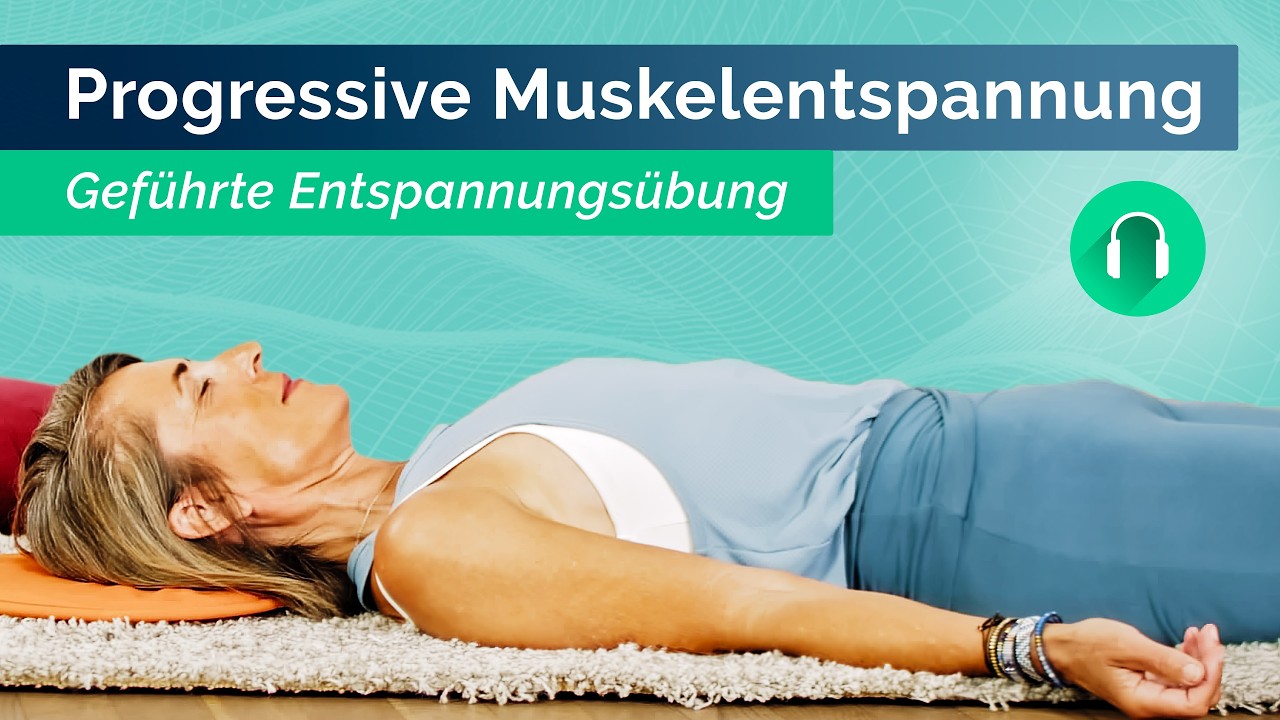
Maria guides you step by step through the complete exercise — perfect for beginners and advanced practitioners.
Duration: 23 minutes of complete instruction
To the guided PMRMeditation
Meditation calms the mind — and a calm mind is good for the whole person. In TCM, it is said that every emotion touches a particular organ. Through regular meditation, you learn to step out of circling thoughts, find emotional balance, and strengthen your inner center.
Just 10 minutes a day can do a lot for your inner calm. Many people find that it makes their everyday life feel more relaxed and clearer.
Recommended meditations
GUIDED MEDITATIONS FOR EVERY DAY
Your personal meditation library
We have put together a complete playlist with over 60 guided meditations, breathing exercises, and relaxation techniques for you — from short 5-minute meditations for in between to deep 30-minute sessions for intensive practice.
In the playlist you will find:
- Morning meditations for a mindful start to the day
- Sleep meditations for restful sleep
- Breathing meditations for inner calm
- Meditations for calm moments during stress and rumination
- TCM standing meditations for all 5 Elements
- Body scan and body journeys
- Calming meditations for body and mind
- Special breathing techniques (4-7-8, coherent breathing, bee breath)
Perfect for beginners and advanced practitioners. Choose the meditation that fits your time, time of day, and needs.
To the meditation playlistDie Lunge ist der zarte Baldachin des Körpers. Sie regiert das Qi und den Atem. Wenn Schleim die Lunge verlegt, kann das Qi nicht frei fließen und der Atem stockt. Befreie die Lunge, und der ganze Körper atmet auf.
— Freely adapted from the HUANG DI NEI JING
(The Yellow Emperor's Classic of Internal Medicine)
More tips for your daily life
Alongside the classic TCM treatment methods gibt es viele kleine Alltagsgewohnheiten, die deine Lunge befreien und Schleim auflösen können. Schleim–Feuchtigkeit in der Lunge entsteht oft durch ungünstige Lebensgewohnheiten — mit den richtigen Veränderungen kannst du den Heilungsprozess wirksam unterstützen.
Atemübungen und Inhalationen
Tiefes Bauchatmen
Die Lunge braucht Raum zum Atmen:
- 5–10 Min. tägliches Bauchatmen fördert den Qi–Fluss in der Lunge
- Langsam durch die Nase einatmen, der Bauch weitet sich
- Langsam durch den Mund ausatmen, der Bauch zieht sich zusammen
- Am besten morgens am offenen Fenster oder im Freien
- Hilft, festsitzenden Schleim zu lösen und das Lungen–Qi zu stärken
Steam inhalation
Feuchtwarmer Dampf löst Schleim:
- Mit Thymian, Eukalyptus oder Kamille inhalieren
- 2–3x pro Woche für 10–15 Min.
- Ein Handtuch über den Kopf legen und den Dampf einatmen
- Nicht zu heiß — angenehm warm reicht aus
- Besonders wirksam bei zäh–festsitzendem Schleim
Lippenbremse
Stärkt die Ausatmungskraft:
- Durch die Nase einatmen
- Durch leicht geschlossene Lippen langsam ausatmen
- Die Ausatmung sollte doppelt so lang wie die Einatmung sein
- Hilft, die Atemwege offen zu halten und Schleim abzutransportieren
- Kann bei Atemnot sofort Erleichterung bringen
An der frischen Luft atmen
Die Lunge liebt frische, klare Luft:
- Bei trockenem Wetter draußen tief durchatmen
- Spaziergänge in der Natur — Wald und Berge sind ideal
- Feuchte, neblige Tage eher drinnen verbringen
- Morgenluft ist besonders rein und stärkend
Die Milz stärken — die Wurzel des Schleims
Prefer warm meals
The Spleen loves warmth:
- Gekochte Speisen sind leichter verdaulich und belasten die Milz weniger
- Auch das Frühstück warm essen — Porridge, Congee oder warme Suppe
- Rohkost und Salate nur als kleine Beilage
- Kalte Getränke vermeiden — sie schwächen die Milz–Energie
- Suppen und Eintöpfe sind ideal zum Schleim–Auflösen
Regelmäßig essen — 3 feste Mahlzeiten
Die Milz braucht Rhythmus:
- 3 Mahlzeiten zu festen Zeiten am Tag
- Eat your biggest meal at midday, when your digestive strength is at its peak
- Eat light and early in the evening - before 7 pm
- Nicht zwischen den Mahlzeiten snacken
- In Ruhe essen und gut kauen — das entlastet die Milz
Grübeln vermeiden — die Milz–Emotion
Worry and brooding weaken the spleen:
- Overthinking drains the Spleen energy
- Don't work, read, or watch the news while you eat
- Break Out of Worry Spirals — Through Movement or Distraction
- Meditation and mindfulness help calm the mind
- Eine schwächere Milz bedeutet mehr Schleim — der Kreislauf muss durchbrochen werden
Milchprodukte und Zucker konsequent meiden
Die größten Schleim–Bildner:
- Milch, Käse, Joghurt und Sahne erzeugen Feuchtigkeit und Schleim
- Zucker und Süßigkeiten nähren den Schleim
- Weißmehlprodukte durch Vollkorn oder Reis ersetzen
- Auch Fruchtjoghurt und Milchkaffee zählen dazu
- Pflanzenmilch als Alternative — am besten Hafermilch oder Reismilch
Umgebung und Wohnraum
Wohnräume trocken und gut belüftet halten
Feuchtigkeit in der Umgebung verstärkt innere Feuchtigkeit:
- Regelmäßig lüften — Stoßlüften ist effektiver als Kipplüften
- Schimmel unbedingt beseitigen — er belastet die Lunge stark
- Luftentfeuchter bei hoher Luftfeuchtigkeit einsetzen
- Ideale Raumfeuchtigkeit liegt bei 40–60 Prozent
- Nasse Wäsche nicht in Wohnräumen trocknen
Bettwäsche und Schlafumgebung
Im Schlaf regeneriert sich die Lunge:
- Bettwäsche regelmäßig waschen und gut trocknen
- Schlafzimmer kühl und trocken halten
- Vor dem Schlafen kurz lüften
- Kopfteil leicht erhöhen bei nächtlicher Verschleimung
- Allergiker–Bezüge können helfen, Reize zu reduzieren
Bei feuchtem Wetter besonders vorsichtig sein
Äußere Feuchtigkeit dringt leicht ein:
- Bei Regen und Nebel besonders auf warme Kleidung achten
- Nasse Kleidung sofort wechseln
- Haare nach dem Waschen gut trocknen
- Nicht auf feuchtem Boden sitzen
- Nach dem Schwimmen gründlich abtrocknen und warm anziehen
Important to know
Chronische Verschleimung braucht Geduld. Schleim–Feuchtigkeit in der Lunge hat sich oft über Monate oder Jahre aufgebaut — entsprechend dauert es, sie wieder aufzulösen. Die Ernährungsumstellung ist dabei das Wichtigste: Ohne die schleimbildenden Nahrungsmittel zu meiden, können die anderen Methoden nur begrenzt wirken. Bleib konsequent, und du wirst spüren, wie deine Atmung freier und dein Körper leichter wird.
When to see a doctor? Bei anhaltendem Husten über 3 Wochen, blutigem Schleim, Fieber oder starker Atemnot solltest du unbedingt einen Arzt aufsuchen. Auch bei plötzlicher Verschlechterung oder unerklärlichem Gewichtsverlust ist eine ärztliche Abklärung wichtig. TCM und westliche Medizin ergänzen sich hier optimal.
For the best possible course of treatment
TCM is not a quick fix for symptoms, but a holistic path to healing. You will get the best results when you consistently build the treatment into your daily life and give your body time to regenerate.
Integrating it into your daily life
Start with ONE step
Don't try to change everything at once! That is overwhelming and
usually leads to giving up. Instead:
- Woche 1–2: Milchprodukte und schleimbildende Nahrung reduzieren
- Woche 3–4: Akupressur Lu 09 und Lu 07 täglich
- Weeks 5–6: Qi Gong "Drawing the Bow" for 10 minutes daily.
- Weeks 7–8: Add your TCM herbal blend
- From week 9: Add further methods as needed
Realistic expectations
After 2–3 weeks: First improvements noticeable
- Weniger Verschleimung
- Breathe easier
- Weniger Husten
After 6–8 weeks: Clear improvements
- Deutlich weniger Schleim
- Freiere Atmung
- Mehr Energie und Ausdauer
After 2–4 months: Lasting healing
- Lungs feel free and clear
- Schleim ist nachhaltig aufgelöst
- Your immune system is strengthened
TCM vs. Western Medicine
TCM and Western medicine do not exclude each other — they complement each other!
When Western medicine is important:
- Bei anhaltendem Husten über 3 Wochen
- Bei blutigem Schleim
- Bei Fieber oder starker Atemnot
- Bei Verdacht auf Pneumonie
Where TCM has its strengths:
- Bei chronischer Verschleimung
- Bei wiederkehrendem Husten
- Zur Stärkung der Abwehrkräfte
- Bei Feuchtigkeit als Grundursache
Ideal: Beide Systeme kombinieren! Lass bei anhaltendem Husten oder Atemnot die Ursache ärztlich abklären und nutze TCM für nachhaltigen Schleim–Abbau und Stärkung der Lungenfunktion.
Important: Setze verschriebene Medikamente — etwa Inhalatoren oder Antibiotika — niemals eigenmächtig ab!
Talk to your doctor when you begin TCM treatment.
Do you have questions?

Wolfgang from meine-tcm.com
TCM is a broad field. Much of it sounds unfamiliar at first, and the real question often comes up only once you start trying some of it out in everyday life.
That's exactly what I'm here for. Write to me — no matter whether your question is big or small, whether it relates to this page or to something else entirely from TCM. I read every message myself and will get back to you. Calmly, clearly, and without a sales pitch.
P.S. There are no silly questions. So write to me.
Ask your questionEvery step counts
Your body strives for balance — you just need to create the right conditions for it.
Remember:
👣 Every small step counts
You don't have to be perfect. Even one warm meal a day is better than none. Even 5 minutes of Qi Gong is better than no movement at all.
⏳ Patience pays off
Your body took years to get into this state. Give it time to find its balance again. Change takes time, but it comes.
🎯 Focus on what you CAN do
Don't concentrate on everything you're doing "wrong." Focus on every positive step you take.
💚 Be good to yourself
There's no such thing as perfection. You're allowed to have a bad day now and then. Tomorrow is a new day, and you can pick up where you left off.
🤝 You are not alone
Thousands of people are walking this path with you. For over 2,000 years, TCM has been guiding people like you on their journey toward greater well-being.
Track your progress

To track your progress, we recommend repeating the TCM analysis after about 3 months.
Why is this useful?
- You see how your pattern has changed
- You can adjust your support as needed
- It motivates you to keep going
- You recognize which measures suit you best
⚠️ Important: Your answers from today are stored in encrypted form in a code that you received by e-mail. ONLY with this code can you follow your progress later on. Keep the e-mail in a safe place!
🔒 YOUR DATA IS SAFE
We store:
✓ Only your email for the reminder
✓ The date for sending
We do NOT store:
✗ Your analysis results
✗ Your personal data
✗ The link between e-mail and pattern
All analysis data is completely anonymous and is not linked to your e-mail address.

Newsletter
Stay up to date with our newsletter. Along with helpful tips and tricks for your training and your everyday life, you won't miss any of our new releases.