






On this page, you will learn:
- What this pattern means from the perspective of TCM and Western medicine
- Where your symptoms come from and how they are connected
- Which specific treatment methods can help you now
- How you can cool your blood and rebalance your body with TCM herbs, acupressure, Qi Gong and nutrition
The good news: Blood heat can be treated very effectively with the right measures. With a cooling diet, soothing herbs, and targeted TCM methods, you can extinguish the fire in your blood and regain your inner peace.
Take your time, Get to know the different treatment approaches—you don't have to implement everything at once. Choose what feels right for you and what you can easily integrate into your everyday life.
Your treatment at a glance:
Which TCM pattern is really behind your complaints?
Degree of
imbalance

Light to moderate
Typical
treatment duration

2-4 months
self-treatment
Possible

Can be treated on one's own to a certain extent
Treatment–
scope

2–3 methods
Proposed
methods

Extensive range
Our free TCM analysis shows you your personal TCM pattern in just 10 minutes.
What is blood heat?
When the blood gets too hot
The TCM perspective: When the blood rebels
In Traditional Chinese Medicine, blood heat (Xue Re) describes a condition in which pathogenic heat has invaded the blood. This heat causes the blood to become hot and move uncontrollably—it „rebels“ and pushes outward. Instead of flowing calmly along its channels, the blood becomes restless and oversteps its boundaries.
The causes of blood heat are varied: Emotional stress—especially anger, frustration, and pent-up resentment—generates internal heat that enters the blood. External factors, such as excessive consumption of spicy foods, alcohol, or foods that generate intense heat, can also heat the blood. External heat-pathogens, such as those associated with febrile illnesses, sometimes penetrate deep into the blood. Last but not least, a long-standing Yin deficiency can result in an insufficient amount of cooling Yin to balance the blood.
Three organs are particularly affected by blood heat: The heart governs the blood and manifests heat through restlessness and insomnia. The liver stores blood—liver heat leads to irritability and a red face. The spleen keeps the blood within the vessels—in cases of blood heat, this function is overwhelmed, but the spleen itself is not weak: the heat itself drives the blood out of its channels. That is why the focus here is on cooling rather than strengthening the spleen.
The result of blood-heat: The heated blood surges outward and becomes visible on the body’s surface. The skin becomes reddened, and rashes and inflammation develop. Blood may leak from the vessels—resulting in nosebleeds, bleeding gums, or heavier menstrual flow. The mind is agitated by the heat—restlessness, irritability, and insomnia characterize daily life.
The typical signs of blood heat:
- Skin rashes, redness and inflammatory skin problems
- Nosebleeds or bleeding gums
- Heavy, early or prolonged menstruation
- Red face and reddened eyes
- Inner restlessness and irritability
- Insomnia with vivid dreams
- A dry mouth and thirst—but drinking doesn't really provide any relief; often, it's just the desire to rinse out the mouth
- Feeling of heat in the body, especially in the evening and at night
The good news: Blood heat can be effectively cooled and soothed with the right measures—though any new or persistent bleeding should first be evaluated by a doctor. Through a cooling diet, TCM herbs, stress reduction, and a balanced lifestyle, you can extinguish the fire in your blood and regain inner peace.
The Western perspective: inflammation and overreaction
From a Western perspective, “blood-heat” corresponds to a condition associated with inflammatory processes, vascular fragility, and an overactive immune response. The body is in a state of heightened activity—inflammatory markers are elevated, blood vessels are dilated and more permeable, and the skin reacts with redness and rashes.
Imagine your blood as a river that normally flows calmly in its bed. In the case of “blood heat,” this river is overheated and bubbling—it overflows its banks, erodes the edges, and brings internal processes to the surface. This explains why skin problems and bleeding are so typical of this condition.
Blood-heat is particularly common as an inflammatory skin condition: eczema, acne, rosacea or psoriasis often have a blood-heat component from a TCM perspective. An increased tendency to bleed - for example with fragile gums or heavy menstruation - can also indicate this condition. Hormonal imbalances, especially with signs of heat, also fit into the picture.
What does modern medicine show?
- Inflammatory skin diseases: Eczema, acne, rosacea, psoriasis with redness and heat
- Vascular Fragility: Increased Permeability of Blood Vessels and a Tendency to Bleed
- Autoimmune diseases: Especially with skin and blood involvement
- Hormonal Imbalances: Heavy or Irregular Menstruation
- Stress-related inflammation: Elevated inflammation markers such as CRP
- Sleep and mood disorders: Restlessness, irritability, insomnia
Modern research confirms: There is a clear link between chronic stress, systemic inflammation, and skin problems. Stress hormones such as cortisol promote inflammatory responses and increase the permeability of the intestinal mucosa—which, in turn, can exacerbate skin problems. The TCM pattern „Blood-Heat“ describes these connections from a holistic perspective.
This is exactly where the TCM treatment of blood-heat comes in: It cools the blood with special herbs, calms the mind, reduces inflammation and strengthens the cooling yin - profoundly, sustainably and gently.

The Yellow Emperor's team explains your pattern
Qi Bo | The Yellow Emperor | Dr. Lisa Weber
MASTER OF THE HEALING ARTS | TCM FOUNDER | MODERN PHYSICIAN
What happens when the legendary Yellow Emperor of Traditional Chinese Medicine sits down with his advisor Qi Bo and a modern doctor? They discuss your pattern—using 4,000-year-old knowledge AND the latest science.
Blood heat - When the blood rebels and fire stirs up the insides
The Yellow Emperor: „Qi Bo, I observe people in my realm whose skin appears red and inflamed. They suffer from nosebleeds, skin rashes and itchy eczema. Some have blood in their stool or urine. Their tempers are restless, irritable and they cannot sleep at night. What is the cause of this fiery affliction?“
Qi Bo: „Your Majesty, these people are suffering from blood heat—known as Xue Re. In this condition, pathogenic heat has invaded the blood, causing it to ‚rebel.‘ The blood becomes restless; it surges outward and upward, rupturing the vessel walls and manifesting as bleeding or red skin lesions. The heat in the blood is like a fire beneath a pot of boiling water—it causes the blood to boil over. The blood strays from its normal channels, the skin reddens, bleeding occurs, and the mind is agitated by the heat and finds no rest.“
Dr. Weber: „That's a remarkable description of inflammatory reactions! In Western medicine, we speak of systemic inflammation - a condition in which inflammation-promoting messenger substances such as histamine, interleukins and prostaglandins increase vascular permeability. The blood vessels become more permeable, the skin reddens due to increased blood flow, and bleeding can actually occur if the inflammation is severe. The restlessness and sleep disorders can be explained by the effect of inflammatory mediators on the central nervous system - inflammation and the nervous system are closely linked.“
The Yellow Emperor: „What causes heat to penetrate the blood?“
Qi Bo: „The causes are manifold, Your Majesty. First: Emotional stress, especially suppressed anger and frustration - these emotions generate liver fire, which is transmitted into the blood. Second: Excessive consumption of heating foods - spicy food, alcohol, fried and fatty foods generate internal heat. Third: External heat pathogens - prolonged summer heat or febrile illnesses can drive heat deep into the blood. Fourth, Yin deficiency - when the cooling Yin is depleted, it can no longer control the Yang heat, and this blazes into the blood. And fifthly: constitutional predisposition - some people naturally have more inner heat.“
Dr. Weber: „This correlates surprisingly well with modern findings! Chronic stress increases cortisol levels and promotes a pro-inflammatory immune response. Spicy foods contain capsaicin, which increases blood flow and can intensify inflammatory reactions. Alcohol is hepatotoxic and increases vascular permeability. Fever actually releases inflammatory mediators into the blood that trigger systemic reactions. And people with a genetic predisposition to autoimmune diseases or allergies show precisely these ‚heated‘ reaction patterns - excessive immune responses!“
The Yellow Emperor: „You said the blood ‚rebels‘. What does that mean exactly?“
Qi Bo: „Your Majesty, normally the blood flows calmly and orderly in its vessels, nourished and guided by qi. But when heat seizes the blood, it becomes agitated like water over fire. The blood moves too fast, too violently, too chaotically. It pushes upwards - hence the nosebleeds, the red eyes, the headaches. It pushes outwards - hence the skin rashes, the itching, the redness. It breaks through the vessels - hence the various bleedings. The spirit (Shen), which rests in the blood, is also agitated by this restlessness - hence the irritability, the insomnia, the restless dreams.“
Dr. Weber: „Neurophysiologically highly interesting! Inflammatory reactions actually increase blood flow to the affected areas - the body ‚sends more blood‘ there. The vessel walls become more permeable due to histamine and other mediators, and fluid and blood cells can leak out. If the inflammation is severe, capillaries can burst - petechiae and ecchymoses develop. The neurological connection is also documented: Inflammatory mediators such as interleukin-6 cross the blood-brain barrier and affect mood, sleep and cognitive function. TCM observed these connections thousands of years ago!“
The Yellow Emperor: „What signs on the body reveal a blood heat?“
Qi Bo: „The signs are very characteristic, Your Majesty. The tongue is red to dark red - it shows the heat in the blood. Sometimes it has red dots - especially at the tip, which corresponds to the heart. The tongue coating is thin and yellow, also dry in case of strong heat. The pulse is fast - Shuo Mai - like a galloping horse. It is also often tense or string-like - Xian Mai - when the liver is involved. The skin shows redness, rashes, eczema or petechiae. The eyes may be reddened. The person is thirsty, but cold drinks bring no relief. The symptoms often worsen at night.“
Dr. Weber: „The red tongue is a classic sign of inflammation! In systemic inflammation, the mucous membrane is actually supplied with more blood. The petechiae on the tongue correspond to dilated capillaries or small hemorrhages. The rapid pulse - tachycardia - is a typical reaction to inflammation and the associated stress reaction. The nocturnal aggravation is interesting: cortisol, the natural anti-inflammatory, reaches its lowest point between midnight and 4 a.m. - exactly when inflammation often flares up! TCM diagnostics are amazingly precise!“
The Yellow Emperor: „Now let's talk about the treatment. How can the blood be cooled?“
Qi Bo: „Your Majesty, the principle of treatment is: Qing Re Liang Xue—clear heat and cool the blood. This is achieved in several ways. First: Cooling foods—cucumber, watermelon, green tea, mung beans, celery, and spinach directly cool the blood. Second: Avoiding heating foods—no spicy food, no alcohol, no coffee, no fried foods. Third: Emotional balance—anger must be calmed, not suppressed. Fourth: A cool environment—avoid heat; do not work in the midday sun. And fifth: blood-cooling herbs—most notably Sheng Di Huang (Rehmannia), Mu Dan Pi (peony root bark), Chi Shao (red peony root), and Zi Cao (Lithospermum root).“
Dr. Weber: „The nutritional recommendations are scientifically sound! Cucumber and watermelon are rich in water and antioxidants with proven anti-inflammatory effects. Green tea contains catechins, which inhibit inflammatory mediators. Mung beans contain flavonoids with antioxidant effects. Avoiding alcohol and spicy food actually reduces histamine release and vasodilation. Sheng Di Huang shows immunomodulating and anti-inflammatory properties in studies. Mu Dan Pi contains peonol, which has been shown to inhibit prostaglandin synthesis - similar to non-steroidal anti-inflammatory drugs!“
The Yellow Emperor: „What about the classic herbal formulas for blood-heat?“
Qi Bo: „Ah, Your Majesty is referring to the fundamentals of cooling therapy! Qing Ying Tang—the decoction that clears the Ying layer—is the classic formula for heat that has penetrated inward but has not yet led to bleeding. It contains: Sheng Di Huang to deeply cool the blood; Xuan Shen and Mai Men Dong to replenish the body fluids depleted by the heat; Mu Dan Pi and Dan Shen to cool and simultaneously move the blood; Huang Lian to counter the fire in the heart—and Jin Yin Hua, Lian Qiao, and bamboo leaf to guide the heat outward rather than merely suppressing it. “Once bleeding occurs, Your Majesty, the heat has moved one layer deeper, and at that point, the patient must be examined first, not treated.”
Dr. Weber: „These formulas have been well researched! Sheng Di Huang contains iridoid glycosides such as catalpol, which have anti-inflammatory and immunomodulatory effects. Mu Dan Pi contains paeonol, which studies have shown to suppress the production of TNF-alpha and other inflammatory mediators. Zi Cao contains shikonin, which has shown remarkable effects on skin inflammation—it inhibits COX-2 and reduces redness and swelling. The combination of these herbs acts synergistically on various inflammatory pathways—a strategy valued in modern pharmacology as ‚multi-target therapy‘!“
The Yellow Emperor: „Wonderful! Let's turn this wisdom into a practical plan.“
THE 3-WAY METHOD FOR BLOOD HEAT
TOMORROW PROTOCOL (eliminate heat):
- TCM: Cooling start - the body needs gentle, cooling food in the morning to prevent heat build-up
- Science: A cool, antioxidant-rich breakfast reduces inflammatory activity in the morning
- Practical: Cucumber, watermelon, green tea - no spicy or hot foods in the morning
- TCM: No heating drinks - coffee and black tea increase the internal heat
- Science: Caffeine increases the release of stress hormones and can increase inflammatory reactions
- Practical: Green tea, peppermint tea or chrysanthemum tea as a cooling alternative
- TCM: Get up early before the heat of the day arrives - make the most of the cool morning hours
- Science: The core body temperature is lowest in the morning, ideal for people with heat symptoms
- Practical: Get up before 7 a.m., take advantage of the cool morning air for a walk
TAGS-STRATEGY (cooling the blood):
- TCM: Acupressure on Spleen 10 (Xue Hai)—the „Sea of Blood“—cools and harmonizes the blood
- Science: Studies show that stimulation of this point has a positive effect on blood quality
- Practical: 2 thumb widths above the kneecap on the inside. Press gently for 3 minutes on each side
- TCM: Avoid stress and anger - suppressed emotions create liver fire that enters the bloodstream
- Science: Anger increases adrenaline and cortisol, which intensifies inflammatory processes
- Practical: If anger arises: take 10 deep breaths, leave the situation, clarify later
- TCM: Eat light and cool food at lunchtime - do not increase the midday heat with hot food
- Science: Light meals reduce postprandial thermogenesis and inflammatory markers
- Practical: Steamed vegetables, rice, tofu - no fried, fatty or spicy foods
EVENING RITUAL (calming the mind):
- TCM: Gentle Qi Gong „Open heart“ - calms the Shen and directs the heat downwards
- Science: Gentle exercise activates the parasympathetic nervous system and lowers inflammatory markers
- Practical: 10-15 minutes of gentle Qi Gong exercises that open and relax the chest
- TCM: Acupressure on heart 7 (Shen Men) - the „gate of the mind“, calms the agitated Shen
- Science: This point has been shown to influence heart rate variability and promote relaxation
- Practical: At the wrist crease, in the hollow next to the tendon. Gently circle for 3 minutes on each side
- TCM: Go to bed early, no heating activities - the night serves to regenerate Yin
- Science: Sufficient sleep lowers inflammatory markers and enables cellular repair
- Practical: In bed before 10 p.m., no sport or exciting media in the late evening
The Yellow Emperor: „Qi Bo, how long does it take for the blood to cool down again?“
Qi Bo: „Majesty, cooling the blood is faster than building it up, because we are draining something instead of replenishing something. After 2-3 weeks of consistent practice, most people notice: fewer skin rashes, calmer sleep, less irritability. After 6-8 weeks, the improvements become more noticeable: the skin calms down, bleeding becomes less frequent, the mind is more balanced. After 2-4 months, a lasting cooling effect can be achieved - but the lifestyle must remain adapted, because if you return to a heating lifestyle, you will develop heat again. The duration depends on how deeply the heat has penetrated and whether the causes - especially stress and diet - are changed.“
Dr. Weber: „This corresponds well with our clinical experience with inflammatory diseases! In acute inflammation, we often see rapid improvements within weeks when the triggering factors are eliminated. For chronic conditions, it takes longer - 2-3 months for significant improvements in inflammatory markers. Importantly, chronic inflammation is often lifestyle related. Without lasting changes to diet, stress management and sleep, symptoms will return. The TCM recommendation to permanently adjust your lifestyle is therefore essential!“
The Yellow Emperor: „What must be avoided at all costs with blood heat?“
Qi Bo: „Majesty, the most important thing is: Firstly, no spicy food - chili, pepper, ginger, garlic fuel the fire. Secondly, no alcohol - it creates dampness-heat and dilates the vessels. Thirdly, no coffee in large quantities - it stimulates and heats up. Fourthly, no greasy, fried foods - they generate damp-heat. Fifthly, don't build up anger - it must flow, but in a controlled manner, not explosively. Sixth, no midday heat - don't work or exercise in the blazing sun. And seventh, no exciting activities before sleep - they stir up the mind.“
Dr. Weber: „Completely scientifically verifiable! Capsaicin in spicy food dilates the blood vessels and increases the release of histamine. Alcohol is pro-inflammatory and hepatotoxic, it worsens all inflammatory conditions. Caffeine increases cortisol and can increase inflammation in sensitive people. Trans fats in fried foods are directly pro-inflammatory. Chronic stress and anger have been shown to increase CRP and other inflammatory markers. UV radiation and heat intensify skin reactions. And evening stimulation disrupts sleep, which is essential for inflammation control. The TCM recommendations are a perfect anti-inflammatory protocol!“
The Yellow Emperor: „Then the message is clear: blood heat is like a fire inside that makes the blood rebel. It shows itself through redness, bleeding and a troubled mind. With cooling food, emotional balance, the right herbs and an adapted lifestyle, we can extinguish the fire and calm the blood again.“
Qi Bo: [smiles] „That's right, your majesty. Blood is like a calm lake - when fire burns beneath it, it begins to boil and froth over. When we extinguish the fire and add cooling water, calm returns. Then the skin calms down, the bleeding stops and the mind finds its peaceful anchor in the blood again.“
About our „3 Wise Men“ story
Who are the Yellow Emperor and Qi Bo?
The Yellow Emperor (Huangdi) is said to have lived around 2600 BC and is considered the mythical founder of Chinese culture and medicine. Qi Bo was his most important advisor and personal physician. Their discussions about health, illness, and human nature were recorded in the most important fundamental work of TCM.
The book: Huangdi Neijing
The Huangdi Neijing, also known as The Yellow Emperor's Classic of Internal Medicine, was probably written between 200 BC and 200 AD. It is the oldest surviving work on Chinese medicine and consists of dialogues between the Yellow Emperor and his advisors, mainly Qi Bo.
This work is to TCM what the Bible is to Christianity: the absolute foundation. All the important concepts - yin and yang, the 5 elements, qi, meridians and acupuncture points - are systematically described here for the first time.
Our modern approach: The 3 wise men
In our series „The Three Sages,“ we bring together the Yellow Emperor and Qi Bo with the fictional modern doctor and microbiologist Dr. Weber.
Important note: All three characters and their conversations are purely fictitious and invented by us.
We use this narrative form, similar to the dialogue form in the book Huangdi Neijing, to convey the often complex interrelationships of TCM in an understandable and entertaining way. When the 4,000-year-old emperor is confronted with modern science, enlightening „aha moments“ arise that show that ancient wisdom and new research often speak the same language — just in different words.
This makes TCM lively, understandable and practically applicable for your everyday life.
The dialogs are creative interpretations - not historical documents. For medical questions, please consult a qualified TCM therapist or doctor.
Your treatment options
Blood heat can be treated effectively—provided the bleeding has been properly diagnosed by a doctor beforehand. TCM offers you a variety of effective methods to cool your blood and calm your inner heat. You don't have to do everything at once - choose the methods that suit you and your everyday life.
Here you will find specific treatment approaches that have been proven effective in TCM for thousands of years and that you can largely apply yourself.
TCM herbs
Herbal medicine (or, in modern terms, phytotherapy) is the MOST IMPORTANT tool of TCM. It is an integral part of every traditional TCM treatment. Today, there is a suitable herbal blend for every TCM pattern.

Here's how to find the right herbal blend for you
- Search online. Enter Blood–Heat "TCM Herbal Blend" — including the quotation marks — into the search engine of your choice. If you wish, add the following to the search term: Compressed pieces — in our experience, the easiest to take — or Granules. This way, you'll see several providers and can compare them at your leisure.
- Our Therapist Directory. In the TCM Therapist Directory You can find TCM practitioners in your area who will tailor a TCM herbal blend to your individual constitution.
- Your TCM Pharmacy. Some pharmacies carry TCM herbal blends or can order them for you. Tell them what you're looking for—or show them this page.
In any case, pay attention to the quality of the TCM herbal blend, not the price—it’s worth taking a look at the list of ingredients.
Not sure which herbal blend is right for your TCM pattern? Write to us. We'll tell you which classic recipe traditionally goes with this pattern and what you should look for when choosing one.
Request a tip on herbal blends
TCM uses many different methods. Which ones are right for you is the question we hear most often. And it’s not something that can be answered offhand.
That’s why we offer our personalized TCM support. It begins with a free, no-obligation ONLINE initial consultation with Wolfgang.
After that, you’ll receive a personalized support plan outlining all the components and costs as a proposal. If it works for you, we’ll get started: In a second online session (about 30 minutes), Wolfgang will discuss your path with you.
Acupressure
Acupressure is acupuncture without needles. - You can apply them yourself at any time. By applying gentle pressure to certain points, you activate the energy flow in the meridians and cool the blood.
These three points form the classic combination for cooling the blood and removing heat. Regular stimulation is especially important for blood-heat - Consistent use helps to systematically dissipate excess heat.
ACUPUNCTURE POINT: MP 10
Spleen-pancreas 10
Sea of Blood - Xue Hai
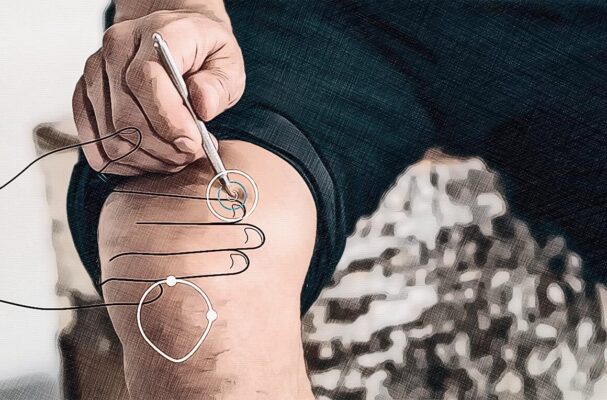
- Cools the blood and clears heat
- Main point for skin problems caused by blood-heat
- Helps with eczema, itching and redness
- Regulates menstruation
- Soothes inflammation of the skin
Location: With the knee bent, two thumb widths above the upper inner corner of the kneecap.
Application:
Massage in a circular motion twice a day for 2-3 minutes per side with medium pressure. Ideal in the morning and evening.
ACCESSION POINT: Tue 11
Large intestine 11
Curved pond - Qu Chi
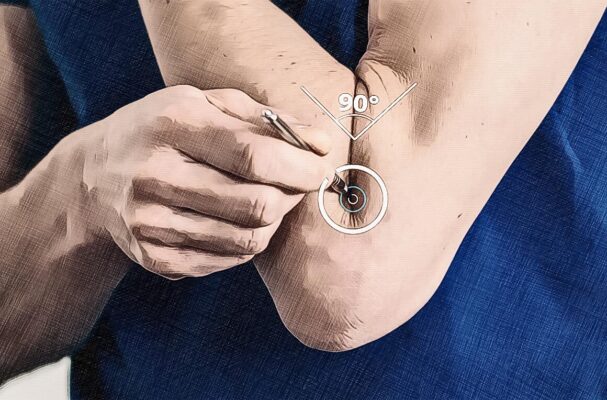
- Main point for dissipating heat
- Cools the blood and clears inflammation
- If you have a fever, always seek medical evaluation in addition to these measures, not instead of them
- Relieves skin rashes and acne
- Strengthens the immune system
Location: With the arm bent, at the outer end of the elbow crease.
Application:
Press firmly twice a day for 2-3 minutes per side. Particularly effective for acute signs of heat.
ACCESSION POINT: Le 02
Liver 02
Changing in-between - Xing Jian
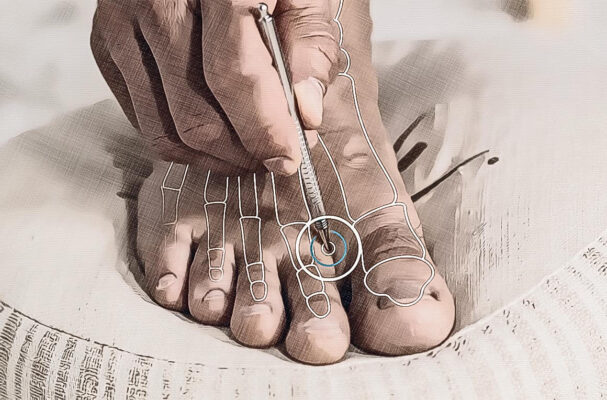
- Clears liver fire and cools the blood
- Helps with irritability and outbursts of anger
- Relieves headaches through ascending yang
- Soothes red, inflamed eyes
- Regulates blood pressure
Location: Between the 1st and 2nd toe, proximal to the webbed skin.
Application:
Massage twice a day for 2-3 minutes per side with medium pressure. Particularly effective for emotional heat.
Our App Recommendation
Atemraum: Your App for Mindful Breathing


Breathing is the foundation of physical and mental well-being—and is usually COMPLETELY underestimated in everyday life. Yet hardly anything has such a direct impact: the way we breathe shapes the way we feel.
That's why we created Atemraum: an app with guided breathing exercises that you can take with you anywhere. Wolfgang put together these exercises—along with a 35-day course, quick tips for the moment, and breathing tests that let you track your progress.
Just a few minutes a day is enough. And anyone who uses our personal support If you use it, it already comes with breathing space.


You can try the app for free for 7 days.
Qi Gong
Qi Gong is moving meditation — Gentle, flowing exercises that harmonize your energy flow and promote inner peace. For blood heat, these exercises help calm internal heat, cool the mind, and gently release pent-up emotions.
Regular practice of qigong (as little as 10–15 minutes a day) has been shown to have positive effects on emotional regulation, relaxation, and overall well-being.
QI GONG: Exercise 1
Collect Qi
Collects and calms the Qi, gives the mind an anchor
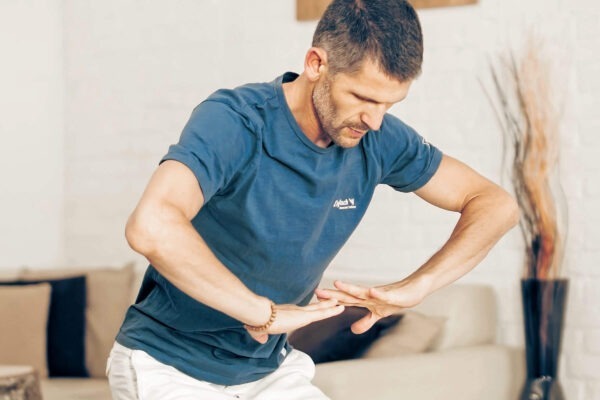
Particularly helpful for:
- Inner restlessness and nervousness
- Exhaustion due to heat
- Restlessness and driven
- Overstimulated nervous system
Effect:
This exercise gathers vital energy and calms it down. With blood heat, the mind is often agitated and cannot find a foothold - this exercise gives the agitated Shen an anchor and helps to calm the inner heat.
QI GONG: Exercise 2
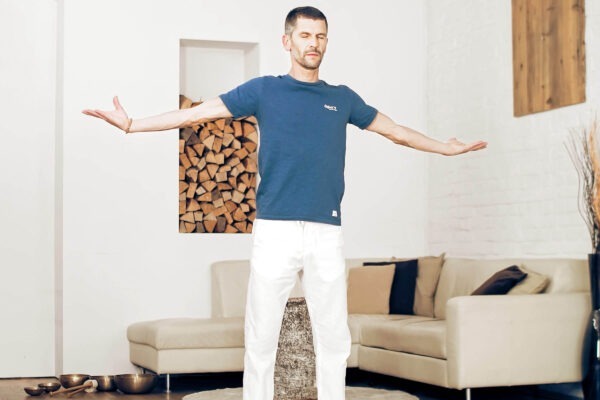
Open heart
Cools the heart fire, calms the Shen
Particularly helpful for:
- Heart restlessness and palpitations
- Insomnia and restless dreams
- Irritability and impatience
- Tightness in the chest
Effect:
This exercise opens up the chest and allows excess heat to escape. When there is blood heat, warmth often accumulates in the heart—this gentle opening allows the heat to dissipate, and the Shen (spirit) finds peace.
QI GONG: Exercise 3
Look backwards
Relaxes the liver, releases emotional blockages

Particularly helpful for:
- Liver qi stagnation
- Tension in the neck and shoulder area
- Pent-up anger and frustration
- Emotional blockages
Effect:
This Wood Element exercise specifically relaxes the liver and helps stagnant qi flow. In cases of blood heat, liver qi is often blocked as well—the gentle twisting motion helps release emotional blockages, allowing the heat to be better dissipated.
These Qi Gong exercises are specially selected for cooling blood-heat. They calm the mind, open the heart and help to gently release pent-up emotions.
All exercises work particularly well in the morning or evening - NOT in the midday heat. Find a cool, quiet place to practise.
QI GONG:
When and how often?
Early in the morning or in the evening (ideal):
- All 3 exercises as a sequence: approx. 15–20 min.
- Or just 1–2 exercises: approx. 5–10 min.
- Do NOT practice in the midday heat (11-15 hrs)
For acute restlessness:
- Individual exercises as needed (e.g., in cases of irritability)
- „Open heart“ for quick reassurance
Regularity is more important than duration:
- It is better to exercise for 10 minutes every day than for 60 minutes once a week.
- After 2–3 weeks, you will notice the first changes.
- After 2–3 months of regular practice: significantly greater inner peace
Pro tip: Exercise slowly and without exertion when the blood is hot. Avoid intense sweating - this generates even more heat! Practice Qi Gong in a cool environment.
LIVE EVERY MONDAY: QI GONG WITH WOLFGANG
Every Monday at 6:00 p.m. Let's practice together live on YouTube. Among other things, Wolfgang will guide you through a complete qigong sequence — free of charge and suitable for all levels.
Why participate live? ✓ Working out together keeps you motivated ✓ Wolfgang explains the exercises in detail ✓ You can ask questions in the live chat ✓ A set time helps keep your routine on track
More about Qi Gong LiveMeridian Yoga — The Yoga of TCM
Meridian Yoga combines yoga with traditional Chinese medicine. The result is a holistic exercise concept for better health and more energy.
When the blood is hot, these exercises activate the heart meridian to cool the heat in the heart and calm the agitated mind. The heart governs the blood - when heat blazes in the blood, the mind (Shen) also becomes restless and restless.
MERIDIAN YOGA: Exercise 1
Open heart for the heart meridian
Opens the chest cavity, cools the heart fire

Particularly helpful for:
- Cardiovascular problems
- Restlessness and nervousness
- Feeling of heat in the chest
- Inner drive
Effect:
This exercise opens the heart meridian, which runs along the inside of the arm. It expands the chest and allows pent-up heat to escape. When the blood is hot, it helps to cool the heart fire and give the agitated mind space to breathe.
MERIDIAN YOGA: Exercise 2
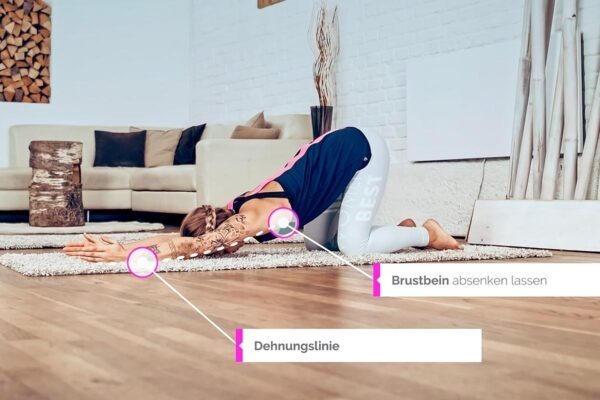
Shell stretch for the heart meridian
Calms the mind gently while lying down
Particularly helpful for:
- Insomnia and problems falling asleep
- Nervousness and inner restlessness
- Hypertension
- Nightly carousel of thoughts
Effect:
The Shell Stretch is a gentle, relaxing exercise that stretches the heart meridian while lying down. It calms the nervous system and cools the heart. When the blood is hot, it particularly helps to calm the agitated mind and promote restful sleep.
Both exercises activate the heart meridian, which runs along the inside of the arm and is connected to the heart. The heart governs the blood - by activating this meridian, you help to dissipate excess heat and calm the mind.
Particularly effective: Hold each position for 3-5 breaths, visualizing cool, blue energy calming your heart and draining the heat from your blood.
MERIDIAN YOGA:
When and how often?
Best time:
- In the evening before going to bed for better sleep
- Or at lunchtime between 11 a.m. and 1 p.m. (heart time)
Duration:
- Hold each position for 3–5 breaths.
- Complete sequence: 10–15 minutes
- 3–5 times per week for best results
Important:
- Practice in a calm, cool atmosphere
- Breathe deeply and slowly during the positions
- Stretching should be comfortable, never painful.
Pro tip: When the blood is hot, keep the postures relaxed, do not force them. Avoid strenuous yoga styles that generate heat. Visualize cool, blue energy that calms your heart and gently drains the heat from your body.
Nutrition according to TCM
„Let food be your medicine.“ - This principle has been valid in TCM for thousands of years. With blood heat, the right diet is particularly important to cool and calm the heat in the blood.
With blood-heat, the elements Fire and water together - the fire must be balanced by cooling water. Your body now needs Cooling to neutral food, which calms the blood and dissipates heat.
What you eat, HOW you eat and WHEN what you eat - all this influences your blood and its temperature.
The golden rules for blood heat
What is good for you:
Strongly cooling foods
- Cucumber - cools strongly and moisturizes
- Watermelon, melon - cool the blood
- Mung beans - cool and nourish
- Tofu - cools gently and nourishes
These foods are your best helpers in acute heat!
Cooling vegetables
- Spinach - cools and nourishes the blood
- Celery - cools and clarifies
- Zucchini - cools gently
- Tomatoes - cool the blood
- Eggplants - cool the blood
Green and red vegetables cool and calm the blood
Cooling fruit
- Pears - moisturize and cool
- Apples - cool gently
- Citrus fruits - cool and refresh
- Berries - cool and nourish
Fruit cools - an exception to the rule with blood heat!
Cooling drinks
- Green tea - clears heat
- Peppermint tea - cools and refreshes
- Chrysanthemum tea - clears heat in the head
- Yoghurt - cools in the heat (exception!)
Green tea is the classic TCM remedy for clearing heat
What you should avoid:
Hot spices
- Chili and hot peppers
- Pepper in large quantities
- Curry and hot spice mixtures
- Horseradish, mustard
Spiciness generates heat and aggravates blood heat!
Warming foods
- Garlic in large quantities
- Onions (raw) in large quantities
- Ginger (in large quantities)
- Leek and spring onions
These foods also heat up your blood!
Strongly warming meat
- Lamb - very warming
- Game - heats the blood
- Too much red meat
- Grilled and roasted
Warming meat increases the heat in the blood!
Heat-generating drinks and food
- Alcohol - generates intense heat
- Coffee - heats up and stimulates
- Deep-fried and deep-fried food
- Sugar and chocolate - can increase heat
Alcohol and coffee are poison when your blood is hot!
HOW YOU SHOULD EAT:
Rather raw or lightly steamed
- Raw food is allowed with blood heat!
- Lightly steamed vegetables
- Salads as a side dish or main course
- No high-heat cooking methods
Don't eat it when it's too hot
- Allow the food to cool
- Room temperature drinks
- No piping-hot soups
- Lukewarm is ideal
Hot foods raise your body temperature!
Regularly and at rest
- 3 fixed meals a day
- Don't eat in a rush or under stress
- Chew well, eat slowly
- Light and not too late in the evening
Stress while eating generates additional heat!
IDEAL MENU FOR ONE DAY:
Breakfast (7–9 a.m.):
- Porridge with pear and berries
- In addition: Green tea or peppermint tea
Lunch (12–1 p.m.):
- Steamed fish with spinach and zucchini
- In addition: Rice and a small cucumber salad
- Or: Tofu with steamed vegetables
Dinner (6–7 p.m.):
- Light mung bean soup
- Or: Large Salad with Tofu
- In addition: A piece of bread
Snack if needed:
- Fresh fruit (pear, apple, berries)
- Or: Cucumber or celery sticks
- Or: A small bowl of yogurt
The most important rule when changing your diet is:
Start with ONE step!
Don't change everything at once.
Our suggestion for getting started:
- Drink green tea daily - 2 weeks
- Avoid hot spices and alcohol - 2 weeks
- Incorporate more cooling vegetables - 2 weeks
Step by step, you will notice how the heat in your blood subsides and you become calmer.
Your blood will thank you!
RECIPE: MUNG BEAN SOUP
Ingredients:
For 4 portions
- 200 g mung beans (dried)
- 1.5 L water
- 2-3 tbsp honey or cane sugar
- Optional: A little coconut milk
- Optional: A pinch of salt
Preparation:
- Wash and drain the mung beans
- Add water and bring to the boil
- Reduce the heat, simmer for approx. 1 hour
- Beans should be soft and fall apart easily
- Sweeten with honey or sugar to taste
- Optional: Refine with a little coconut milk
- Enjoy warm or, on hot days, even lukewarm
Effect:
Cools the blood and dissipates heat
Clears skin problems such as acne and redness
Detoxifies and calms the body
2-3 times a week - the TCM classic for blood heat!
RECIPE: CUCUMBER-CELERY JUICE
Ingredients:
For 2 portions
- 1 large cucumber (about 300 g)
- 3-4 stalks of celery
- 1 Apple
- Juice of half a lemon
- Optional: Some fresh mint
- Optional: 100 ml water
Preparation:
- Wash the cucumber, peel if necessary
- Wash and roughly chop the celery
- Core the apple and cut into pieces
- Puree everything in a blender or juicer
- Add lemon juice
- Optional: Garnish with mint
- Drink fresh immediately
Effect:
Cools immediately and refreshes
Ideal for acute heat and skin rashes
Detoxifies and moisturizes the body
For acute heat symptoms daily - otherwise 2-3 times a week!
Breathing
Breathing is the bridge between body and mind. In TCM, it is said: „The lungs govern the qi“—according to this concept, through conscious breathing you can directly influence your qi flow and find a deeper sense of calm.
Breathe calmly and slowly: Deep abdominal breathing noticeably calms many people—their breathing becomes deeper, their shoulders relax, and their minds become clearer. The good news: Just 5–10 minutes a day can make a difference in your well-being.
Recommended breathing techniques
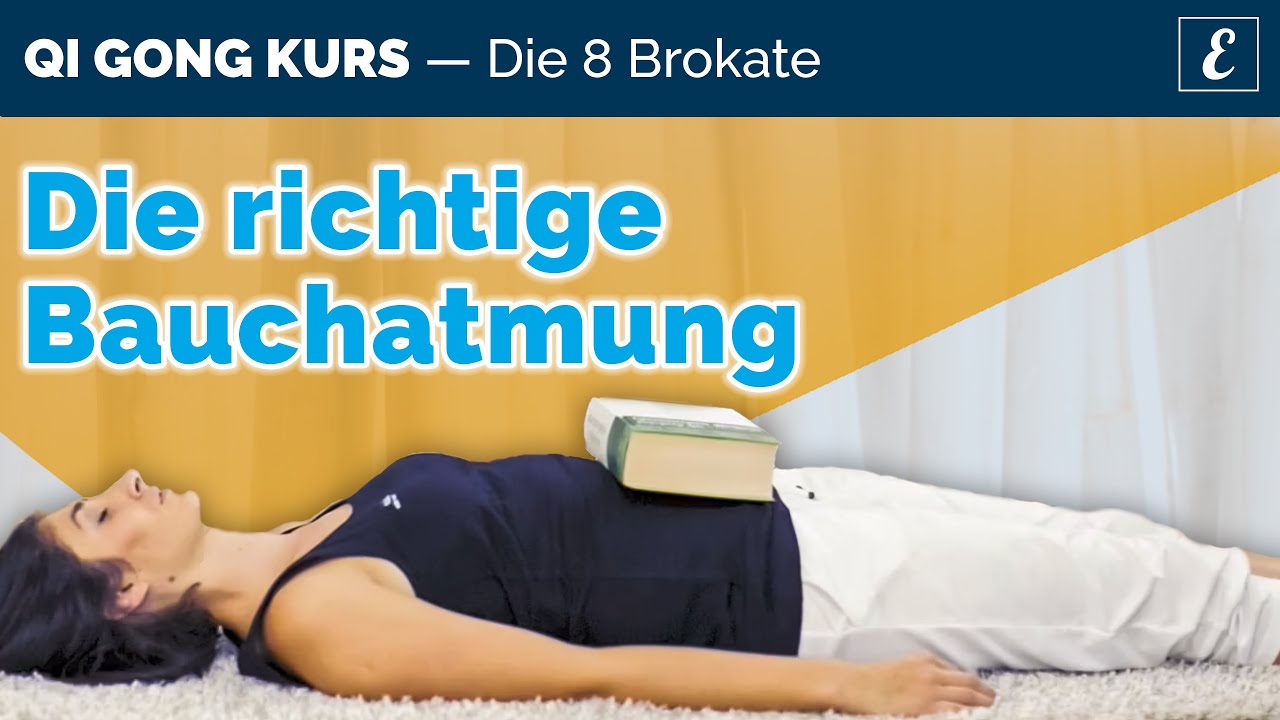
ABDOMINAL BREATHING — The basis for every breathing technique
Natural breathing
Abdominal breathing is the most natural and calm form of breathing. According to the teachings of TCM, with every breath you bring qi into your body’s center (Dantian).
Wolfgang shows you step by step, How to learn abdominal breathing correctly—lying down to start with, then later also sitting and standing.
Duration: 9 minutes
4–7–8 BREATHING — Find Peace
Calm Breathing for the Evening
With the 4–7–8 breathing technique, you inhale for 4 seconds, hold your breath for 7 seconds, and exhale for 8 seconds. This steady rhythm helps many people wind down in the evening—ideal when your mind won’t shut off at night.
Perfect for the evening or whenever you want to calm down quickly.
Duration: 9 minutes
To the interactive videoBOX BREATHING — For inner coherence
Professional breathing for focus and calmness
Box Breathing (4 seconds on, 4 seconds hold, 4 seconds off, 4 seconds hold) combines activation and relaxation in perfect balance. This method is used by elite soldiers, athletes, and executives to remain calm and focused even in extremely stressful situations.
A steady 4–4–4–4 rhythm A balance of activity and stillness—many people find it clarifying and grounding.
Duration: 9 minutes
To the interactive videoCOHERENT BREATHING — Brings Body and Mind into Harmony
Calm Breathing for Balance
With coherent breathing Breathe in for 5.5 seconds and out for 5.5 seconds. This rhythm brings your heart and breathing into a steady rhythm—a state known as „coherence.“ Many people use it as a regular breathing break in their daily lives.
A nice side effect: The heart and breath settle into a calm, synchronized rhythm.
Duration: 14 minutes
To the interactive video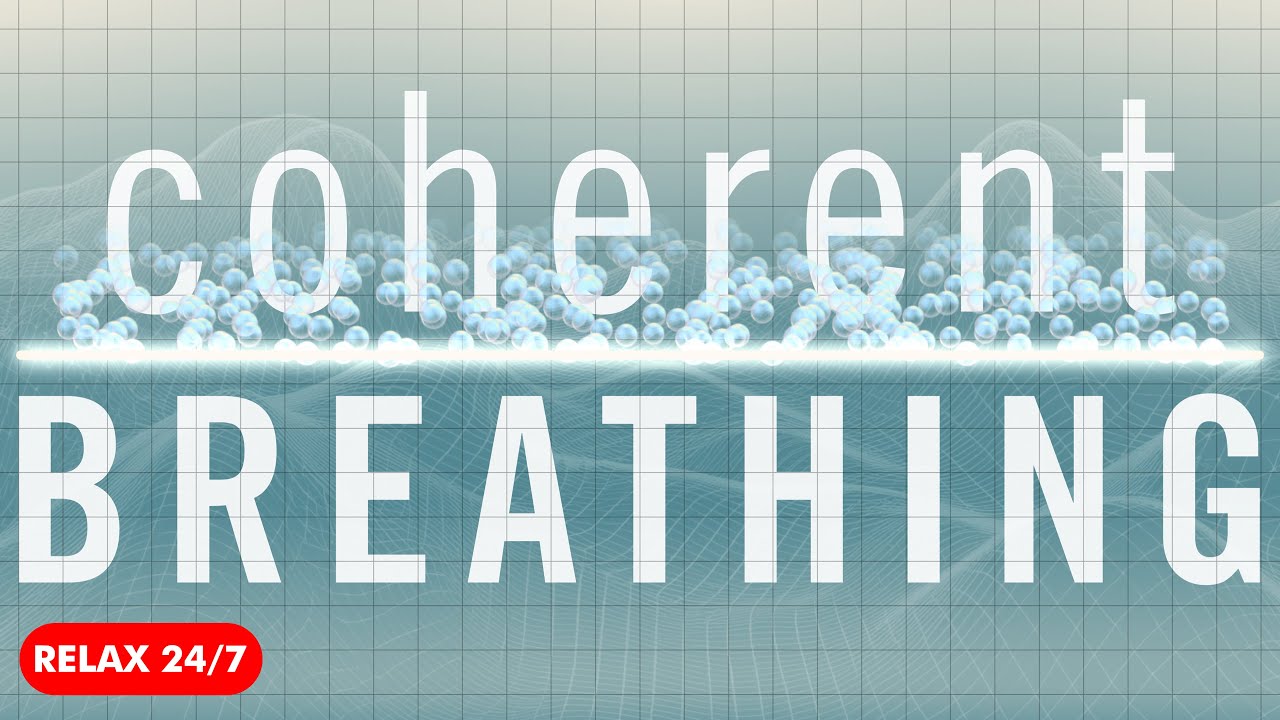
COHERENT BREATHING Around the clock
Our 24/7 livestream on coherent breathing runs non-stop. You can tune in at any time and join in right away.
Perfect for:
✓ Spontaneous breaks to catch your breath in between
✓ If you'd like some gentle breathing guidance
✓ As background while working
✓ For the evening and to wind down
✓ For regular daily practice
relaxation
When your body is relaxed, Things tend to flow more easily. Persistent tension keeps you in a constant state of stress. By using specific relaxation techniques, you signal to your body to calm down and recharge.
Progressive muscle relaxation It is one of the best-known relaxation methods and has been practiced for over 100 years. It helps you become aware of tension, actively let go of it, and achieve a state of deep relaxation—whenever you want.
Recommended relaxation technique
PROGRESSIVE MUSCLE RELAXATION (PMR)
The Classic Relaxation Method
Progressive muscle relaxation according to Jacobson is one of the best-known relaxation techniques worldwide. By deliberately tensing and relaxing individual muscle groups, you learn to consciously recognize tension and release it.
That's what it feels like:
Step by step, the body becomes heavier and calmer, and the breathing more even. Many people make this a regular part of their evening routine to help them fall asleep easily.
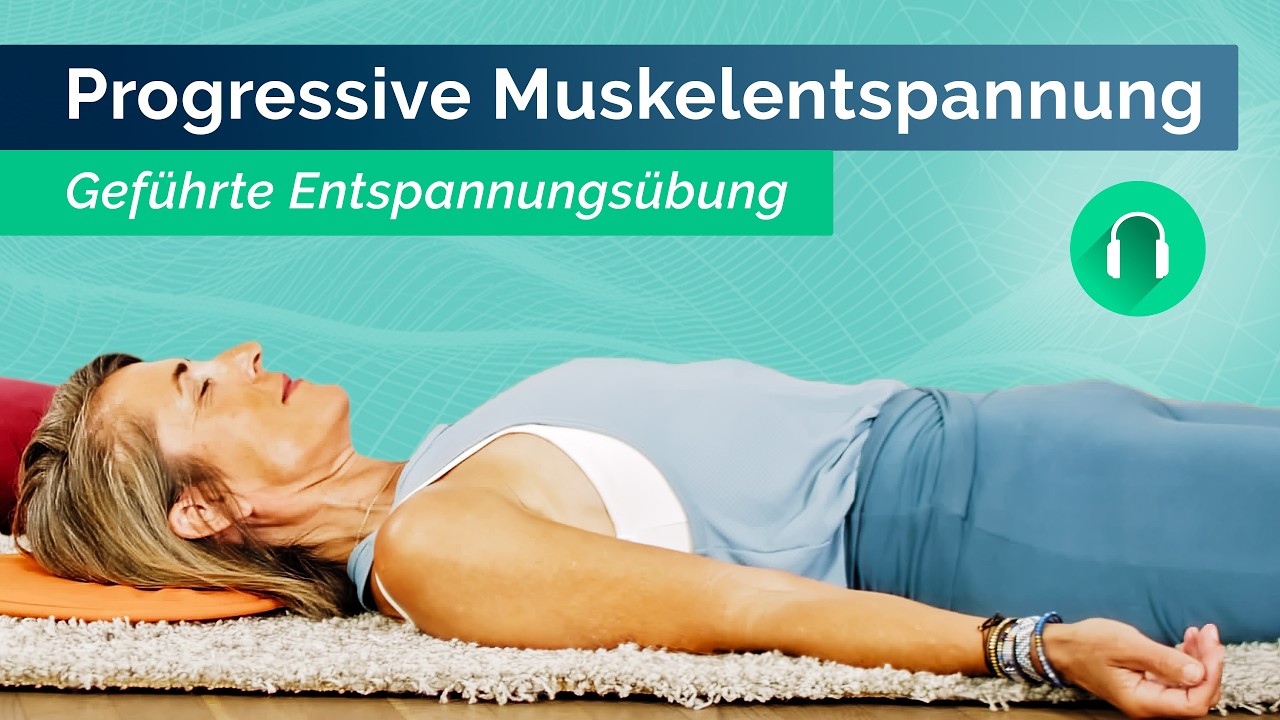
Maria guides you step by step through the entire exercise—perfect for beginners and advanced practitioners alike.
Duration: 23-minute complete guide
To the guided PMRMeditation
Meditation calms the mind — and a calm mind is good for your whole being. In TCM, it is said that every emotion affects a specific organ. Through regular meditation, you’ll learn to step away from racing thoughts, find emotional balance, and strengthen your inner center.
Just 10 minutes a day can do a lot to help you find inner peace. As a result, many people find that their daily lives become more relaxed and clear.
Recommended meditations
GUIDED MEDITATIONS FOR EVERY DAY
Your personal meditation library
We have a complete Playlist with over 60 guided meditations, breathing exercises, and relaxation techniques—from short 5-minute meditations for in between to deep 30-minute sessions for intensive practice.
In the playlist you will find:
- Morning meditations for a mindful start to the day
- Meditations for restful sleep
- Breathing meditations for inner peace
- Meditations for Moments of Calm Amid Stress and Worry
- TCM standing meditations for all 5 elements
- Body scan and body journeys
- Meditations for Peace of Mind and Body
- Special breathing techniques (4–7–8, coherent breathing, bee breathing)
Perfect for beginners and advanced practitioners. Choose the right meditation for you depending on your time, the time of day, and your needs.
To the meditation playlistWhen heat penetrates the blood, it becomes restless and moves wildly.
The blood then no longer follows its natural course but surges outward. This manifests as red skin, bleeding, and a restless mind. Cool the blood, and the body will return to harmony.
— From the HUANG DI NEI JING
(The Yellow Emperor's Classic of Internal Medicine)
More tips for your everyday life
In addition to traditional TCM treatment methods There are many small daily habits that help cool the heat in your blood. Blood heat is often caused by internal and external factors—with the right habits, you can effectively reduce it and prevent new heat from building up.
Emotions and stress - cooling the inner heat
Dealing with anger and frustration
Pent-up emotions generate heat:
- Don't let anger build up - it turns into heat
- Expressing feelings instead of „swallowing“ them“
- Addressing frustration in good time
- When anger arises: take a deep breath, go outside for a moment
- Writing a diary can help you process your emotions
Reduce stress
Chronic stress heats up the body:
- Plan for regular breaks
- Walks in nature - especially by the water
- Meditation and mindfulness exercises
- Don't want to do everything at once
- Letting go of perfectionism - it creates inner pressure
Breathing exercises in the heat
Breath can cool:
- Slow, deep abdominal breathing is calming
- Exhalation longer than inhalation - has a cooling effect
- When angry: 4 seconds on, 8 seconds off
- Regular breathing exercises reduce core body heat
- Breathe consciously for 5 minutes in the morning
Staying Cool in Everyday Life — Avoiding External Heat
The right environment
Prefer cool (not cold!) rooms:
- Avoid the midday heat - between 11 am and 3 pm
- Ventilate rooms well, but avoid draughts
- Do not set the air conditioning too cold - this blocks the heat
- Spending time by the water - lakes and rivers cool the mind
- Forest air is naturally cooling
Clothing and personal hygiene
Let the skin breathe:
- Light, airy clothing made from natural fibers (cotton, linen)
- Light colors reflect heat
- Avoid tight-fitting clothing
- Synthetic fabrics accumulate heat
- Open shoes if possible
Cool applications
For acute heat symptoms:
- Cool (not ice-cold!) compresses on irritated skin
- Green tea compresses soothe inflammation
- Aloe vera gel cools and moisturizes
- Drink cool water - not ice cold
- Hold your wrists under cool water
Sleep and rest - dissipate the heat at night
Cooling the bedroom
The right sleeping environment:
- Ventilate the bedroom well before sleeping
- Ideal temperature: 16–18 degrees
- Lightweight bed linen made from natural fibers
- Dark curtains keep the heat out during the day
- No electrical appliances in the bedroom - they heat up
The right sleep rhythm
Use the liver time:
- Go to bed before 11 pm - that's when liver time begins
- The liver cools and detoxifies the blood at night
- Falling asleep late increases the heat
- 7-8 hours of sleep are ideal
- Lunchtime rest of 10-20 minutes is permitted
Evening routine
Prepare the body for cooling:
- No heating activities after 7 pm
- No alcohol in the evening - it heats you up
- No spicy food for dinner
- Reduce screen time - blue light stimulates
- Soothing music or light reading
Movement - gentle and cooling
Cooling forms of movement
These activities are ideal for blood heat:
- Swimming is perfect - the water cools directly
- Qi Gong in a cool environment - in the morning or evening
- Gentle yoga without heated positions
- Walks in the early morning or late evening
- Tai Chi in the shade or by the water
What you should avoid
Intensive movement generates heat:
- Intense sport in the midday heat
- HIIT and high-intensity training
- Hot yoga and Bikram yoga - completely unsuitable
- Sport until you sweat profusely
- Competitive sport and performance-oriented training
The right time
Timing is important:
- Early in the morning (before 9 a.m.) is the best time
- Late at night (after 7 pm) is also good
- Never train in the midday heat
- For heat symptoms: reduce intensity
- Generally train less intensively in summer
Skin and Personal Care
Mild skin care
Do not put additional strain on irritated skin:
- Mild, pH-neutral cleansing products
- No aggressive exfoliants or acids
- Prefer fragrance-free products
- Less is more - don't over-care for your skin
- Natural cosmetics with cooling ingredients
Cooling applications
These products soothe the skin:
- Aloe vera gel straight from the plant — very cooling
- Green tea compresses for redness
- Cucumber masks for the face
- Chamomile tea as a soothing compress
- Thermal water sprays for refreshment
What you should avoid
These things irritate the skin:
- Hot Showers and Baths — Lukewarm Is Better
- Highly abrasive towels - dab gently
- Facial toner containing alcohol
- Aggressive anti-ageing products
- Too much sunlight
Important to know
Cooling the heat of the blood requires patience and consistency. Like an overheated engine, the body needs time to cool down. The good news: with the right habits, the body usually responds quickly. Pay attention to the signals: when redness, restlessness and feelings of heat subside, you are on the right track.
When to see a doctor? In the event of heavy bleeding (nosebleeds, very heavy periods), high fever, severe skin conditions or persistent inflammation, you should definitely consult a doctor. Immediate medical clarification is also necessary for bloody stools or urine. TCM and Western medicine complement each other perfectly here - conventional medicine clarifies the cause, TCM supports the healing process.
For optimal treatment progress
TCM is not a quick fix for symptoms., but rather a holistic healing process. You will achieve the best results if you consistently integrate the treatment into your daily routine and give your body time to regenerate.
Integration into everyday life
Start with ONE step
First, a few words about this plan: Qing Ying Tang is not included in this—it belongs at the beginning, during the few days when the blood is hot, and it is discontinued as soon as that is over. What follows here is the other, longer section. When Qi Bo speaks of two to four months in the conversation among the Three Sages, he is not referring to the prescription, but to the lifestyle from which the heat arises time and again. The two belong together—just not within the same time frame.
Don't try to change everything at once! That's overwhelming and leads to
usually leads to you giving up. Instead:
- Week 1-2: Integrate cooling foods daily (cucumber, watermelon, mung beans)
- Week 3-4: Acupressure MP 10 and Tue 11 daily
- Week 5-6: Qi Gong „Open heart“ and „Collect Qi“ 10 min. daily.
- Starting in Week 7: Now it’s all about what came before—alcohol, spicy food, short nights, and the stress that just won’t go away. That belongs in the period after the acute phase, not during the days when you’re bleeding.
- From week 9: Add further methods as required
Realistic expectations
After 2–3 weeks: First improvements noticeable
- Less reddening of the skin
- Better sleep
- Less inner turmoil
After 6–8 weeks: Significant improvements
- Significantly less feeling of heat
- More stable emotions
- Improved skin texture
After 3–6 months: Sustainable healing
- Blood is noticeably cooled
- Body feels balanced
- Inner peace and serenity are back
TCM vs. Western medicine
TCM and Western medicine are not mutually exclusive—they complement each other!
When Western medicine is important:
- In acute emergencies
- In case of structural damage
- In case of infections
- For accurate diagnoses (laboratory, imaging)
Where TCM has its strengths:
- In case of functional disorders
- For chronic complaints
- For prevention
- For holistic healing
Ideal: Combine both systems! Use Western medicine for
Acute treatment and accurate diagnosis, TCM for lasting healing
and strengthening the body's self-healing powers.
Important: Never stop taking prescribed medication without consulting your doctor first!
Talk to your doctor when you start TCM treatment.
Do you have any questions?

Wolfgang from meine-tcm.com
TCM is a broad field. Much of it sounds unfamiliar at first glance, and often the real question doesn't arise until you start putting some of it into practice in your daily life.
That's exactly what I'm here for. Write to me—no matter how big or small your question is, whether it’s related to this page or to something else entirely in TCM. I read every message myself and will get back to you. Calmly, clearly, and without any sales pitch.
P.S.: There are no stupid questions. So write to me.
Ask your questionEvery step counts
Your body strives for balance—you just need to create the right conditions for it.
Remember:
👣 Every little step counts
You don't have to be perfect. Even one warm meal a day is better than none. Even 5 minutes of qigong is better than no exercise at all.
⏳ Patience pays off
It took your body years to get to this point. Give it time to regain its balance. Change takes time, but it will happen.
🎯 Focus on what you can DO
Don't concentrate on what you are doing „wrong". Focus on every positive step you take.
💚 Be good to yourself
Perfection does not exist. It is acceptable to have an off day occasionally. Tomorrow is a new day when you can continue.
🤝 You are not alone
Thousands of people are walking this path with you. For over 2,000 years, TCM has been guiding people like you on their journey toward greater well-being.
Track Your Progress

To track your progress, we recommend that you repeat the TCM analysis after about 3 months.
Why does this make sense?
- You can see how your pattern has changed
- You can adjust your group as needed
- It motivates you to keep going
- You'll figure out which steps work best for you
⚠️ Important: Your answers from today will be stored in encrypted form using a code that you received via email. ONLY with this code will you be able to track your progress later. Be sure to keep the email in a safe place!
🔒 YOUR DATA IS SAFE
We store:
✓ Only your email address for reminders
✓ The date for shipping
We do NOT store:
✗ Your analysis results
✗ Your personal information
✗ The connection between email and the sample
All analysis data is completely anonymous and is not linked to your email address.
Newsletter
Stay up to date with our newsletter. Besides useful tips and tricks for training and your everyday life, you won't miss any of our new releases.